He didn’t just save thousands of lives. He restored faith in Americans America had lost faith in.
November 23, 1899: Wayne Mortimer Collins, the attorney who spent decades defending Japanese Americans’ civil rights, was born.
Before the war, Wayne Collins helped establish the Northern California branch of the ACLU, and he built a reputation for taking difficult, unpopular cases. That reputation would define everything that followed.
When the government imprisoned Japanese Americans, Collins was one of the only public figures who refused to use euphemisms. He called the camps what they were: concentration camps.
And unlike most attorneys of the era, he dedicated the rest of his life to undoing what the government had done.
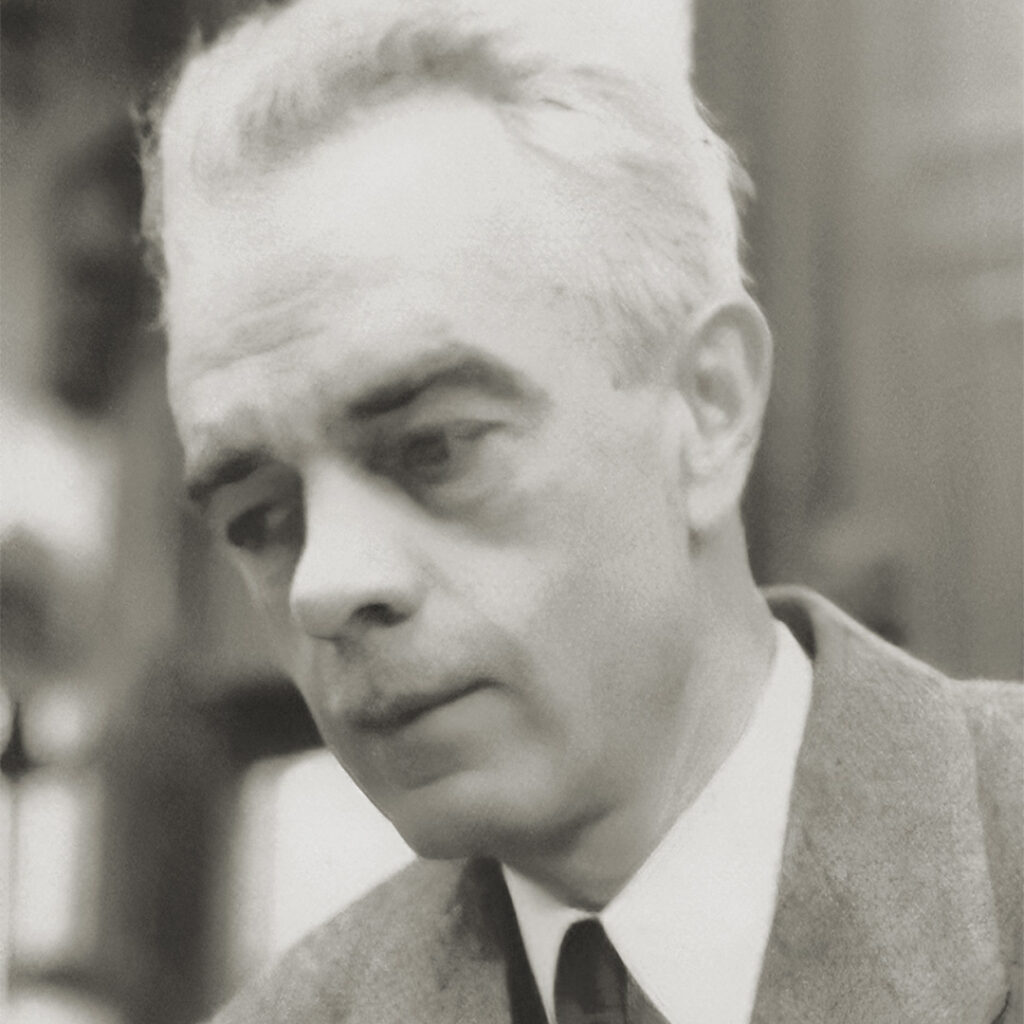
Wayne M. Collins, a determined and passionate civil rights attorney whose decades of work restored citizenship and justice to thousands of Japanese Americans.
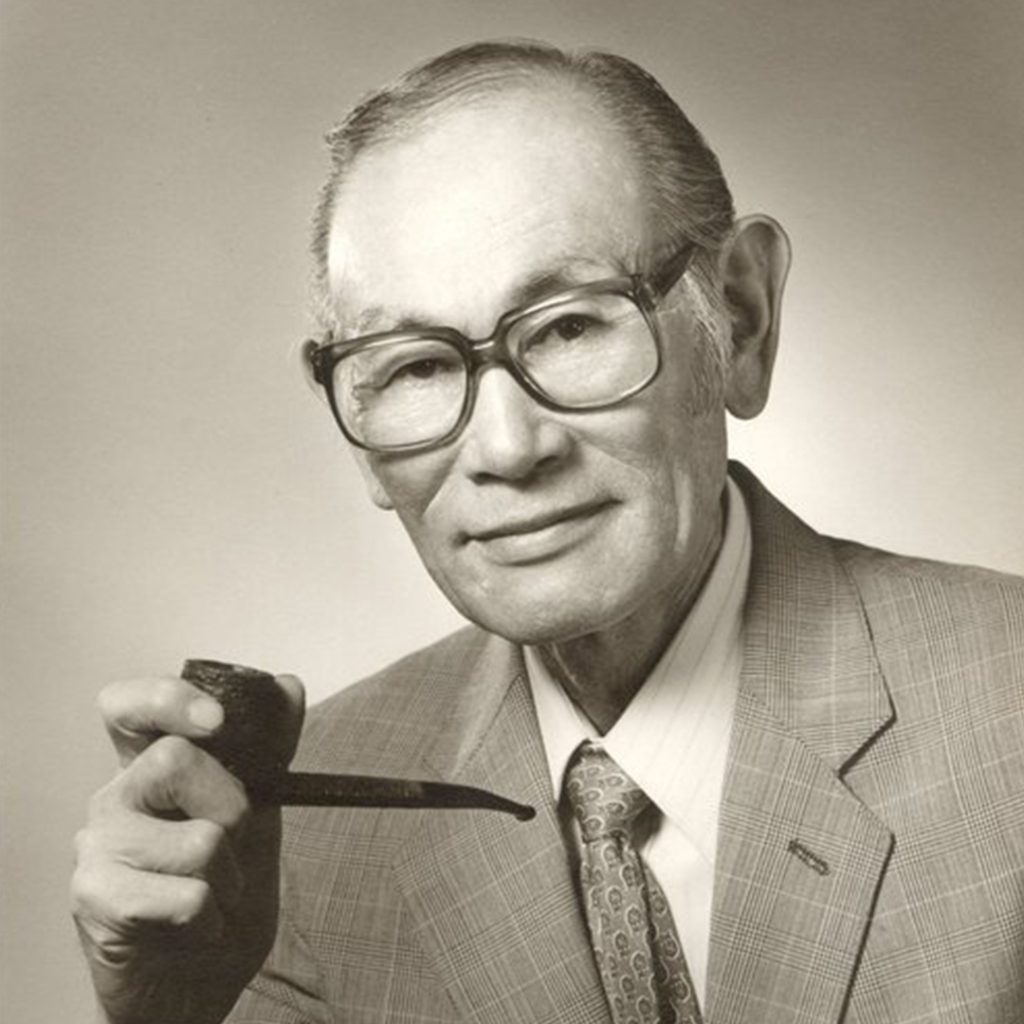
Fred Korematsu refused to be silenced. When the government tried to incarcerate him during WWII, he said no — and took his fight all the way to the U.S. Supreme Court.
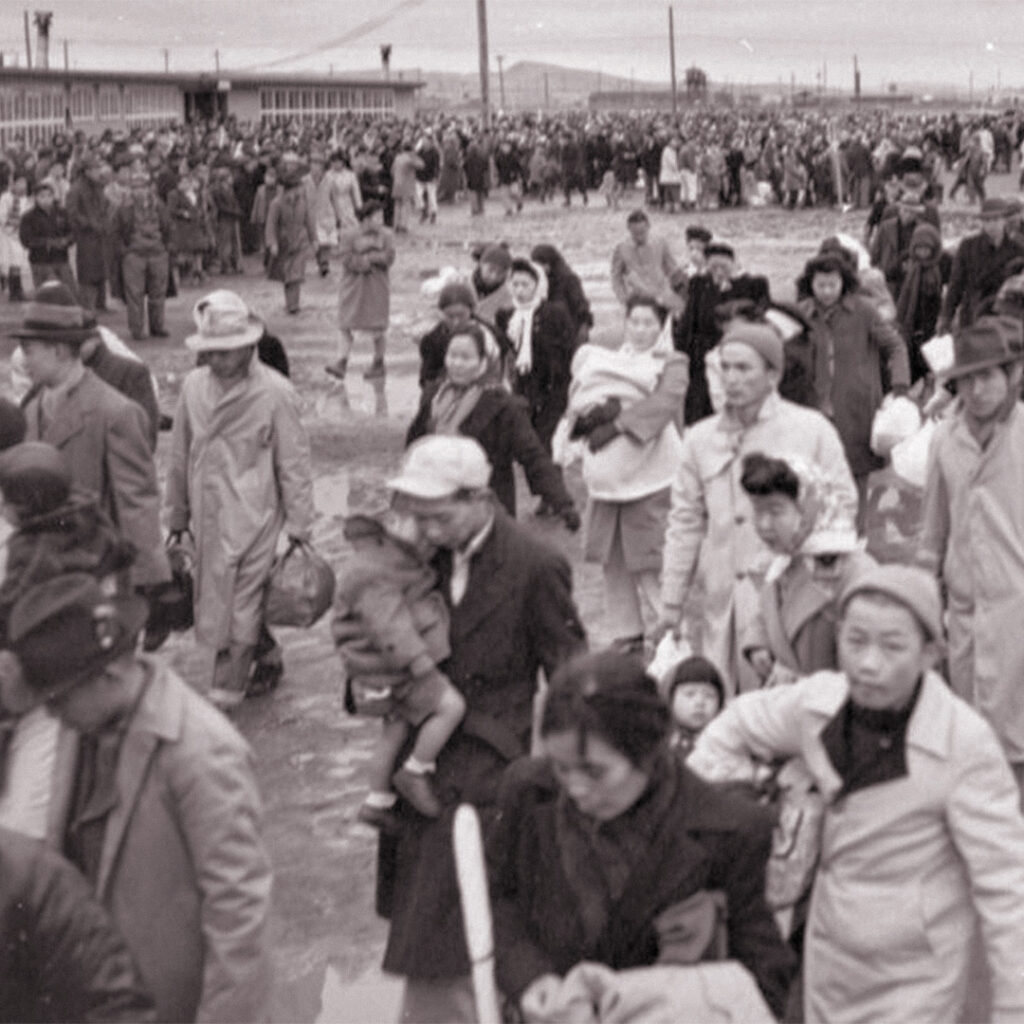
At Tule Lake, thousands signed renunciation papers under duress.
Wayne Collins led the largest citizenship-restoration effort in U.S. history.
Korematsu and the Tule Lake Renunciants
Collins was part of a small circle of West Coast attorneys who encouraged resistance to mass removal and who challenged the government’s misleading claims in the early wartime cases. He remained involved in the long effort that eventually revealed how the government had suppressed evidence in Korematsu v. United States.
His greatest battle, however, was the one almost no one else would touch: the fight for the Tule Lake renunciants. These were U.S. citizens who, under extreme pressure, fear, and turmoil inside the most volatile of the camps, signed documents giving up their citizenship. Collins spent twenty years restoring it. Nearly 5,000 people regained their citizenship because he refused to let their government abandon them.
It remains the largest civil-rights restoration ever led by a single attorney in American history.
Japanese Latin Americans, “Tokyo Rose,” and More
Collins took on cases others avoided. He represented Japanese Latin Americans who had been kidnapped from their home countries and brought to the U.S. for prisoner exchanges. He halted irresponsible deportations and forced the government to acknowledge an abuse it never wanted exposed.
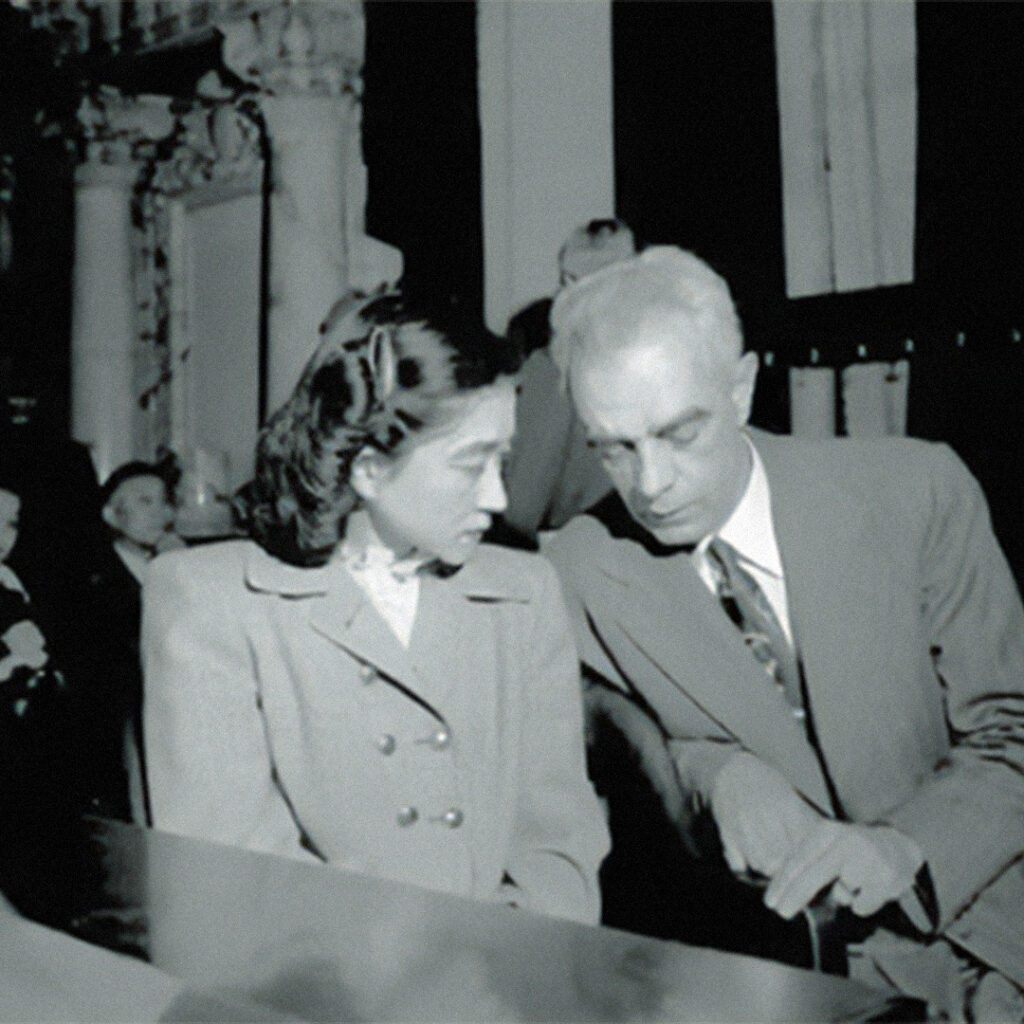
He also believed Iva Toguri had been scapegoated as “Tokyo Rose” during a moment of national hysteria. He worked for years to overturn her conviction and have her name cleared. After his death, his son continued the fight — eventually helping Toguri receive a presidential pardon.
Collins later defended East Indian immigrants against deportation, represented educators who refused to sign California’s loyalty oath, and supported students in the Berkeley Free Speech Movement. To him, every case was part of the same mission: protecting individuals from unchecked government power.
Japanese Latin Americans boarding trains under armed guard in Panama, 1943, en route to U.S. camps as prisoners for potential exchanges with Japan.
Wayne Collins with Iva Toguri, whom he defended for decades after she was wrongfully convicted as “Tokyo Rose.”
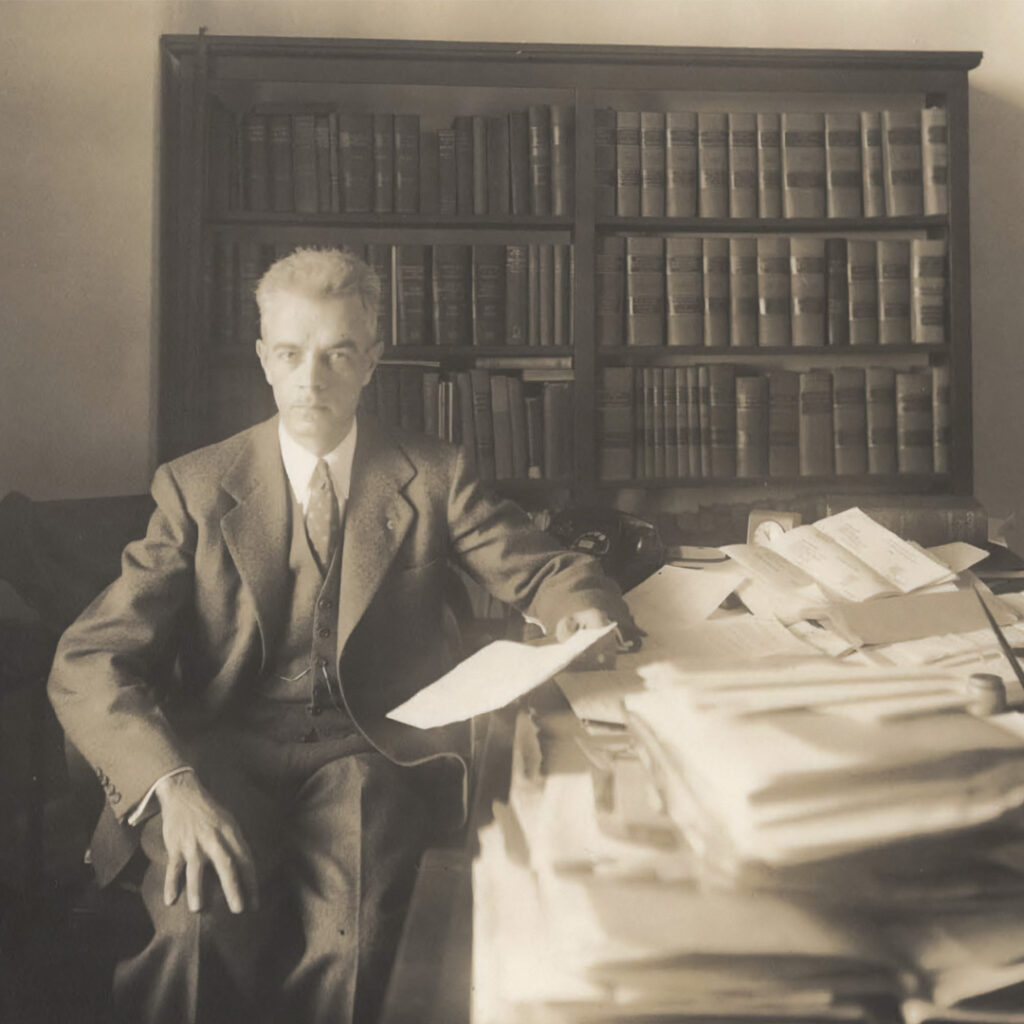
Attorney Wayne Collins in his San Francisco office, c1942. He worked tirelessly through stacks of case files as he worked through the legal challenges of the wartime years.
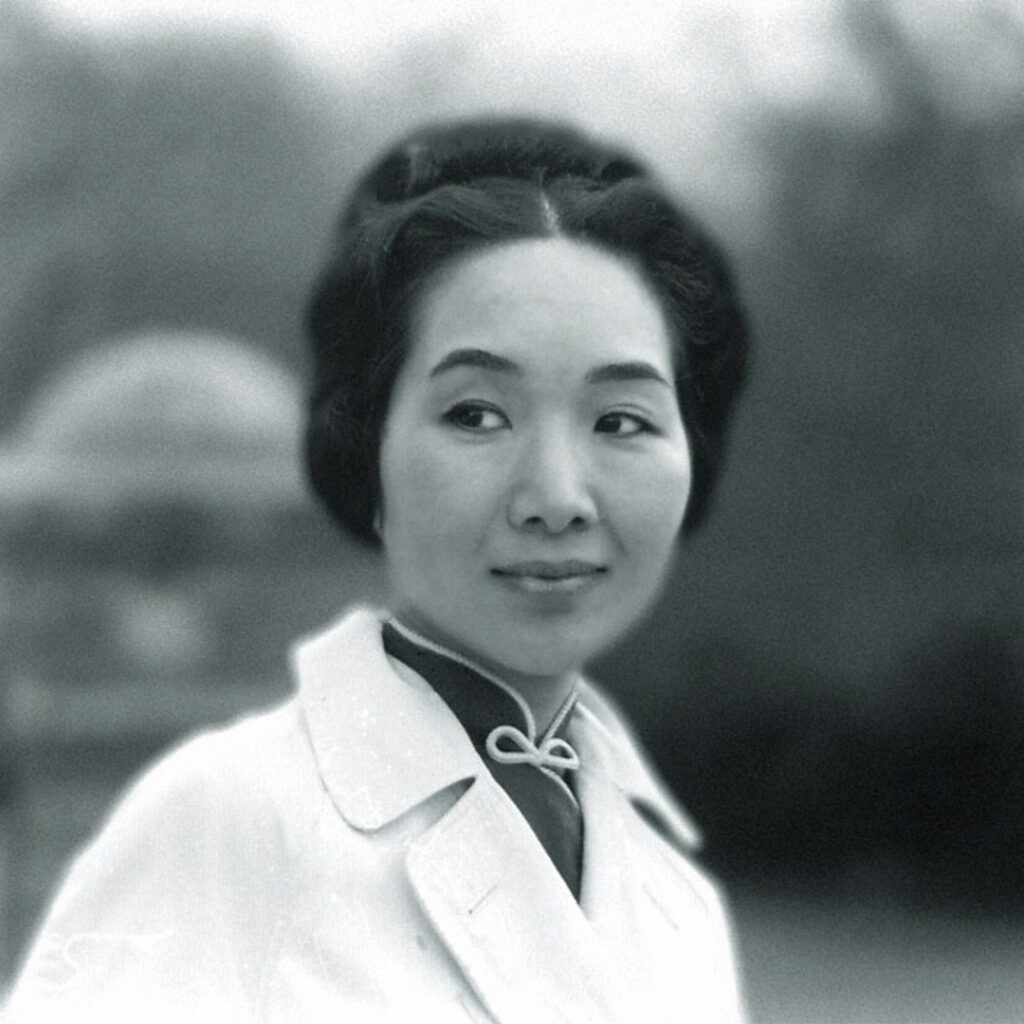
Poet Hiroshi Kashiwagi’s life took shape after Collins helped restore the citizenship of Tule Lake renunciants. One act of justice can change generations.
Michi Nishiura Weglyn dedicated her landmark book, “Years of Infamy,” to Wayne Collins, saying he “did more to correct a democracy’s mistake than any other one person.”
A Legacy Written by Those He Saved
Collins never sought fame. But Japanese Americans never forgot him. Poet Hiroshi Kashiwagi wrote that Collins “rescued me as an American and restored my faith in America.”
In Years of Infamy, Michi Nishiura Weglyn dedicated her landmark book to him, saying he “did more to correct a democracy’s mistake than any other one person.”
Wayne Collins didn’t just win cases.
He protected the Constitution and the ideals America had nearly lost.