The National Japanese American Memorial to Patriotism
A memorial for those who believed in the country that didn’t believe in them.
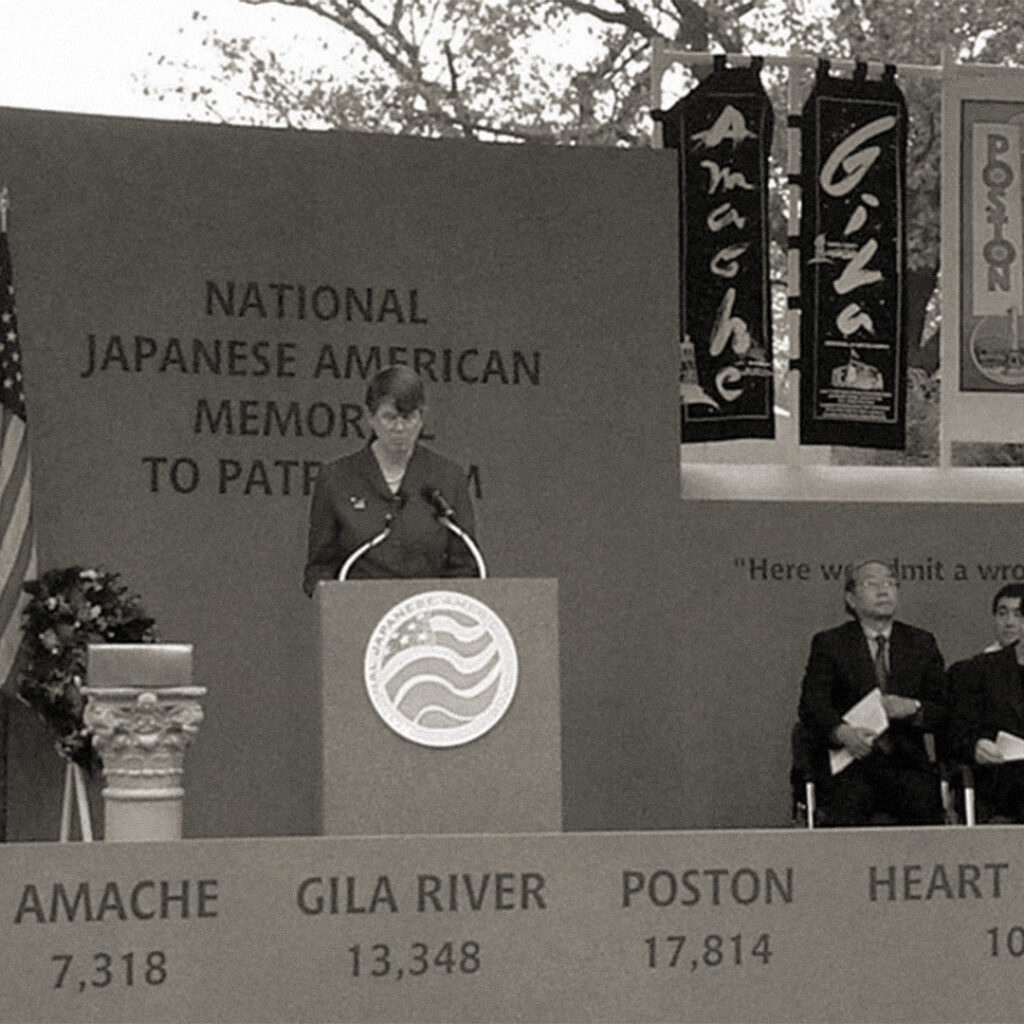
November 9, 2000: The National Japanese American Memorial to Patriotism During World War II (NJA Memorial) was dedicated in Washington, D.C.
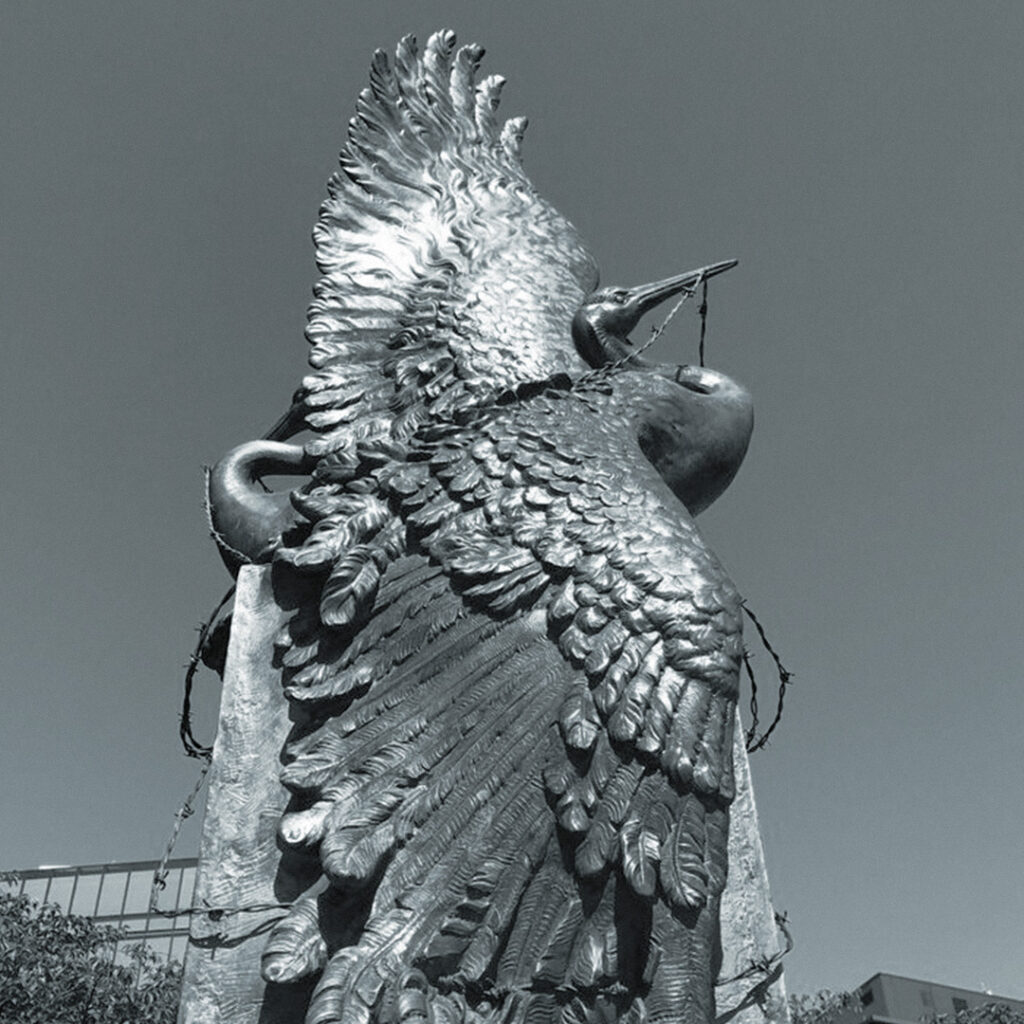
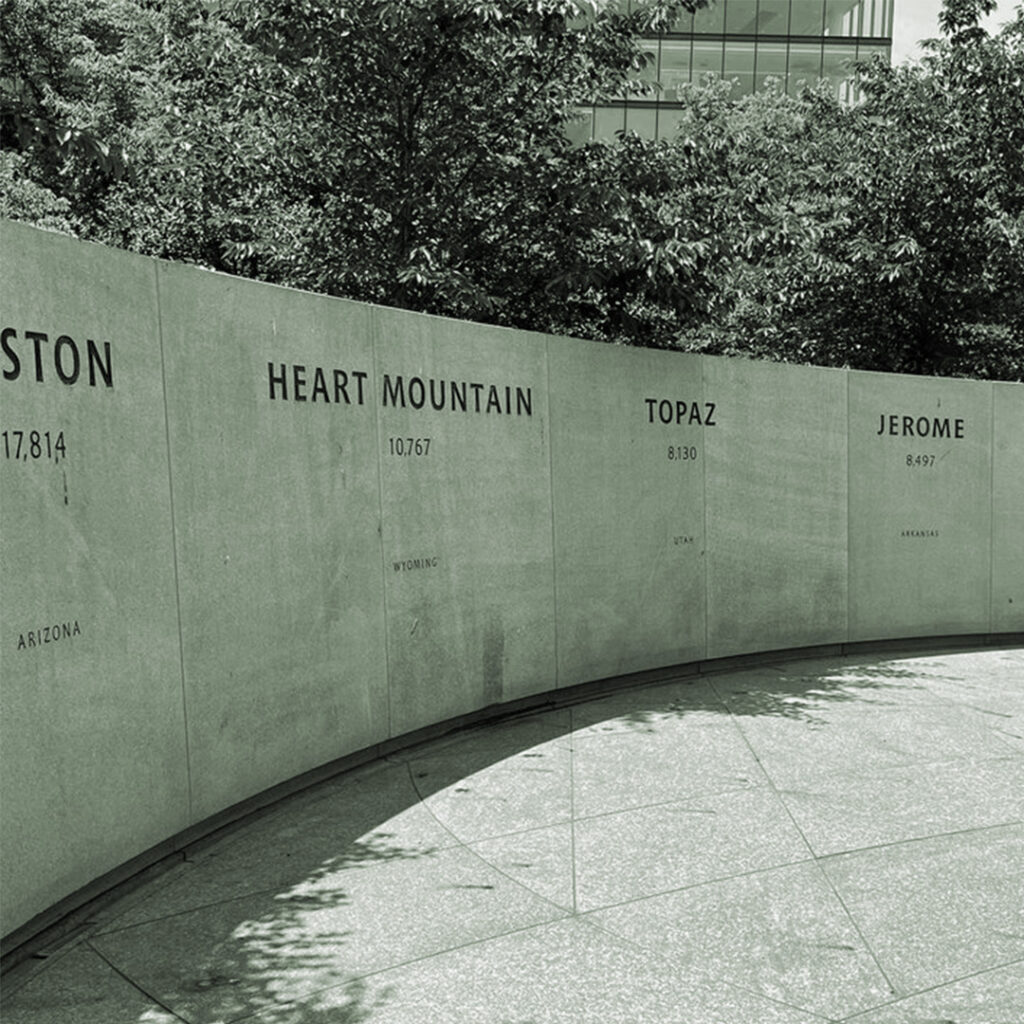
The memorial stands near the U.S. Capitol Building. Its curved granite walls list the names of the ten incarceration camps and quotes from Japanese Americans whose lives were shaped by war and confinement. At its center, a bronze crane entangled in barbed wire, designed by Nina Akamu, rises as both symbol and warning — hope struggling against fear.
After the Civil Liberties Act of 1988, the Go For Broke National Veterans Association began the campaign for a national memorial on federal land. The effort evolved into the National Japanese American Memorial Foundation (NJAMF), a nonprofit dedicated to public education about the incarceration of Japanese Americans during World War II.
In 1992, President George H. W. Bush authorized the construction of a memorial to “commemorate the experience of American citizens of Japanese ancestry and their parents who patriotically supported this country despite their unjust treatment during World War II.”
The centerpiece, a bronze crane caught in barbed wire, was created by Nina Akamu, a third-generation Japanese American whose grandfather was imprisoned at Sand Island.
Surrounded by survivors and advocates, President Reagan signs the Civil Liberties Act — an apology 46 years in the making.
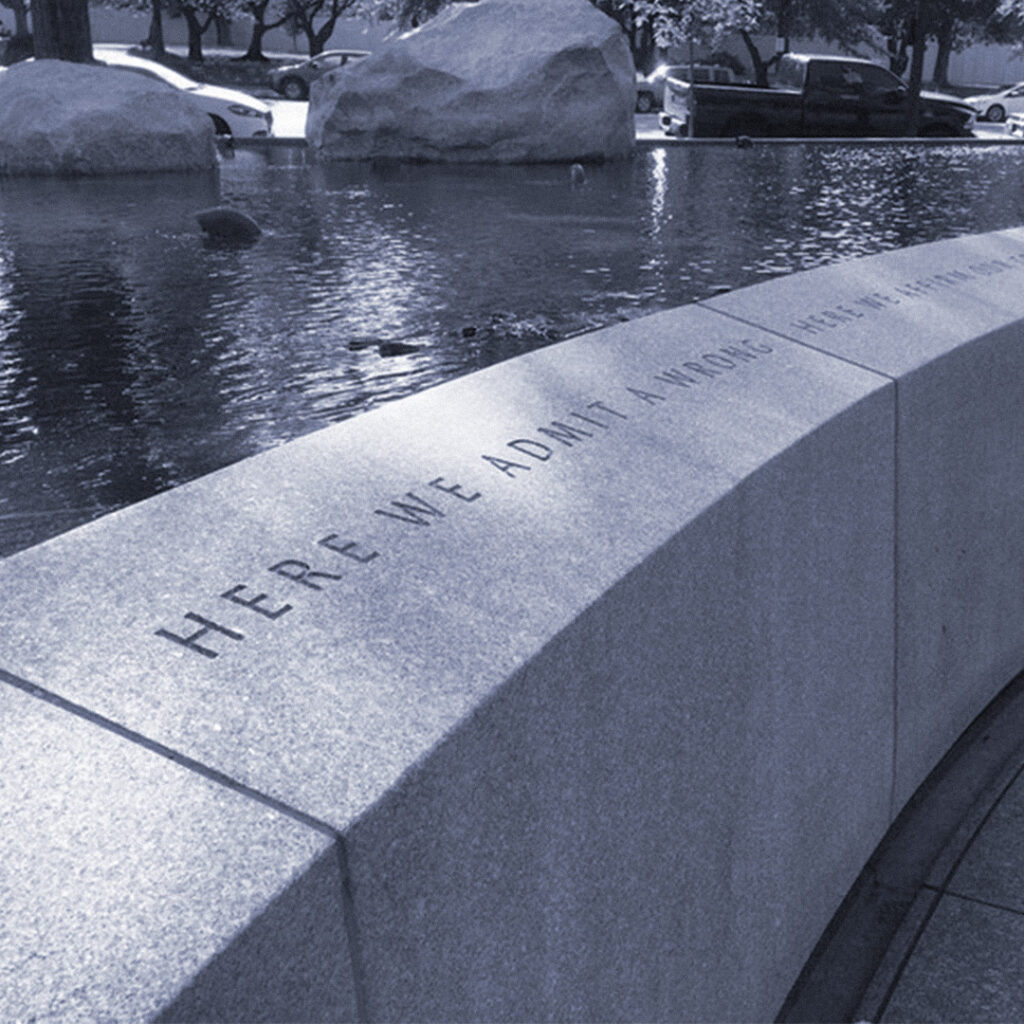
The words, “Here we admit a wrong,” from President Ronald Reagan’s 1988 Civil Liberties Act address, are engraved at the National Japanese American Memorial.
The curved granite wall of the National Japanese American Memorial bears the names of the ten major incarceration camps, with the number of people incarcerated.
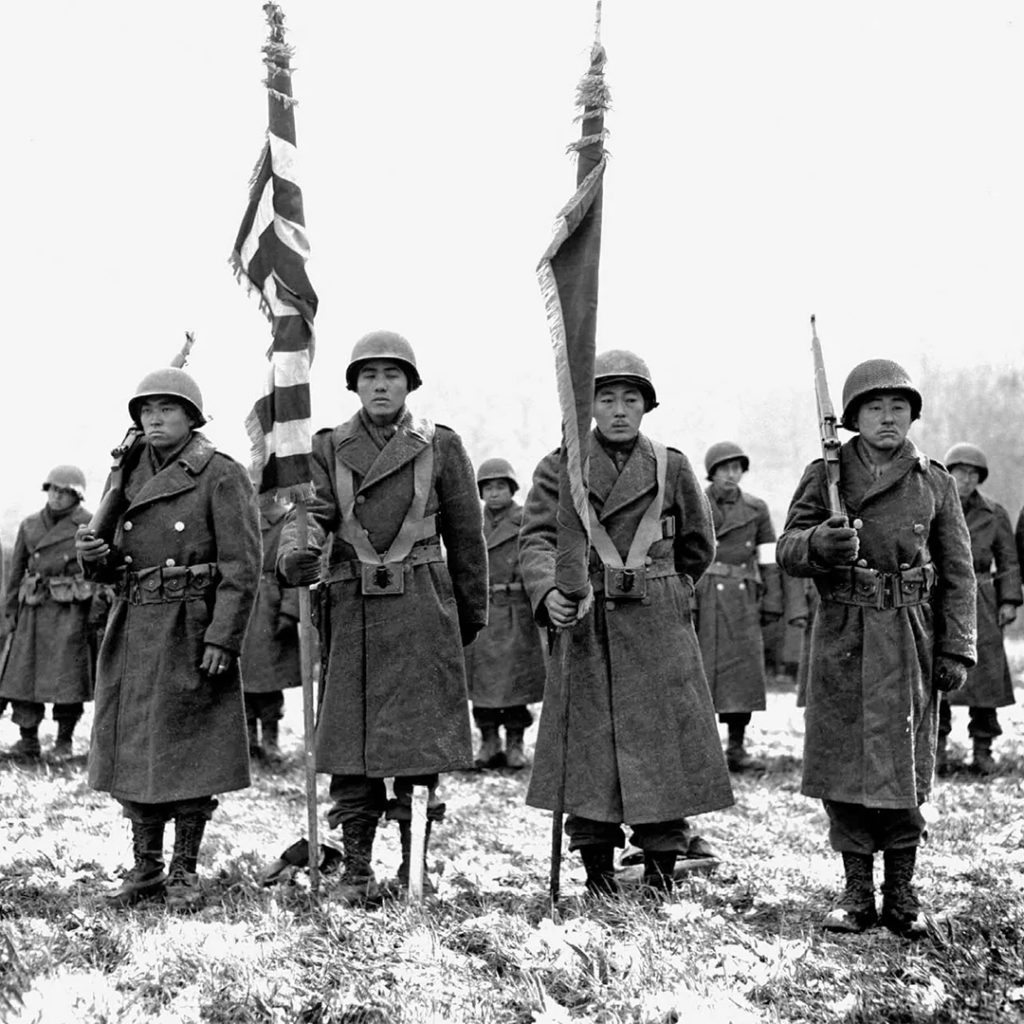
While many of their families remained imprisoned, soldiers of the 442nd Regimental Combat Team became some of the most decorated in U.S. military history.
A Day of Rain and Reflection
When the memorial was finally dedicated eight years later, the mood was quiet and heavy. The U.S. Department of Defense described the ceremony: “Drizzling rain was mixed with tears streaming down the faces of Japanese American World War II heroes and those who spent the war years imprisoned in isolated internment camps.”
Veterans of the 100th Infantry Battalion, 442nd Regimental Combat Team, and Military Intelligence Service stood beside survivors and families who had carried the memory of those camps for more than half a century. During the war, more than 120,000 Japanese Americans were incarcerated by their own government. Over 33,000 volunteered or were drafted to serve in the U.S. military during the war and the immediate postwar period.
The 100th Infantry Battalion and the 442nd Regimental Combat Team later combined to become the most decorated units of their size in World War II, suffering over 650 killed in action and more than 4,000 wounded in combat.
Words Worth Remembering
At the ceremony, Attorney General Janet Reno read a letter from President Bill Clinton, who wrote:
“We are diminished when any American is targeted unfairly because of his or her heritage. This memorial and the internment sites are powerful reminders that stereotyping, discrimination, hatred, and racism have no place in this country.”
Etched into the memorial’s granite wall are the words of Senator Daniel Inouye, veteran of the 442nd RCT and lifelong advocate for civil rights:
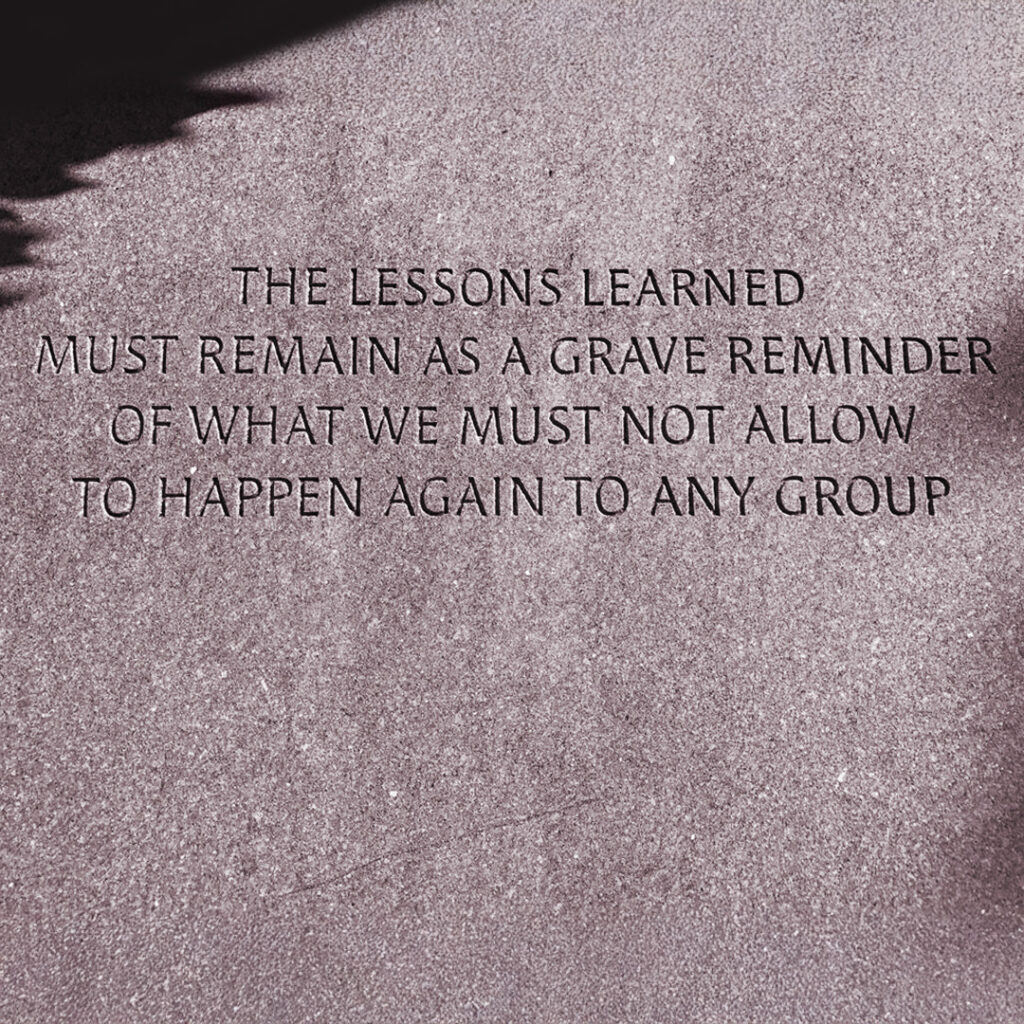
“The lessons learned must remain as a grave reminder of what we must not allow to happen again to any group.”
At the dedication of the National Japanese American Memorial to Patriotism During World War II, U.S. Attorney General Janet Reno read a letter from President Bill Clinton.
More than five decades after his heroic service in WWII, Inouye received the nation’s highest military honor for his extraordinary valor on the battlefield.
The words of Senator Daniel K. Inouye, inscribed on the National Japanese American Memorial to Patriotism During World War II in Washington, D.C.
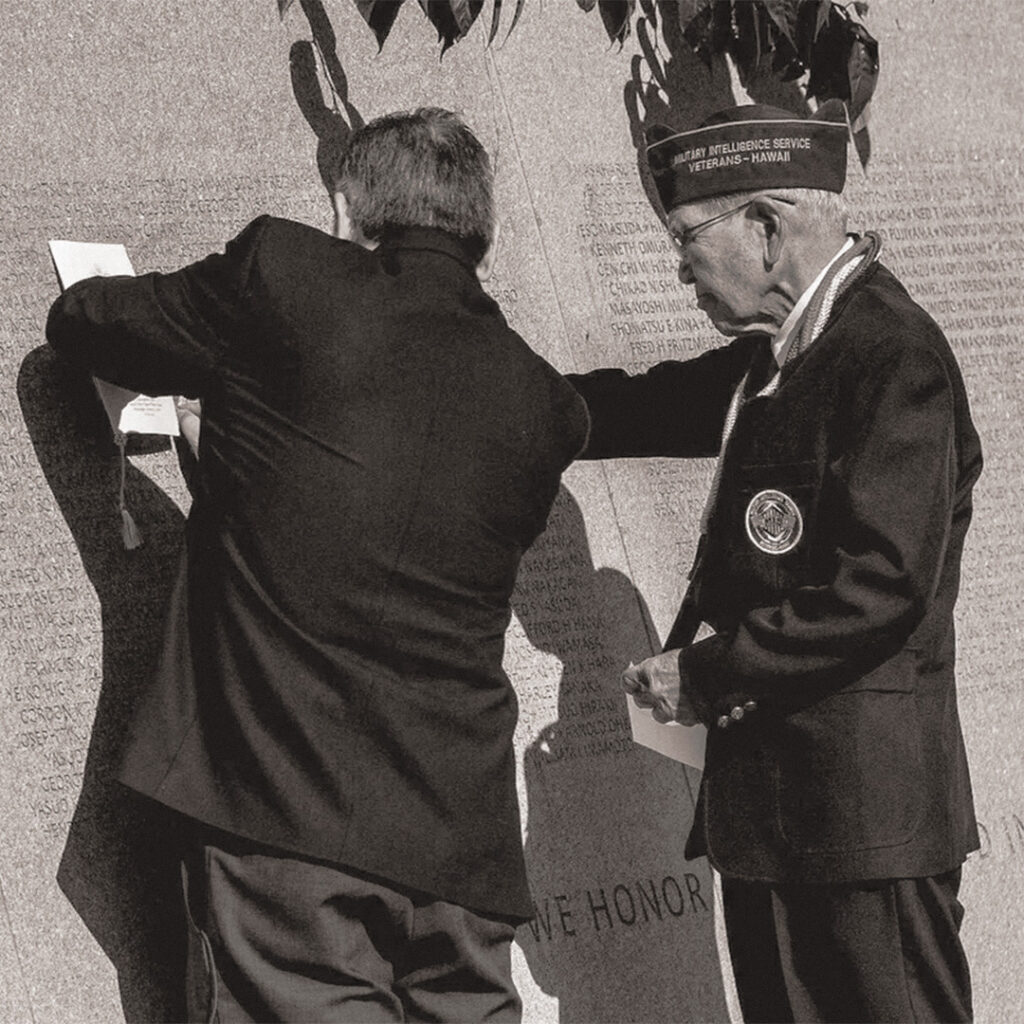
A Japanese American veteran from the Military Intelligence Service, Hawaii, tracing a name at the National Japanese American Memorial to Patriotism During World War II.
The Legacy Today
Ownership of the memorial was transferred to the United States Government in 2002, and the National Park Service now maintains it.
For those who once wondered if the nation would ever acknowledge them, the memorial stands as both acknowledgment and challenge — proof that loyalty can endure injustice, and that remembrance is a form of resistance.