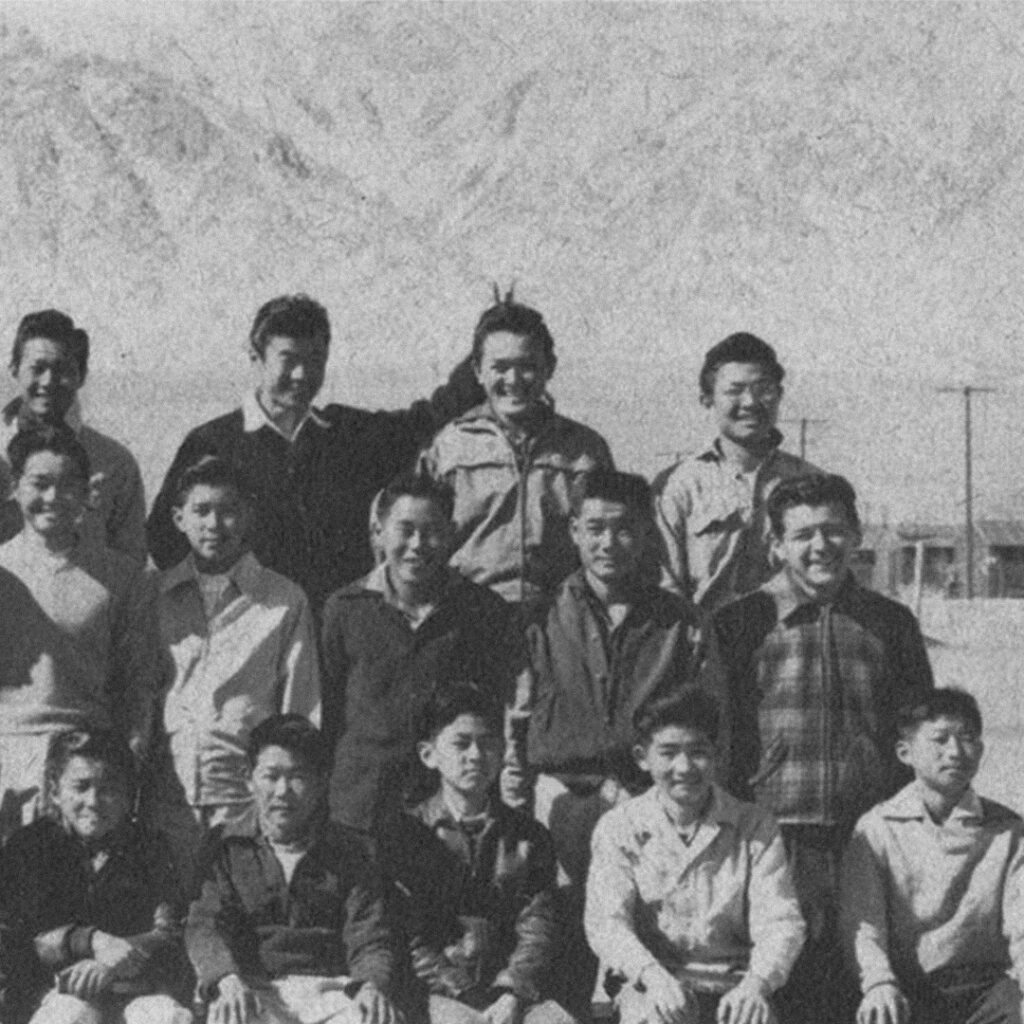
To stand in solidarity with his friends, he incarcerated himself.
November 3, 1924: Ralph Lazo, the only known non-spouse, non-Japanese American who voluntarily relocated to Manzanar in solidarity with his friends, was born in Los Angeles.
When the U.S. government ordered Japanese Americans from their homes and sent them to remote concentration camps, a 17-year-old Mexican Irish American boy from Los Angeles made a decision that defied logic — and defined friendship.
Ralph Lazo was helping a neighbor who only had a few days to sell their belongings when a buyer bragged, “I sure jewed that Jap!” He was stunned, and outraged.
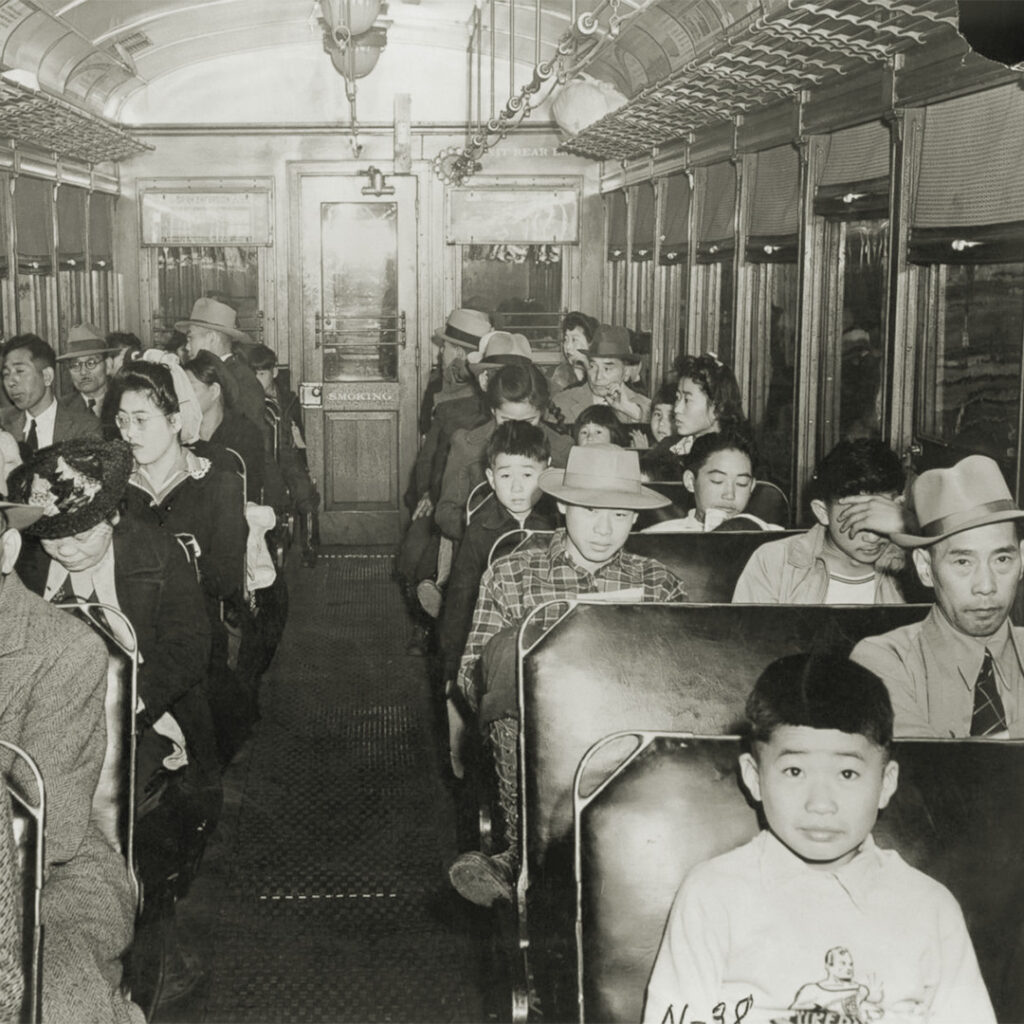
A few days later, Ralph packed a small bag, said goodbye to his father, and boarded the train to Manzanar with his Japanese American classmates.
He wasn’t forced to go. He chose to.
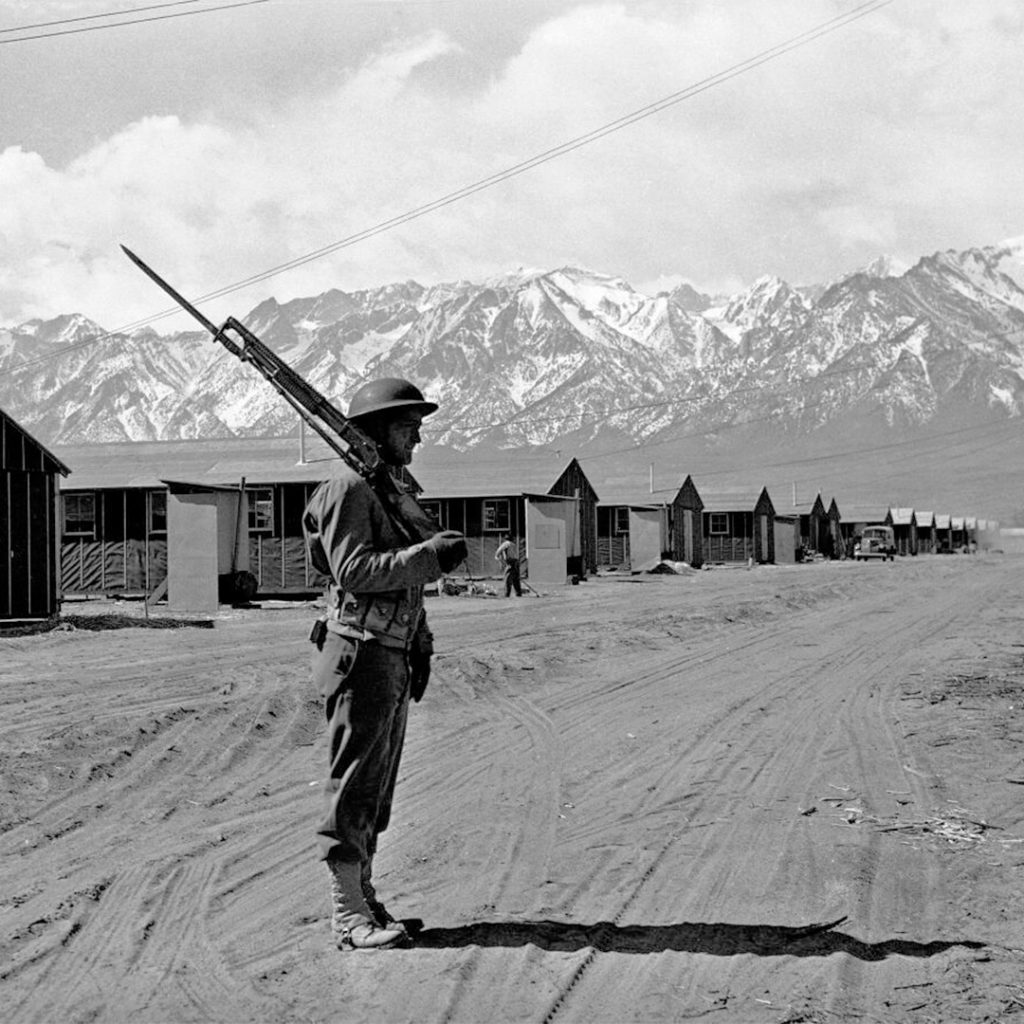
An American soldier guarding the Manzanar camp, where more than 11,000 people were imprisoned. By definition, it was a “concentration camp.” May 23, 1943
Ralph Lazo grew up on Temple Street in Los Angeles, a neighborhood where Mexican, Japanese, Filipino, and Black families lived side by side.
When his Japanese American classmates were ordered onto trains bound for Manzanar, Ralph Lazo packed his bag and went with them. He refused to stay behind.
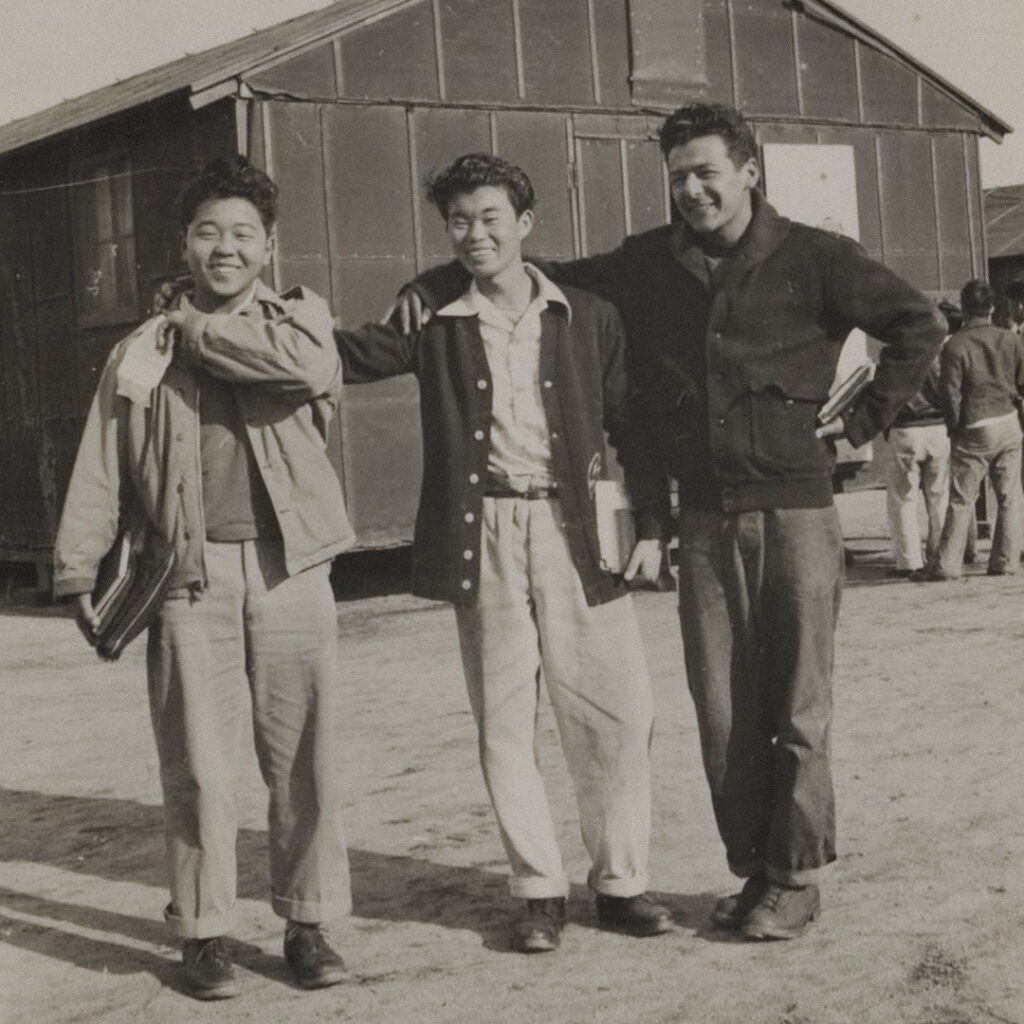
Many of Ralph’s old classmates were actually sent to Heart Mountain. But at Manzanar, he quickly made new friends, and even a camp family who adopted him.
At Manzanar, Ralph Lazo brought life to the community. He spent time entertaining orphaned children, planting trees, and organizing activities.
A Friend, Not a Bystander
Ralph grew up in a diverse Los Angeles neighborhood and attended Belmont High School, where many of his closest friends were Japanese American. When they were rounded up under Executive Order 9066, Ralph couldn’t stand the injustice. He refused to let them go alone.
Without government permission and without being of Japanese ancestry, he joined them voluntarily at Manzanar. Guards, unfamiliar with racial diversity, assumed he belonged because of his brown skin. They never questioned his ancestry.
Inside the camp, Ralph became a popular member of the community. He attended classes, played sports, and was elected Manzanar High School class president. He volunteered with orphaned children, helped plant trees, delivered mail, and organized holiday parties — small acts that made life behind barbed wire livelier.
Fighting for the Country That Got It Wrong
He later said he stayed because “it was the right thing to do.” For two years, he endured the same confinement, dust storms, and loss of freedom as his friends — until he was drafted into the U.S. Army in 1944. Only then was his true heritage discovered.
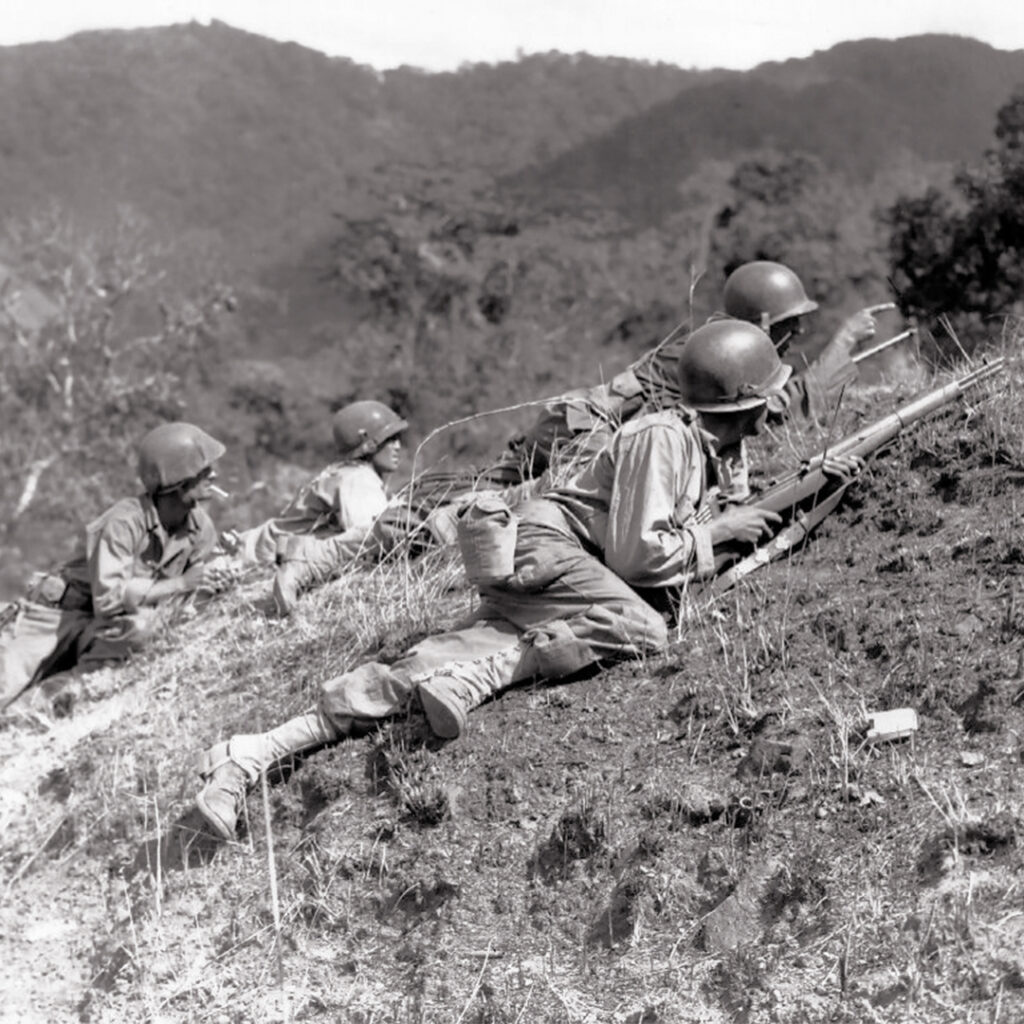
Ralph served in the Pacific and earned a Bronze Star for heroism in the Philippines. After the war, he devoted his life to education and social justice, helping raise awareness about the incarceration that so many preferred to forget. This helped the Civil Liberties Act of 1988 become a reality.
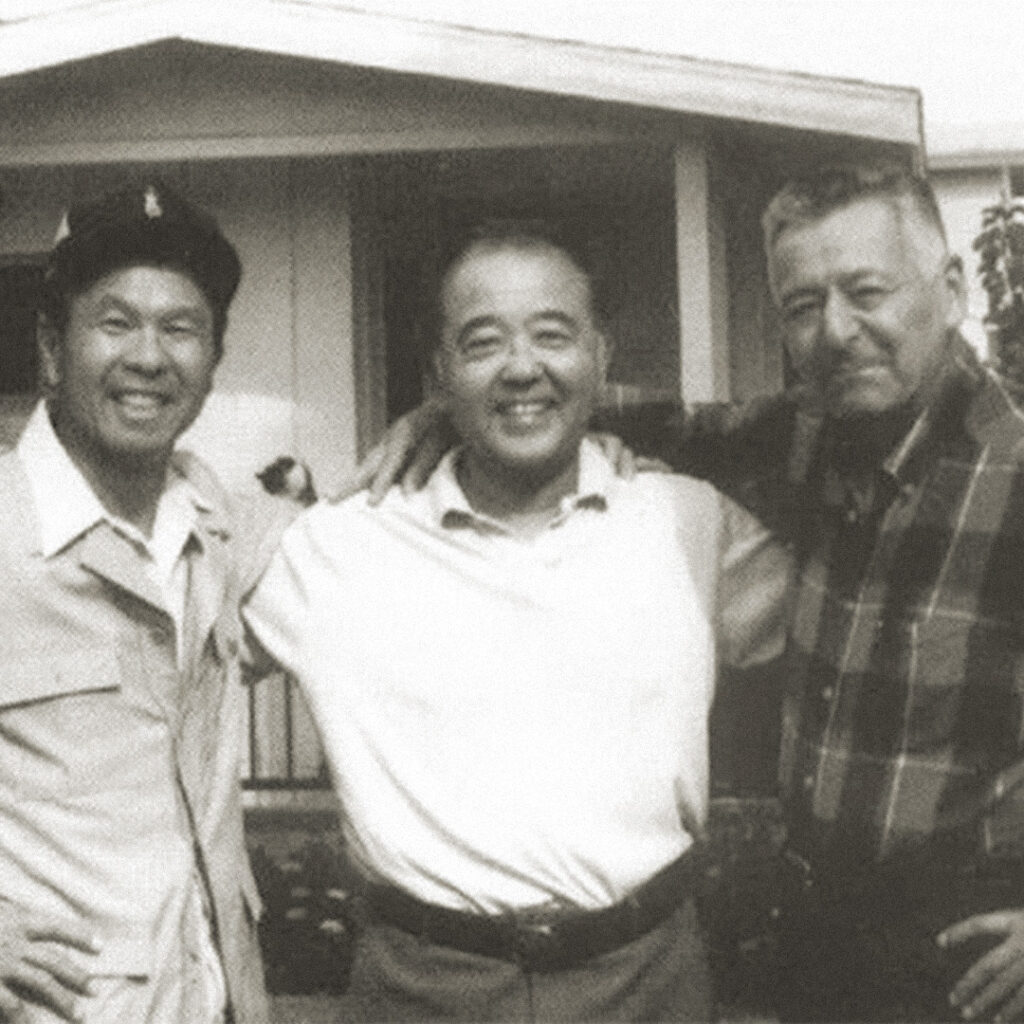
Decades later, he was honored by the Japanese American community as one of their own — the only non-Japanese American known to have voluntarily entered a World War II incarceration camp.
After leaving Manzanar, Ralph Lazo was drafted into the U.S. Army and sent to the Philippines. He fought with courage and earned a Bronze Star for heroism.
Surrounded by survivors and advocates, President Reagan signs the Civil Liberties Act — an apology 46 years in the making.
For the rest of his life, Ralph Lazo stood beside the Japanese American community — not as an outsider, but as an honorable friend.
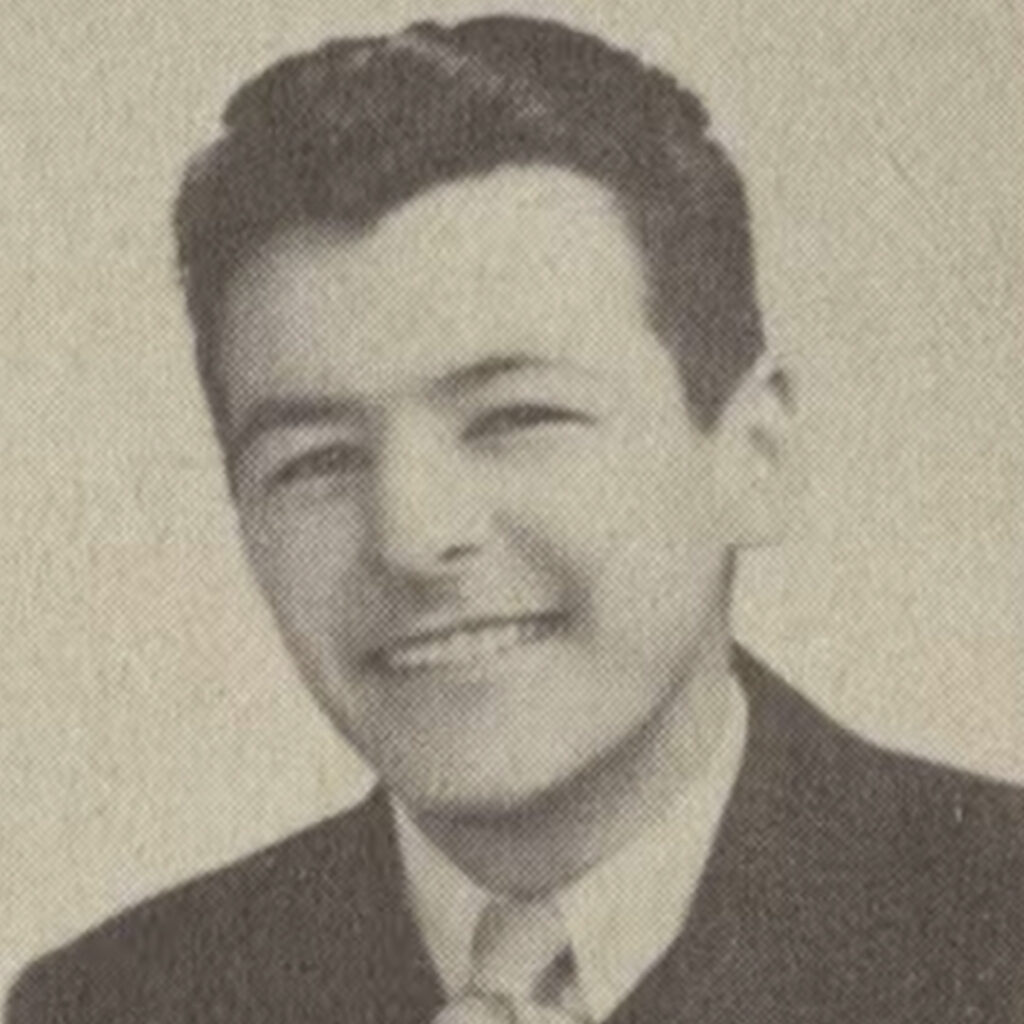
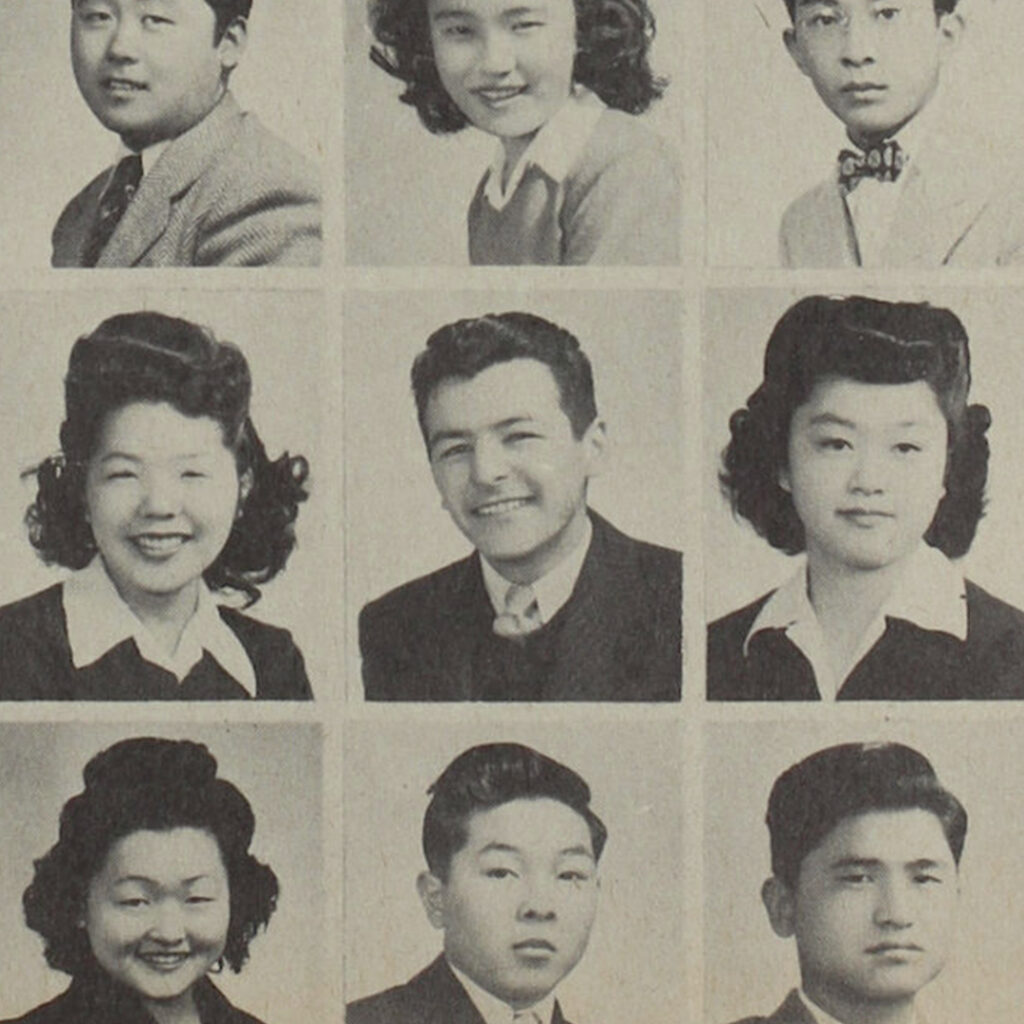
Ralph Lazo in the Manzanar High School yearbook. Surrounded by classmates he called friends. And Americans.
The Definition of Solidarity
Long before the word allyship entered modern activism, Ralph embodied it. He didn’t post, protest, or seek recognition — he simply showed up and stood beside his friends when no one else would.
In doing so, Ralph Lazo taught America that solidarity isn’t spoken. It’s lived.
“It was immoral. It was wrong and I couldn’t accept it. These people hadn’t done anything that I hadn’t done, except to go to Japanese language school. They were Americans, just like I am.”
— Ralph Lazo, in the Los Angeles Times, reflecting on Japanese American incarceration