One time the Quiet Americans decided not to be quiet.
August 4, 1981: The CWRIC Hearings began.
For nearly four decades, most Japanese Americans had stayed quiet about their incarceration during World War II. They bore the shame, the loss, and the trauma in silence — many out of fear, others out of cultural conditioning. Gaman. Endure. Don’t make waves.
But silence didn’t mean consent.
In 1980, the federal government created the Commission on Wartime Relocation and Internment of Civilians (CWRIC) to investigate the mass incarceration of Japanese Americans. The commission wasn’t just tasked with reviewing records — it traveled across the country, holding public hearings to listen directly to those who had lived through the camps.
The hearings began on August 4, 1981 in Los Angeles, California. And for the first time, thousands of Japanese Americans — young and old — stood up and spoke.
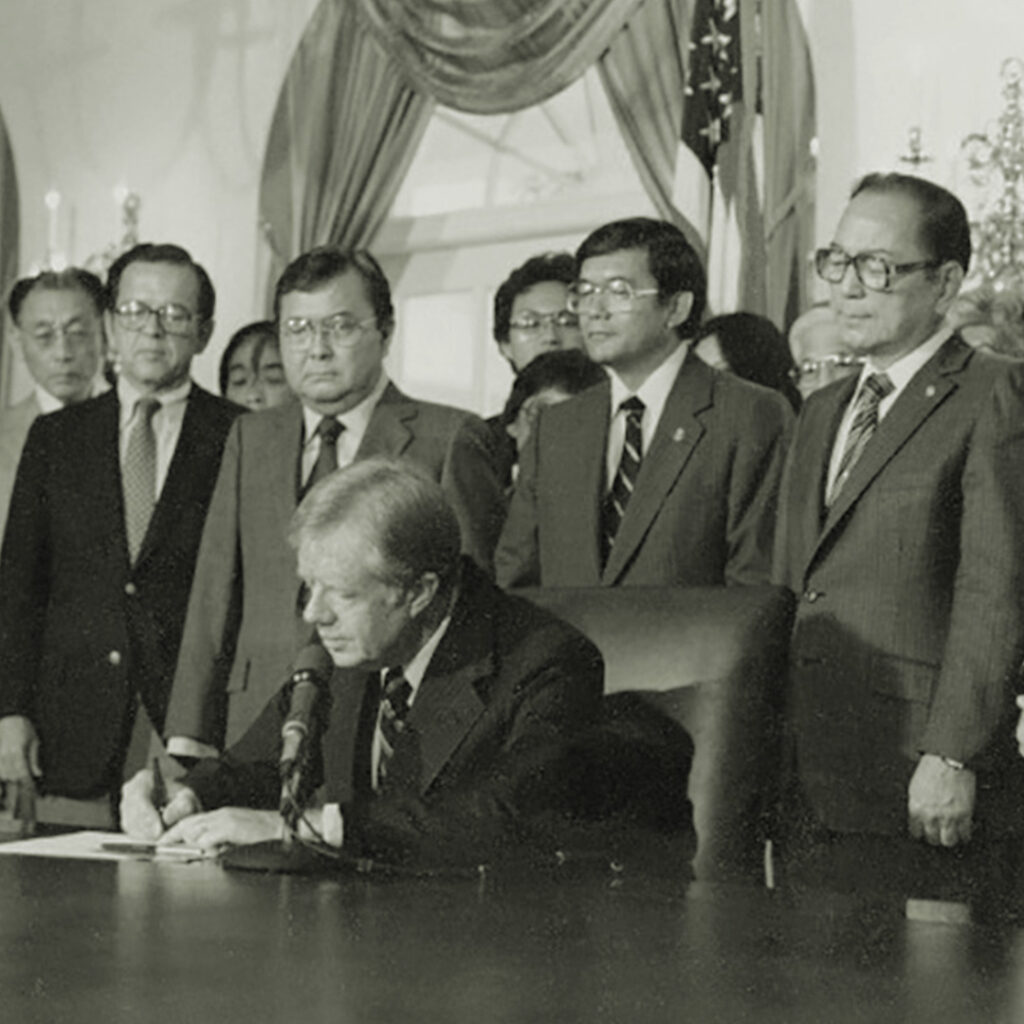
President Jimmy Carter signing the legislation establishing the Commission on Wartime Relocation and Internment of Civilians (CWRIC) on July 31, 1980
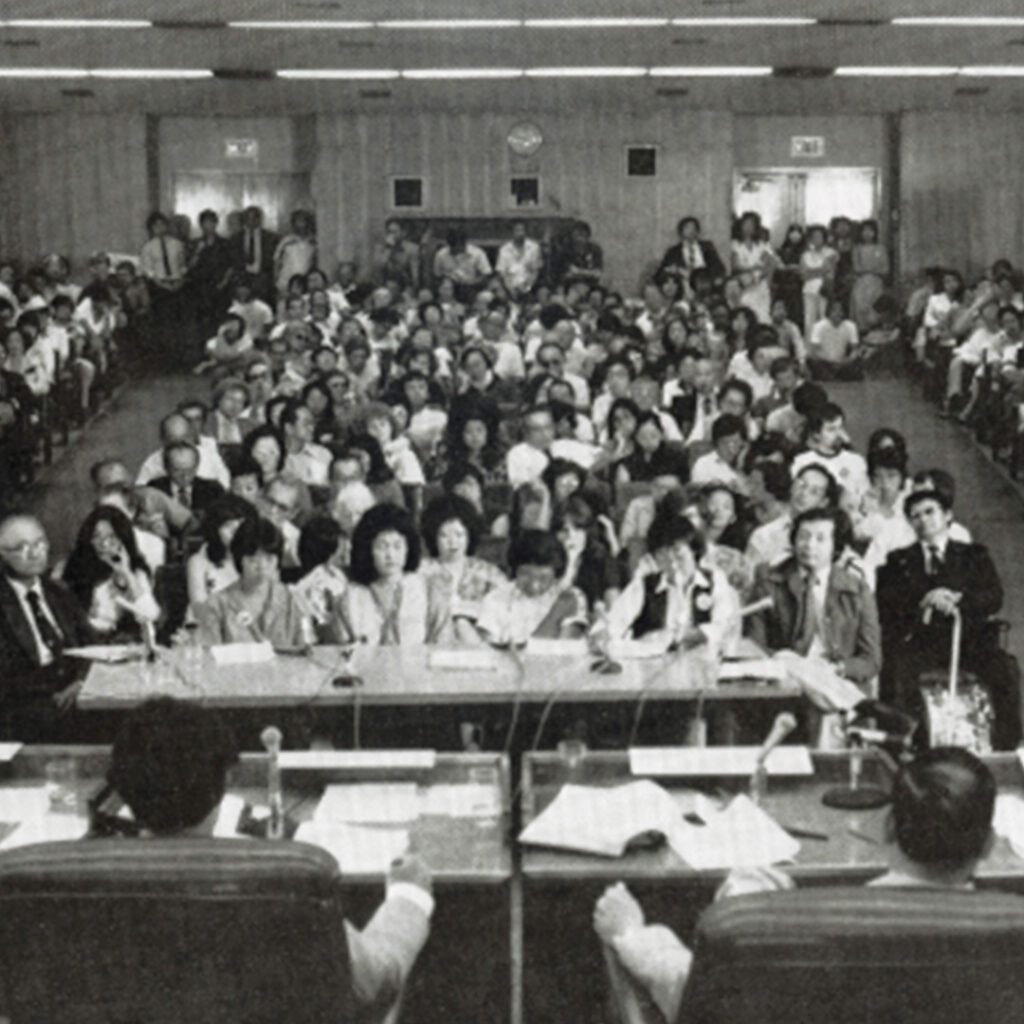
Hundreds packed into the federal building for the first day of the CWRIC Hearings. Many Japanese Americans were speaking publicly for the first time about their incarceration during WWII.
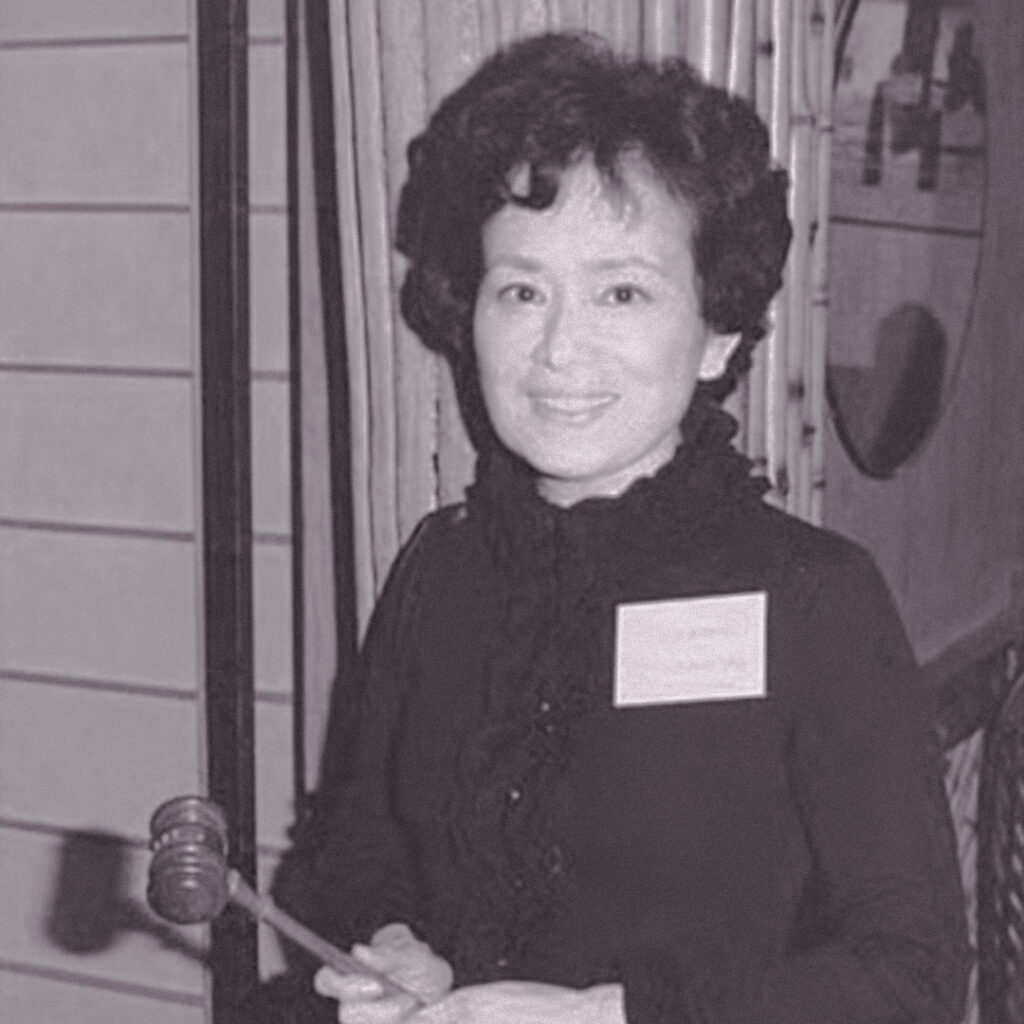
Cherry Kinoshita, the emotional leader the redress movement needed.
She believed stories could be more powerful than statistics. Credit Kyle Kinoshita
Martha Okamoto gave an emotional testimony about her brother, Shoichi James Okamoto, who was mercilessly shot and killed by a military guard at Tule Lake in 1944
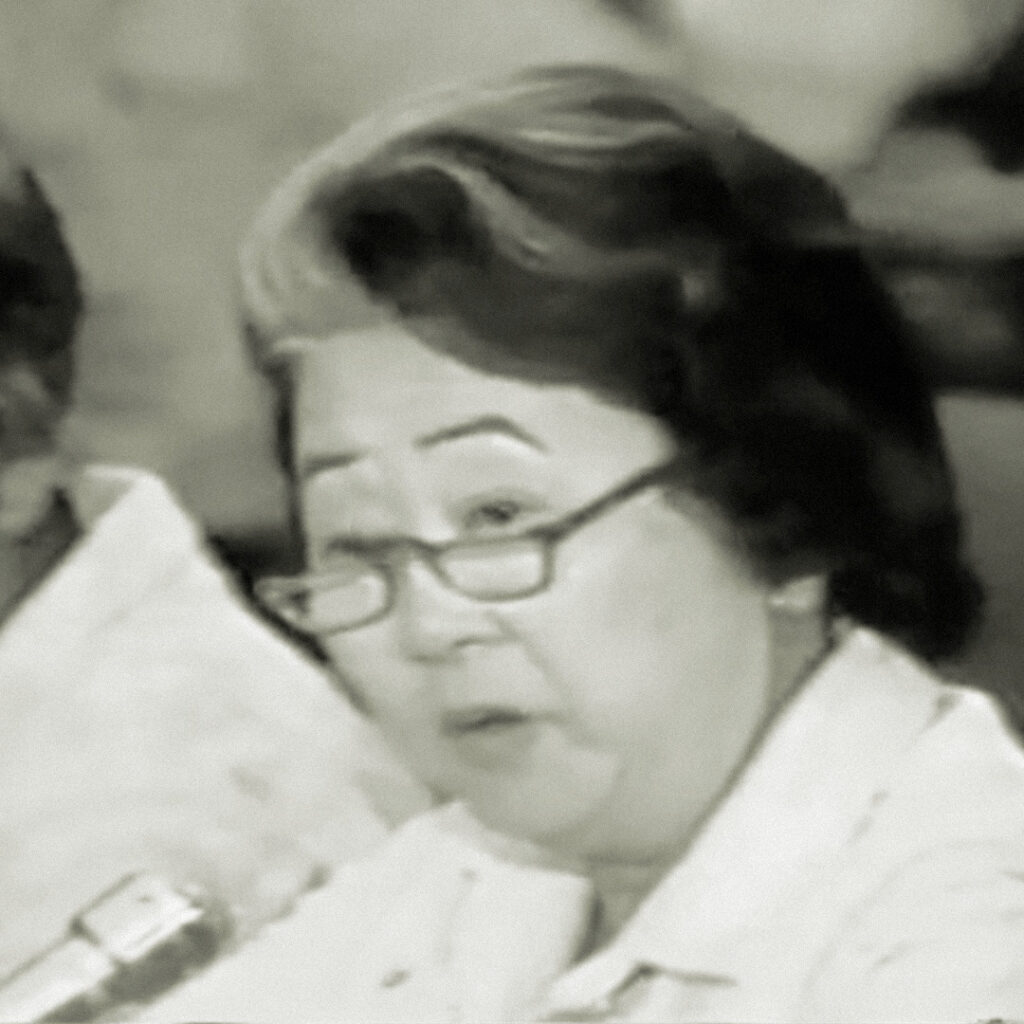
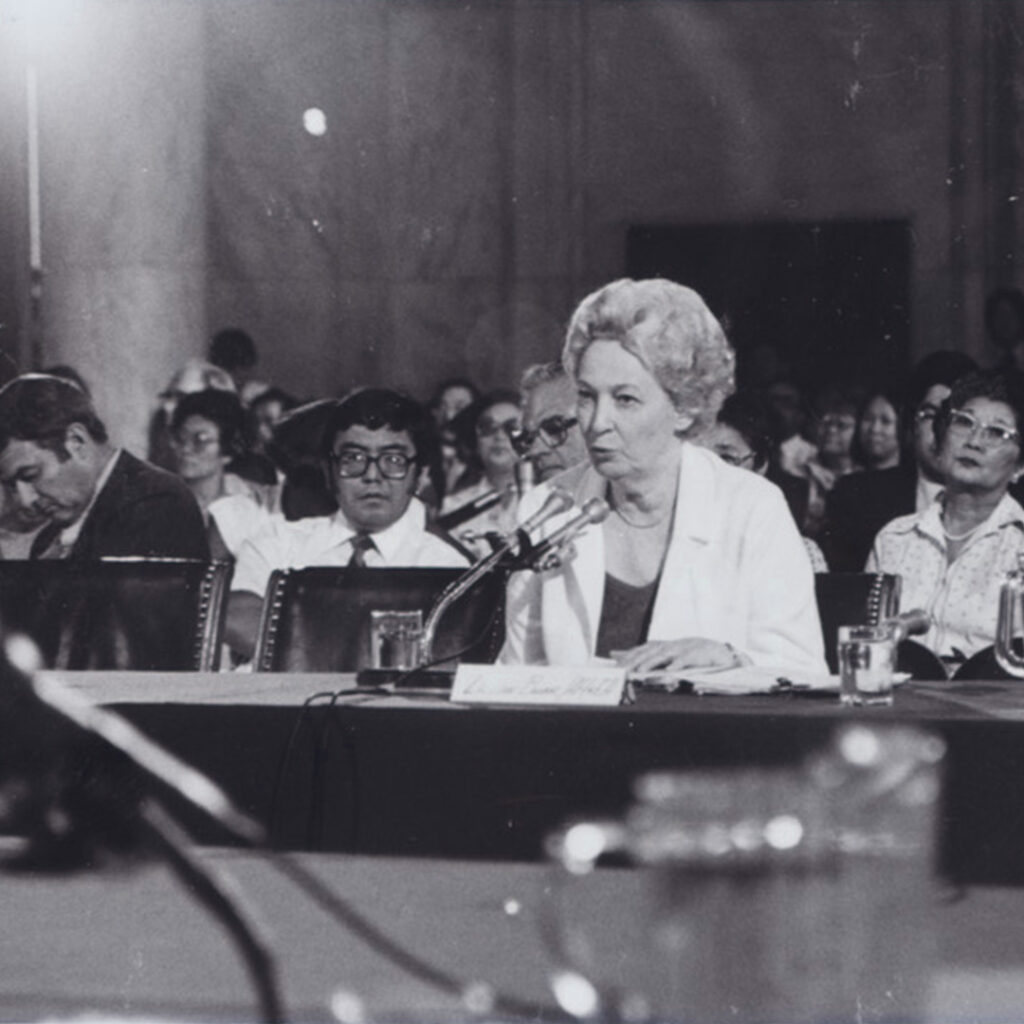
Mabel Ōta testifying before the Commission on Wartime Relocation and Internment of Civilians (CWRIC), sharing the personal toll incarceration took on her family.
Many of them cried. Some could barely speak through the pain. But they told their stories: of being ripped from homes, herded into camps, treated like criminals, and losing everything. For some, this was the first time they had ever shared these memories. Even with their own families.
What changed? Emotional leadership.
People like Cherry Kinoshita had urged the community to speak from the heart. She and others in the redress movement understood that legal arguments alone wouldn’t move Congress. What the country needed to hear was the pain. The injustice. The humanity.
And it worked.
The powerful testimonies collected during the CWRIC hearings became the emotional and moral backbone of the redress movement. They laid the groundwork for the Civil Liberties Act of 1988 — a formal apology and reparations from the U.S. government.
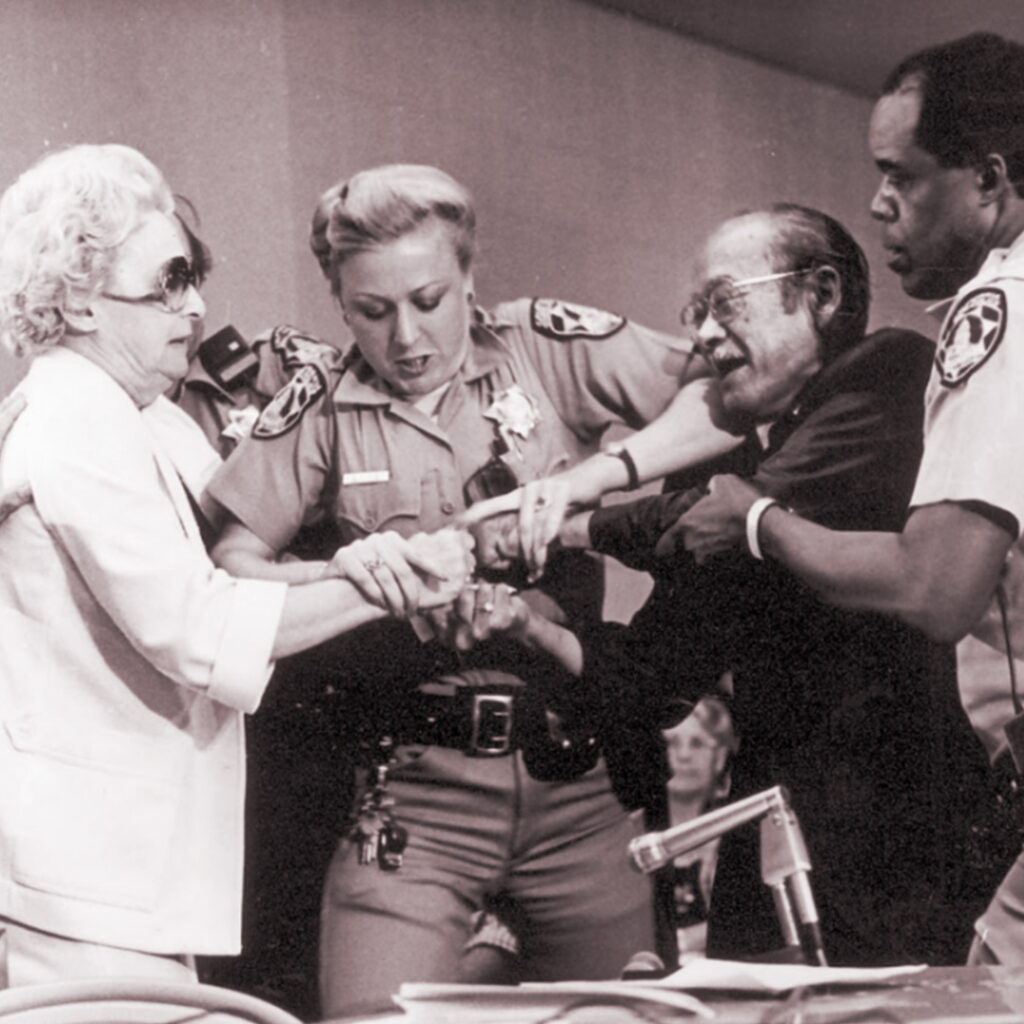
Getting heard wasn’t easy. There was fierce, organized opposition. Lillian Baker, founder of the group ironically named “Americans for Historical Accuracy,” gave a fiery testimony accusing Japanese Americans of being “shameless” for seeking redress. At one point, she physically lunged at Jim Kawaminami — a WWII veteran of the 442nd RCT — and tried to rip the written statement from his hands mid-testimony. But the crowd stayed calm. And Kawaminami received a standing ovation.
Lillian Baker called Japanese Americans “shameless” and defended their incarceration — while testifying before the very people who’d been locked up.
Lillian Baker tried to snatch Jim Kawaminami’s testimony at the LA hearings. Even in 1981, racism fought to silence Japanese Americans again.
Aiko Herzig-Yoshinaga (right), whose tireless research uncovered government misconduct, listening during the 1981 CWRIC Hearings in Washington, D.C.
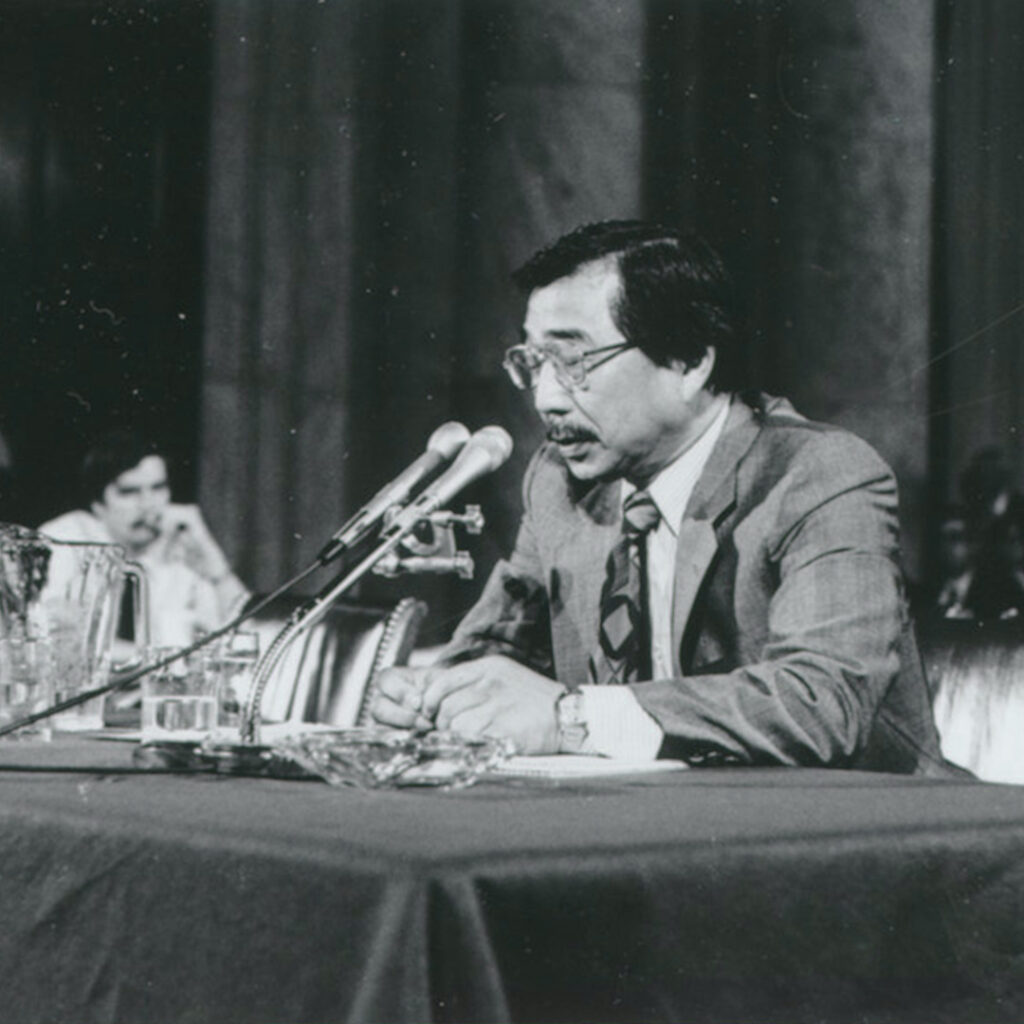
Gordon Hirabayashi, who defied the curfew order during WWII and later had his conviction overturned, testifies at the 1981 CWRIC Hearings in Washington, D.C.
Civil rights activist Yuri Kochiyama testifies at the 1981 CWRIC Hearings in Washington, D.C., sharing her incarceration experience and calling for redress.
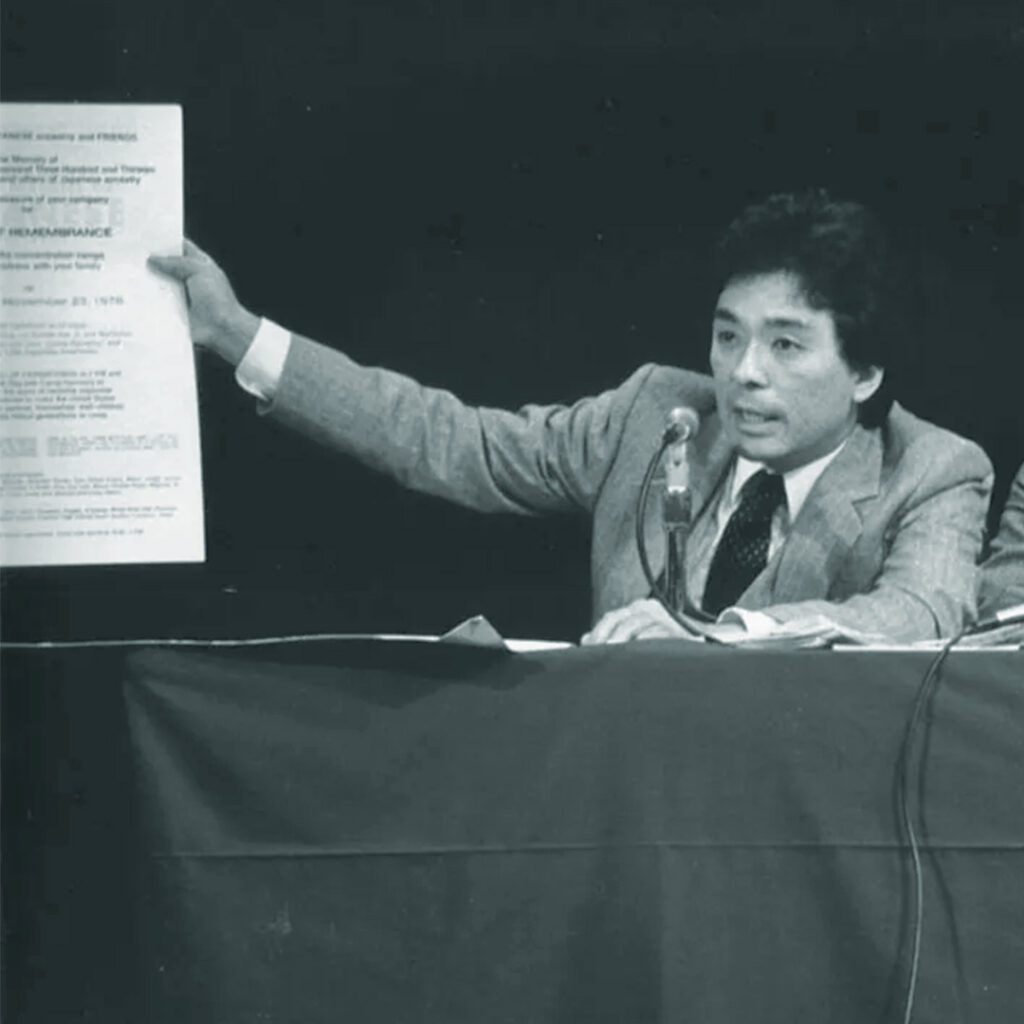
Frank Abe testifies at the Seattle CWRIC hearing, holding a poster from the first Day of Remembrance in 1978 — a grassroots event that helped spark the redress movement.
Among those who testified were Aiko Herzig-Yoshinaga, whose research helped expose government misconduct; Gordon Hirabayashi, who had challenged the curfew orders all the way to the Supreme Court; civil rights icon Yuri Kochiyama; and journalist Frank Abe, who had begun documenting the movement from within.
The hearings weren’t just a turning point for policy. They were a turning point for the Japanese American community. They broke the silence.
People found out, just because people were quiet didn’t mean they had nothing to say.