Before she broke barriers, the camp broke her life.
September 13, 1916: Mabel Ōta was born in California. She would go on to become the first female Asian American principal in California.
Mabel lived through one of the most devastating chapters in American history.
During World War II, she was sent to the Poston concentration camp in Arizona along with her husband Fred. Poston, located on the Colorado River Indian Tribes Reservation, was one of the most desolate incarceration centers in the country. The camp had only one obstetrician and limited medical equipment. And it was there, after 28 hours of labor, that Mabel gave birth to her daughter, Madeline.
Madeline suffered permanent brain damage and developmental delays. The camp doctor had used forceps to pull the baby out. Mabel remembered seeing a scab on the back of Madeline’s head when she was born — a wound that later became a permanent bald spot. She always believed this injury was the cause. Madeline was never able to live a normal life, and the family continually had to pay for her care.
Poston, Arizona, April 4, 1942. Nested deep within the Colorado River Indian Tribe Reservation, it was so remote that authorities considered guard towers unnecessary.
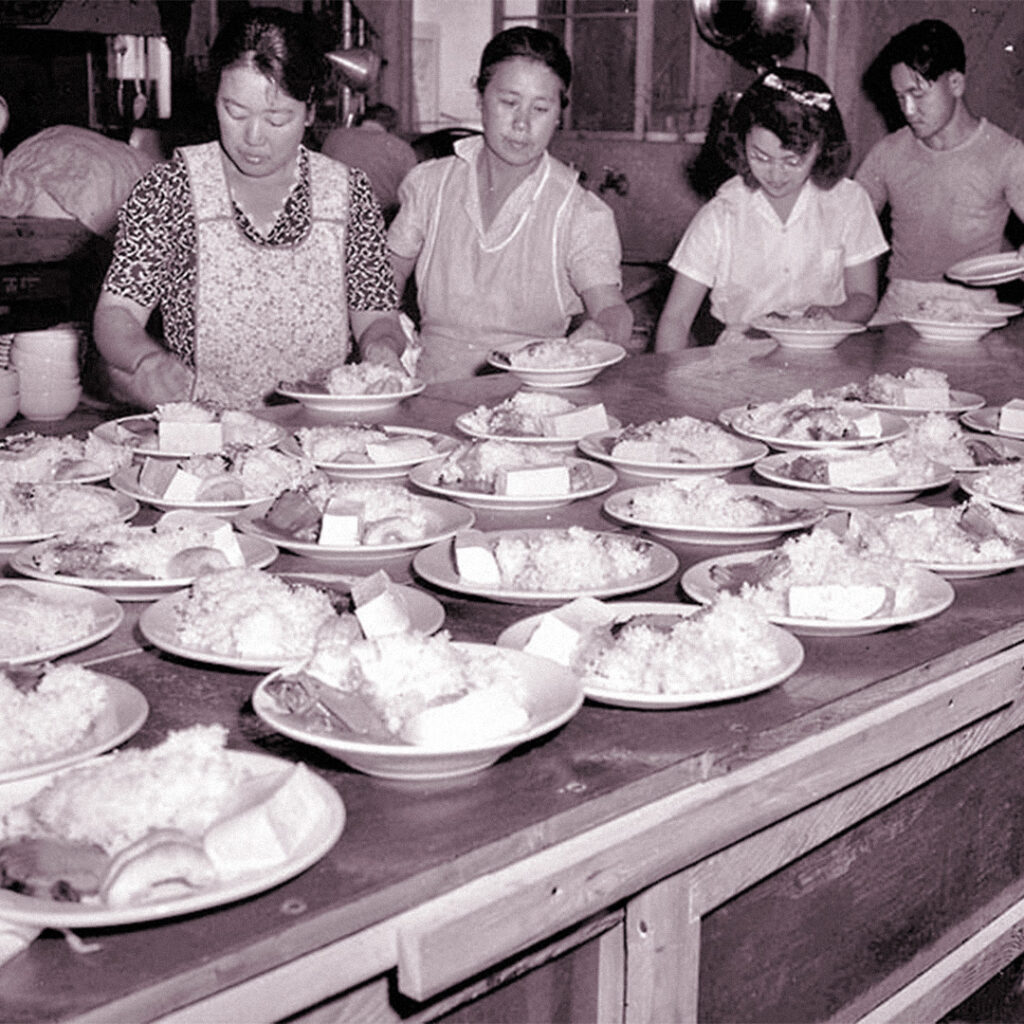
At Poston, meals were heavy on starch — mainly bread, potatoes, spaghetti, and macaroni. It was a death sentence for Mabel Ota’s diabetic father who lived on vegetables.
Less than a year later, Mabel’s father, Suezō Kawashima, fell ill at Poston. The doctors diagnosed him with “melancholia” and transferred him to a mental facility in Phoenix, where he was subjected to electroshock therapy for five and a half weeks. The treatment had to be paid out of pocket. But it was a misdiagnosis. The truth was that Suezō had diabetes. He died there, after falling into diabetic shock.
Before the war, Suezō had lived a vibrant, healthy life. He grew his own vegetables and worked six days a week running his own grocery store. He took pride in eating well and staying active. But when the war broke out, his family was forced to sell the store for next to nothing. Incarcerated at Poston, he was fed a diet of mostly starches — the only thing available in the mess halls. It was this diet that rapidly deteriorated his health. The camp doctor only conducted urinalysis tests, which could not detect his rising blood sugar levels. A simple blood test might have saved him.
Poston left a deep scar on Mabel’s life. But even while dealing with immense personal trauma, she did not give up.
After the war, she rebuilt. She poured her energy into education, community leadership, and advocacy. She eventually became the first female Asian American principal in California, paving the way for generations of educators who followed.
Mabel Ōta’s story is one of resilience — but it is also a reminder of what was taken. Behind her historic achievements was a life nearly broken by incarceration. Her daughter never had a chance to live a normal life. Her father never came home.
And yet, she still chose to lead.
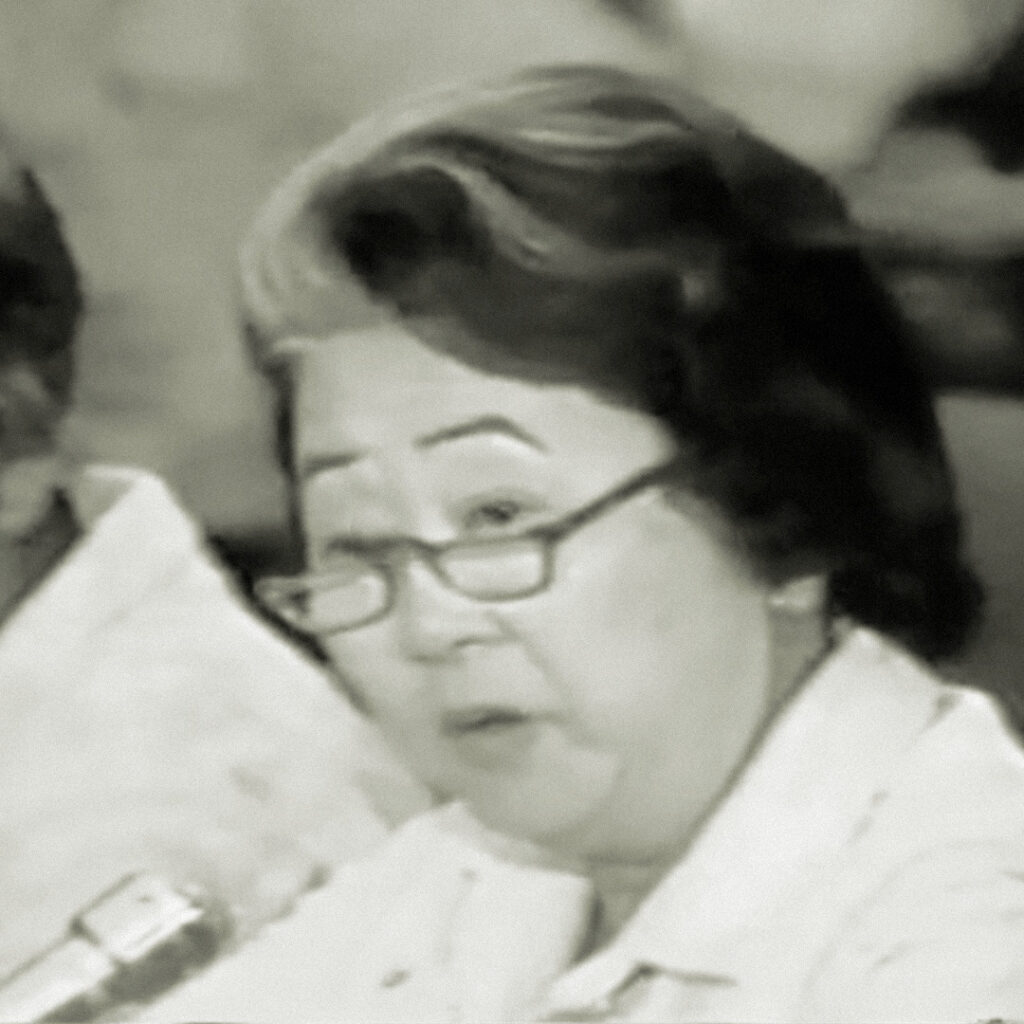
Mabel Ōta testifying before the Commission on Wartime Relocation and Internment of Civilians (CWRIC), sharing the personal toll incarceration took on her family.