She dared to put women and children first in a man’s world.
December 4, 1867: Yeiko Mizobe So, a defining figure in the fight against domestic violence in the Japanese American community, was born in Fukuoka, Japan.
Yeiko Mizobe was born into privilege: a samurai household where she and her siblings received private tutoring in literature, etiquette, and cultural arts.
In 1888, she married Isojiro So. But only six months later, he was gone. His sudden death pushed her into a life few Meiji-era women ever lived — one without a husband, without children, and without the expected path before her.
During this time of uncertainty, she met American missionaries Orramel and Ann Gulick and made the radical decision to convert to Christianity. She sold her belongings and enrolled at Kobe Women’s Seminary in 1891, joining a generation of Japanese women being trained in Western language, faith, and social ideals.
Yeiko stood out not only for her discipline, but for her belief that spiritual calling required practical service.
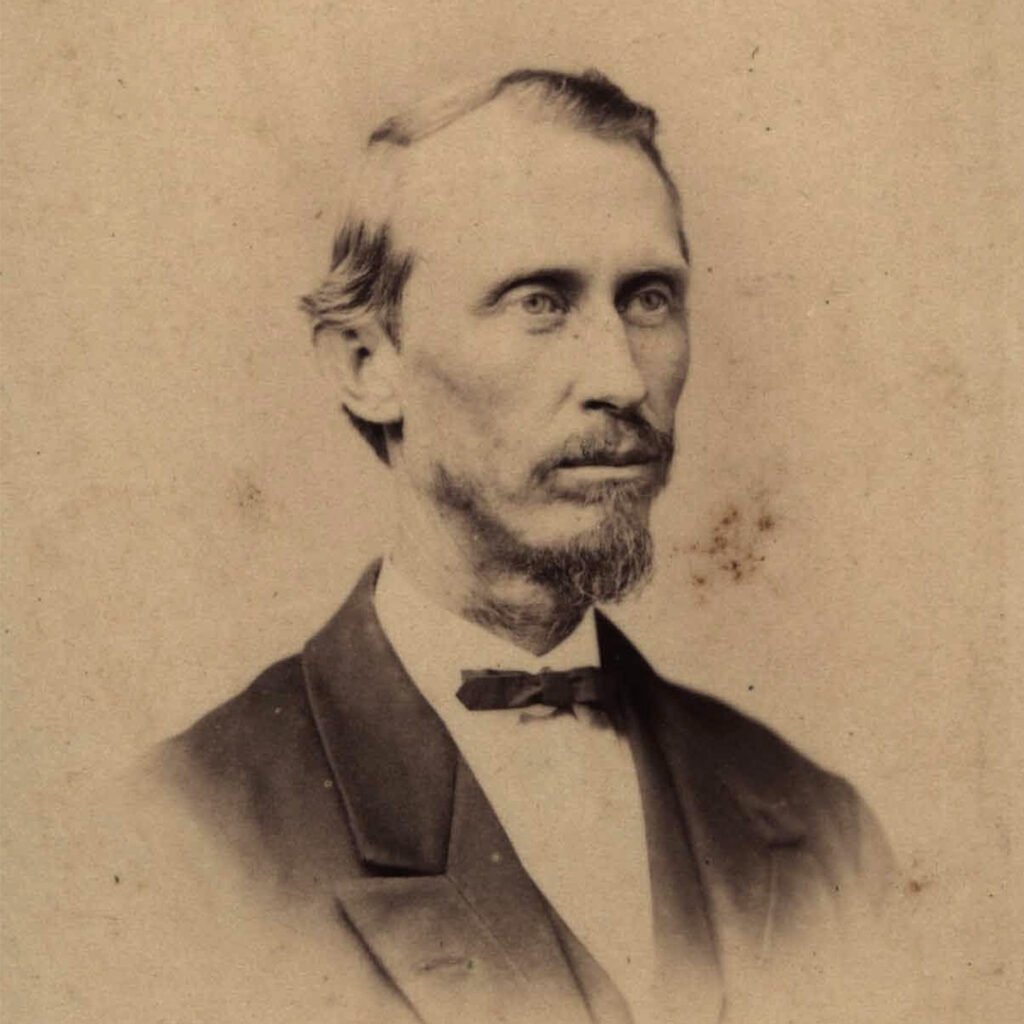
Orramel Hinckley Gulick, husband of Ann Eliza Clark Gulick and the missionary who helped arrange Yeiko Mizobe So’s move from Japan to Hawaiʻi in 1895.
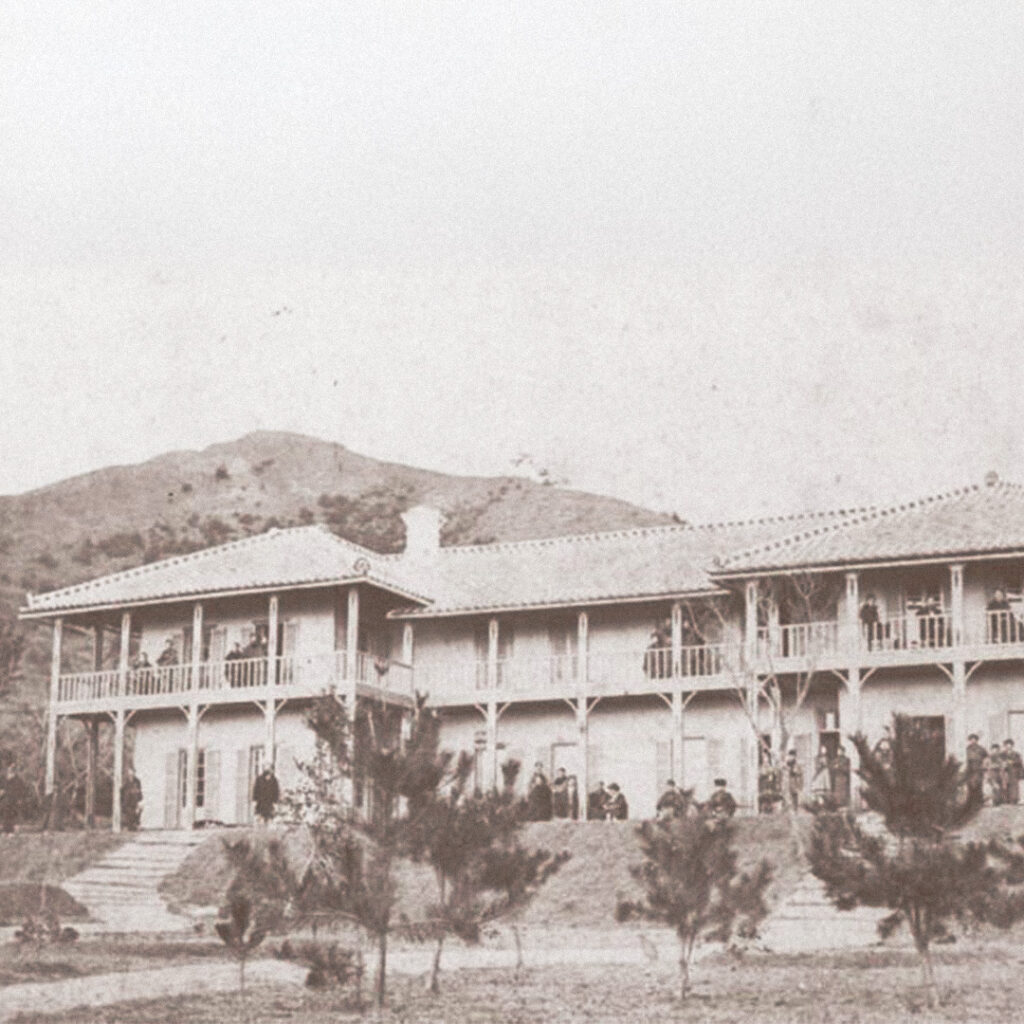
Kobe Women’s Seminary (Kobe Girls’ School), the place where Yeiko Mizobe So studied preparing her for the mission work that would eventually lead her to Hawaiʻi.
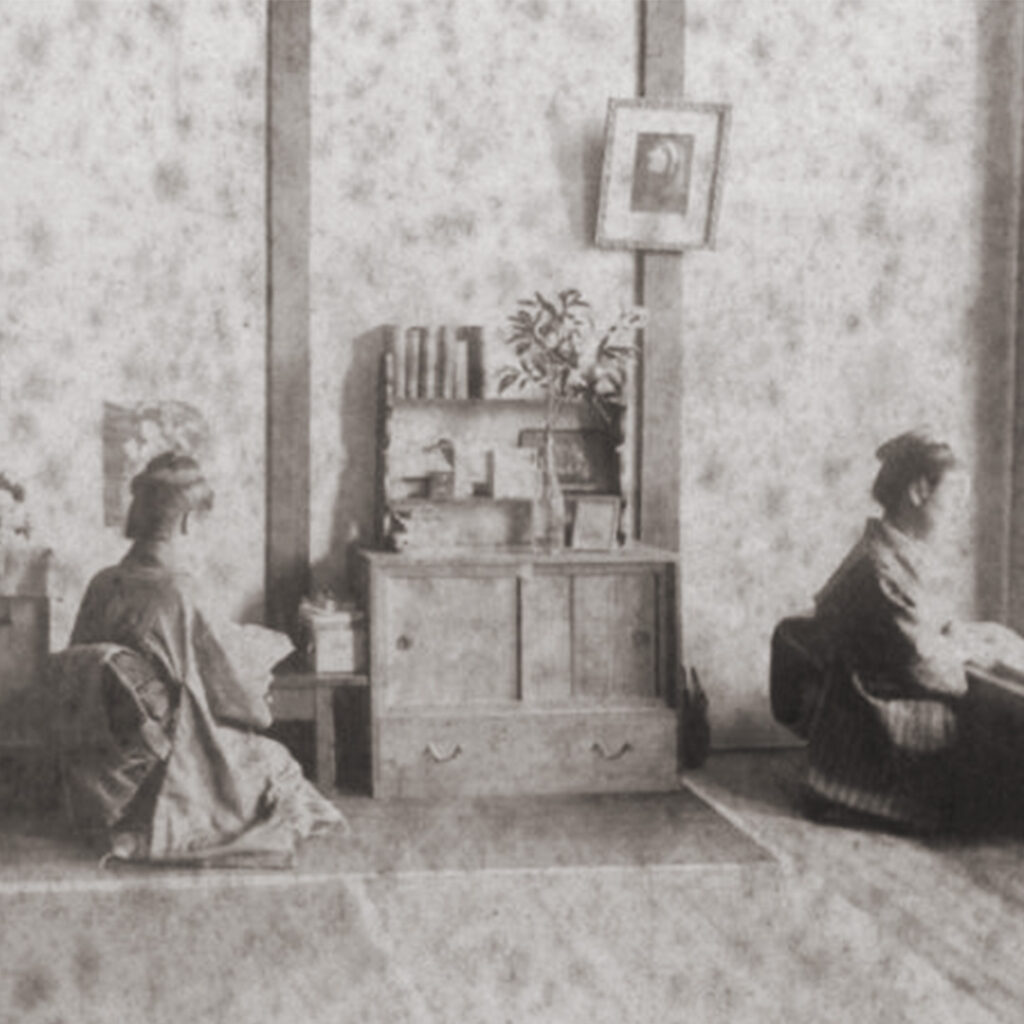
Inside the boarding dormitory at Kobe Women’s Seminary, the environment where Yeiko Mizobe So studied, prayed, and prepared for the mission work that would define her life.
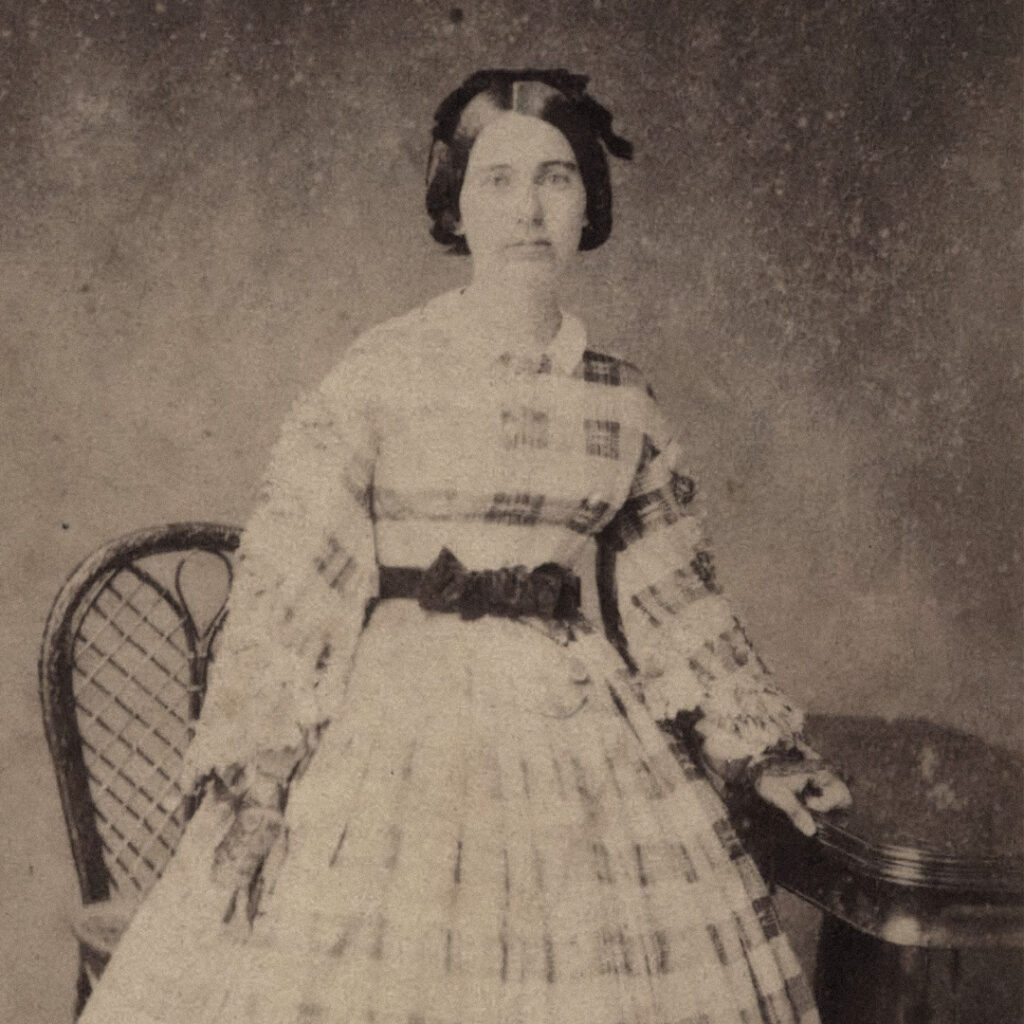
Ann Eliza Clark Gulick, the missionary who encouraged Yeiko Mizobe So’s spiritual training and later supported her work with immigrant women in Hawaiʻi.
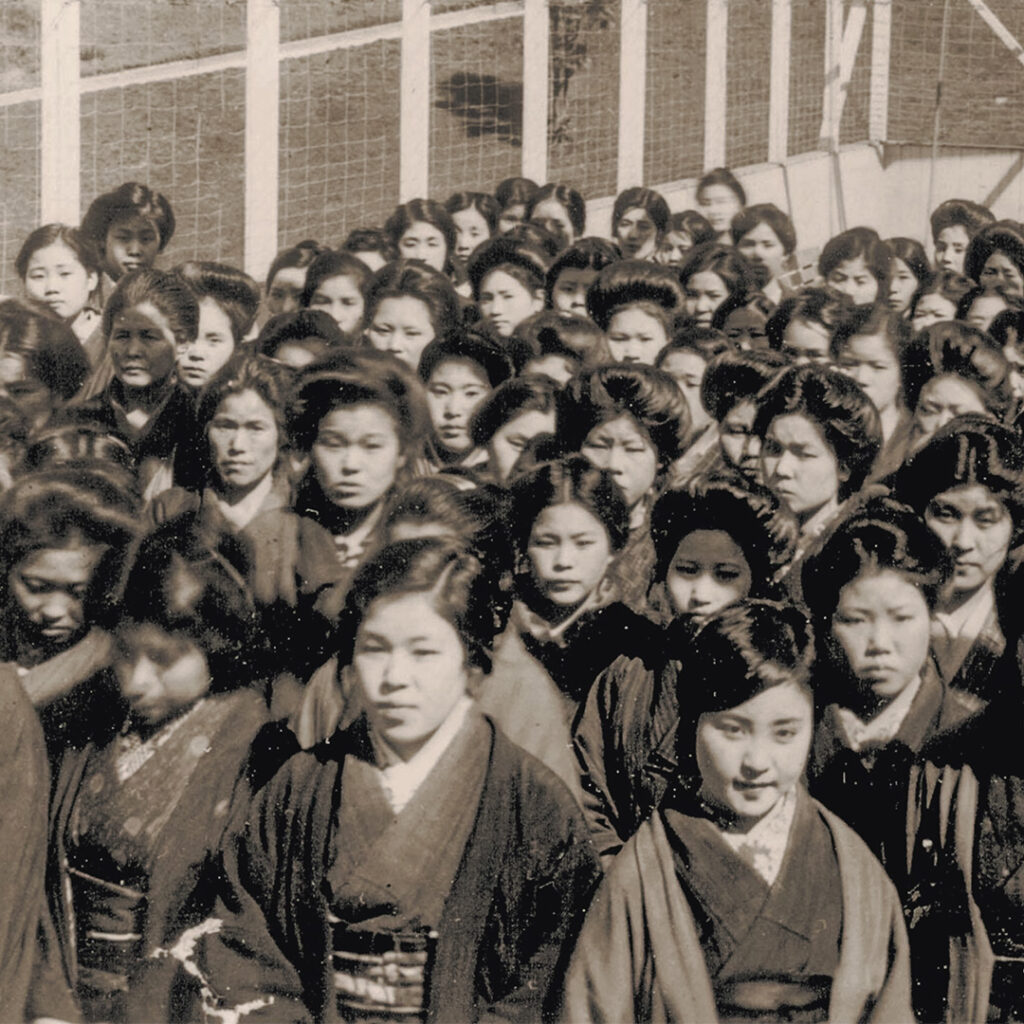
Japanese picture brides, early 1900s. Many of these women arrived in Hawaiʻi and the mainland with little English, few rights, and no support.
Not Always A Pretty Picture
She graduated in 1893 as a qualified evangelist. Two years later, at the Gulicks’ request, she traveled to Hawaiʻi to assist Japanese immigrant women. She was 27 when she arrived on Oʻahu on May 20, 1895.
She had no idea how urgently she would be needed.
Picture brides — young Japanese women who married men they had never met — were trapped in abusive marriages on isolated sugar plantations.
Most spoke little English, had no financial independence, and lived far from any legal or social support. When violence erupted, they had nowhere to go and no one willing to intervene.
Yeiko understood immediately that the community’s silence was not modesty. It was survival. And she refused to accept it.
Helping Them Help Themselves
The same year she arrived, Yeiko established the Japanese Women’s Home for Abused Picture Brides on Alapai Street in Honolulu, funded with support from the Japanese Christian Church (now Nuʻuanu-Congregational-Church). It was the first shelter of its kind in the Japanese immigrant community.
But she did not treat the women as helpless victims. She put them to work.
Cooking, cleaning, gardening, nursery duties, cultural performances, English lessons, homemaking, job training — the home became a place where women could steady themselves, rebuild confidence, and imagine a future of their own making.
By 1905, just ten years after her arrival, more than 700 women had lived under her protection.
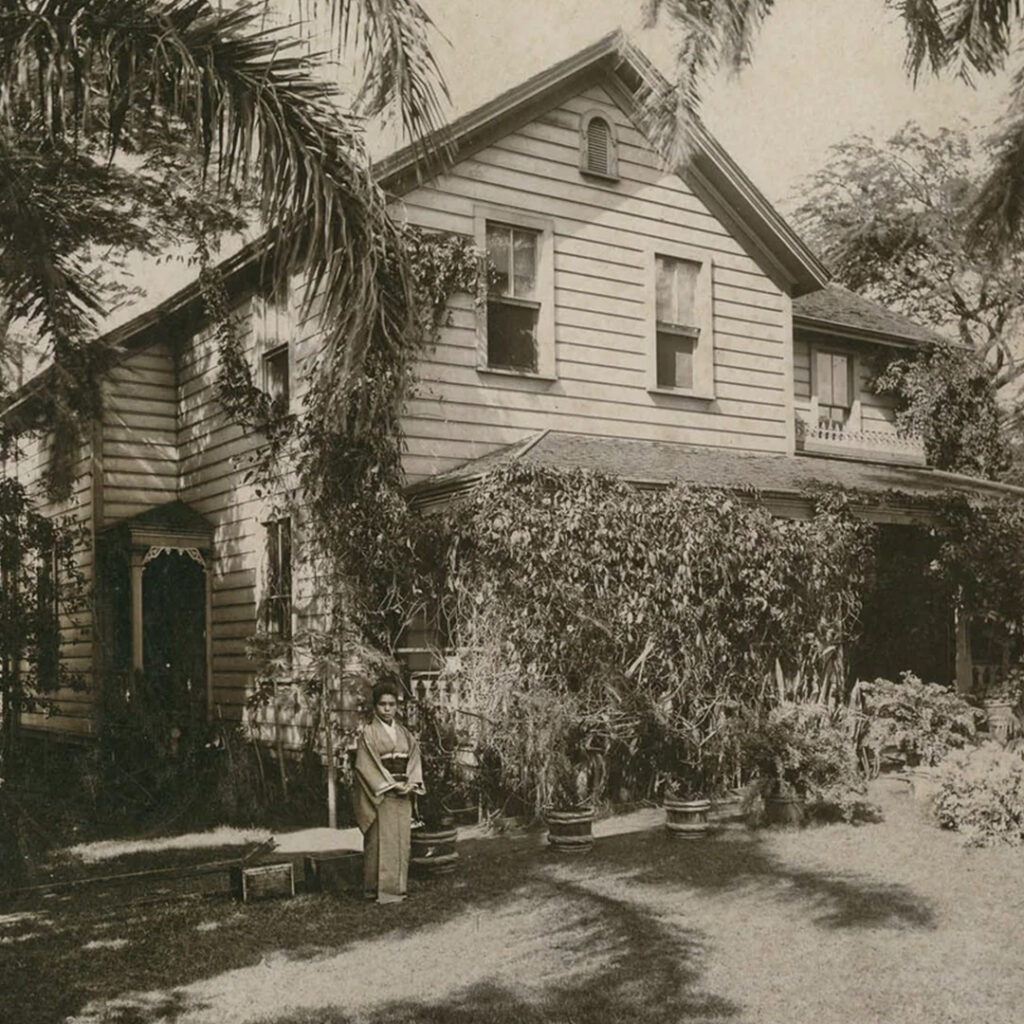
Yeiko Mizobe So in front of the Japanese Women's Home. For a decade, this two-story house sheltered more than 700 picture brides escaping violence on remote plantations.
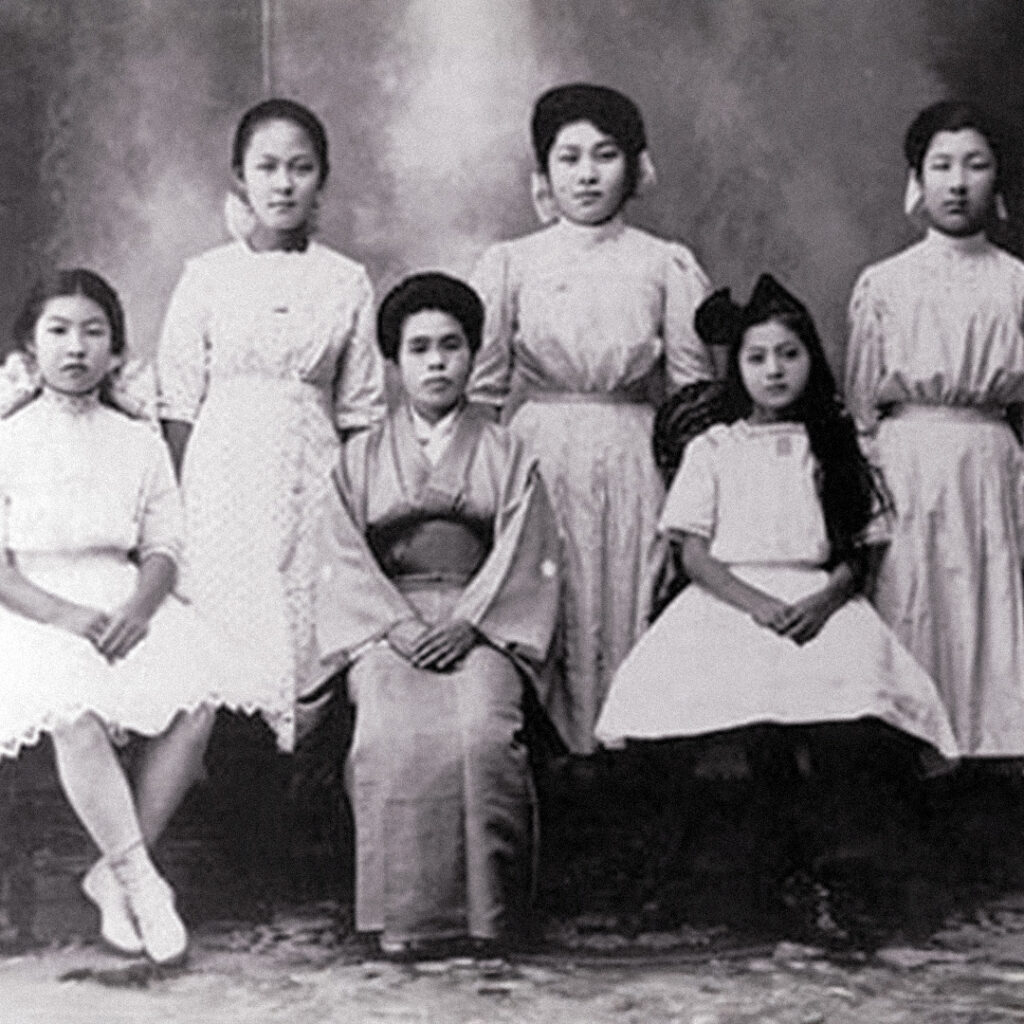
Yeiko Mizobe So (seated center) with some of the women and girls who lived at the Japanese Women’s Home for Abused Picture Brides
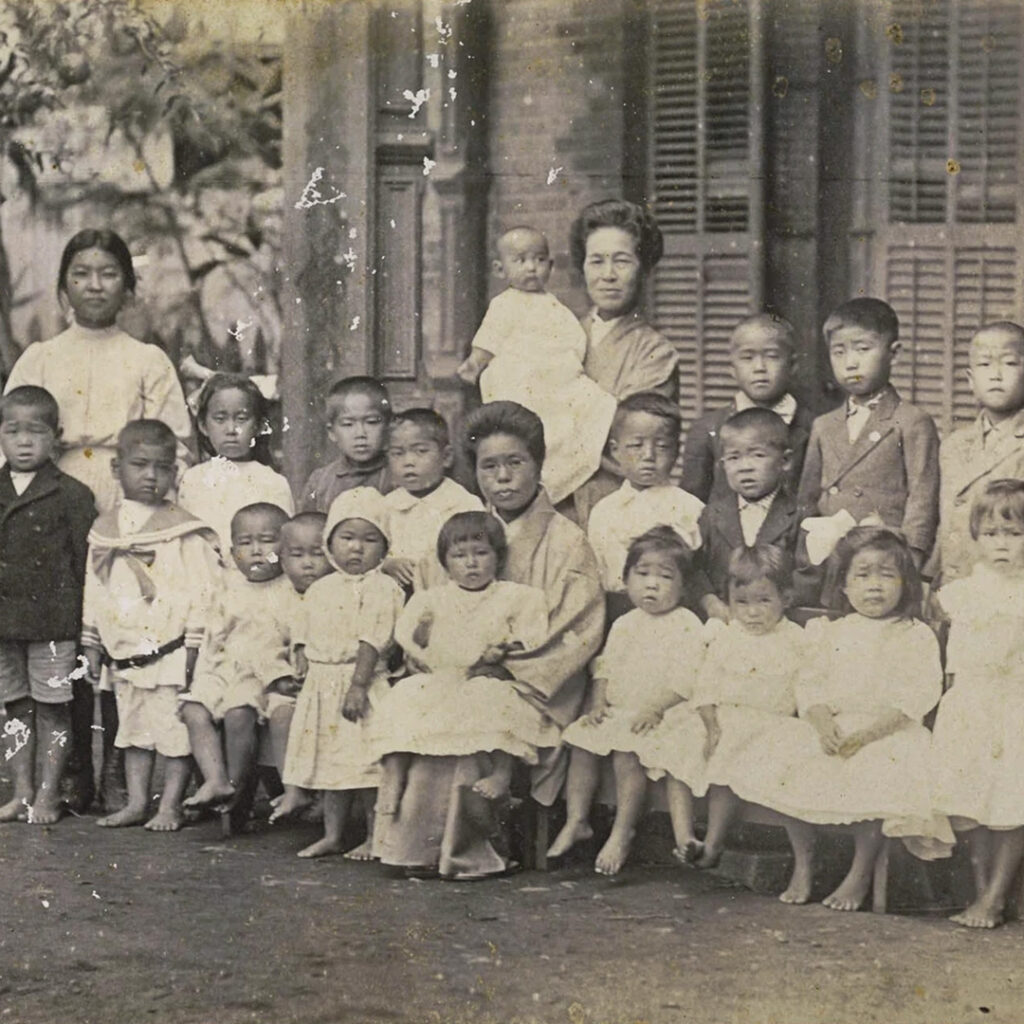
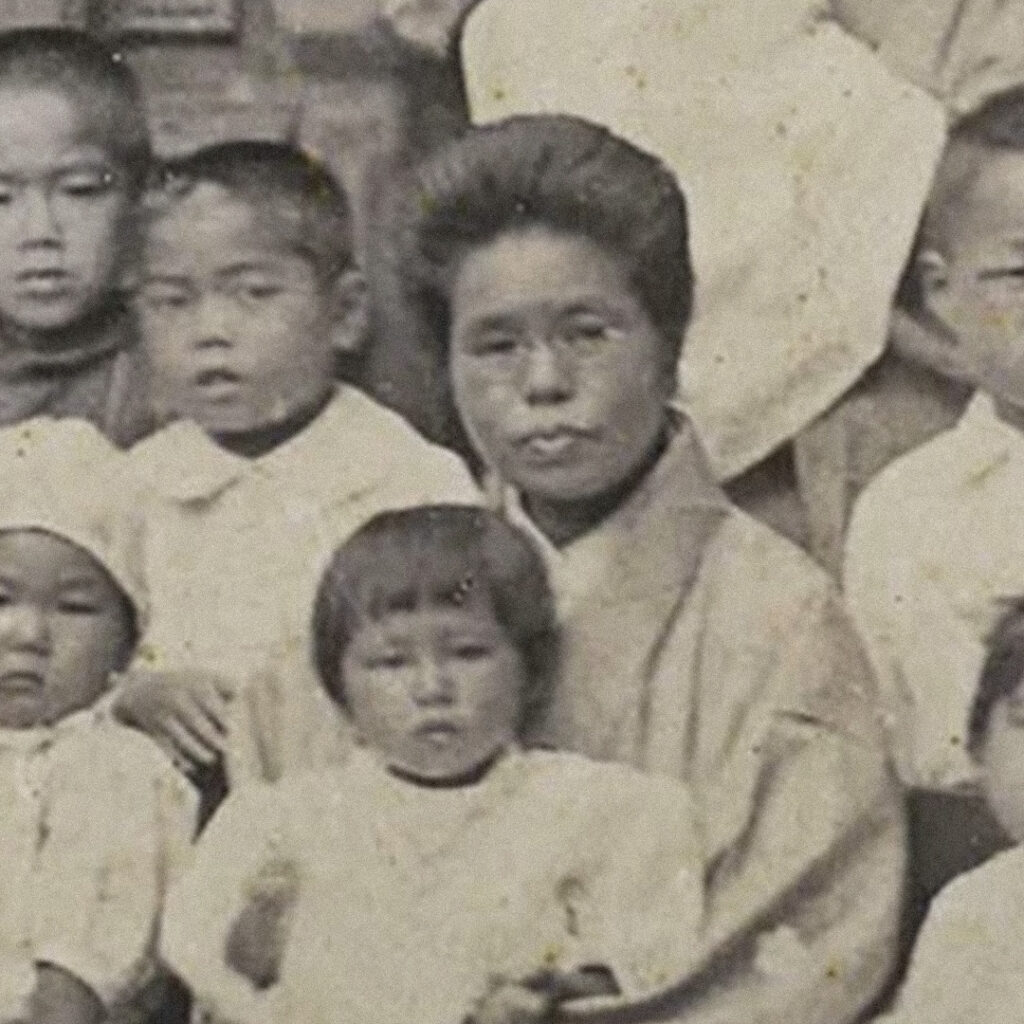
Yeiko Mizobe So (seated center, with a child on her lap) and the children of the Home for Neglected Children, founded in 1905 after her work with picture brides.
The Fight Continued
Her work sparked anger as much as gratitude. Husbands stormed the gates demanding their wives back. Some threatened violence. Others tried to intimidate her staff. Male community leaders accused Yeiko of encouraging disobedience and to rising divorce rates.
But she did not waver. Her loyalty was to the women standing in front of her — frightened, alone, and with no other place to go.
When the immigration center later assumed responsibility for picture brides, Yeiko shifted her focus to other vulnerable victims of plantation life: children. She founded the Home for Neglected Children, which under her leadership cared for 421 children from both rural plantations and urban Honolulu.
One of those children was a girl named Esther. Yeiko adopted her and raised her as a single parent as another quiet act of defiance against her era’s expectations.
A Legacy That Redefines the Issei Story
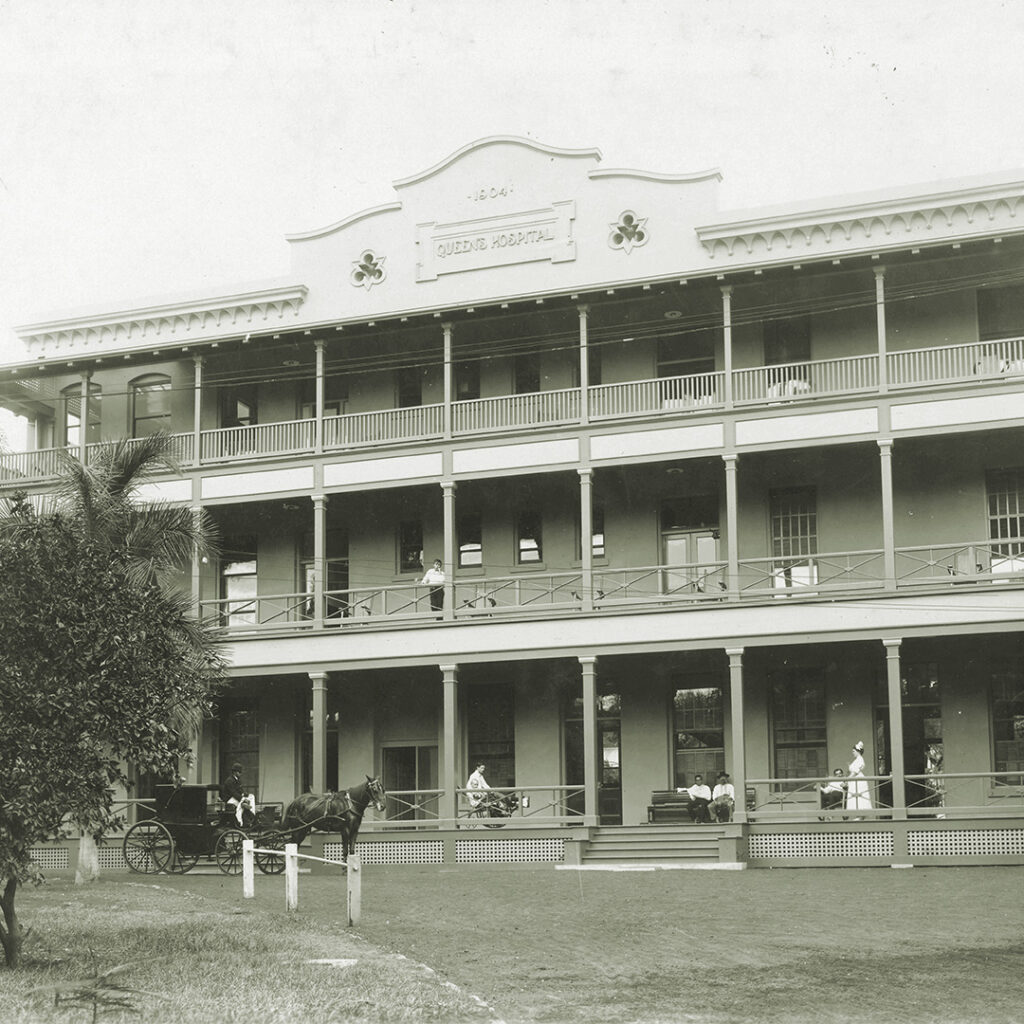
Yeiko retired in 1931 after nearly forty years of work. She died the following year at Queen’s Hospital, leaving behind a legacy far larger than the institutions she built.
She upended the stereotype of Issei women as silent and passive. She challenged men when it was dangerous to do so. She protected women and children when no one else stepped forward. And she became one of the earliest leaders of the anti-violence movement in the Japanese American community.
Yeiko Mizobe So placed the dignity, safety, and future of women and children at the center of her life’s work — decades before society believed they deserved it.
She was far ahead of her time.
Queen’s Hospital in Honolulu, photographed in 1905. After nearly forty years of service to women and children across Hawaiʻi, Yeiko Mizobe So spent her final days here.
Yeiko Mizobe So came from a culture that expected women to stay quiet. Instead, she stood up to men, protected the vulnerable, and lived her own terms.