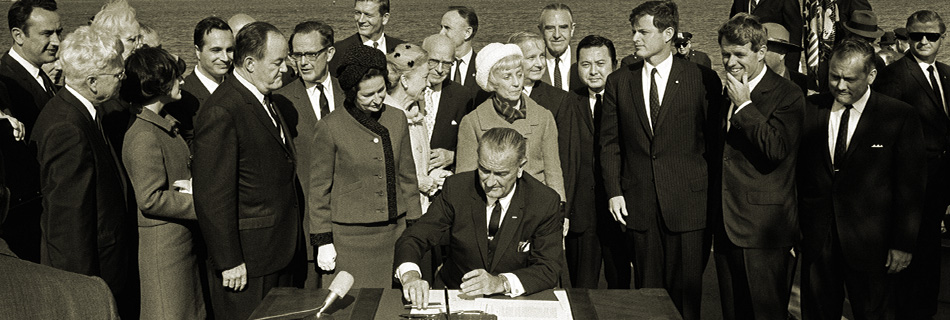
Hart-Celler Act
On October 3, 1965, President Johnson signed the Hart-Celler Act, ending race-based immigration quotas. He called it not revolutionary. It reshaped America.
On October 3, 1965, President Johnson signed the Hart-Celler Act, ending race-based immigration quotas. He called it not revolutionary. It reshaped America.
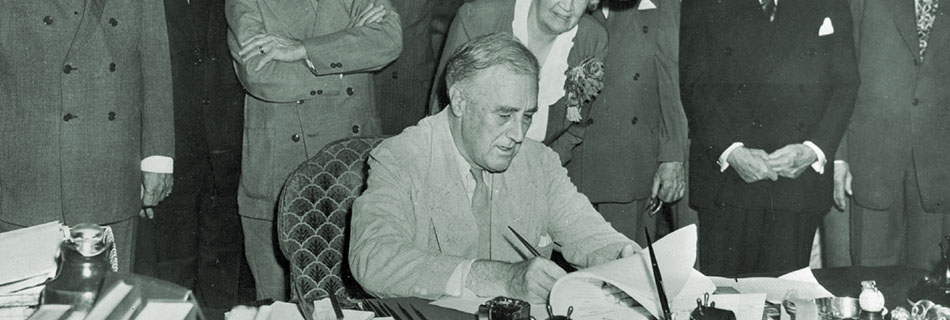
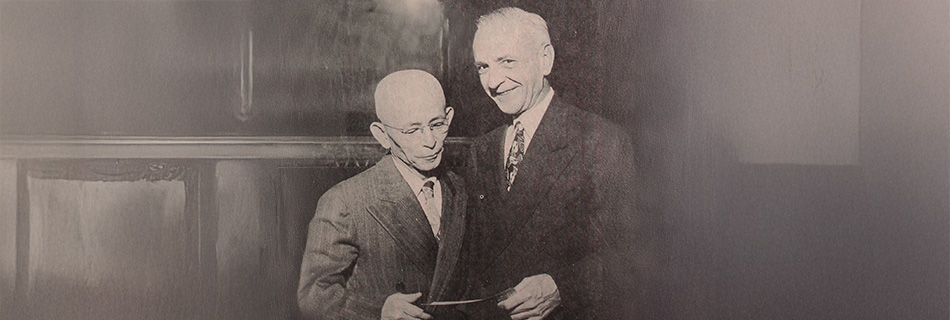
They were welcome to file a claim. Compensation was another matter. Although the Evacuation Claims Act offered reimbursement for wartime property losses, many Japanese Americans recovered only a small fraction of what they had lost.
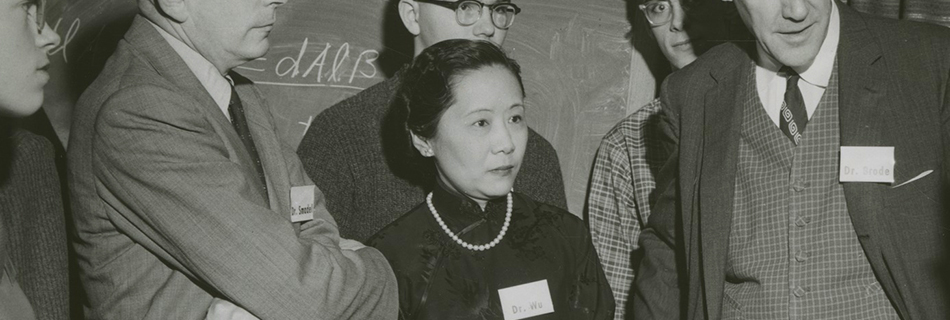
By the time Chien-Shiung Wu died in 1997, she had helped build the atomic bomb, become one of the world’s foremost experimental physicists, and overturned one of the most important laws in modern physics. Yet she never received a Nobel Prize. Many scientists have spent decades asking why.
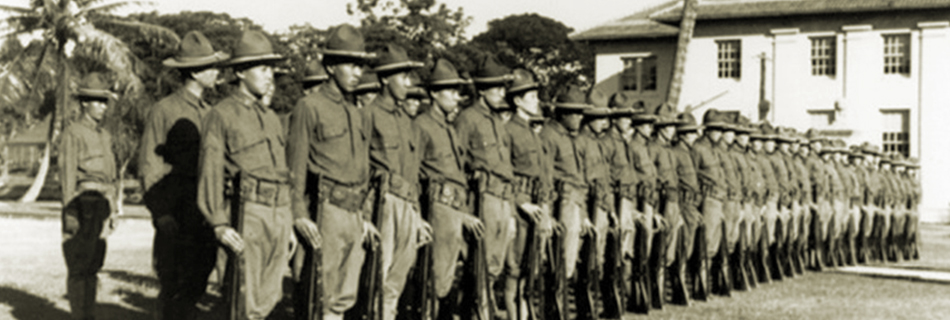
For Japanese immigrants and Japanese Americans, the Selective Service Act of 1917 exposed a contradiction that would continue for decades: America was willing to accept their military service long before it was willing to fully accept them as Americans.
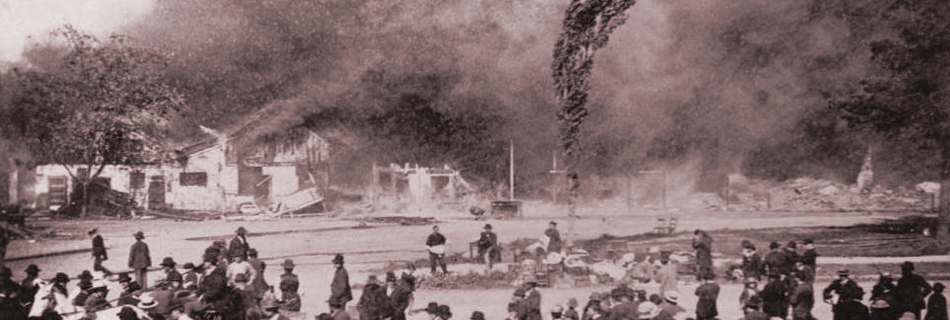
On May 4, 1887, San Jose’s Chinatown was destroyed in an arson fire, just weeks after city officials voted to remove it. The attack displaced nearly 1,400 Chinese residents and erased one of the largest Chinatowns in California.
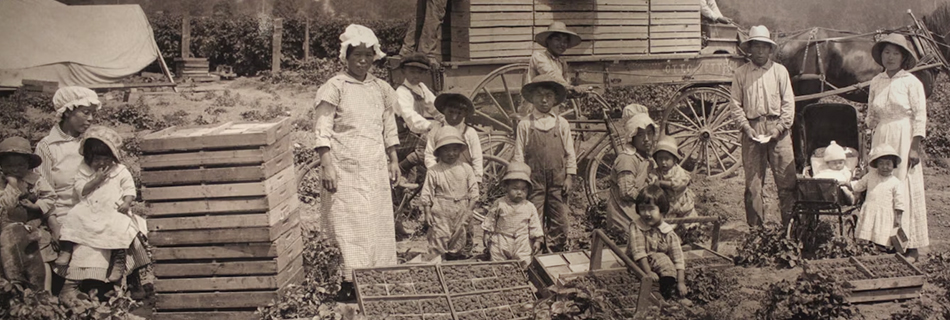
California’s 1913 Alien Land Law never mentioned Japanese immigrants, but it didn’t have to. By barring “aliens ineligible for citizenship” from owning land, it effectively targeted Japanese farmers across the state.

The California Supreme Court struck down the Alien Land Law in Fujii v. California (1952), nearly 40 years after the state first barred Japanese immigrants from owning land through laws rooted in race.
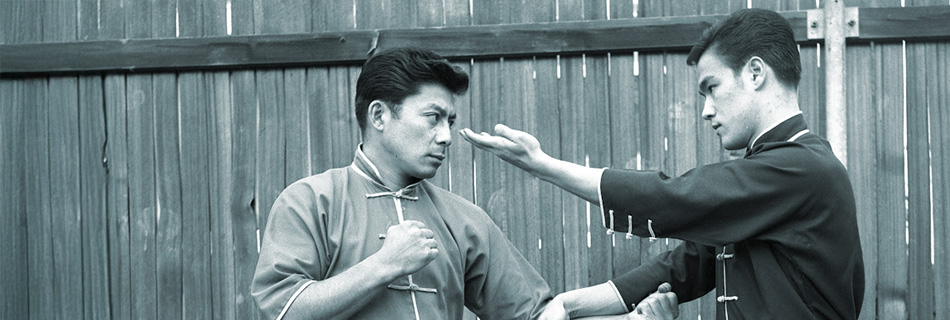
Bruce Lee changed martial arts forever. His films, philosophy, and revolutionary approach to combat made him one of the most influential figures of the 20th century. But one of the most important people in Lee’s life never chased the spotlight. Taky Kimura chose to teach.