Love makes people do crazy things. Sometimes, three sisters at once.
October 17, 1943: Three Japanese American women, dubbed the “Shitara Sisters,” helped two German POWs, Heinrich Haider and Hermann Loescher, attempt an escape from their prison camp in Colorado.
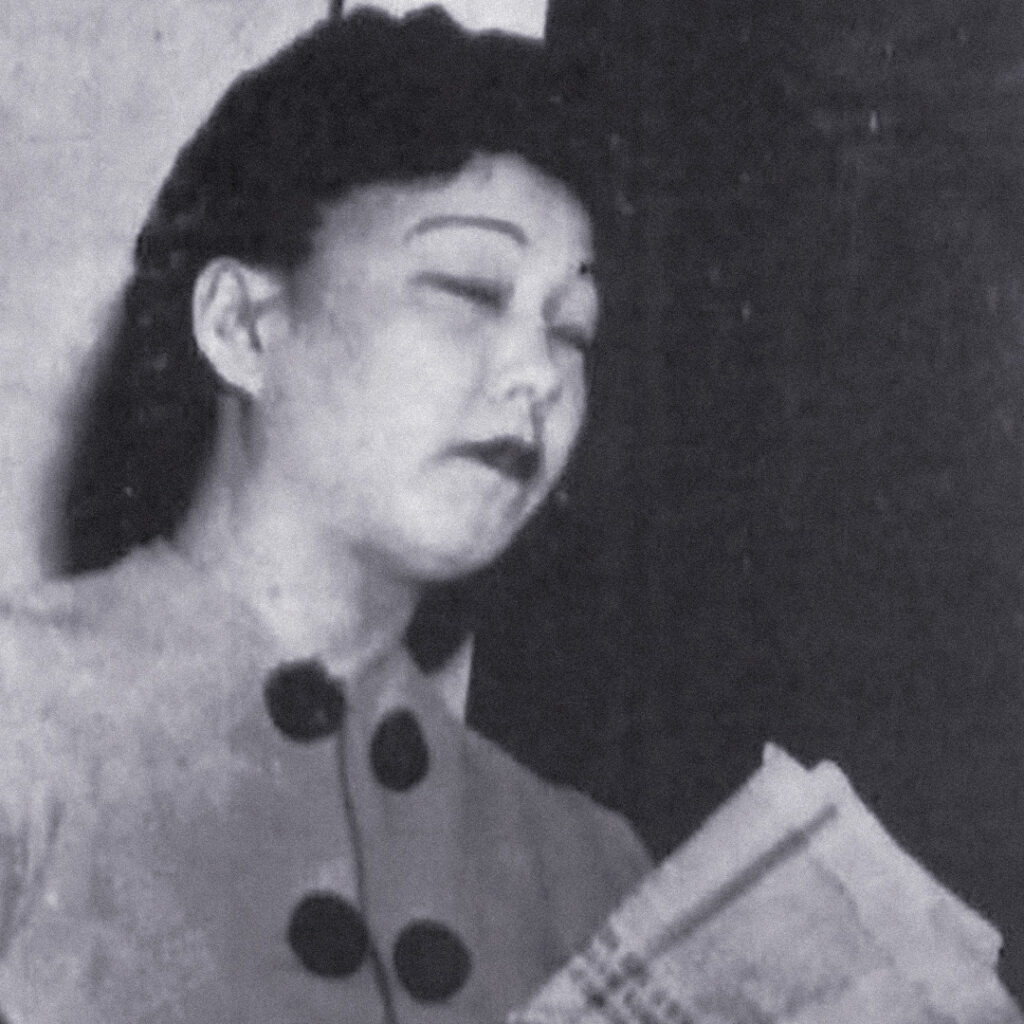
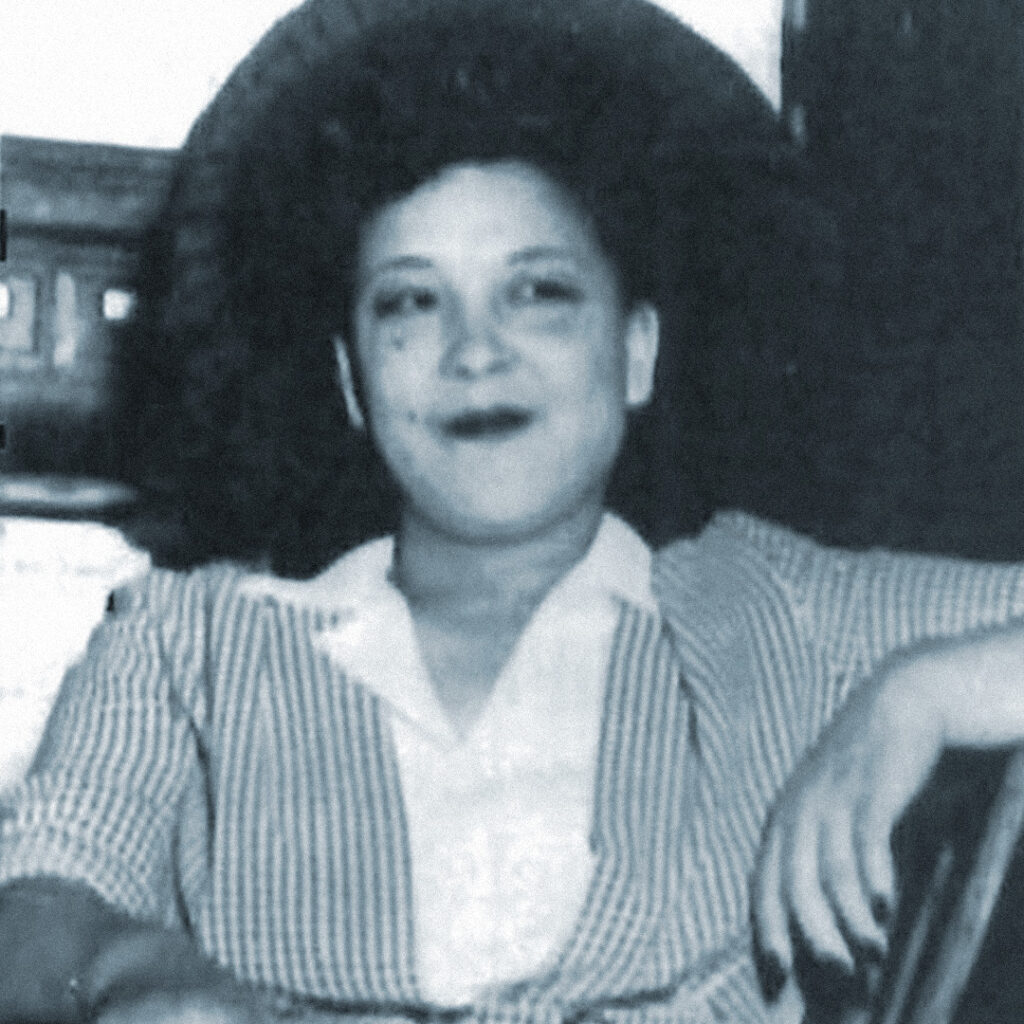
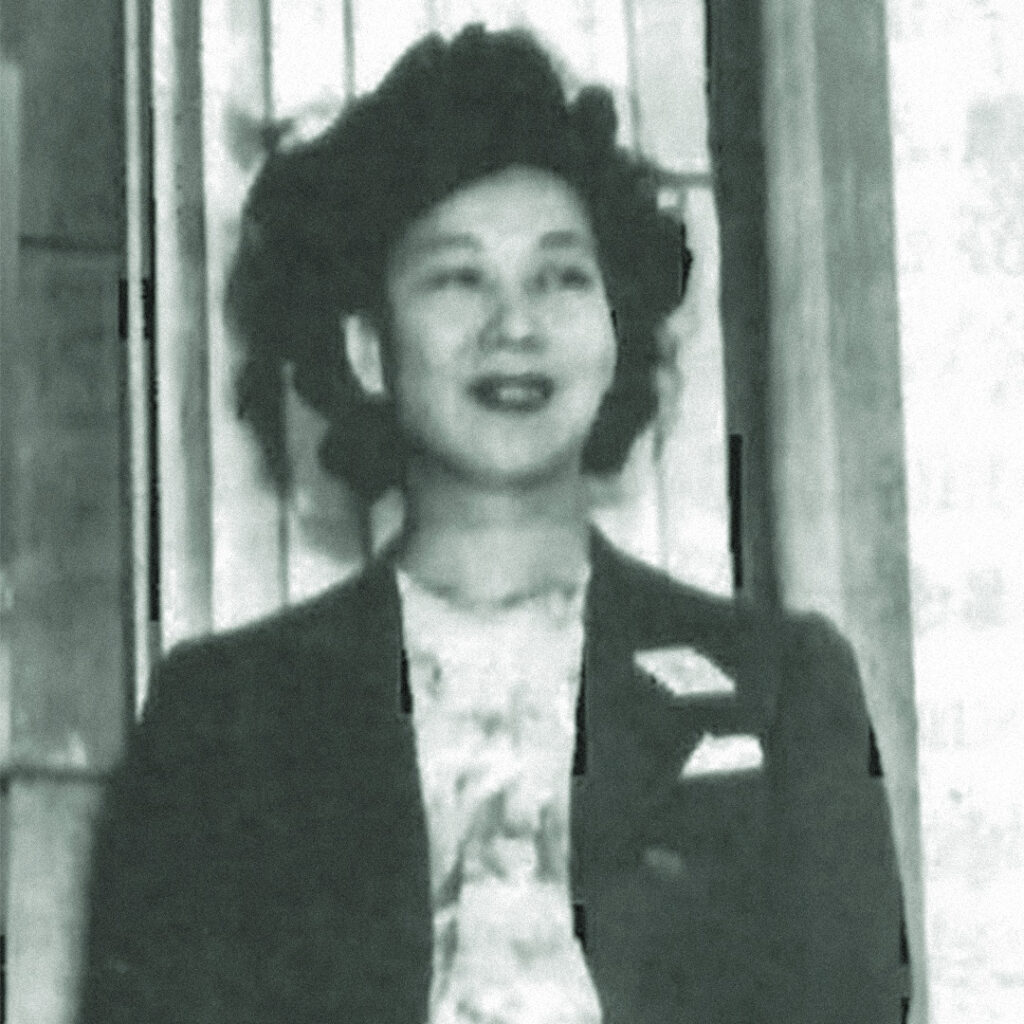
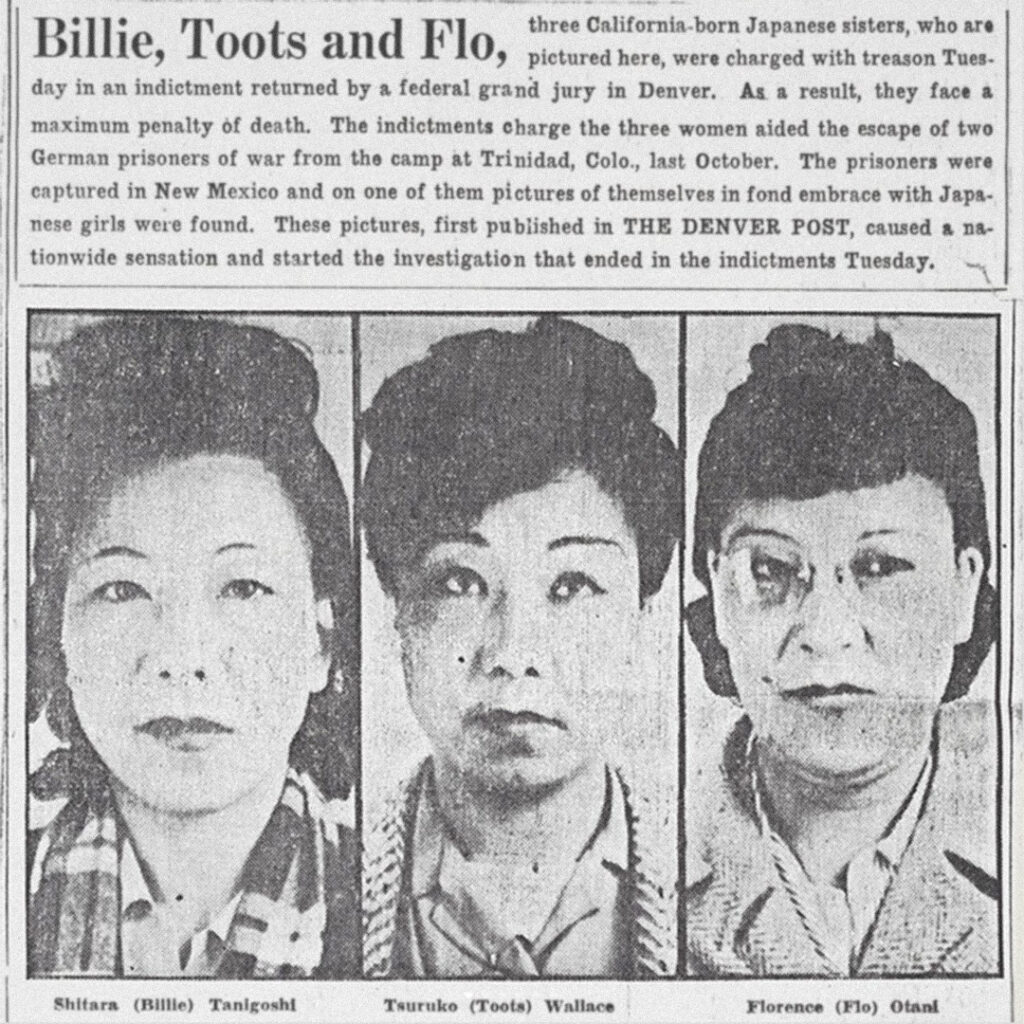
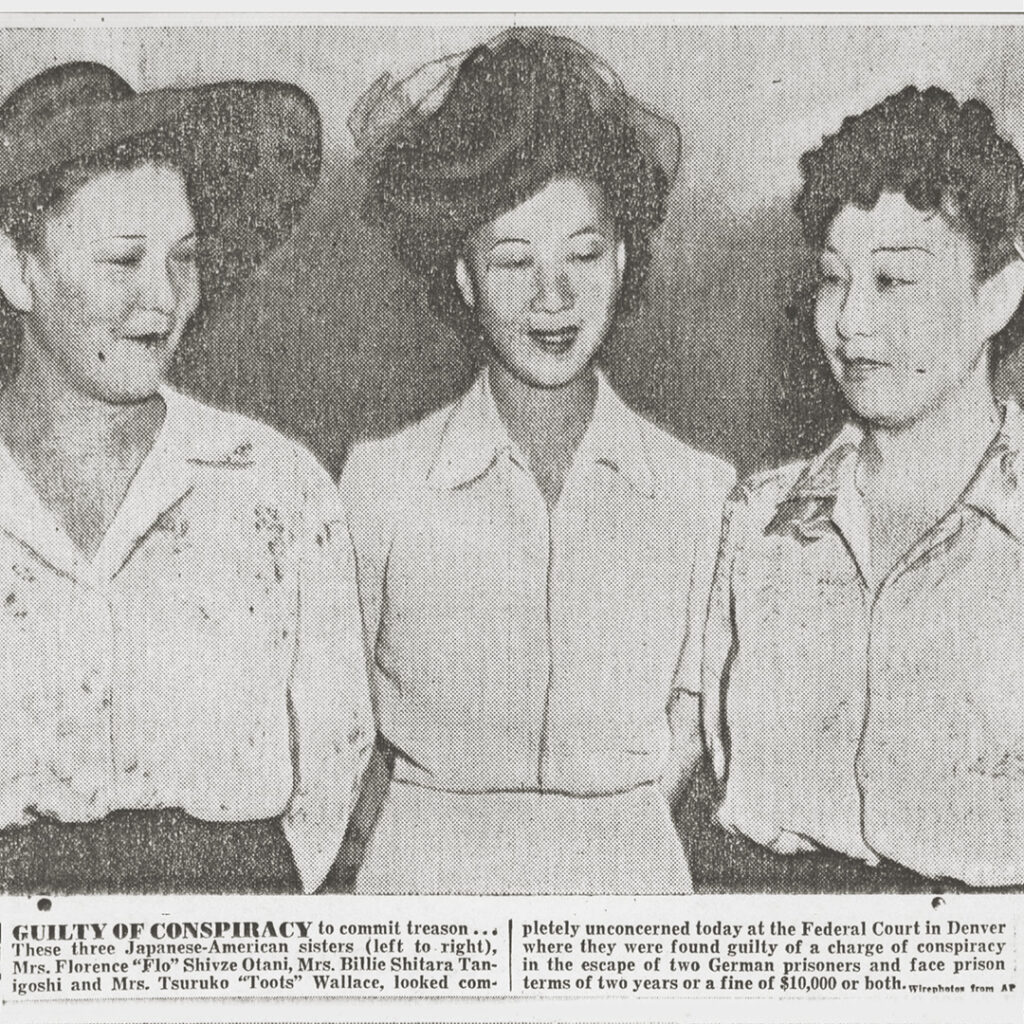
They were daughters of Hyosaku and Tomo Shitara. Their names were Tsuruko “Toots” Wallace, Shizue “Flo” Otani, and Misao “Billie” Tanigoshi.
The Shitara sisters didn’t fit the mold of the “loyal” Japanese Americans often held up in wartime narratives. They drank. They swore. At the time of Pearl Harbor attack, they were waitresses and cannery workers from Terminal Island, Los Angeles who consorted with what the press called “bad people.”
Their family had lived in Inglewood, California, isolated from other Japanese Americans. Toots married a white man. Billie married someone of mixed Japanese and white heritage. One sister married a Black Army lieutenant. Another married a Korean American. In a time defined by strict social lines, the Shitara sisters were different.
But like tens of thousands of others, they were incarcerated — first at the Santa Anita Assembly Center, and later at Amache, the concentration camp in southeastern Colorado.
Tsuruko “Toots” Wallace was a waitress at Mio’s Café on Terminal Island before the war. She had already broken barriers by marrying a white man before the incident.
Flo Otani worked at a Terminal Island cannery before the war. She wasn’t one to follow rules. You might even say she went with the “Flo.”
Billie Tanigoshi also worked at the Terminal Island cannery before the war. Two of the photos later found were of her with another German POW, one who didn’t try to escape.
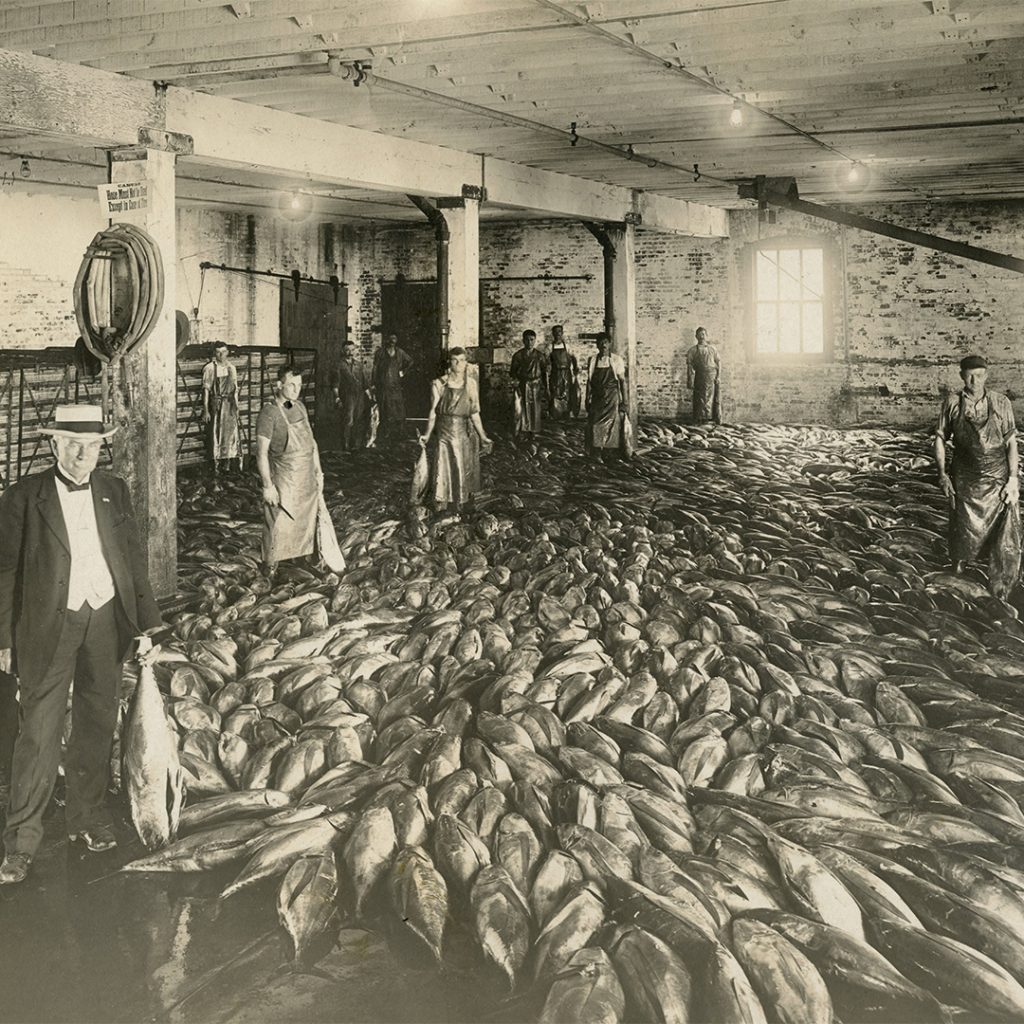
A thriving tuna cannery on Terminal Island. Two of the three notorious Shitara Sisters also worked here before they were incarcerated.
Incarcerees at Santa Anita Assembly Center watching a train leaving the facility, Arcadia, California, credit Library of Congress
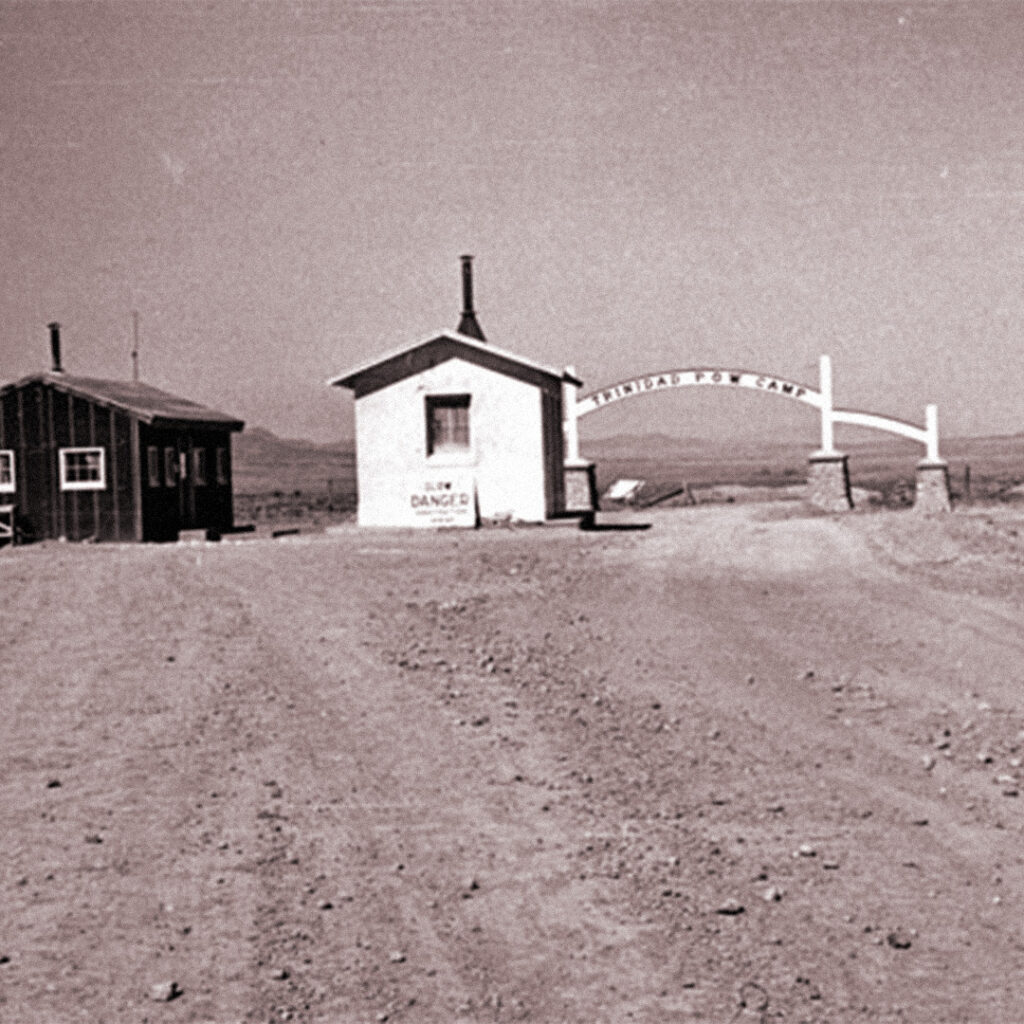
Front gate to Trinidad POW Camp, Colorado, 1944. Most people don’t even realize there was a WWII POW camp in Colorado.
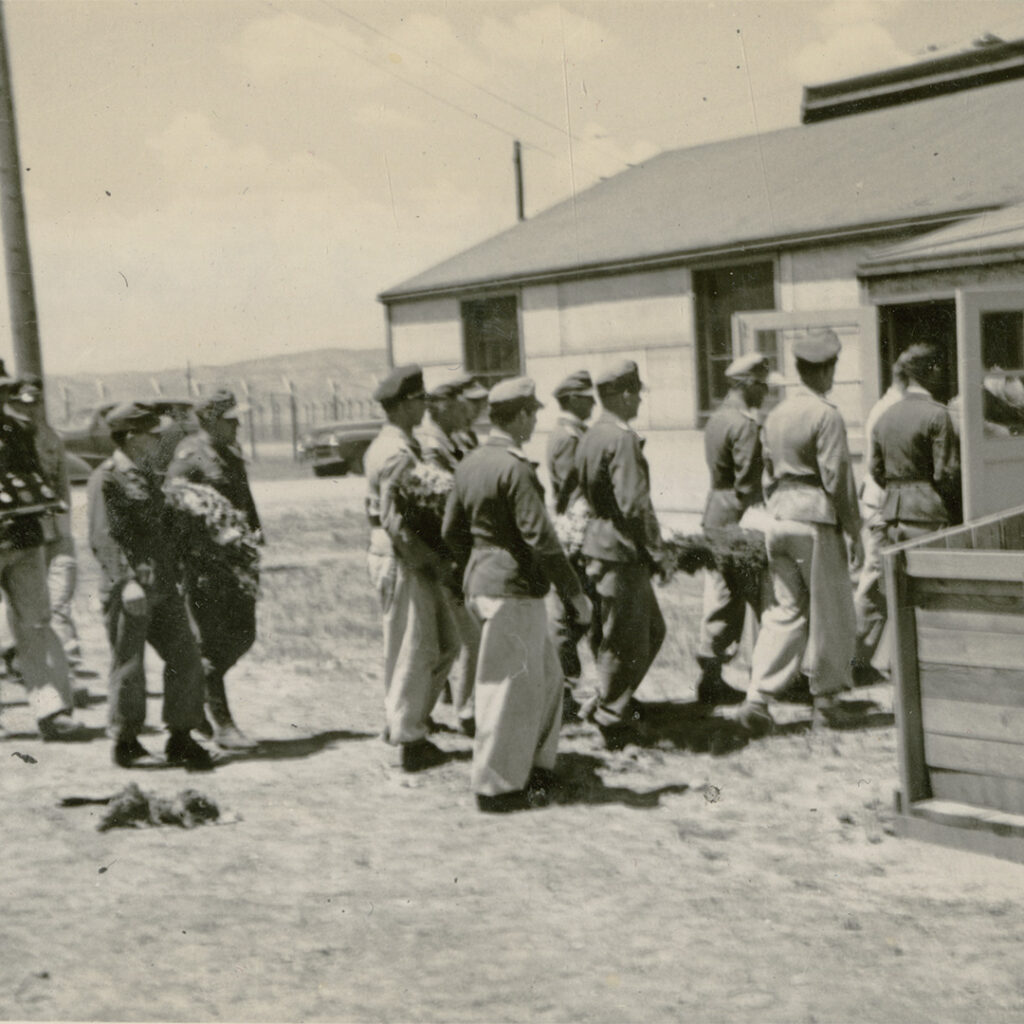
German POWs at Trinidad POW Camp, Colorado. Roughly 3,500 were held here — including the two who tried to escape with help from the Shitara sisters.
The Not-So-Great Escape
In spring 1943, while on leave from camp, the sisters worked on an onion farm near the New Mexico border, where German POWs from nearby Camp Trinidad labored alongside them. That’s where they met Heinrich Haider and Hermann Loescher.
The two men wanted to escape. After enough sweet-talking — and, evidently, something more — they convinced the sisters to help.
On the night of October 16, 1943, the men slipped through the fence with civilian clothes, train schedules, maps, a flashlight, and cash the sisters had left behind a bush.
The next morning, the sisters picked them up by car. The car broke down, and the two POWs continued on foot, only to be caught in a bar in Watrous, New Mexico — drinking with local women and drawing suspicion when they tried to buy train tickets. Their escape failed. But the real drama was just about to unfold.
“Spooned with Jap girls”
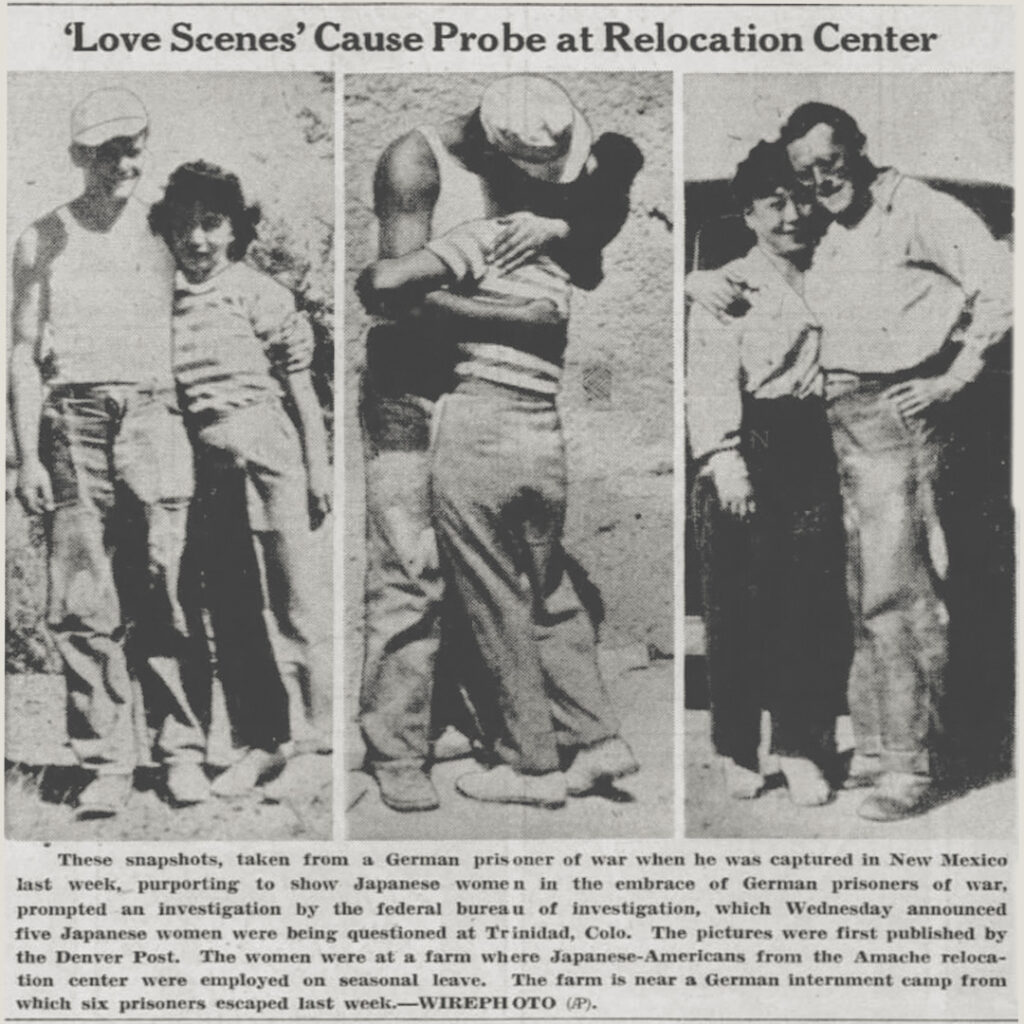
When they were caught, Haider and Loescher were carrying souvenir photos, hugging and making out with the sisters.
The images ran front page in the Denver Post, then newspapers across the country. “Japanazi romance” sold papers. The FBI, Justice Department, and War Relocation Authority launched a full investigation.
This incident rocked America, but it hit many Japanese Americans worse. The Granada Pioneer, published inside Amache, wrote: “While our buddies are fighting and dying in Italy against the Germans… some of our girls at home are making love to German war prisoners. That is enough to make any good man go batty.”
Photos that caused sensation. The first two photos were Billie with Martin Bazkes, the German POW that didn’t try to escape. The last photo was Toots with Haider.
Billie, Toots, and Flo of the Shitara Sisters. They were charged with treason for helping prisoners of war. Maybe they were just prisoners of love.
Treason? Or Foolish Heart?
The government debated charging them with treason, a capital offense. One interrogator claimed the women likely felt allegiance to Japan and its ally Germany because they hadn’t been accepted by white Americans.
But there was no proof they intended to help the enemy. Only proof that they made bad decisions. Or, as their court-appointed attorney put it, had “foolish” and “frail” hearts too easily led astray.
At their trial, dubbed the “most dramatic trial ever held in Denver,” none of the sisters testified. Still, the courtroom was packed. After eight hours of deliberation, the all-male jury convicted them of conspiracy to commit treason, but not treason itself. Toots got two years. Flo and Billie got 20 months and $1,000 fines. All three were sent to a federal prison in West Virginia.
A Complicated Legacy
The Shitara Sisters story is a little more than a historical footnote.
Their story complicates the popular narrative that no Japanese American ever betrayed the United States, a line used to defend the innocence of the incarcerated. But what if innocence isn’t the only story worth telling?
Were the sisters disloyal? Were they punished for aiding the enemy? Or for being women who drank, made out with Germans, and refused to conform?
Maybe they weren’t loyal to their husbands. Maybe they weren’t loyal to their country. But also maybe, in a world where so many things had been taken from them, they were being loyal to their hearts.
As reckless as that might have been. History is rarely perfect.
The Shitara Sisters after their verdict. One of the sisters was heard saying, “How can it be conspiracy to commit treason if we’re not guilty of treason?” It was complicated.