The day after Pearl Harbor, American citizens became POWs, on American soil.
December 8, 1941: Sand Island Internment Camp in Hawaiʻi opened as the territory’s first internment site for Japanese aliens, alongside other ethnic groups perceived as threats, following the attack on Pearl Harbor.
Sand Island had long been known as Quarantine Island, used in the 19th century to hold ships believed to carry contagious passengers. It was a small, windswept strip of coral off Honolulu Harbor. But after December 7, the military seized it and, with Governor Joseph Poindexter’s declaration of martial law, transformed it into a detention center within hours.
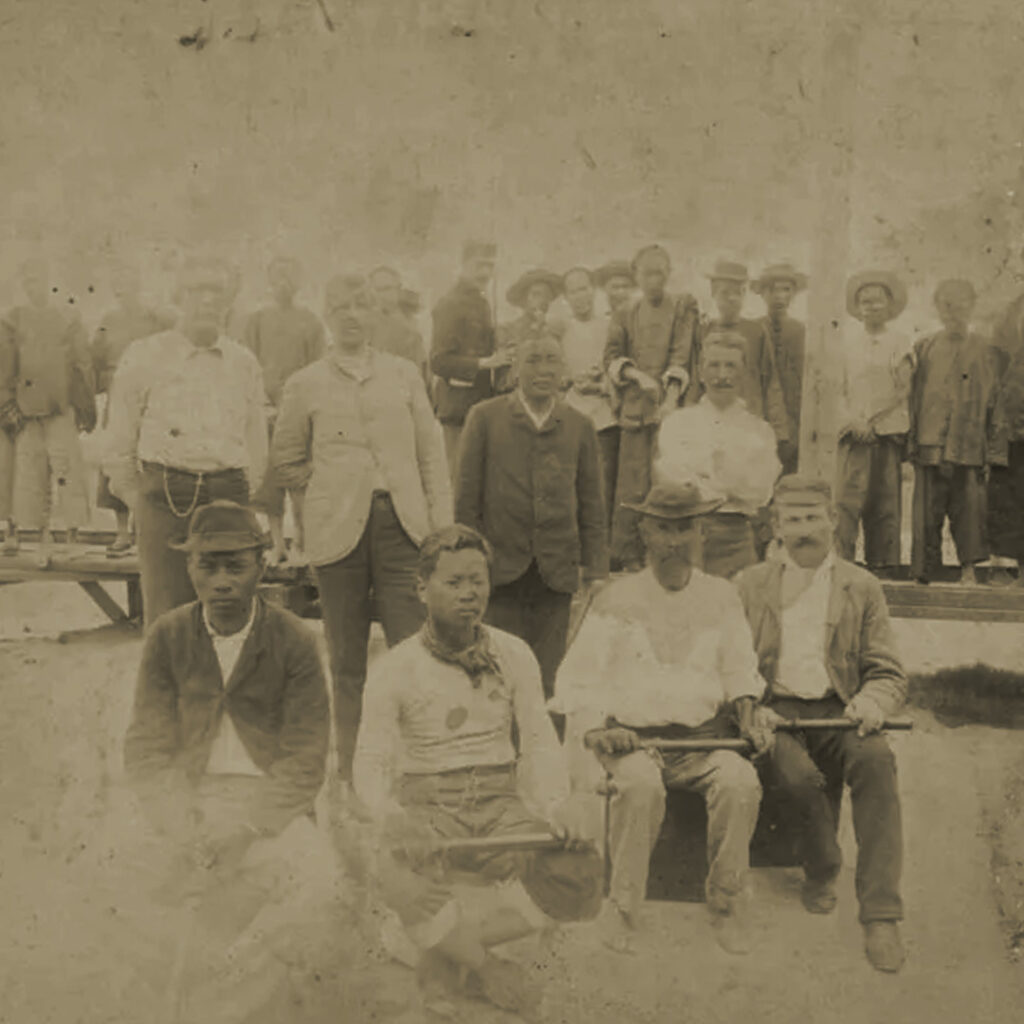
The mass arrest of local residents appearing on the FBI’s custodial detention list (the “ABC list”) began immediately. Teachers, priests, journalists, and community leaders were taken from their homes without warning. Even fishermen, because they had access to boats. Some had been on government lists for years. Others were arrested simply because an informant spoke their name.
And in the panic of wartime Hawaiʻi, citizenship did not matter.
Before it became a wartime detention camp, Sand Island served as a quarantine station. Immigrants arriving in Hawaiʻi were held here for medical inspection and isolation.
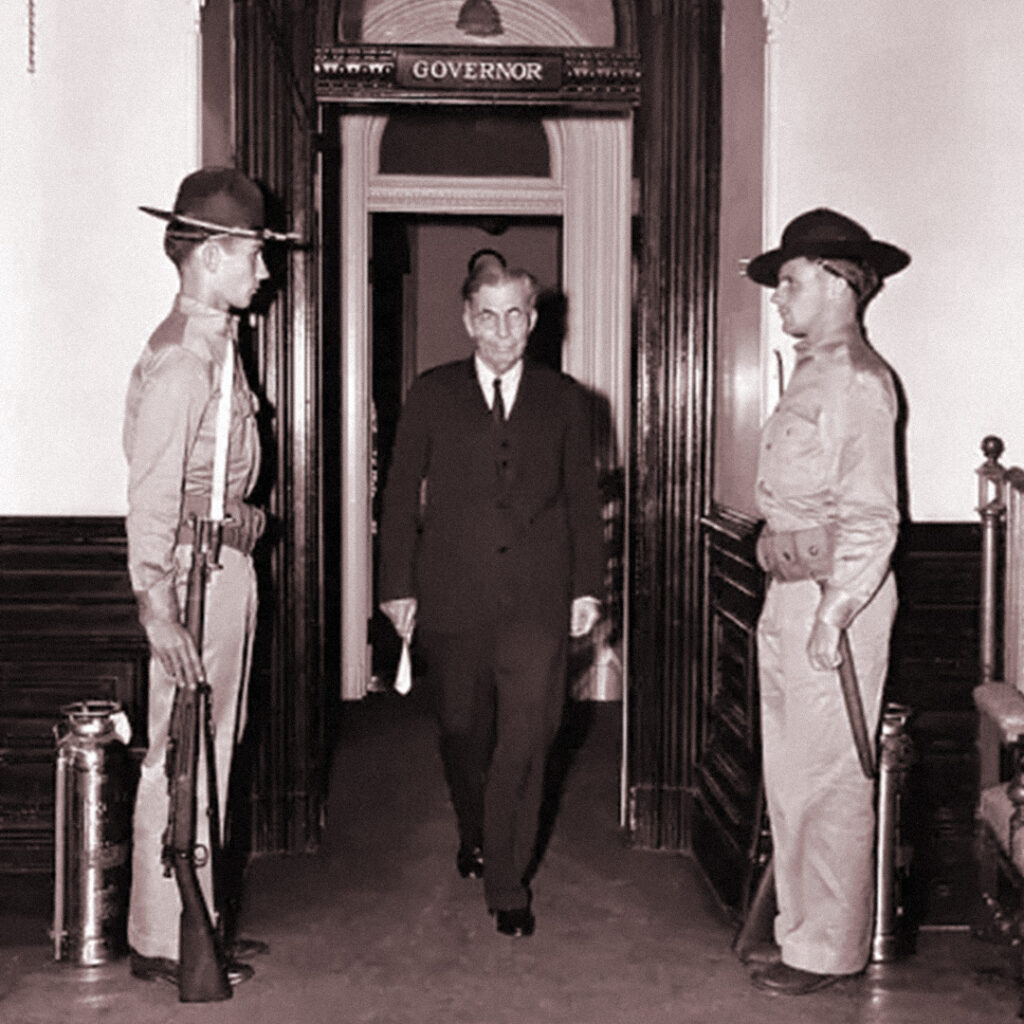
Governor Joseph Poindexter, whose declaration of martial law on December 7 allowed the military to seize Sand Island and begin mass detentions the next day.
Otokichi Ozaki taught Japanese. And for that, he was transferred through eight detention centers including Sand Island before finally reuniting with his family at Jerome.
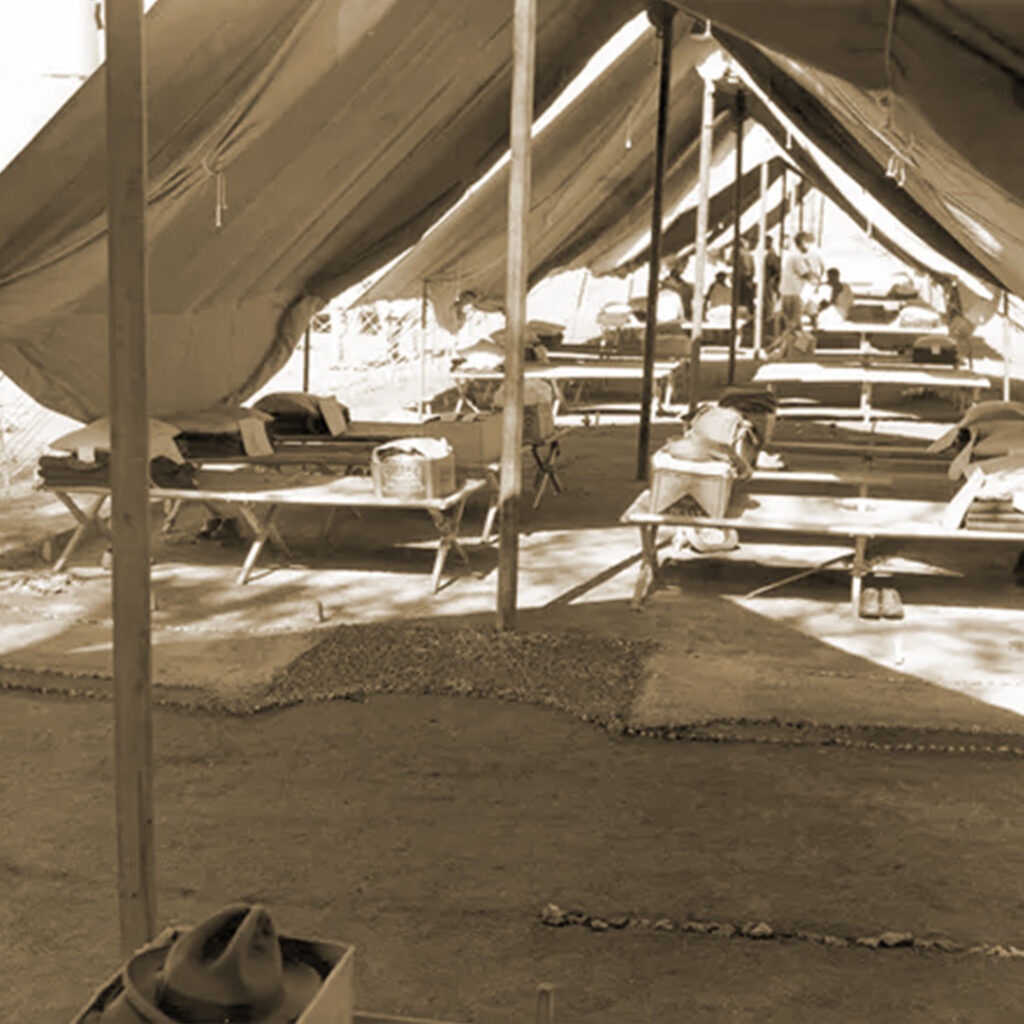
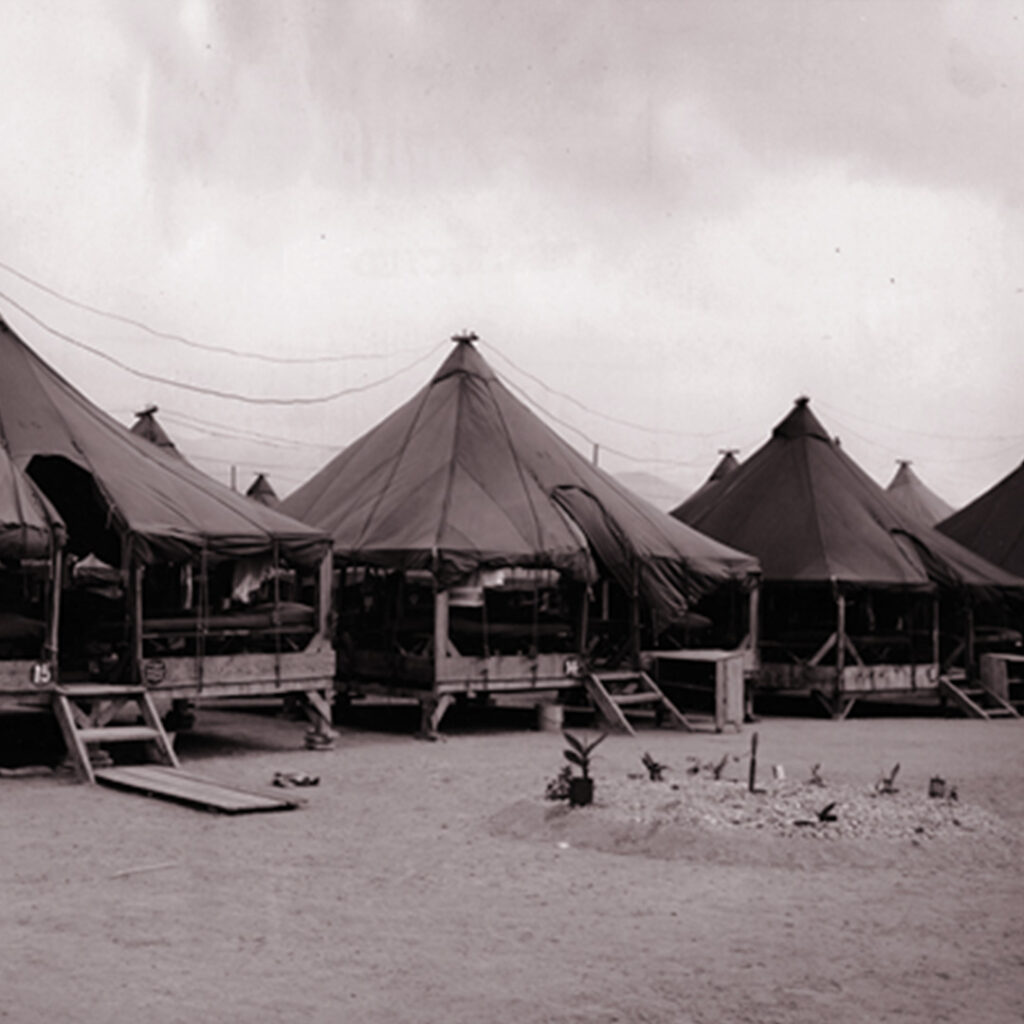
Open tents at Sand Island, the only shelter many detainees had in the camp’s first months.
Sand Island’s first detainees lived in open tents like these, with cots placed directly over coral and minimal shelter from the island’s harsh weather.
Prisoners of War in Their Own Country
During the first months of operation, guards referred to the detainees as POWs.
Prisoners washed latrines with their bare hands. Writing materials were forbidden, leaving families with no way to communicate. They slept on cots set directly over coral, under open tents that provided little protection from wind or rain. Medical care was minimal, and detainees lived in constant anxiety about their status.
Roll calls, conducted twice a day and often during driving rain, tested the fortitude of inmates, many of whom suffered from medical conditions. Detainees were told that hearings would be granted as a privilege rather than a right. Although they were technically allowed legal counsel, expenses were not covered, and they were not permitted to confront their anonymous accusers.
For people who had lived in Hawaiʻi for decades — and for citizens born there — the message was unmistakable: the Constitution had been suspended, and their lives were no longer their own.
A Quiet Reclassification
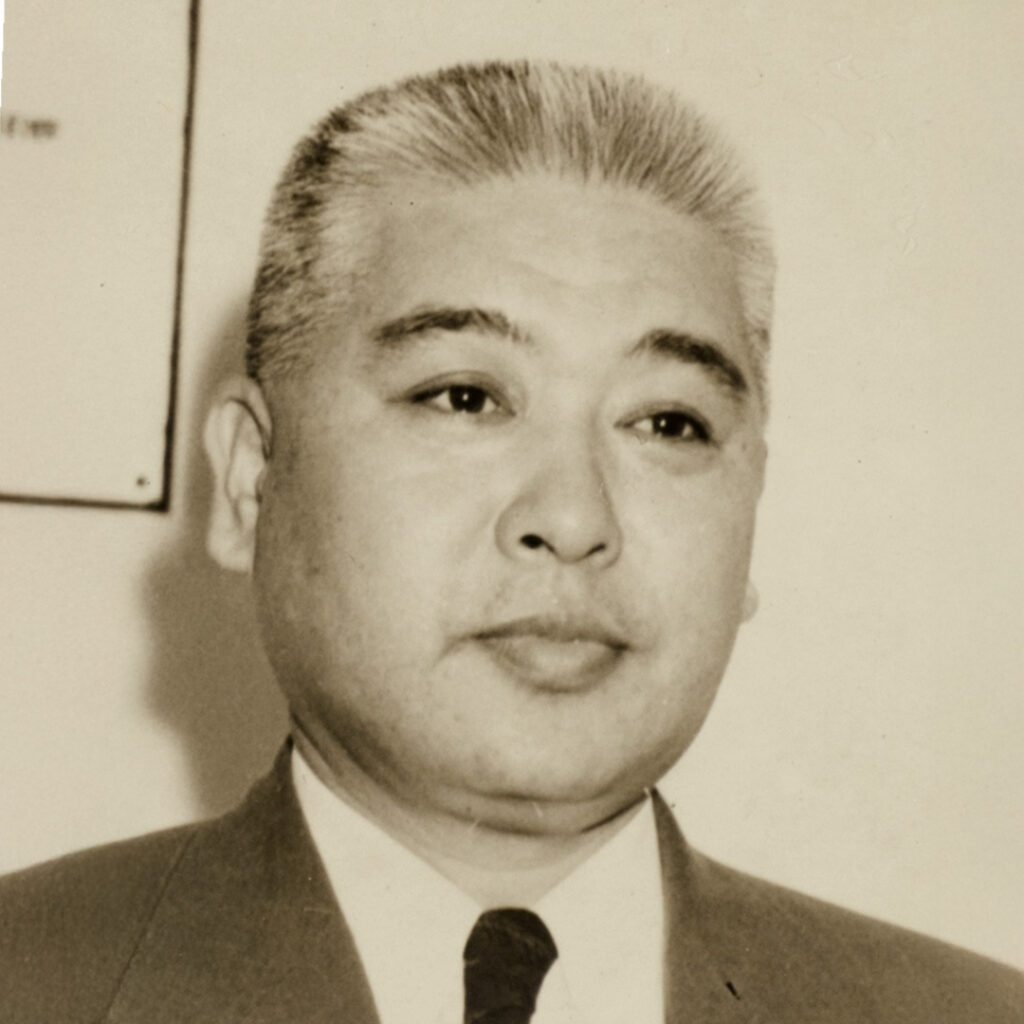
High school and college students from the Hawaiʻi Territorial Guard were assigned to watch over these supposedly “dangerous elements,” including territorial legislator Sanji Abe.
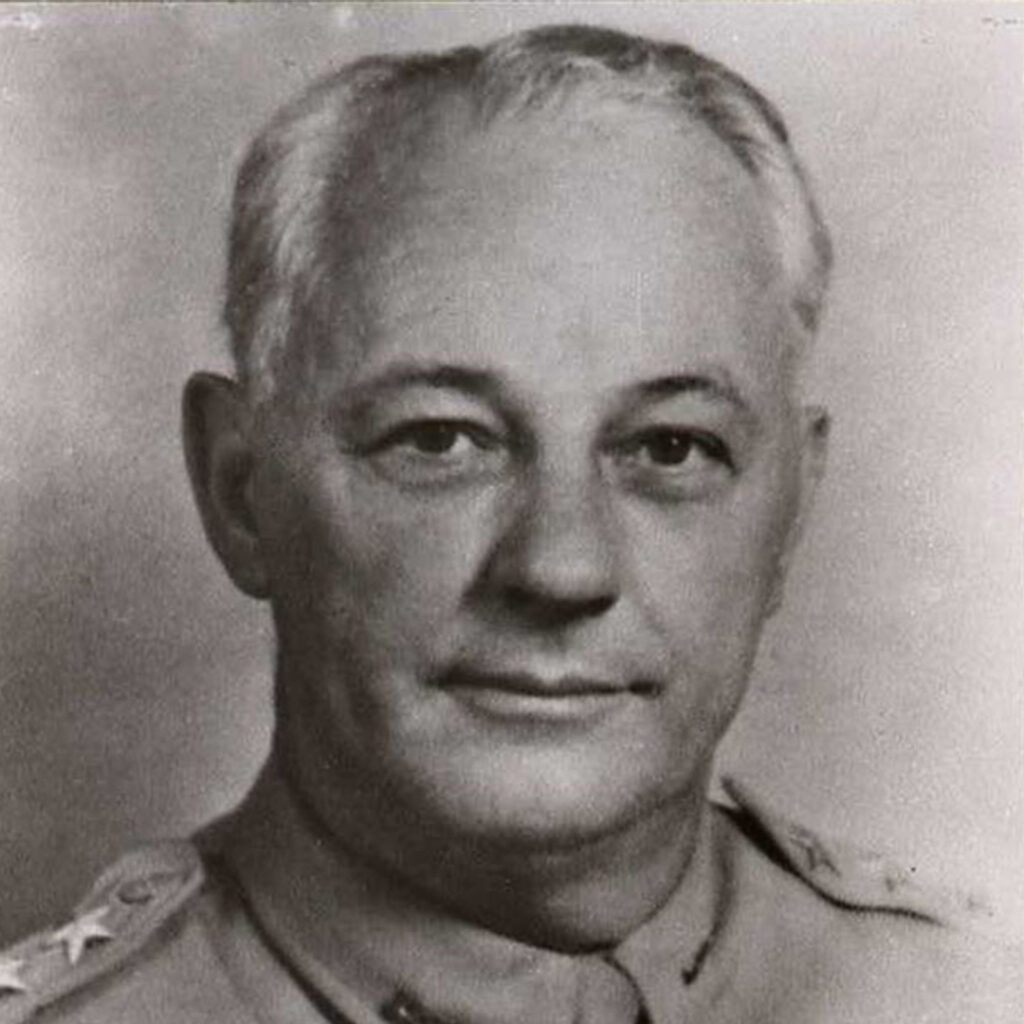
Before long, the government realized that labeling American citizens as POWs created legal and political problems. Tensions eased after a late December visit from Military Governor Delos Emmons, who insisted that inmates were to be treated as “detainees,” instead.
By the time the International Red Cross and the Swedish Vice Consul inspected the camp in the fall of 1942, conditions had improved considerably. But the prisoners were still prisoners.
Most inmates were transferred to mainland camps such as Jerome and Gila River by February 1942. The remaining 149 were moved to the newly constructed Honouliuli Internment Camp. More than 600 Hawaiʻi residents, many of them U.S. citizens, would pass through Sand Island before it closed in March 1943.
Territorial legislator Sanji Abe, one of several elected officials arrested under martial law and held at Sand Island despite his U.S. citizenship.
Lieutenant General Delos C. Emmons, the military governor of Hawaiʻi. His late-December visit led to a shift in policy, changing inmates’ status from POWs to “detainees.”
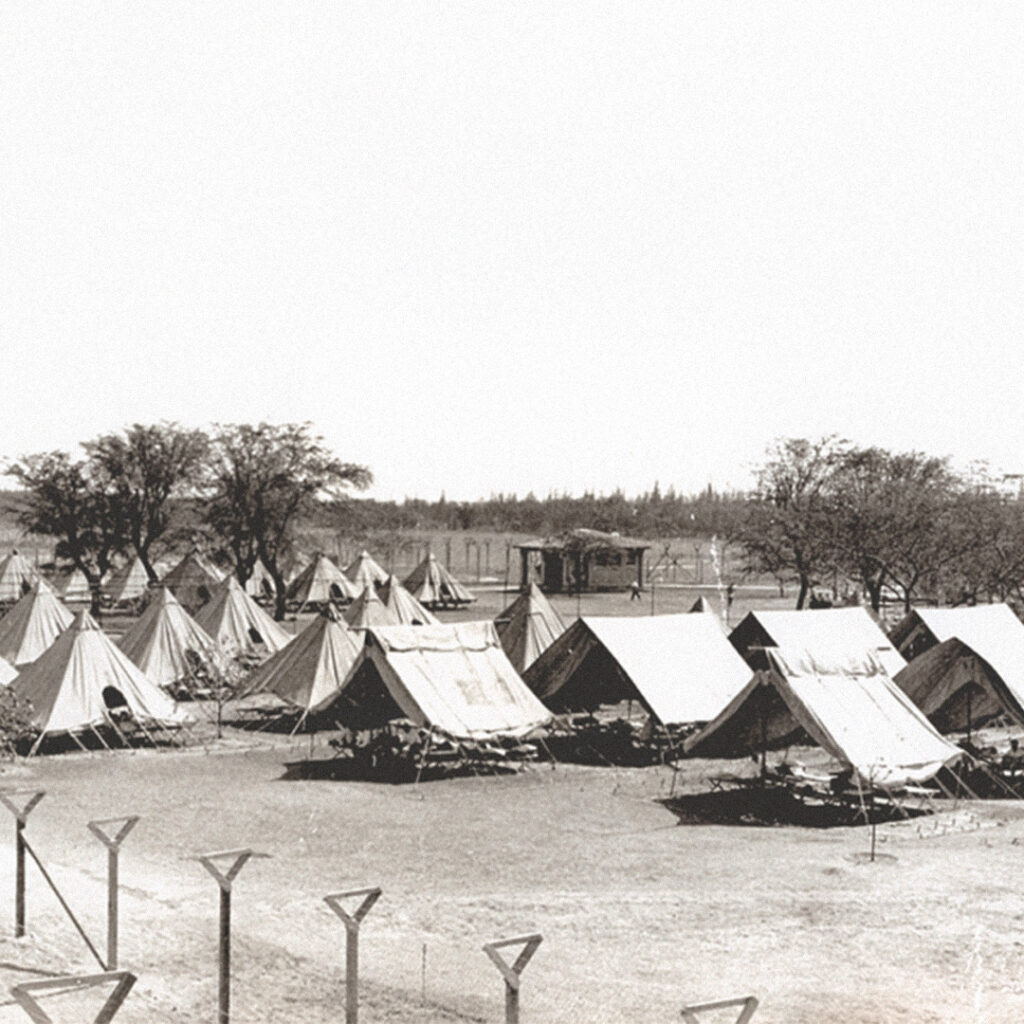
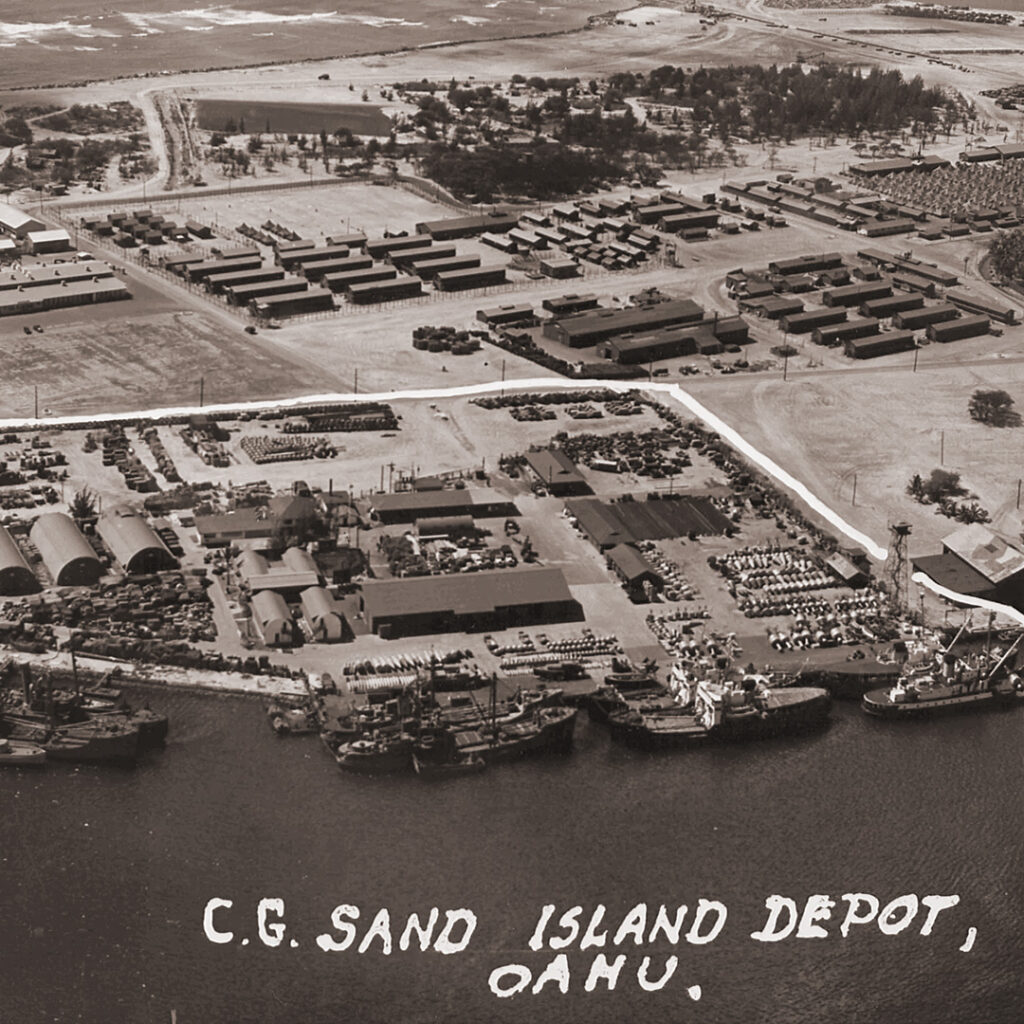
Sand Island after its upgrades. What began as open tents grew into a complex of barracks and military buildings as the camp system expanded across Hawaiʻi.
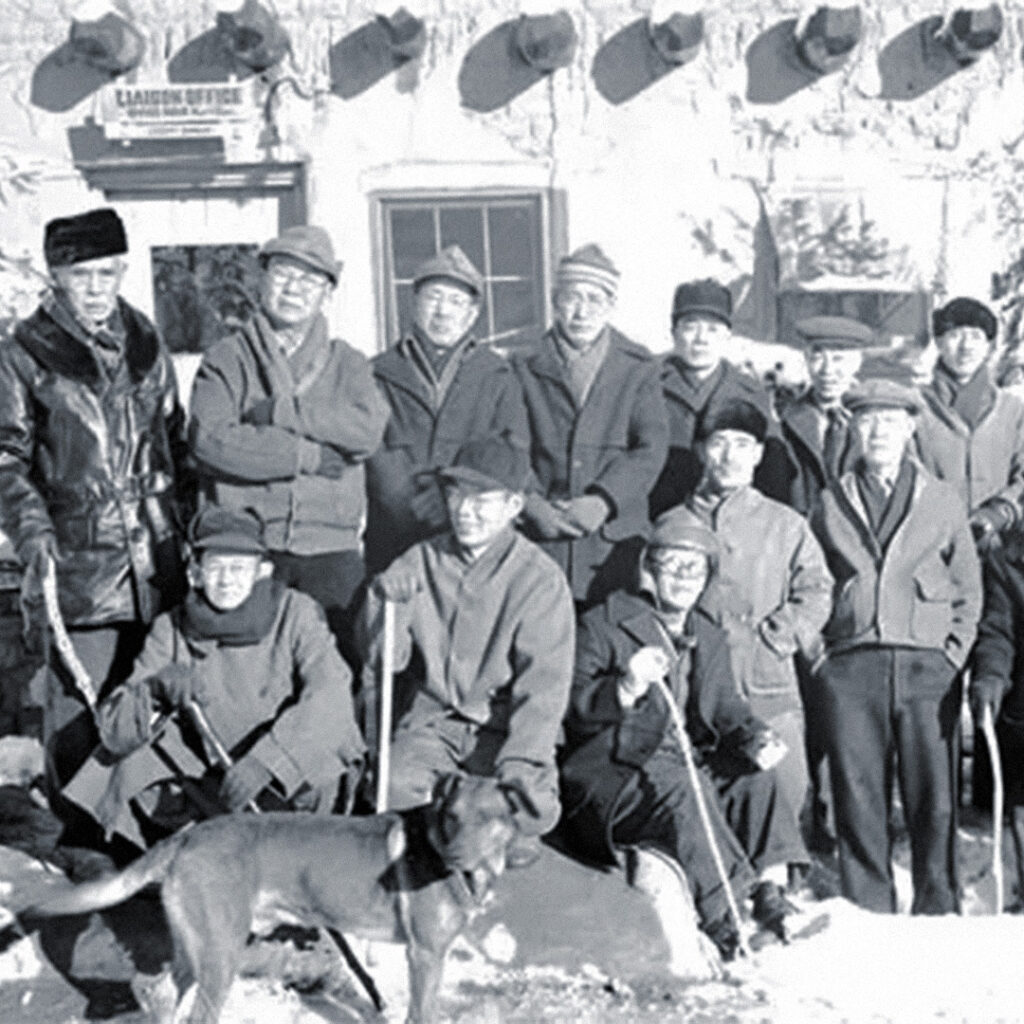
Men from Hawaiʻi who were removed from Sand Island to Santa Fe Internment Camp, far from their families, their islands, and the climate they had always known.
Six-man tents constructed on Sand Island for Korean POWs in 1944, when the former detention center was converted into a prisoner-of-war camp.
A POW camp. Not a POW camp. Then a POW camp again.
Ironically, Sand Island reopened as a prisoner-of-war camp in 1945, this time holding Italian and Korean soldiers. By September 1945 the site held 1,010 Koreans and 952 Italians.
Sand Island was not the largest camp. And it was not the most infamous. But it was the first.
Its story reveals something essential about the beginning of wartime incarceration: the collapse of civil liberties happened instantly.
The day after Pearl Harbor, the U.S. government did more than respond to an attack. It redefined who counted as American — and who did not.