A generation gap can be rough. This one ended in a riot, and two dead.
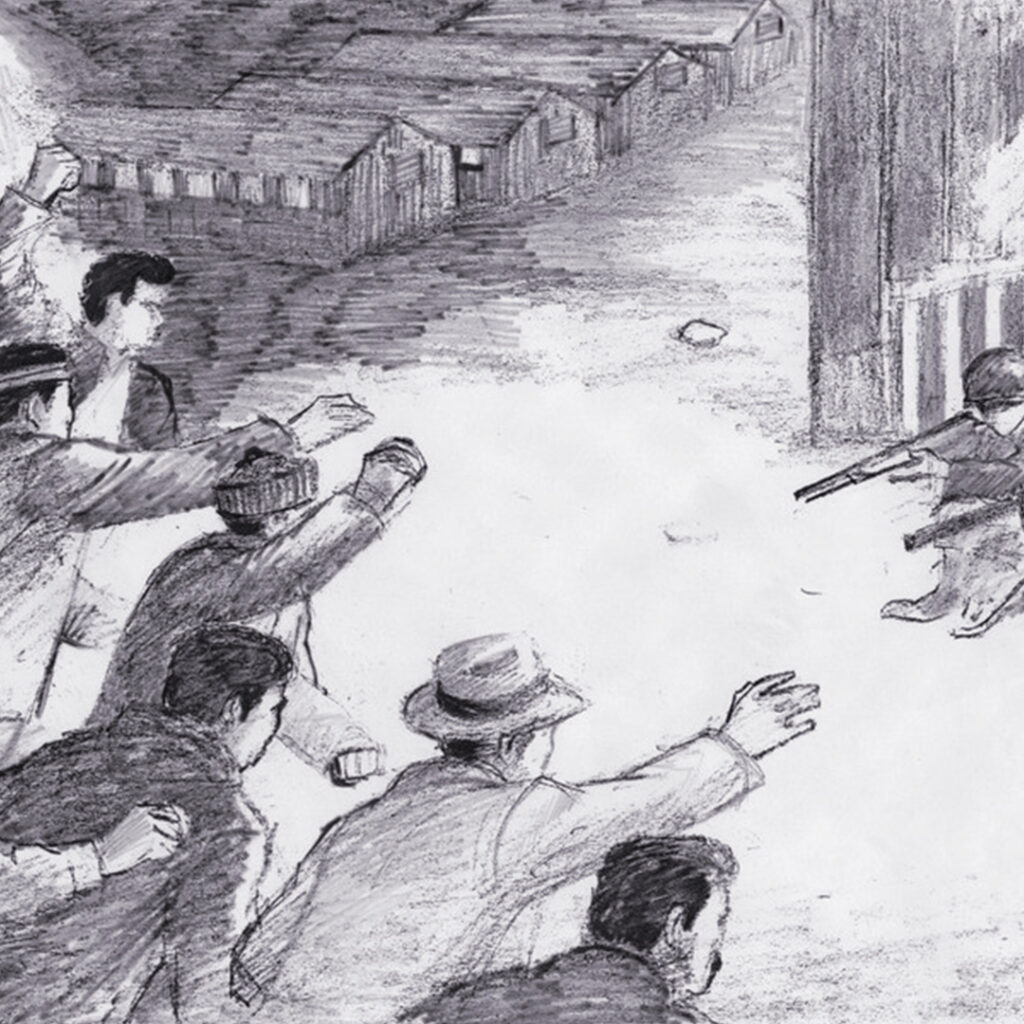
December 5, 1942: A riot broke out at the Manzanar camp, resulting in the institution of martial law with soldiers firing into a crowd of inmates, killing two and injuring many.
More than 2,000 Japanese Americans had crowded into the cold night air of the camp. Some were armed with shovels, rocks, and sticks. At one point, a driverless car was rammed toward the police station. Martial law was declared by morning.
It became the largest act of civil unrest in any of the ten War Relocation Authority camps. But the violence wasn’t just about that night. It was a culmination of growing resentment between the administration and the imprisoned — and even more painfully, a rupture within the Japanese American community itself.
Tensions between generations had been simmering long before anyone was removed to camp. The Issei, first-generation immigrants barred from U.S. citizenship, and the Kibei, American-born but educated in Japan, leaned on traditional values and community structure. Their children and peers, the Nisei, were U.S.-born, fluent in English, and caught between two worlds.
Japanese American inmates clash with armed guards at Manzanar, December 5, 1942. Sketch by Eddy Kurushima, a fellow inmate who witnessed the riot firsthand.
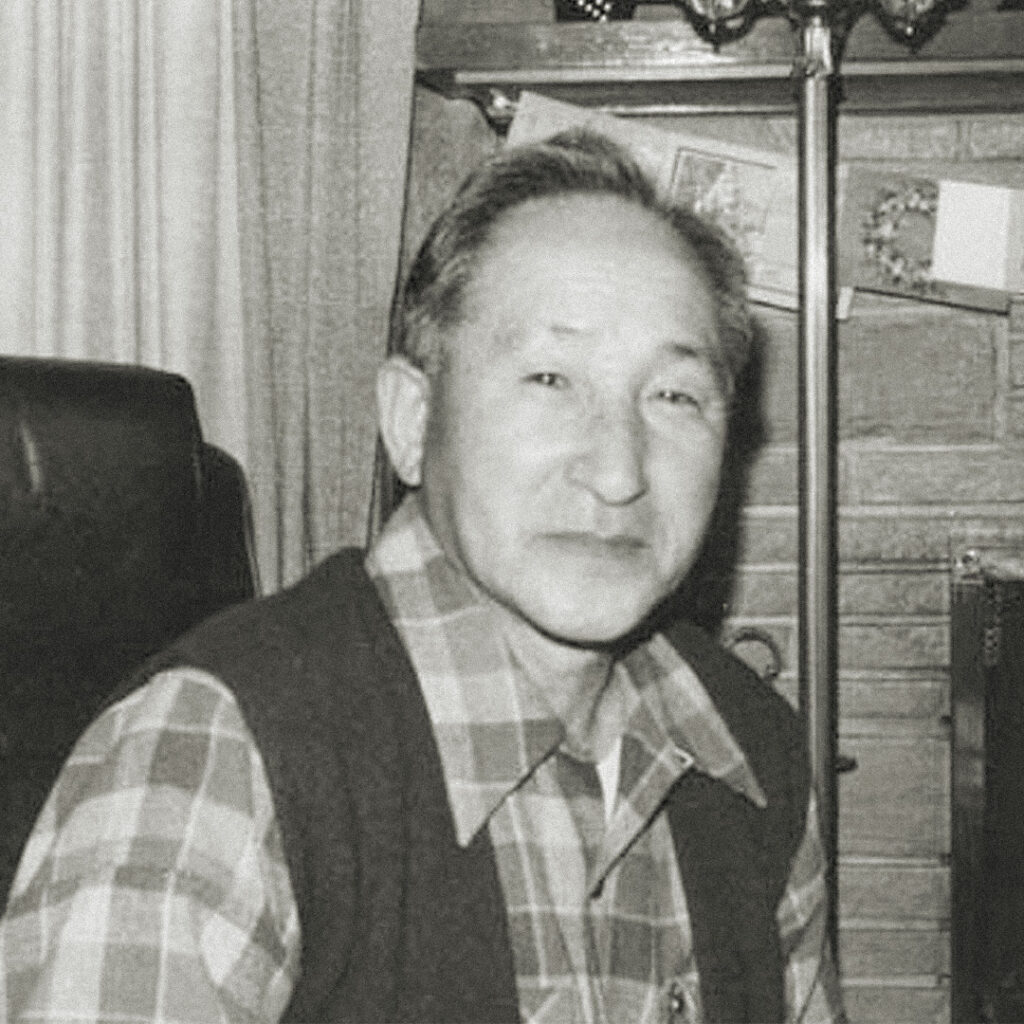
Three JACL leaders in Los Angeles, 1941, including Fred Tayama (left), who was already being labeled a suspected inu (dog) even before incarceration at Manzanar.
Togo Tanaka (left), editor at the Rafu Shimpo, reported that JACL leaders were already being called inu (dogs), months before the attack on Pearl Harbor.
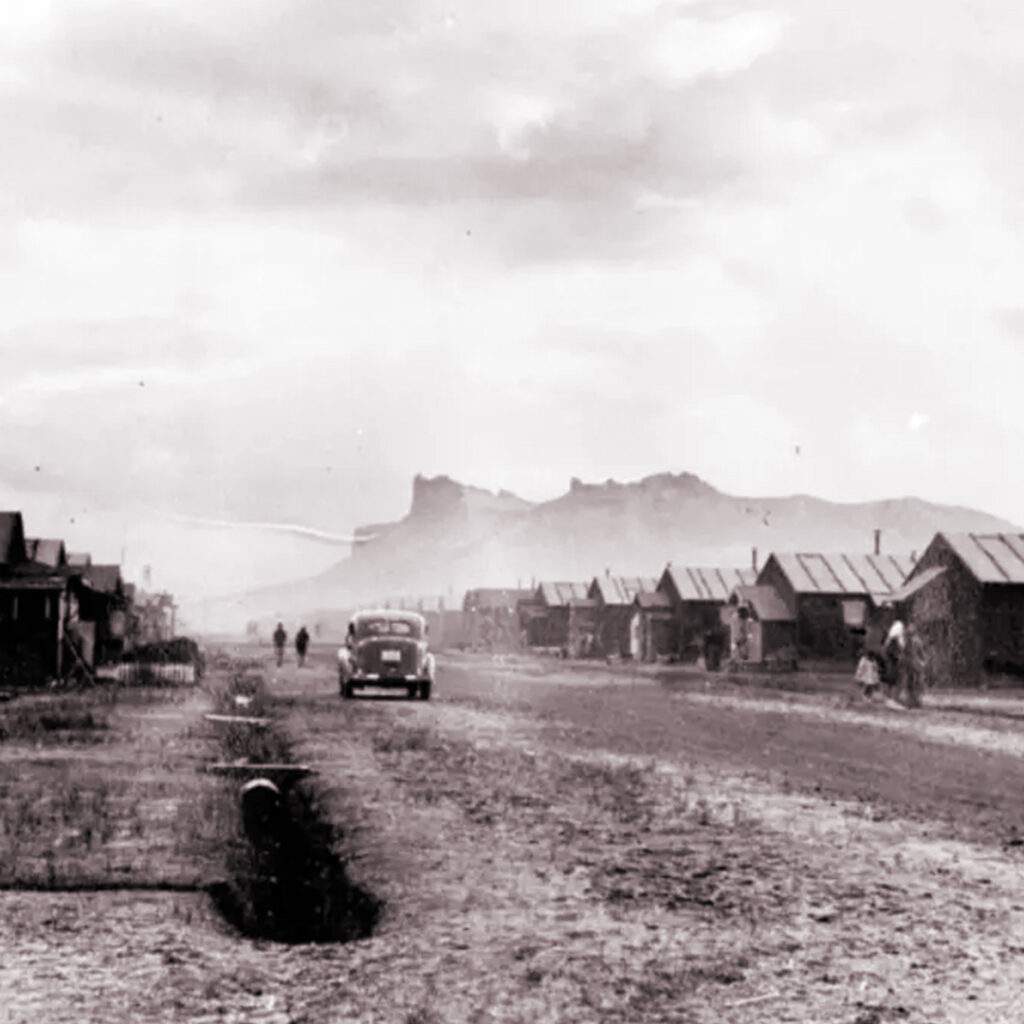
The first group of Japanese-Americans arrive at the Manzanar War Relocation Center, one of ten major incarceration camps during WWII, 1942
The Growing Divide Before Pearl Harbor
In the years leading up to the war, a new generation of Nisei leaders had emerged through the Japanese American Citizens League (JACL). While many saw the group as a respectable voice for their community, others viewed it as overly compliant with white America, too willing to prove loyalty, even at the cost of dignity.
As early as the summer of 1941, Togo Tanaka, editor of the English section of the Rafu Shimpo and a prominent Nisei voice, noted that the Japanese word inu (“dog”) was already being used to label suspected informants in the community. JACL leaders were accused of cozying up to the FBI and the Office of Naval Intelligence.
By late 1942, nearly 10,000 people were imprisoned at Manzanar. Frustration had been mounting for weeks.
The Arrest That Sparked the Riot
In early December, Fred Tayama returned from a national JACL meeting in Salt Lake City, where he had publicly advocated for restoring the draft eligibility of Nisei men. He was a marked man.
Soon after his return, Tayama was beaten by six masked men in the dark. Though he couldn’t identify his attackers, authorities arrested Harry Ueno, a popular inmate who had exposed camp staff for stealing food and selling it on the black market.
Many viewed Ueno’s arrest as politically motivated, an act of retaliation orchestrated by the administration and aligned JACL members. Resentment boiled over.
Thousands gathered to demand Ueno’s release. Recently appointed Camp Director Ralph Merritt tried to de-escalate the situation by negotiating with protest leaders, promising to return Ueno to the camp population if the revolt stopped.
Harry Ueno, a Kibei inmate at Manzanar, was arrested for allegedly beating JACL leader Fred Tayama — without any evidence. His arrest escalated into the Manzanar Riot.
Project Director Ralph Merritt at work in Manzanar’s administrative office. His leadership would become both controversial and transformative.
Joseph Kurihara, a World War I veteran incarcerated at Manzanar, denounced the JACL as spineless traitors for cooperating with the U.S. government.
Military police fire into a crowd of unarmed Japanese American inmates at Manzanar, killing two and injuring at least ten more. Sketch by Eddy Kurushima.
Funeral for James Ito and Jim Kanagawa, the two young men killed by military police during the Manzanar Riot, held inside the camp on December 21, 1942.
The Riot
But once Ueno was moved back to the Manzanar police station, the crowd refused to disperse.
Among the protesters was WWI veteran Joseph Kurihara, who had long criticized the JACL’s cooperation with the government. He reportedly created a “death list” of known or suspected inu — including Tayama and others he believed had betrayed the community. Kurihara and a group of around 500 men, in a state of near hysteria, continued searching the camp for informers and demanding Ueno’s release. What began as a protest turned into a mass demonstration.
Authorities called in the military police. Soldiers fired tear gas.
Two of them opened fire, and two men were killed: James Ito, 17, and Jim Kanagawa, 21. Many others were injured.
The Aftermath and Legacy
In the days that followed, martial law was declared. Dozens were arrested. Hundreds of so-called “troublemakers,” including Ueno, were transferred to segregation centers in Moab, Utah and Leupp, Arizona — before eventually landing at Tule Lake, California.
Those threatened with violence were also removed. That included Fred Tayama and Togo Tanaka, who had tried to mediate during the unrest but were no longer safe at Manzanar.
By January, the situation calmed, and operations returned to “normal.” But the damage was done. The riot exposed deepening cracks not just between the Japanese American community and the U.S. government, but within the community itself.
And because the violence occurred one day before the anniversary of the Pearl Harbor attack, many newspapers falsely characterized the uprising as a pro-Axis revolt. That myth deepened public suspicion and reinforced anti-Japanese sentiment across the U.S.
Inmates at the Moab Isolation Center, 1943. They were already imprisoned. Speaking up sent them farther away. For many, it meant being pushed further and further out.
Tule Lake Segregation Center, a high-security facility where the government sent Japanese Americans who protested, resisted, or were labeled “troublemakers.”