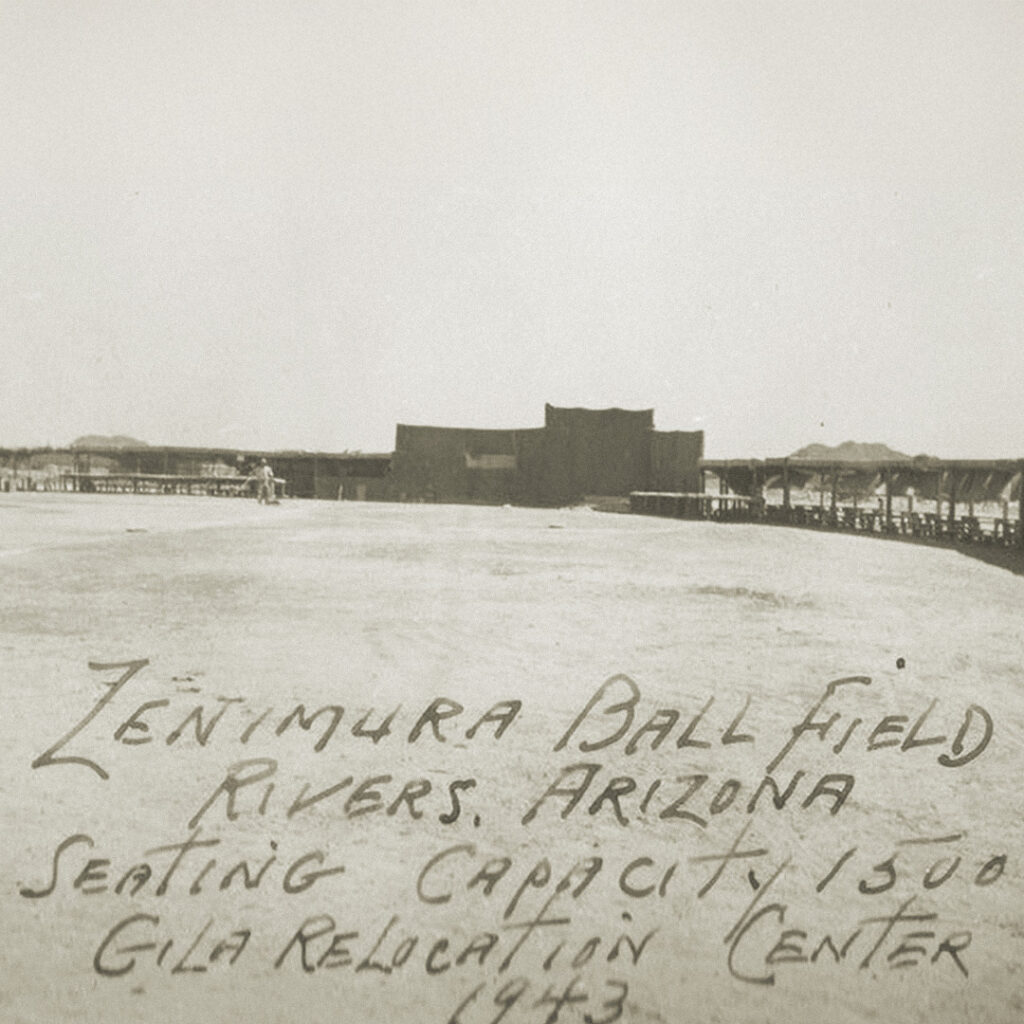
During WWII, the field of dreams was surrounded by barbed wires.
November 10, 2005: Arizona Governor Janet Napolitano proclaimed Kenichiro Zenimura Day in honor of the man who built a baseball diamond inside an incarceration camp during World War II.
When more than 13,000 Japanese Americans were imprisoned at the Gila River War Relocation Center in the Arizona desert, they salvaged pieces of the lives they had been forced to leave behind. For Kenichi “Zeni” Zenimura, a five-foot dynamo from Hiroshima, Japan, that meant baseball.
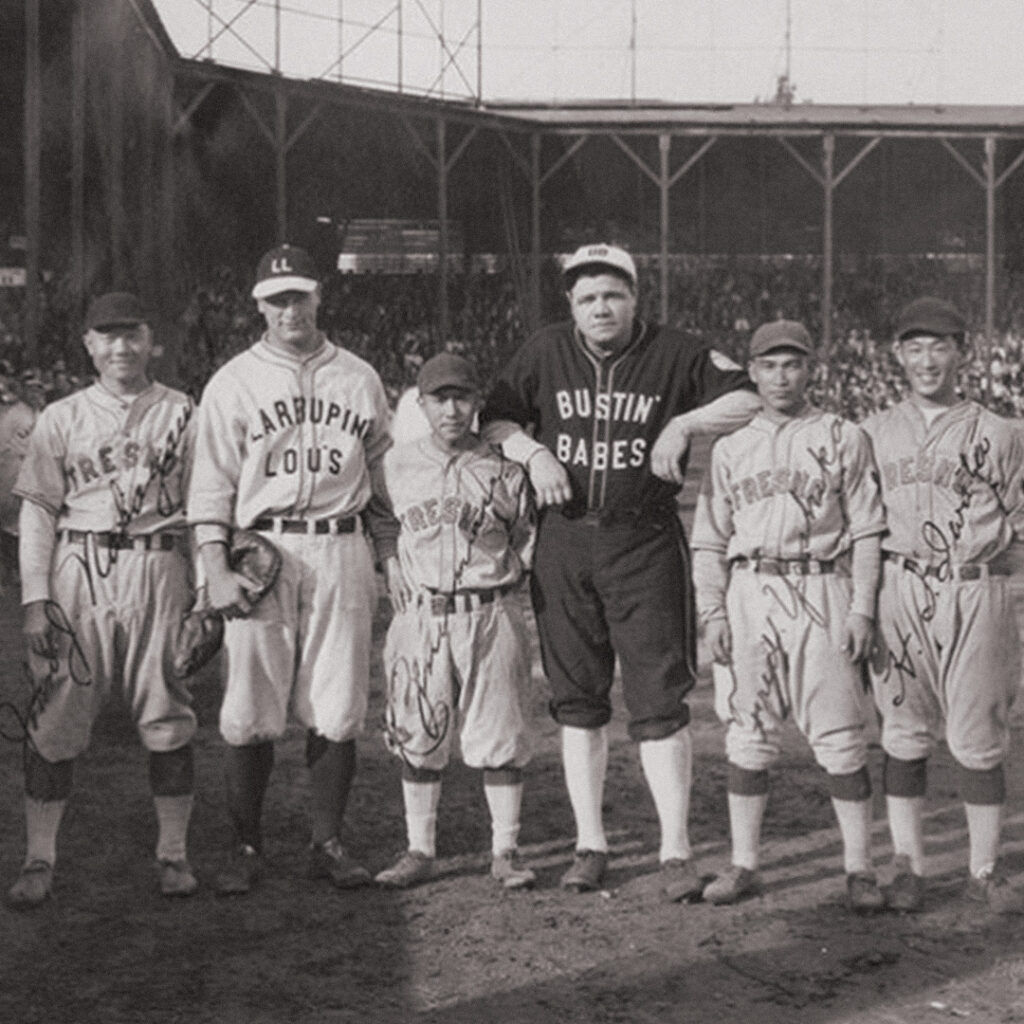
Known as the “Father of Japanese American Baseball,” Zenimura had already spent decades building bridges through the game — organizing Japanese American leagues in Fresno, arranging international tours, and playing alongside legends like Lou Gehrig and Babe Ruth. He also scheduled games against teams from the Negro Leagues and the Pacific Coast League.
He wasn’t just a great player. He was a gifted manager, coach, and promoter, with a knack for persuading others to believe in his vision and passion.
Kenichi Zenimura (center), pictured with Babe Ruth and Lou Gehrig in 1927, would later organize one of the greatest baseball programs inside an American concentration camp.
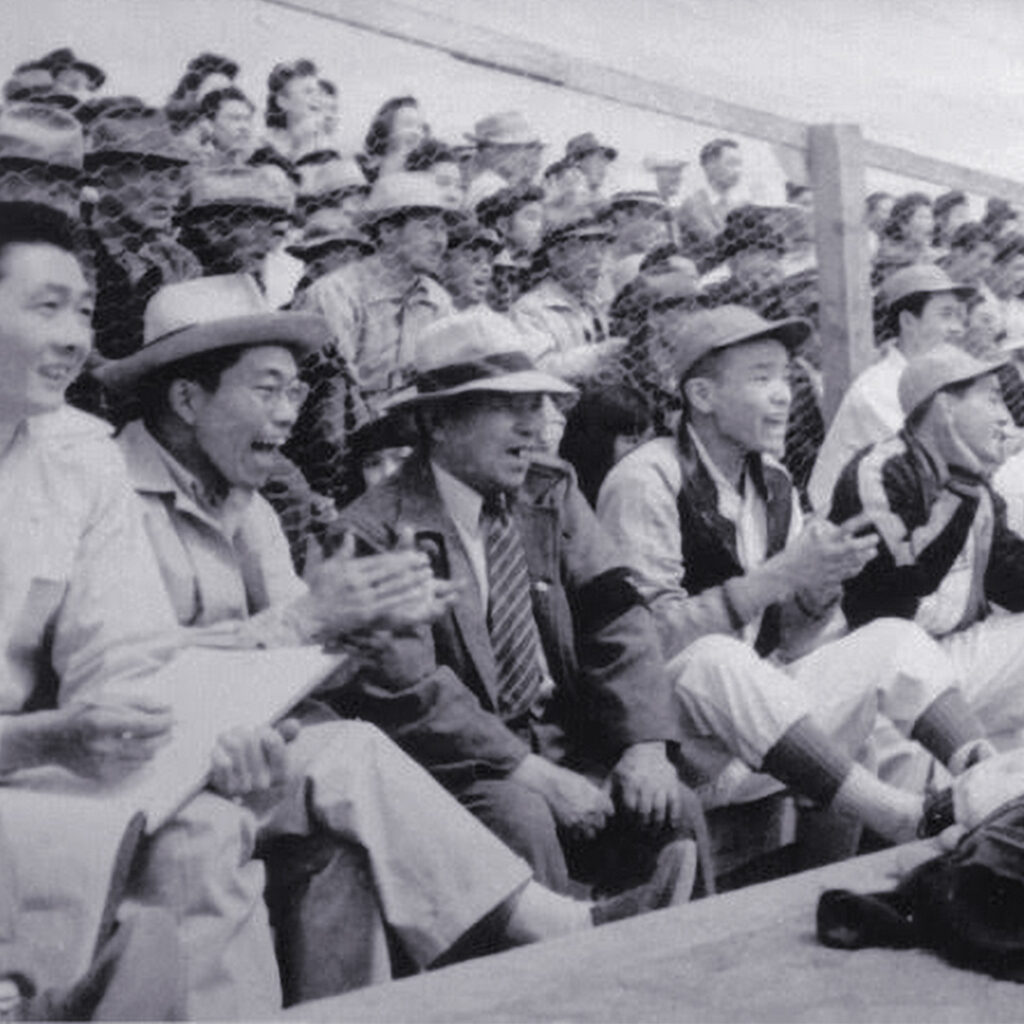
Built from desert sand by Kenichi “Zeni” Zenimura and fellow incarcerees, the ballpark seated about 3,000 spectators and became the heart of camp life.
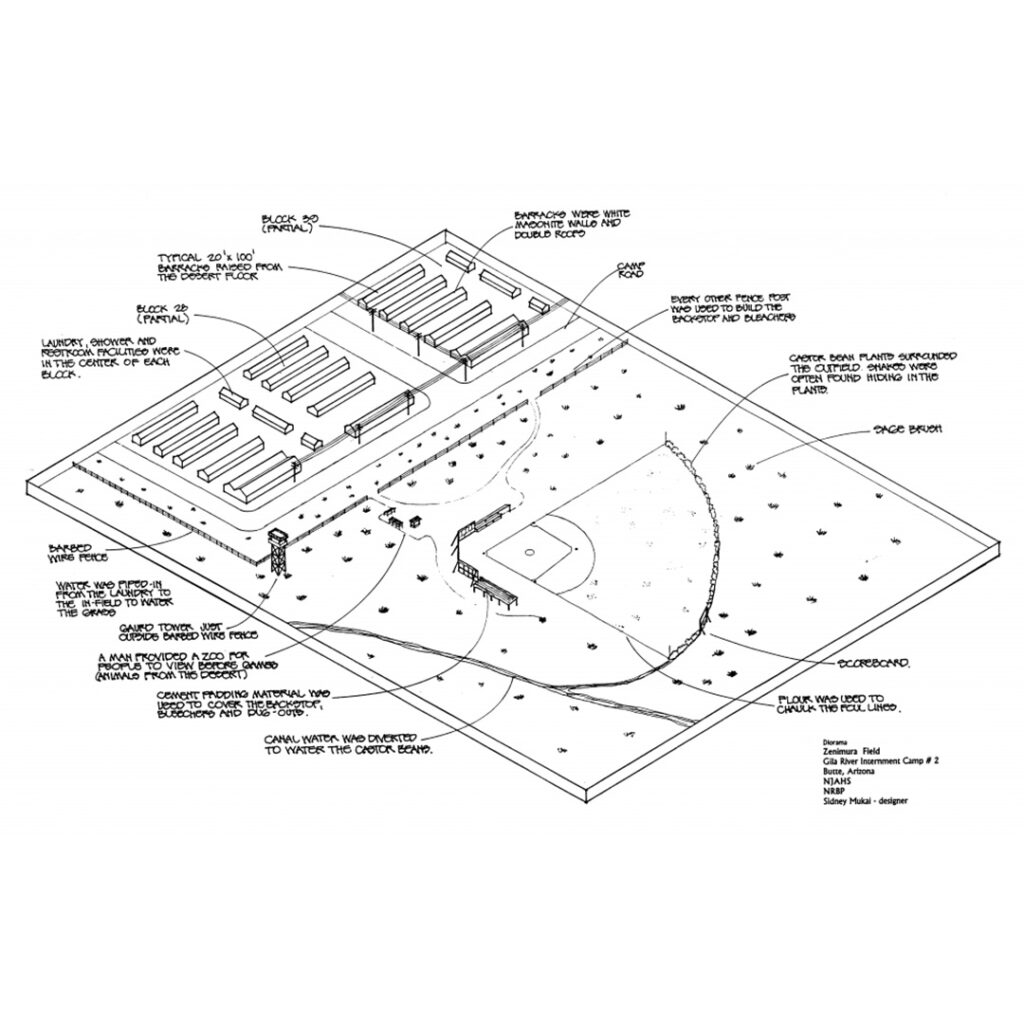
Diagram of Zenimura Field, showing how it was a full baseball park inside Gila River camp, complete with bleachers, scoreboard, and chalked baselines.
Built by Kenichi “Zeni” Zenimura and fellow incarcerees, the field became a place where Japanese Americans reclaimed their dignity and joy behind barbed wire.
A Game Worth Fighting For
At Gila River, Zenimura turned a patch of desert into Zenimura Field. He cleared cactus and mesquite, built bleachers from scrap, and stitched uniforms from old bedsheets. He even added a grandstand and box seats for elders, families, and special guests. It felt like a real ballpark because he knew what people wanted.
In a landscape defined by confinement, baseball became liberation. At its peak, Gila River had 32 teams, one for each of the camp’s 32 residential blocks. The park could hold about 3,000 spectators, and it was standing-room only for the big all-star games.
For both children and adults, every pitch, hit, and stolen base became a quiet act of defiance: a declaration that they were still American.
Legendary Games Beyond Barbed Wires
Zenimura’s vision for the game didn’t stop at the camp fence. In September 1944, he helped organize an unprecedented inter-camp all-star series against the Heart Mountain All-Stars in Wyoming — more than 1,200 miles away.
The Gila River team traveled unguarded across several states, drawing packed crowds and national attention. Over 13 games, Gila River won nine and Heart Mountain four.
Then, in 1945, Zenimura coached the Gila River Eagles to victory over Arizona’s top high school team, the Tucson Badgers, the reigning six-time state champions who had won 52 straight games. The matchup became a desert legend, and in the end, David beat Goliath.
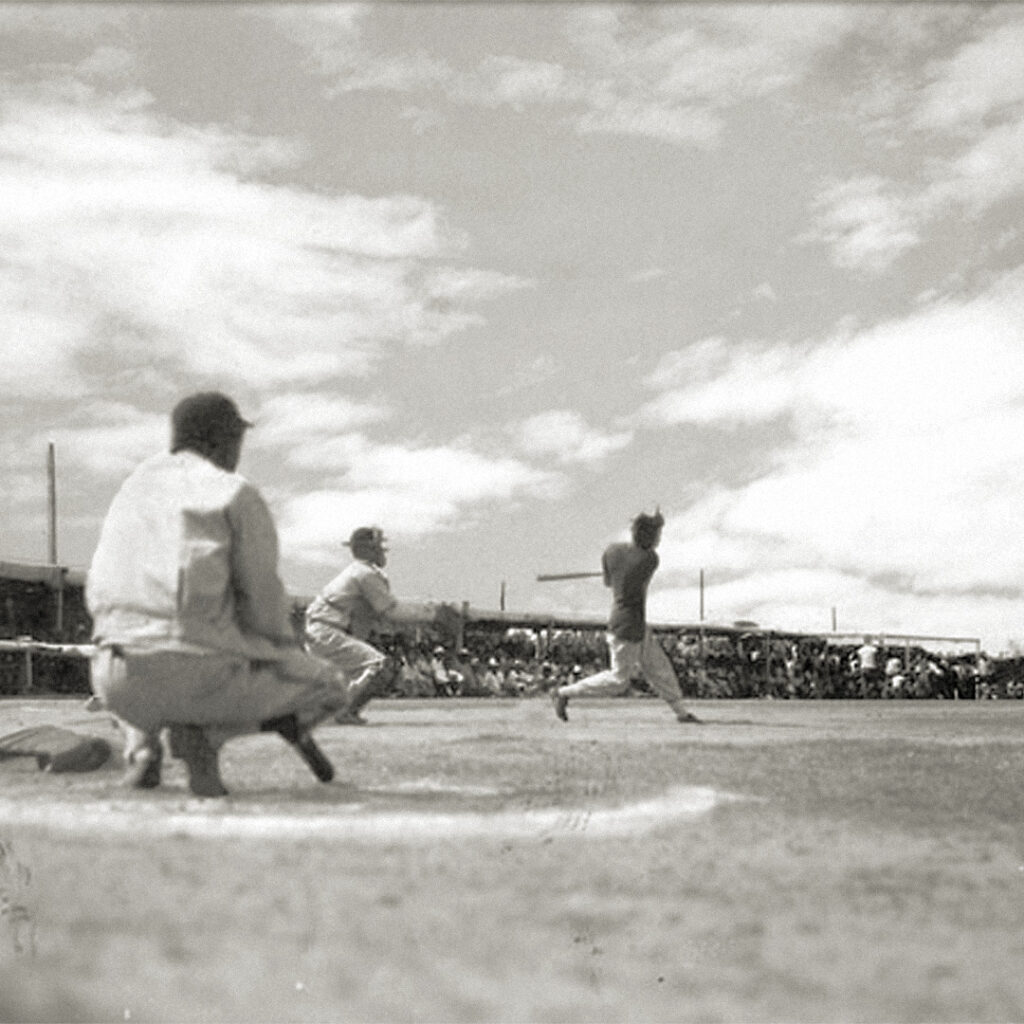
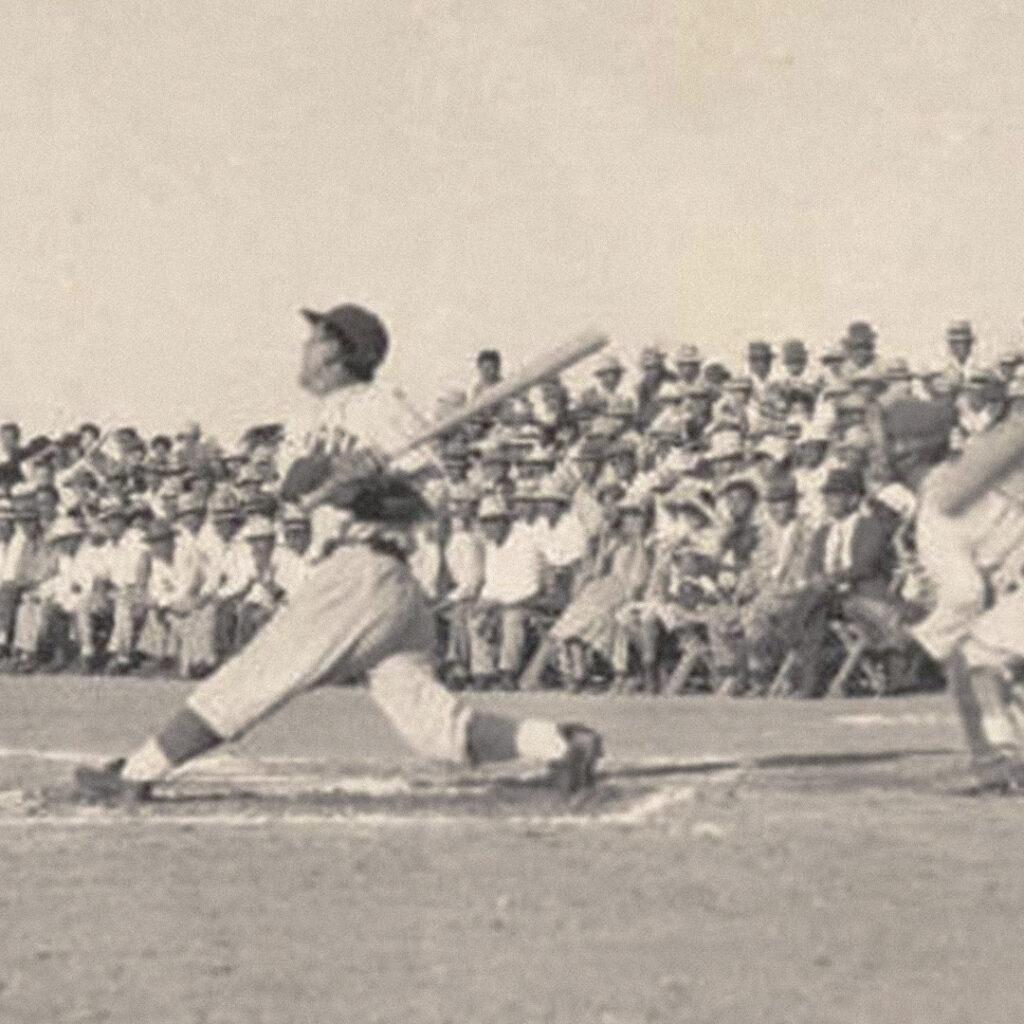
Mori Shimada at bat. Kenichi Zenimura behind the plate. Two legends of Japanese American baseball faced off during the 1944 Heart Mountain–Gila River All-Stars series.
Kenichi Zenimura and his players generated so much excitement and community support that they were able to fund a cross-country inter-camp tournament — while incarcerated.
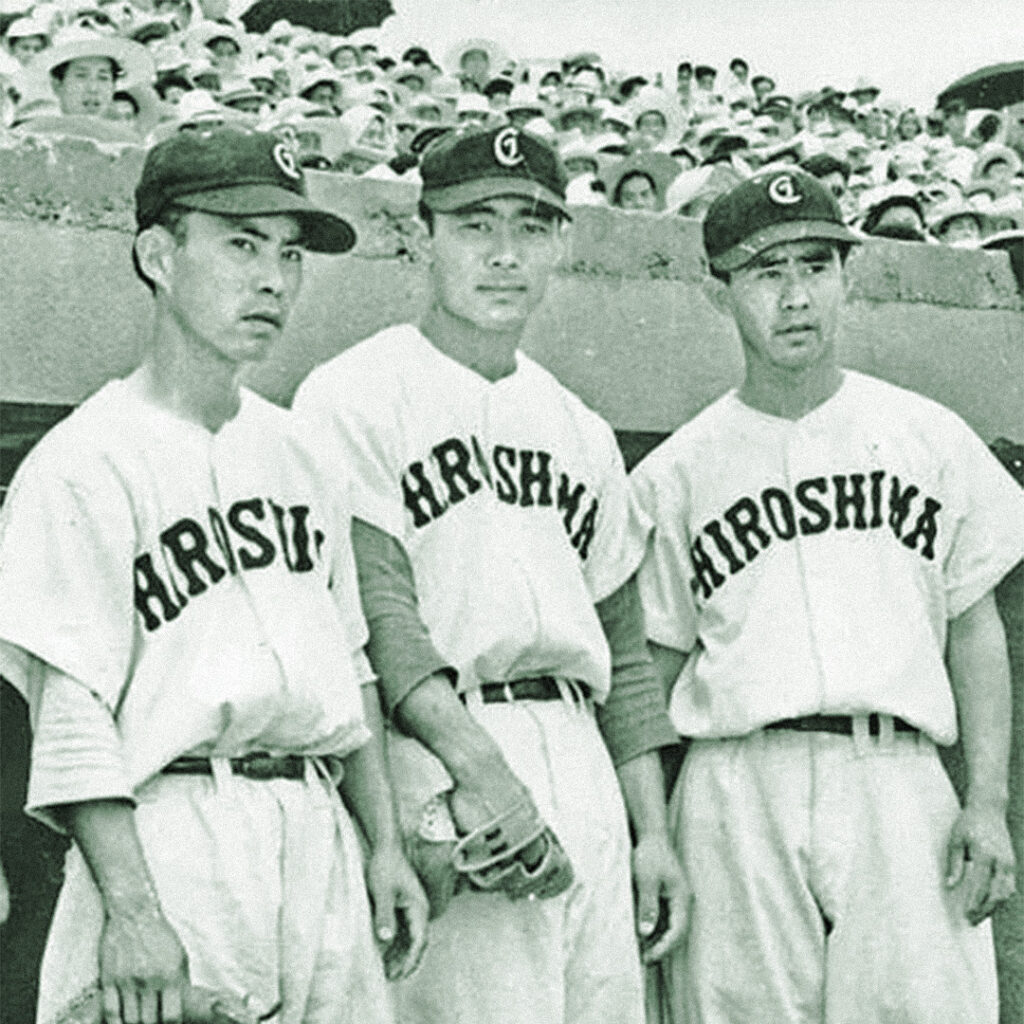
Howard and Harvey Zenimura, sons of Kenichi “Zeni” Zenimura, carried their father’s baseball legacy to Japan as players for the Hiroshima Carp, and more.
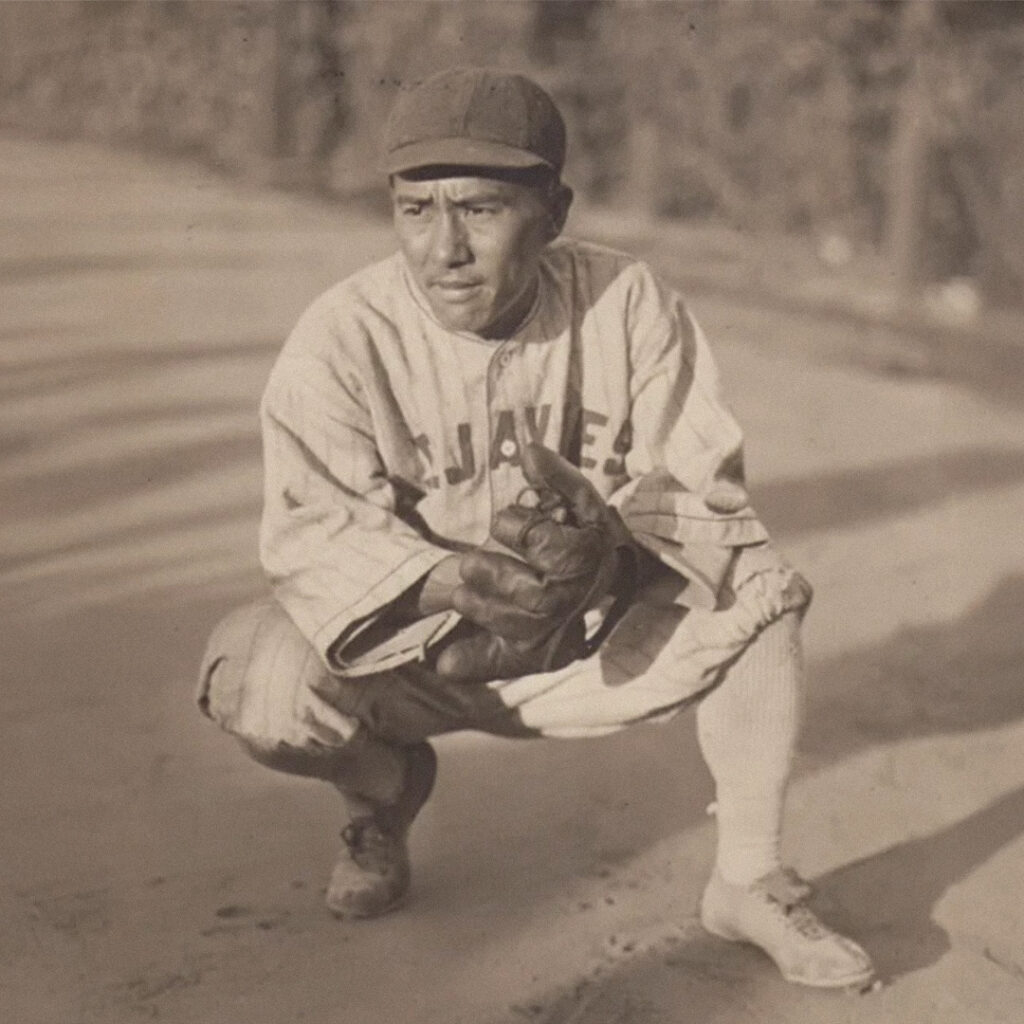
Kenichi “Zeni” Zenimura, known as the Father of Japanese American Baseball, played, coached, and promoted the game across borders and incarceration fences alike.
From Dust to Legacy
After the war, Zenimura returned to Fresno to coach and mentor new generations. Sons Howard and Harvey Zenimura went on to Fresno State. Howard learned so much from the Nisei veterans and his dad that he said he had no trouble making any team.
Zenimura’s passion for baseball knew no limits and he was still an active player at fifty-five. But in 1968, at the age of seventy-three, he was tragically killed in an automobile accident.
Nearly four decades later, Arizona honored his legacy. On November 10, 2005, Governor Napolitano declared Kenichi Zenimura Day, recognizing a man whose love for baseball built community, dignity, and hope behind barbed wire.
As Lou Gehrig said, “There is no room in baseball for discrimination. It is our national pastime and a game for all.”