The Japanese Americans fought each other during the war. For fun.
In September 10 - September 24, 1944: Heart Mountain hosted Gila River for a 15-day all-star baseball series.
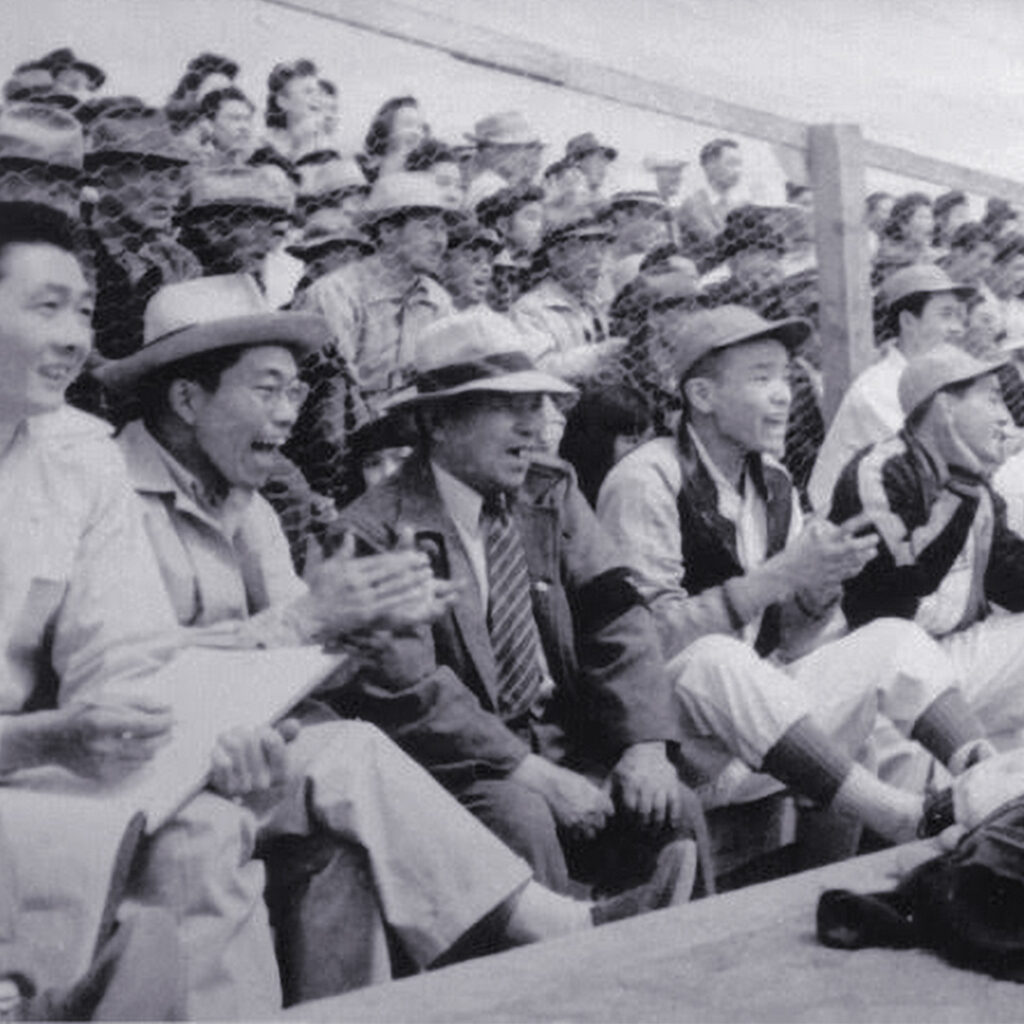
For two weeks in 1944, behind barbed wire and watchtowers, Japanese Americans gathered by the thousands — to cheer.
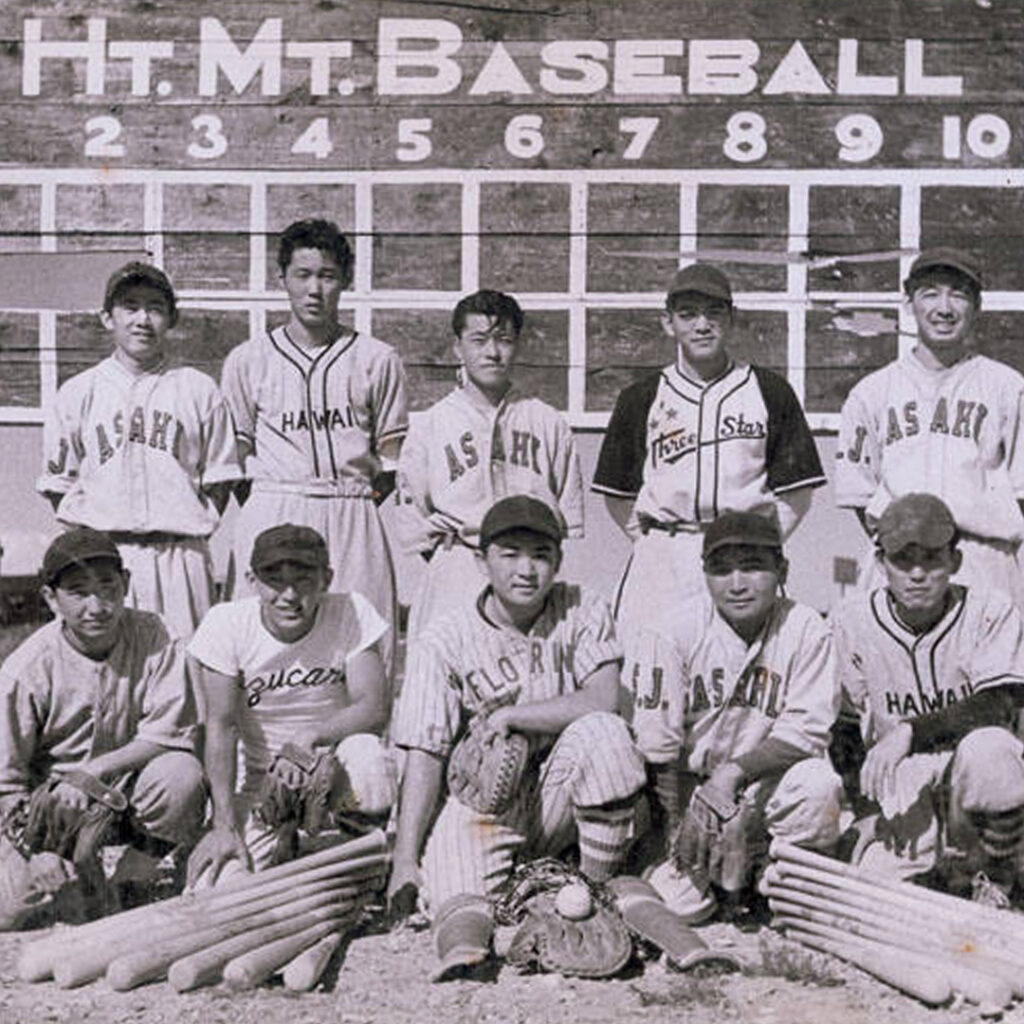
The Heart Mountain incarceration camp in Wyoming hosted a 13-game baseball series against the Gila River All-Stars from Arizona. The Gila team, led by legendary manager Kenichi Zenimura, traveled 1,170 miles to play the Heart Mountain All-Stars in a rare and surreal inter-camp playoff.
The Heart Mountain All-Stars faced off Gila River in a 13-game showdown that gave thousands of incarcerated Japanese Americans something to cheer for, in 1944.
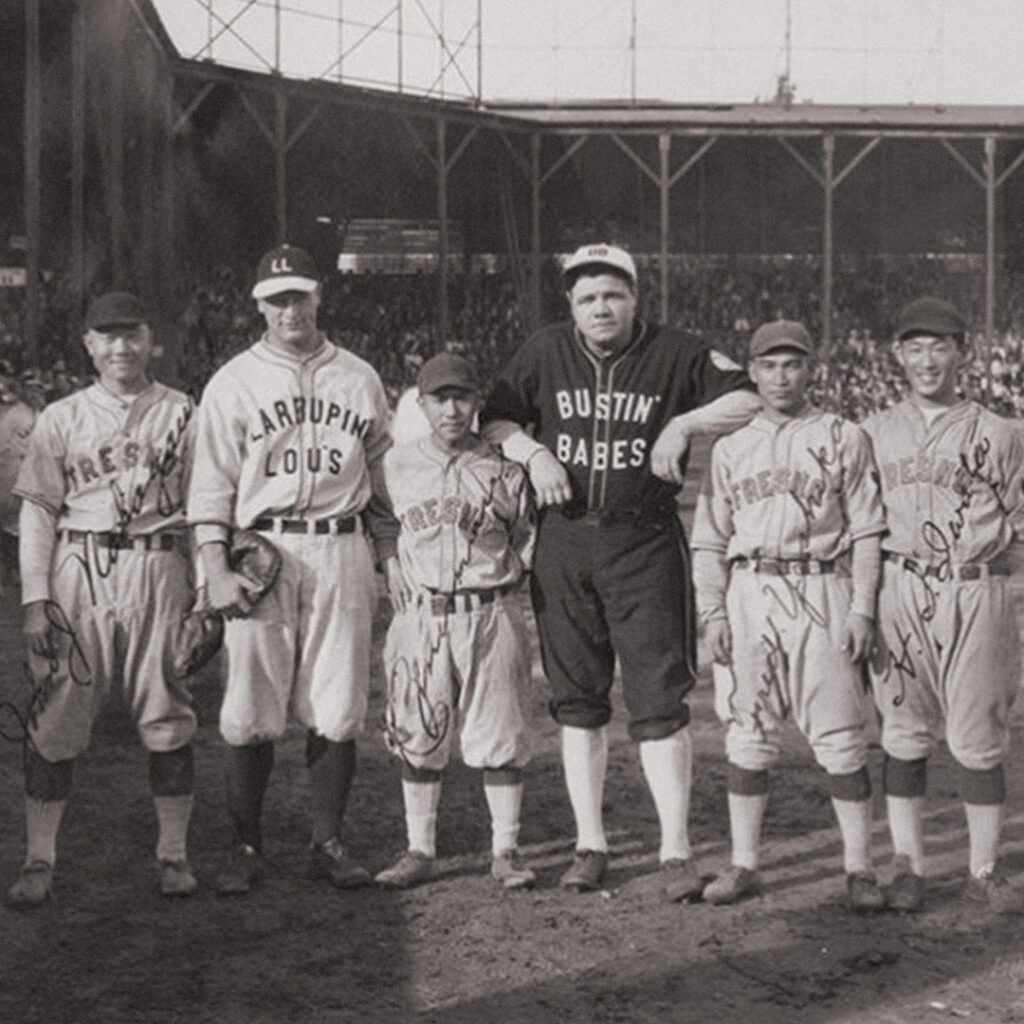
Before he was organizing inter-camp baseball tournaments, Kenichi Zenimura was standing shoulder to shoulder with the biggest names in baseball.
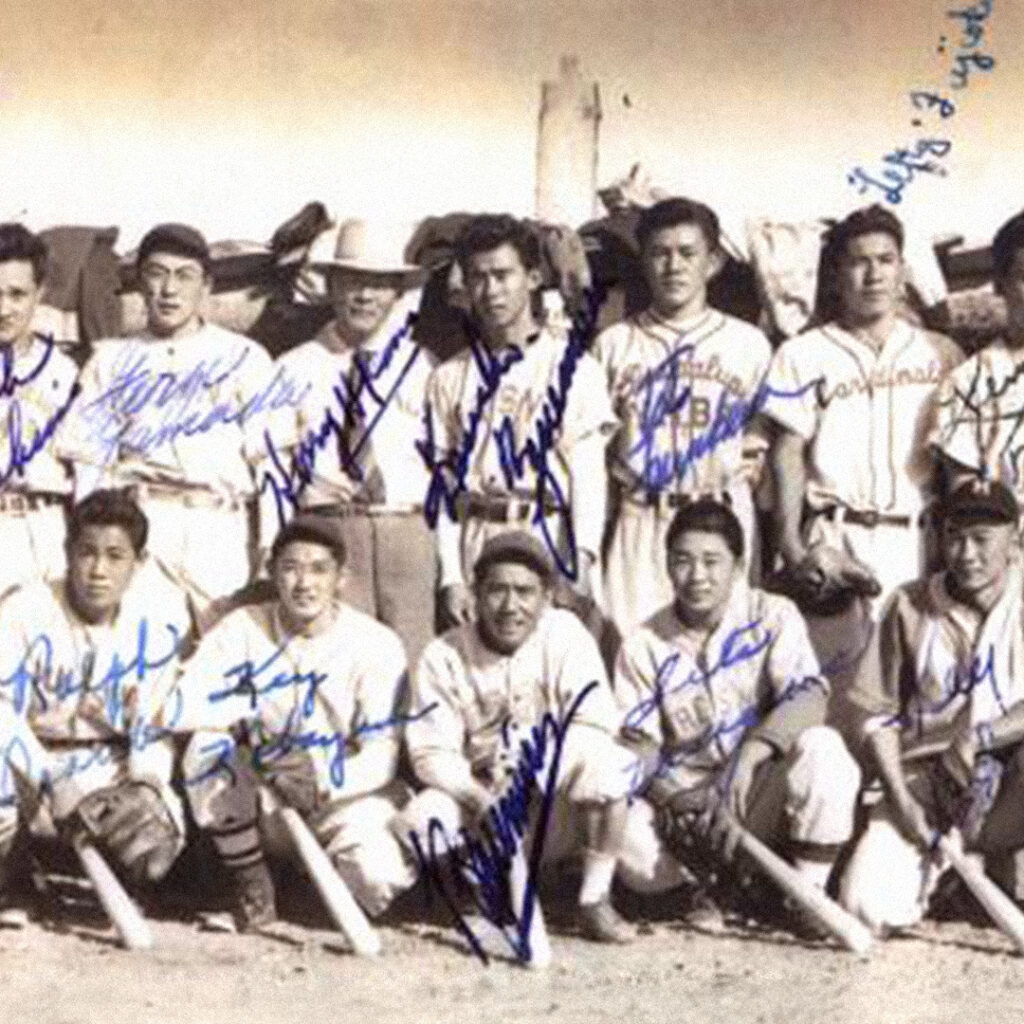
Truly an all-star lineup led by the legend, Kenichi Zenimura, this team was selected from a staggering 32 baseball teams from Gila River incarceration camp in Arizona.
As American as they’ve felt.
The series generated immense excitement — not just for the game, but for what it symbolized. Baseball had long been a national pastime, but for the Japanese Americans locked in American concentration camps during World War II, it became something more. An expression of their “Americanness.” A reclaiming of identity. A form of escape.
Gila River ultimately won the series, taking nine of the 13 games. One game went into extra innings. One was called off due to a violent dust storm when the pitcher couldn’t even see the catcher.
In order for them to fight each other, they had to first fight prejudice.
What made this even more remarkable was that the War Relocation Authority allowed the Gila River team, composed of incarcerated men, to travel unguarded by bus and train. To avoid attracting attention, the team split into two groups and told people they were traveling to help with beet and potato harvests. Still, they were subjected to racist slurs along the way.
Funding the trip wasn’t easy. Heart Mountain residents pre-sold booster and bleacher tickets to cover one-third of the expenses. Gila River fans, especially the Issei (first-generation) parents of the players, contributed equally. The players themselves worked hard to cover the rest: farming at camp, picking cotton on nearby corporate farms, even sewing camouflage nets for the U.S. military, while getting paid well below the minimum wage.
Kenichi Zenimura and his players generated so much excitement and community support that they were able to fund a cross-country inter-camp tournament — while incarcerated.
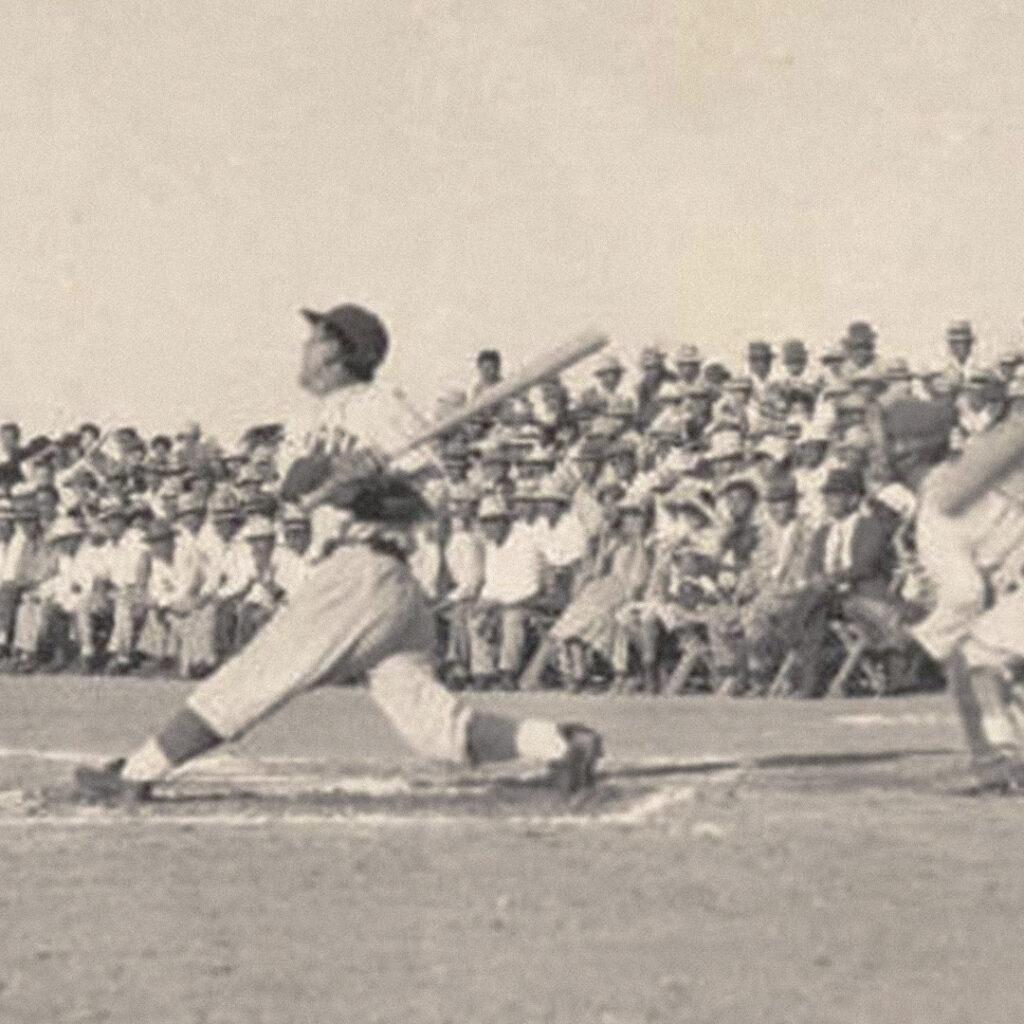
Mori Shimada at bat. Kenichi Zenimura behind the plate. Two legends of Japanese American baseball faced off during the 1944 Heart Mountain–Gila River All-Stars series.
America’s favorite pastime was also Japanese America’s, too.
Heart Mountain welcomed the Gila team with hospitality: banquets, parties, even dance socials. For a moment, the fences faded.
Baseball was huge at both camps. Gila River ran a 32-team league year-round. At Heart Mountain, players like George Iseri and Mori Shimada kept the games quite competitive. Iseri, from Wapato, WA, was the only pitcher to beat Gila Team twice.
As one player later reflected, “Putting on a baseball uniform was like putting on the American flag.”
No one from the series went on to the Major Leagues, although many of them had incredible skills. But for the players and the people who watched from behind barbed wire, this series was something even bigger than baseball. It was a field of dreams — dreams to lead normal American lives again.