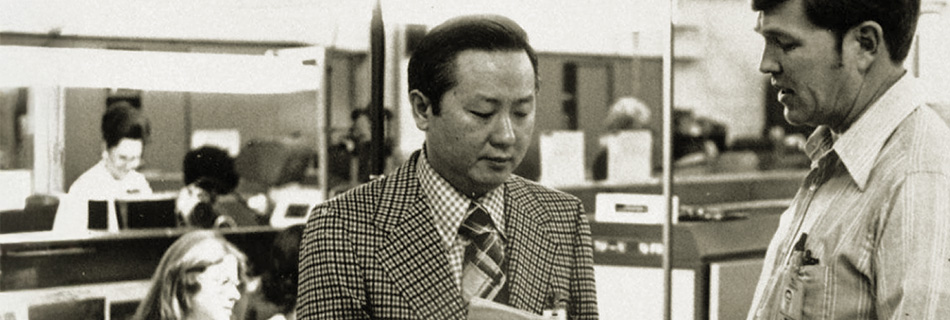
Morris Chang
Morris Chang was passed over for CEO at Texas Instruments before founding TSMC, the company that transformed Taiwan into the global leader in advanced semiconductor manufacturing.
Morris Chang was passed over for CEO at Texas Instruments before founding TSMC, the company that transformed Taiwan into the global leader in advanced semiconductor manufacturing.
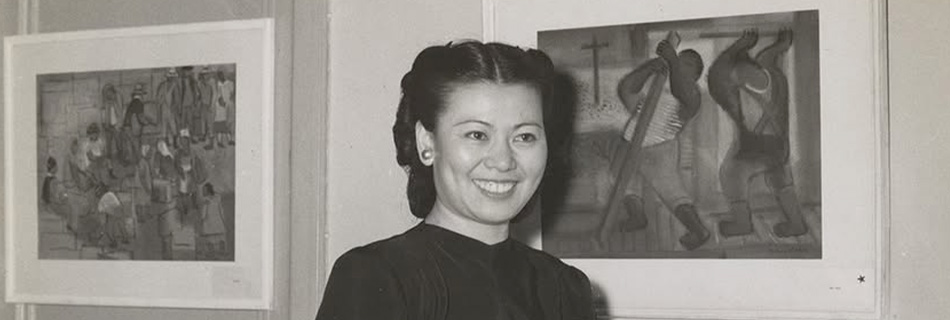
Artist Miné Ōkubo created more than 2,000 sketches while incarcerated during World War II. Her memoir, Citizen 13660, became one of the most important firsthand accounts of the Japanese American incarceration.
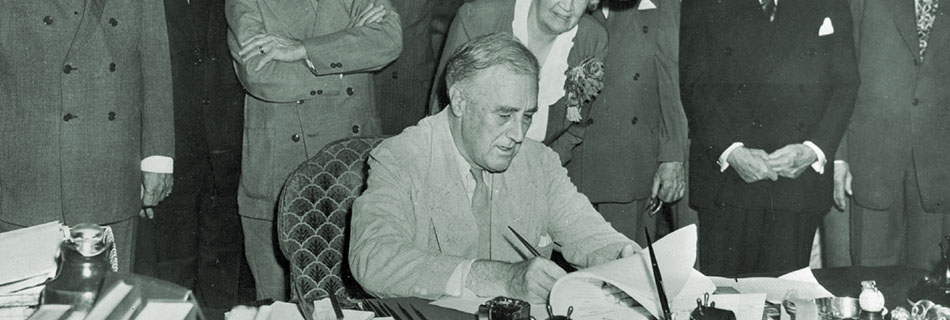
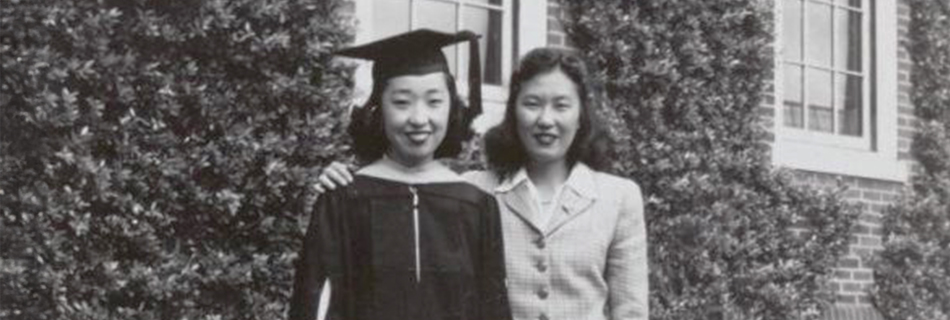
Behind barbed wire, thousands of Japanese American students faced a future that suddenly seemed impossible. Through determination, community support, and the work of the National Japanese American Student Relocation Council, more than 4,000 students found their way back to college.
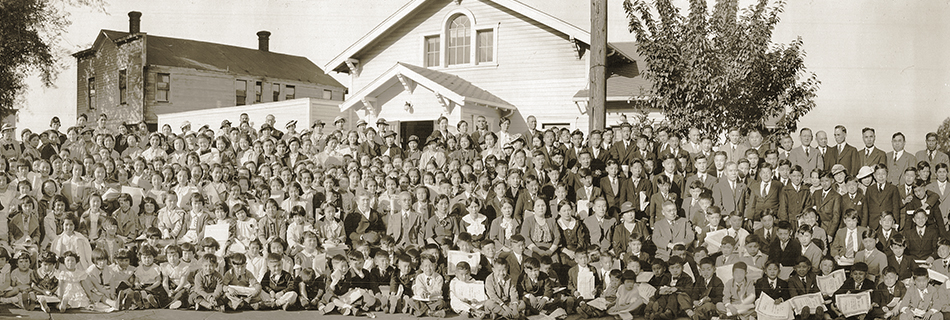
A school built to preserve language, culture, and dignity for Tacoma’s Japanese American children later became a registration site for their forced removal during World War II. The same place that taught them how to belong became one of the places where they were ordered to disappear.
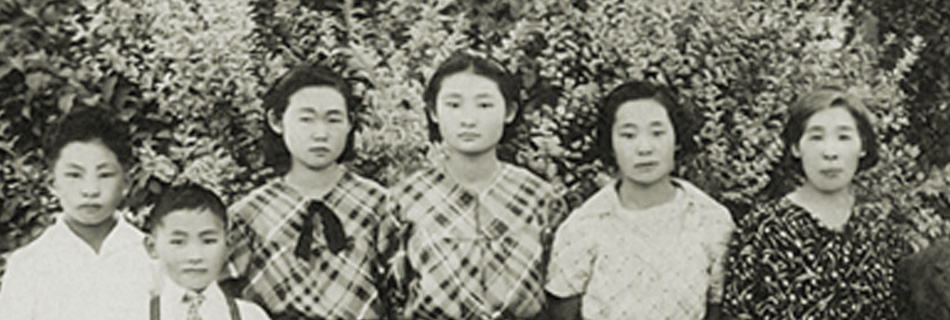
She lost three members of her family in an incarceration camp. She then spent her life bringing new ones into the world. March 15, 1920: Mary Sakaguchi Oda, a physician whose medical training was interrupted by World War II incarceration, was born in North Hollywood, California. Her life would become a story of remarkable resilience.

Born in a diverse Seattle neighborhood in 1925, Aki Kurose’s childhood was interrupted by incarceration and discrimination. Those experiences fueled her lifelong work to dismantle segregation, expand access to education, and reshape public schools for the children most often left behind.

Born in 1915, Mary Tsukamoto overcame poverty, arthritis, and unjust incarceration to become a pioneering educator and civil rights leader whose legacy still shapes California classrooms today.
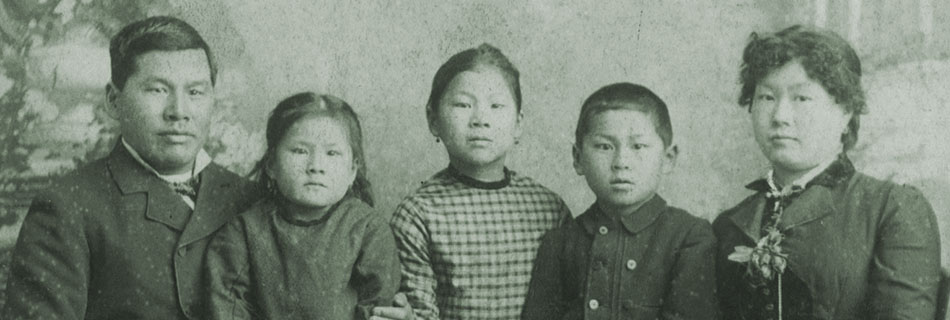
On January 9, 1885, the California Supreme Court ruled that denying Mamie Tape admission to public school because she was Chinese violated the Fourteenth Amendment. The law was clear. California’s response was not.