There’s no such thing as a bad day when you’re fishing. Even when you’re incarcerated.
March 30, 2012: “The Manzanar Fishing Club” premiered
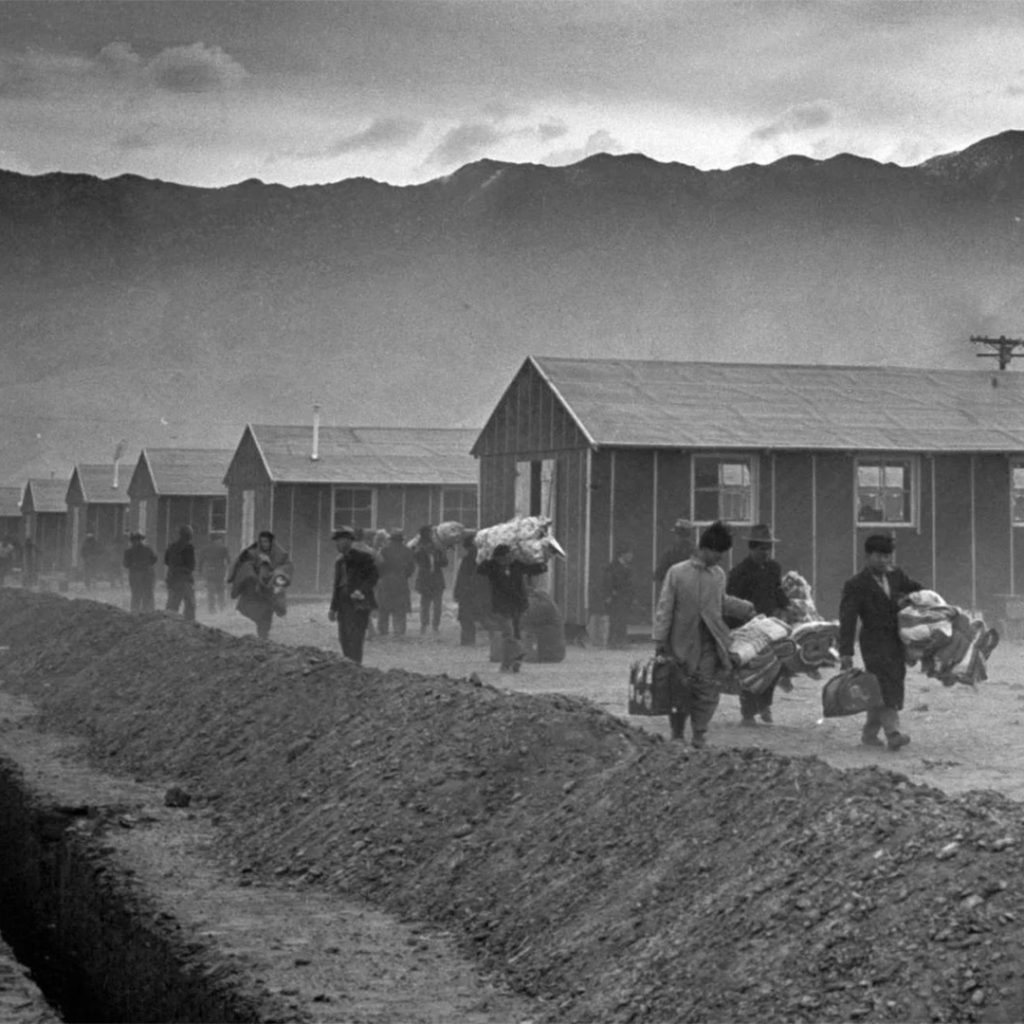
During World War II, thousands of Japanese Americans were forcibly removed from their homes and imprisoned in concentration camps across the U.S. One of those camps was Manzanar — a remote, windswept stretch of desert at the base of the Sierra Nevada mountains.
But behind the barbed wire and under the watch of armed guards, a quiet act of rebellion unfolded.
The first group of Japanese-Americans arrive at the Manzanar War Relocation Center, one of ten major incarceration camps during WWII, 1942
An American soldier guarding the Manzanar camp, where more than 11,000 people were imprisoned. By definition, it was a “concentration camp.” May 23, 1943
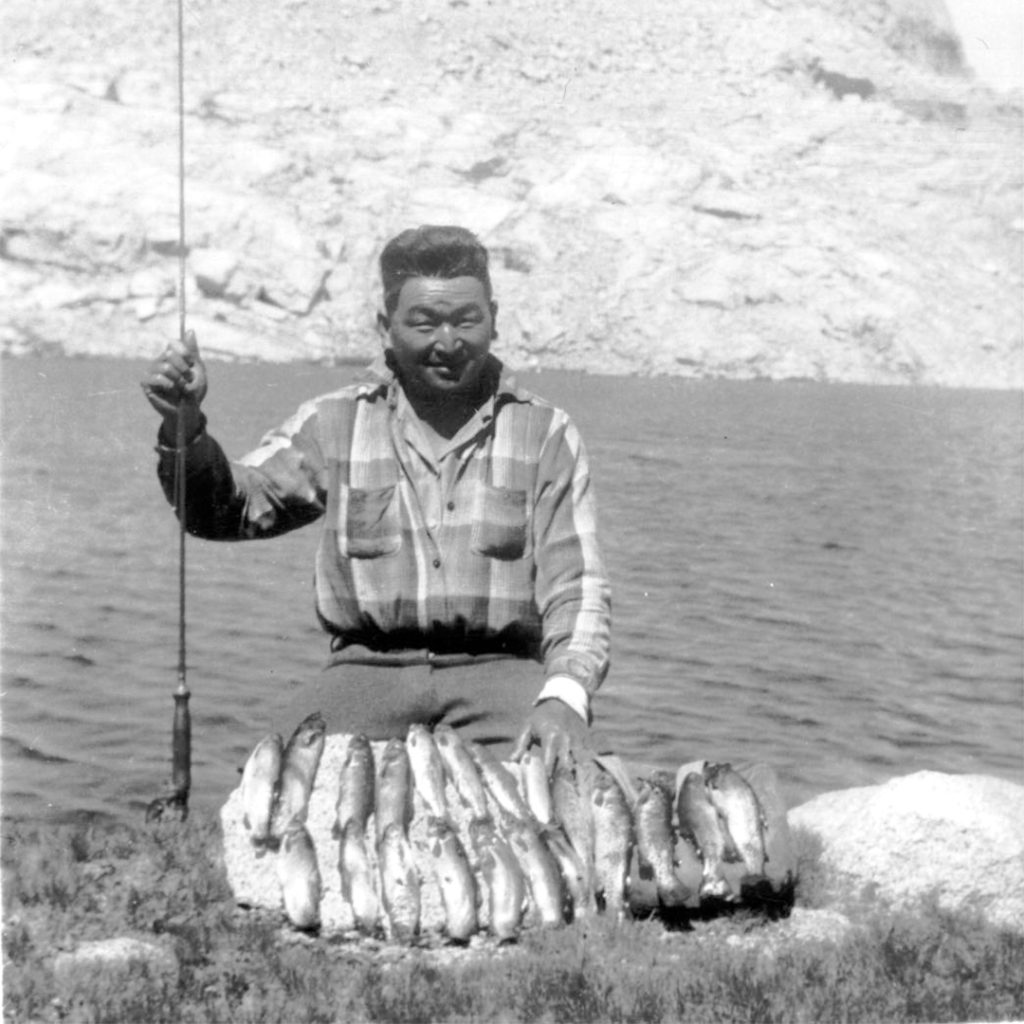
Tadao Kobata at the Williamson Basin, photo courtesy of Danny Hashimoto
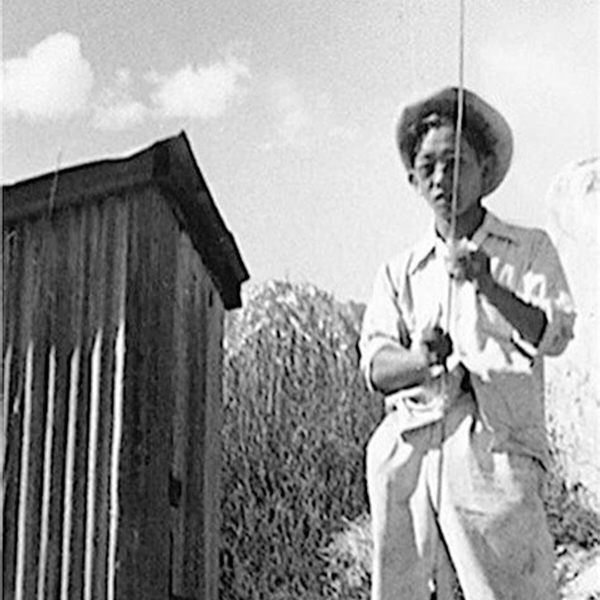
Archie Miyatake at Symmes Creek, photo courtesy of Danny Hashimoto
Some of the incarcerated Japanese Americans at Manzanar risked everything for a few hours of peace. In the dark of night, they slipped past the perimeter, fishing poles in hand, and made their way toward the icy streams of the Eastern Sierra.
They weren’t trying to escape the camp. They were trying to escape despair.
Fishing gave them a small piece of freedom. A return to normalcy. A way to hold onto their dignity when the world had taken so much from them.
On March 30, 2012, The Manzanar Fishing Club — a documentary directed by Cory Shiozaki — brought this largely unknown chapter of history to light.
More than just a story about fishing, the film chronicles the resilience of the human spirit. Through firsthand accounts, it tells of those who defied unjust confinement not with violence or protests, but with bait, tackle, and quiet determination.
The documentary shifts the focus away from the fences and guard towers, and toward the values that endured despite them: courage, independence, and the will to live freely — even if only for a few hours at a time.
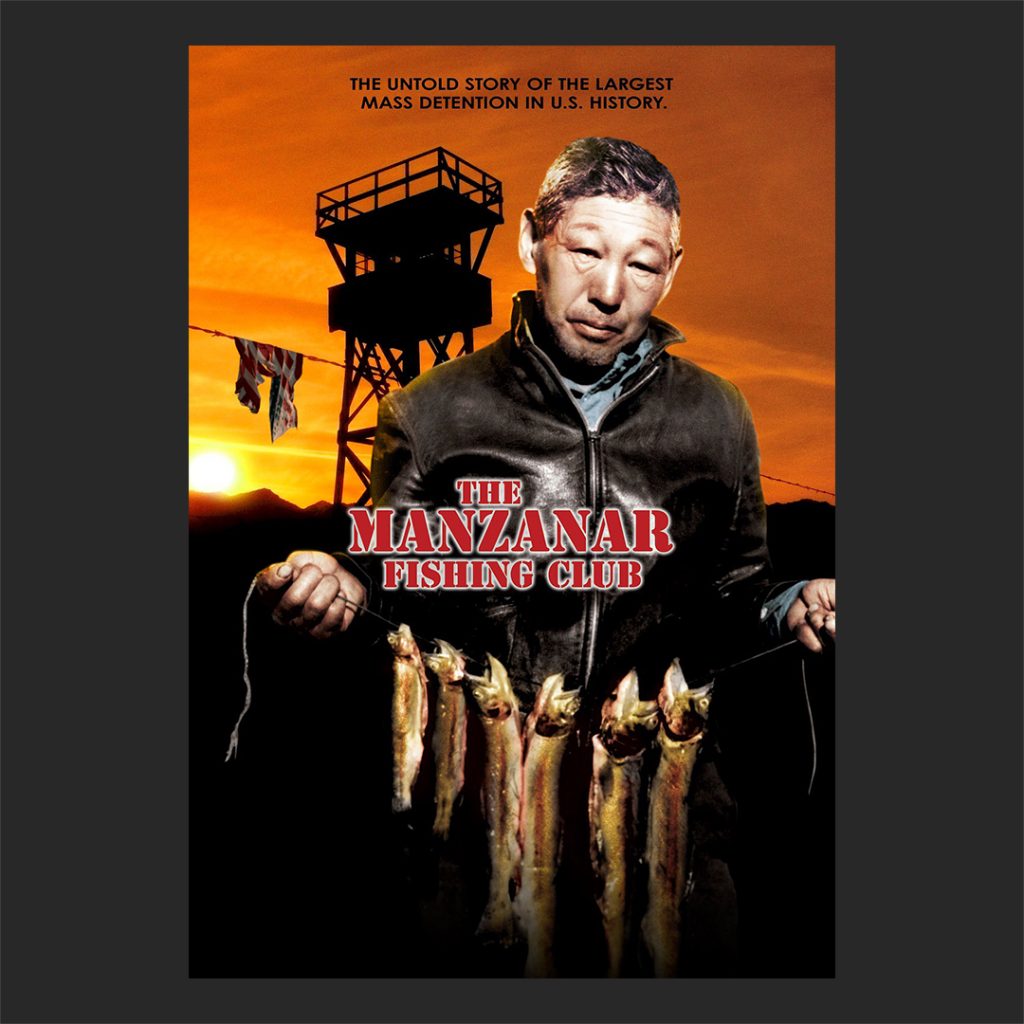
Cover of "The Manzanar Fishing Club" DVD
Cory Shiozaki and Richard Imamura receiving the Certificate of Congressional Recognition
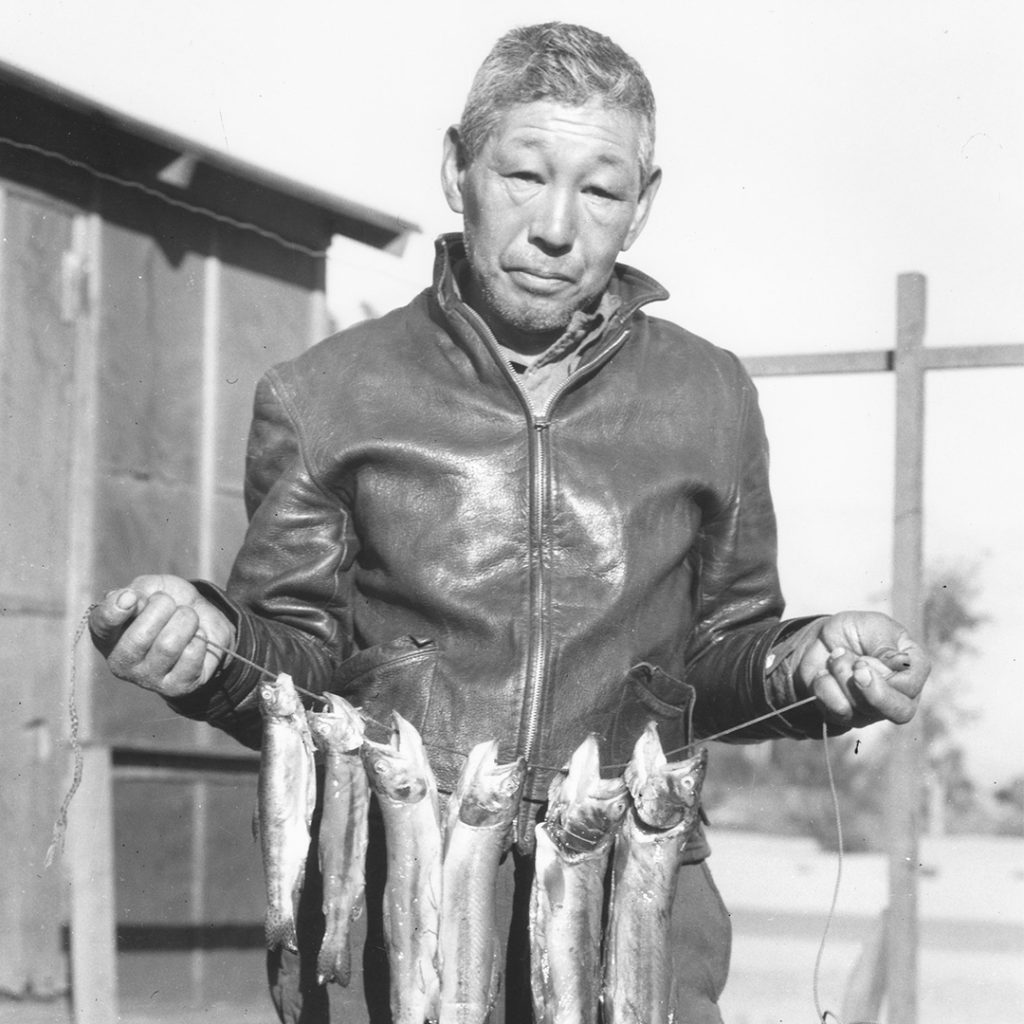
Heihachi Ishikawa with a stringer of golden trout in 1945, photo by Toyo Miyatake
There were no headlines. No dramatic escapes. Just ordinary Americans doing something ordinary — fishing.
And in that ordinariness was defiance.
It was a reminder that even in the most dehumanizing conditions, people still found ways to be human. Still found joy. Still cast their lines into the rushing water and reclaimed a part of themselves.
This was the untold story of those who refused to knuckle under.
They tried to confine them. They couldn’t confine their spirit.
![An American soldier guarding the incarceration camp at Manzanar, May 23, 1943 [AP FILE]](https://quietamericans.com/staging/wp-content/uploads/2025/03/Manzanar-guard_1080x1080-1024x1024.jpg)