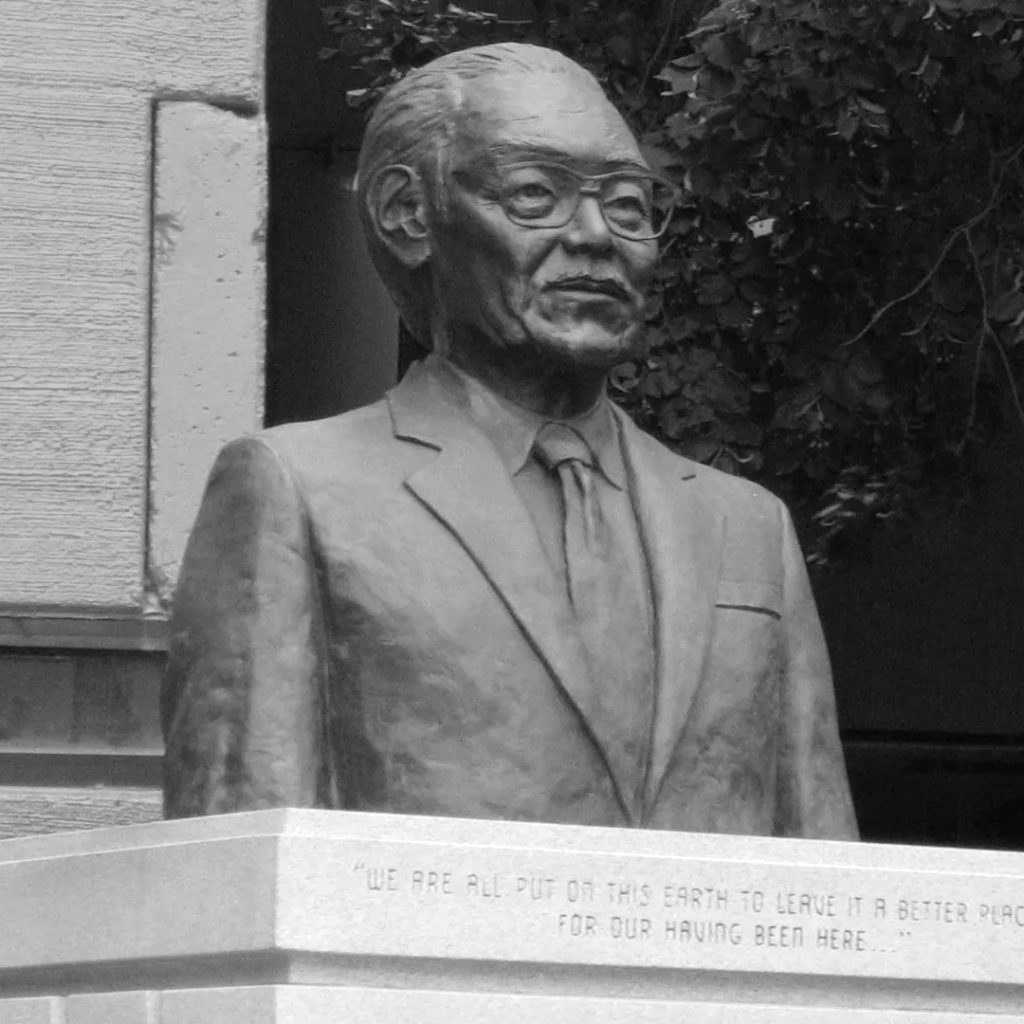
To defend the Constitution, a young lawyer did the unthinkable. He went for a walk.
March 28, 1942:
Minoru Yasui’s Civil Disobedience
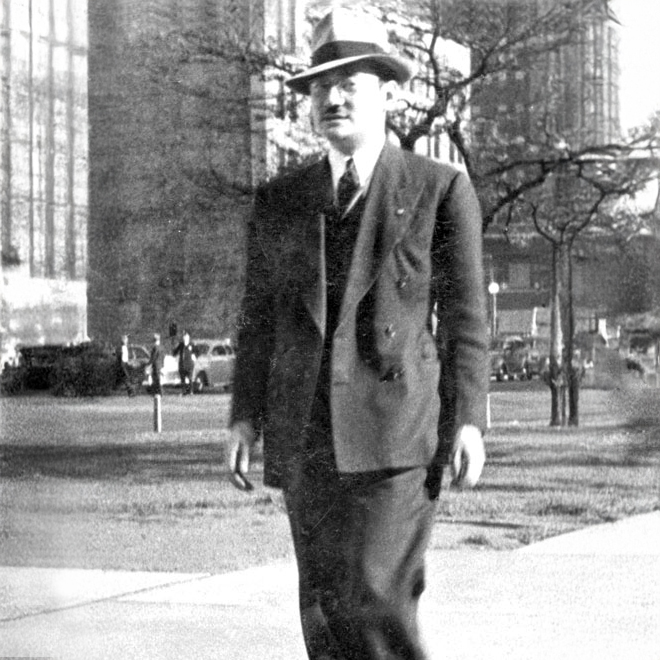
On the night of March 28, 1942, Minoru Yasui stepped out into the streets of Portland, Oregon. It was just after 11 p.m., past the military-imposed curfew that applied only to people of Japanese ancestry. Yasui wasn’t out for a stroll. He was making history.
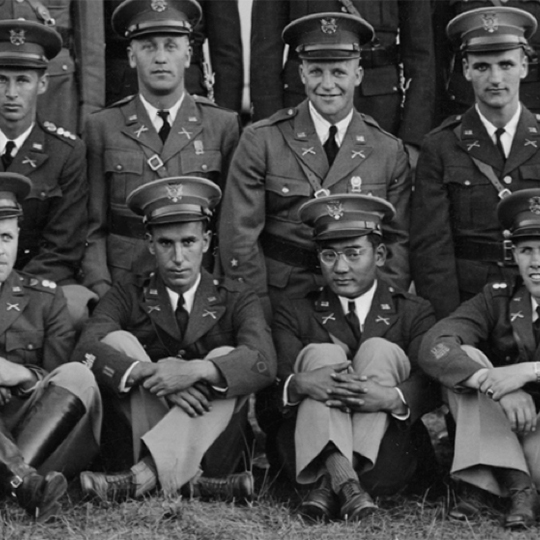
A 25-year-old attorney and U.S. Army Reserve officer, Yasui had decided to challenge the constitutionality of the curfew orders issued under Executive Order 9066. That night, he deliberately walked into a police station and asked to be arrested. They turned him away. So he walked the streets longer until an officer finally detained him.
Minoru Yasui strolling in 1941
Minoru Yasui as a second lieutenant in the U.S. Army Reserves
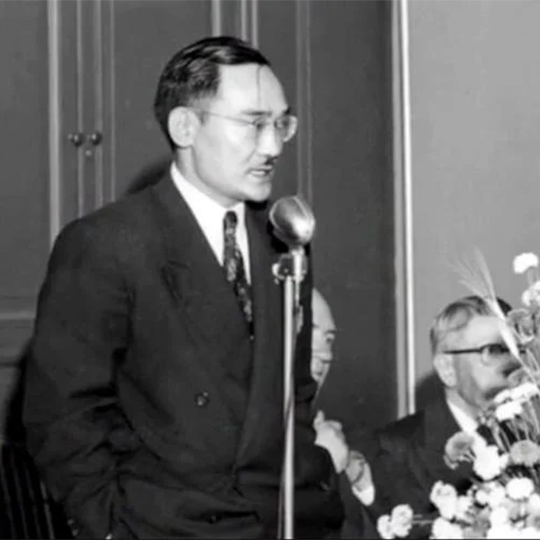
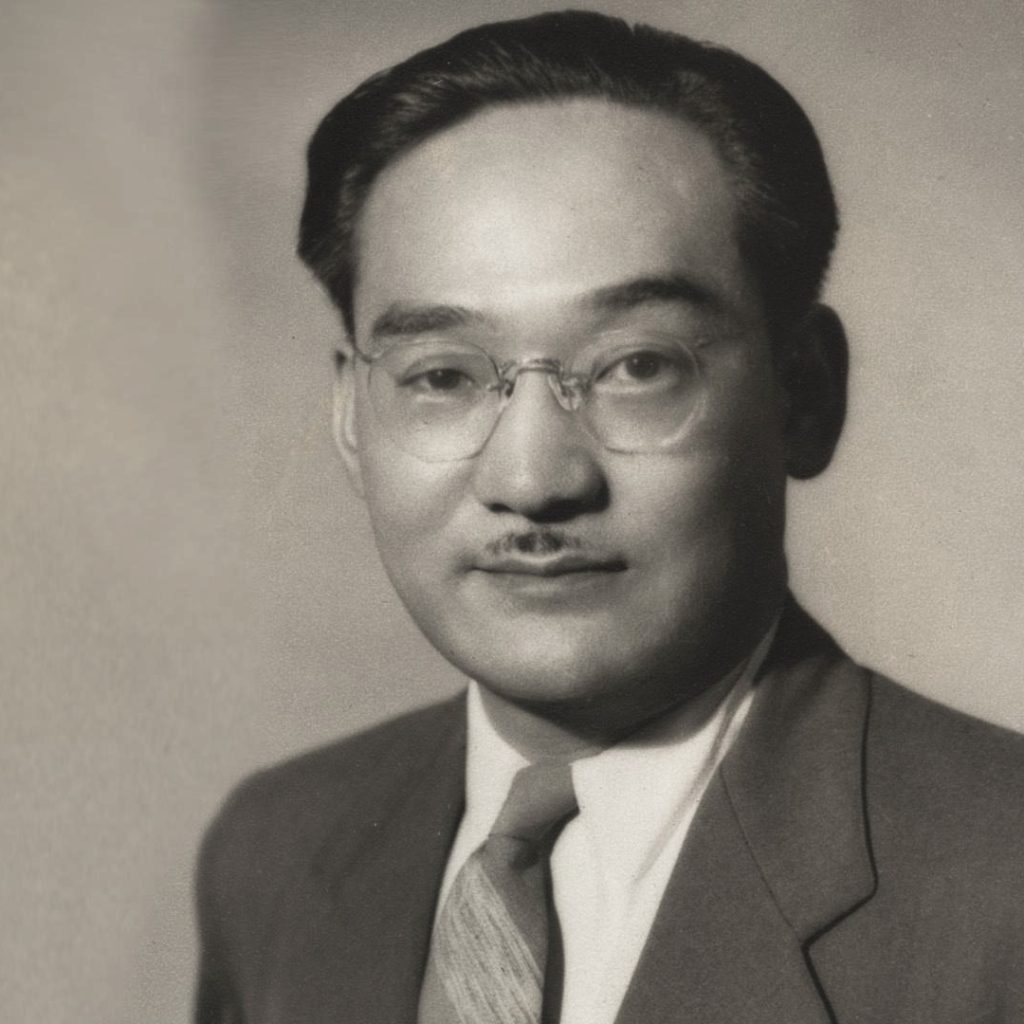
Minoru Yasui spent decades fighting for Japanese Americans’ constitutional rights.
Yasui would become the first Japanese American to intentionally violate the exclusion laws as a test case. He was convicted in federal court. His case went all the way to the Supreme Court, which ultimately upheld the government’s actions. It would take decades before his conviction was vacated in 1986.
Minoru Yasui’s act of civil disobedience wasn’t just about the curfew — it was about the soul of the Constitution. About who gets protection under the law, and who is excluded from it. He risked everything because he believed America could, and should, do better.
Imagine knowing that obeying the law meant surrendering your rights, and breaking it meant defending the Constitution.