She stayed in camp two extra years to prove a point.
April 3, 1942: California fired 400 Japanese Americans, including Mitsuye Endo.
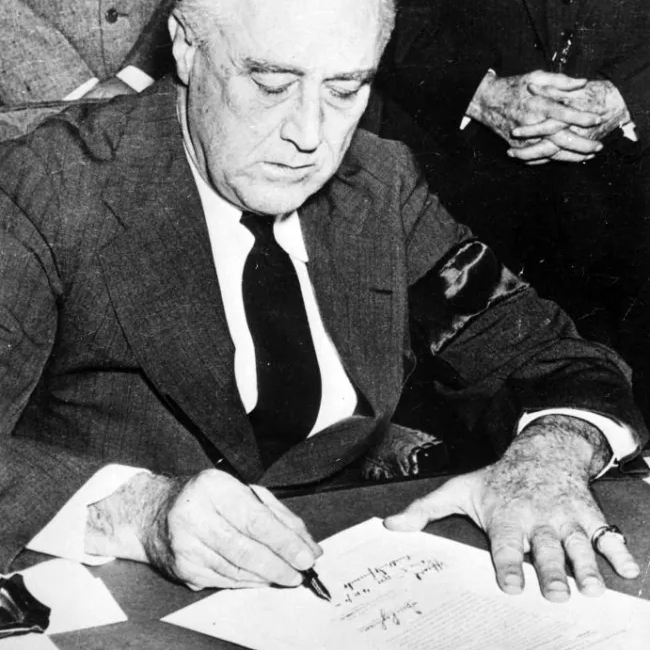
It happened just weeks after President Roosevelt signed Executive Order 9066, authorizing the mass removal of people of Japanese ancestry from the West Coast.
Without warning, more than 400 civil servants — many of them Nisei working for the Department of Motor Vehicles — were handed termination notices by the State of California.
Among them was Mitsuye Endo.
She had done nothing wrong. She had a spotless record. She was a loyal American citizen.
Yet losing her job would become only the beginning.
Courtesy of the National Archives and Records Administration
February 19, 1942 — Franklin Roosevelt signs Executive Order 9066, setting in motion the mass incarceration of over 120,000 Japanese Americans during WWII
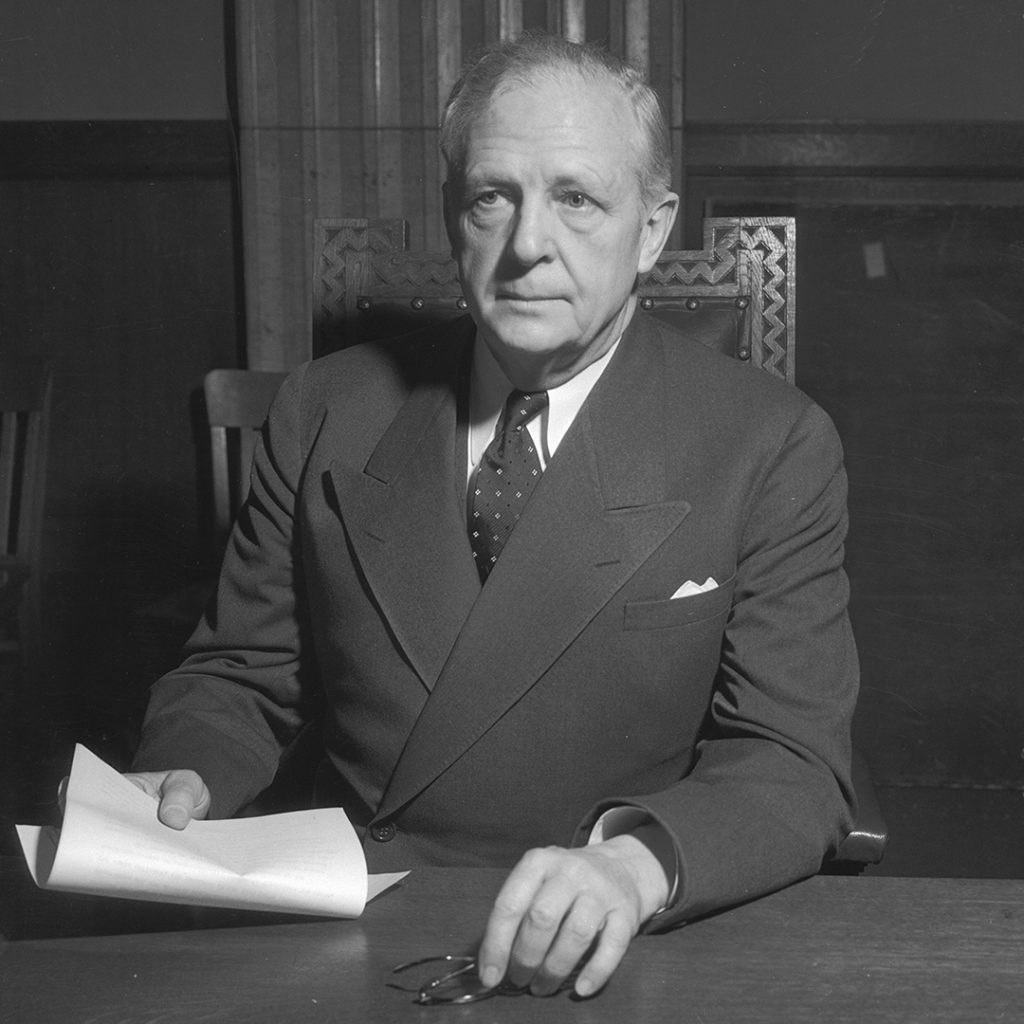
California Governor Culbert Olson justified the mass firing as a wartime precaution. But it wasn’t precaution. It was panic, politics, and prejudice.
Courtesy of the Utah State Historical Society
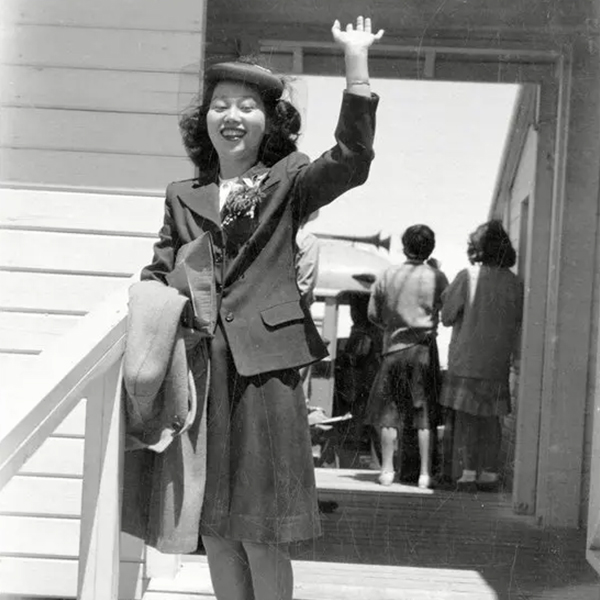
Mitsuye Endo with a coworker in Sacramento, where she worked quietly as a clerical employee before California abruptly fired more than 400 Japanese American civil servants.
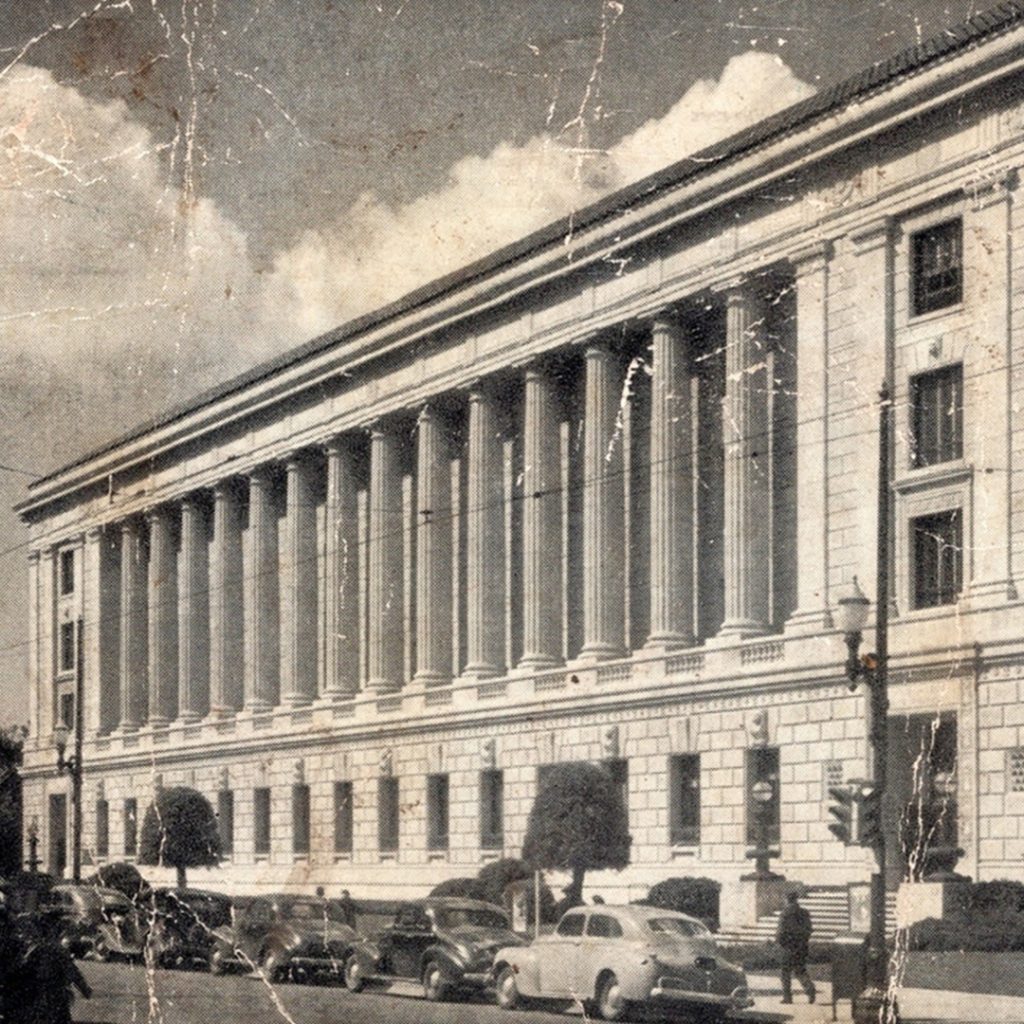
The Sacramento Federal Building, where Mitsuye Endo’s fight against wartime incarceration entered the federal courts.
Courtesy of the National Archives and Records Administration
Tule Lake, where Mitsuye Endo’s legal challenge began before she was later transferred to Topaz during the appeals.
A Very American Japanese American
Mitsuye Endo was a soft-spoken clerical worker from Sacramento.
She agreed to become the lead plaintiff in a legal case challenging the government’s wartime incarceration of Japanese Americans. At the time, she was already being held at Tule Lake in Northern California, one of over 120,000 Japanese Americans removed from their homes and locked up without trial.
She was American from every angle: Christian, educated, fluent in English, and unable to speak, read, or write Japanese. Endo had never left the United States, was a Sacramento public school graduate and did not have ties to Japan. Her brother was an active duty Army serviceman.
Yet she was imprisoned with all the others, simply because of her surname.
Habeas Corpus: Two Years of Sacrifice
On July 13, 1942, attorney James C. Purcell filed a writ of habeas corpus on Mitsuye Endo’s behalf. His argument cut to the heart of the Constitution: “If you can abrogate certain sections of the Constitution and incarcerate any person without trial or charges just because you do not like his nationality, what is to prevent from abrogating any or all of the Constitution?”
The following year, Judge Michael J. Roche of the U.S. District Court in Northern California denied her petition. But the government saw what was coming next. Expecting an appeal, the War Relocation Authority quietly offered to release Endo and her family on one condition: they could never return to the West Coast or her former home. She turned it down.
The decision kept her incarcerated for two extra years. Looking back, Endo later explained why: “The fact that I wanted to prove that we of Japanese ancestry were not guilty of any crime, that we were loyal American citizens, kept me from abandoning the suit.”
Courtesy of The Bancroft Library / UC Berkeley
Judge Michael J. Roche denied Mitsuye Endo’s first habeas petition, forcing her case onto the long path to the Supreme Court.
After first being held at Tule Lake, Mitsuye Endo was transferred to Topaz, Utah, where she remained incarcerated rather than abandon the legal fight.
Courtesy of Kathleen Purcell and Densho
Purcell spent his legal career challenging racist laws in California, helping overturn some of the most discriminatory policies of his time, including the Endo case.
Mitsuye Endo leaving Topaz after the Supreme Court ruled in her favor, ending the government’s legal authority to keep loyal Japanese Americans incarcerated.
Ex parte Endo
Her case was meticulously chosen and brought forward by attorney Purcell, who knew that the quiet strength of someone like Endo would be hard for the courts to ignore. And he was right. The case became Ex parte Endo. It went all the way to the U.S. Supreme Court.
The government may have sensed what was coming.
On December 17, 1944 — one day before the Court issued its ruling — officials preemptively announced that the incarceration camps would be closed.
Then the decision came. The Court ruled unanimously in Endo’s favor. The government, they said, could not detain a loyal American citizen without cause. The ruling didn’t just restore her rights. It destroyed the legal foundation for the camps and accelerated their dismantling.
A Quiet Hero
Mitsuye Endo never sought the spotlight. She rarely gave interviews. She once explained her choice to fight quietly and legally by saying: “I was just doing it for the good of everybody.”
She was fired because of who she was.
But in standing up — quietly, courageously — she helped dismantle a system that violated the Constitution and betrayed the very ideals the U.S. claimed to be fighting for overseas.
On April 3, 1942, the State of California tried to erase 400 public servants. But history remembers one of them.
Her name was Mitsuye Endo.
And in the long story of American injustice — she remains one of its most powerful, most underestimated heroes.
A later newspaper tribute to Mitsuye Endo Tsutsumi, whose quiet legal fight helped bring an end to the incarceration of Japanese Americans during World War II.
Mitsuye Endo at work as a quiet clerical employee, before the State of California tried to erase her, and before she helped dismantle America’s concentration camps.
Share this article
In 1942, the California DMV fired 400 employees because they were “Japanese.” And you thought your DMV was bad.
April 3, 1942: California Fires 400 Japanese Americans
It happened on April 3, just weeks after President Roosevelt signed Executive Order 9066, authorizing the mass removal of people of Japanese ancestry from the West Coast.
Without warning, over 400 civil servants — many of them Nisei (second-generation American-born citizens) — were handed termination notices by the State of California. Most worked for the Department of Motor Vehicles. Some had served for years. Some had spotless records.
None were accused of misconduct. None were given a hearing. Their only crime was ancestry.
California Governor Culbert Olson justified it as a wartime precaution. But it wasn’t precaution. It was panic, politics, and prejudice, wrapped in the American flag.
February 19, 1942 — Franklin Roosevelt signs Executive Order 9066, setting in motion the mass incarceration of over 120,000 Japanese Americans during WWII
California Governor Culbert Olson justified the mass firing as a wartime precaution. But it wasn’t precaution. It was panic, politics, and prejudice.
Sacramento Federal Building
Mitsuye Endo with coworker
Among those fired was Mitsuye Endo, a soft-spoken clerical worker from Sacramento. She didn’t lead rallies. She didn’t carry a protest sign. But she would go on to do something far more powerful.
Mitsuye Endo agreed to become the lead plaintiff in a legal case challenging the government’s wartime incarceration of Japanese Americans. At the time, she was already being held in a camp in Topaz, Utah, one of over 120,000 Japanese Americans removed from their homes and locked up without trial.
She was American from every which angle — Christian, educated, fluent in English, and she couldn’t speak, read, or write Japanese. Yet she was imprisoned with all the others, simply because of her surname.
Her case was meticulously chosen and brought forward by attorney James Purcell, who knew that the quiet strength of someone like Endo would be hard for the courts to ignore. And he was right. The case became Ex parte Endo. It went all the way to the U.S. Supreme Court.
On December 18, 1944, after years of waiting, the Court ruled unanimously in her favor. The government, they said, could not detain a loyal American citizen without cause. The ruling didn’t just restore her rights. It undermined the entire legal basis for the incarceration camps. It cleared the path for their dismantling.
Mitsuye Endo never sought the spotlight. She rarely gave interviews. She once explained her choice to fight quietly and legally by saying:
“I was just doing it for the good of everybody.”
James C. Purcell, credit Kathleen Purcell
Mitsuye Endo leaving Topaz, Utah, in 1945
Mitsuye Endo, a loyal U.S. citizen, fired from the state of California without a cause. Her courage helped bring the camps down.
Mitsuye Endo’s article after her passing in 2006
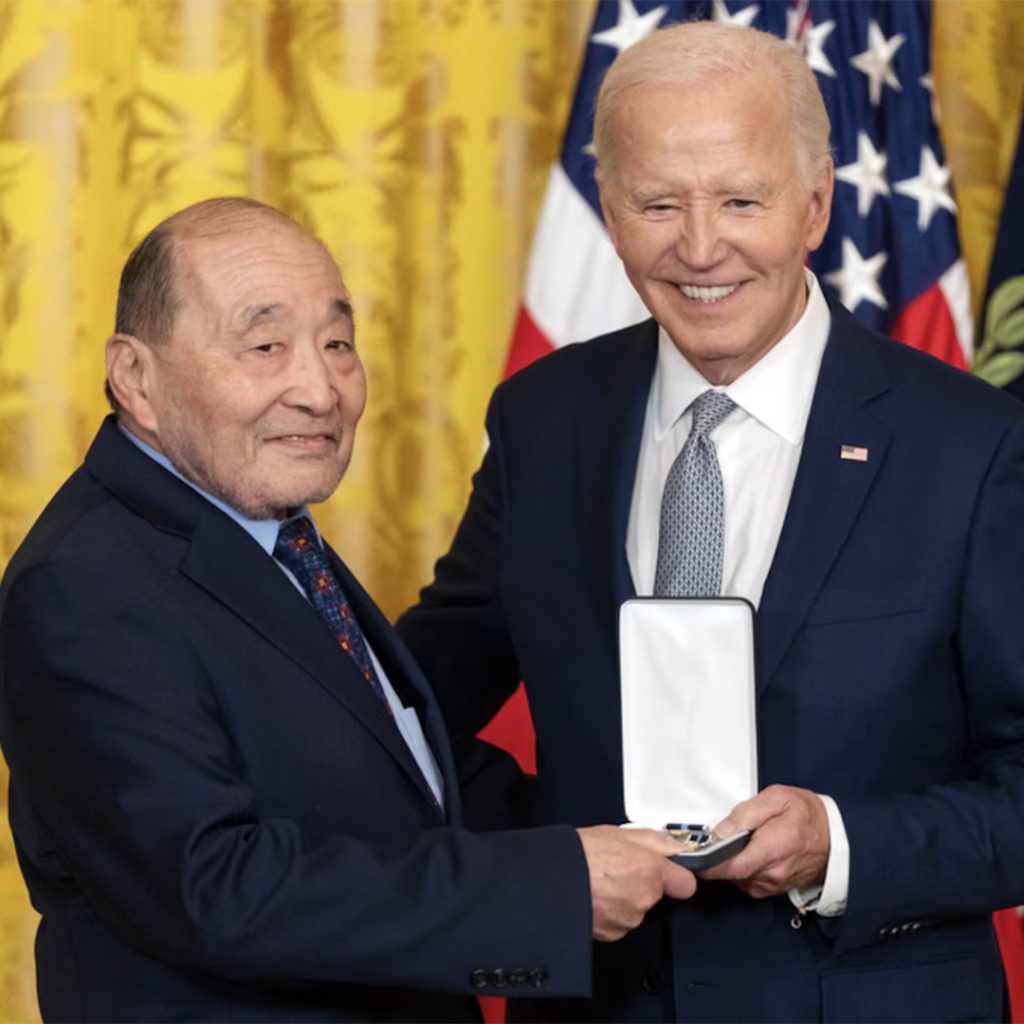
President Joe Biden awarding Presidential Citizens Medal to Wayne Tsutsumi on behalf of Mitsuye Endo
She was fired because of who she was.
But in standing up — quietly, courageously — she helped dismantle a system that violated the Constitution and betrayed the very ideals the U.S. claimed to be fighting for overseas.
On April 3, 1942, the State of California tried to erase 400 public servants.
But history remembers. Her name was Mitsuye Endo.
And in the long story of American injustice, she remains one of its most powerful, most underestimated heroes.