The first Wine King of California had a Scottish accent and a Japanese face.
February 2, 1852: Kanaye Nagasawa — the first Wine King of California and the first Japanese national to live permanently in the United States — was born in Kagoshima, Japan.
He was born Hikosuke Isonaga, into a samurai family of the Satsuma domain, one of the most powerful and forward-thinking clans in Japan. The Satsuma would later help end Japan’s isolation and drive the Meiji Restoration.
But when Nagasawa was a child, Japan was still under sakoku, its centuries-long policy of national isolation. Leaving the country was illegal. Punishable by death.
At around twelve or thirteen, he was chosen as one of fifteen boys secretly sent abroad to study Western science and ideas. To escape, he was smuggled out under a new name: Kanaye Nagasawa. He would never return home.
Nagasawa was first sent to Aberdeen, Scotland, where he lived with associates of Thomas Blake Glover. The years he spent there left him with fluent English and a permanent Scottish accent.
Courtesy of Satsuma Students Museum
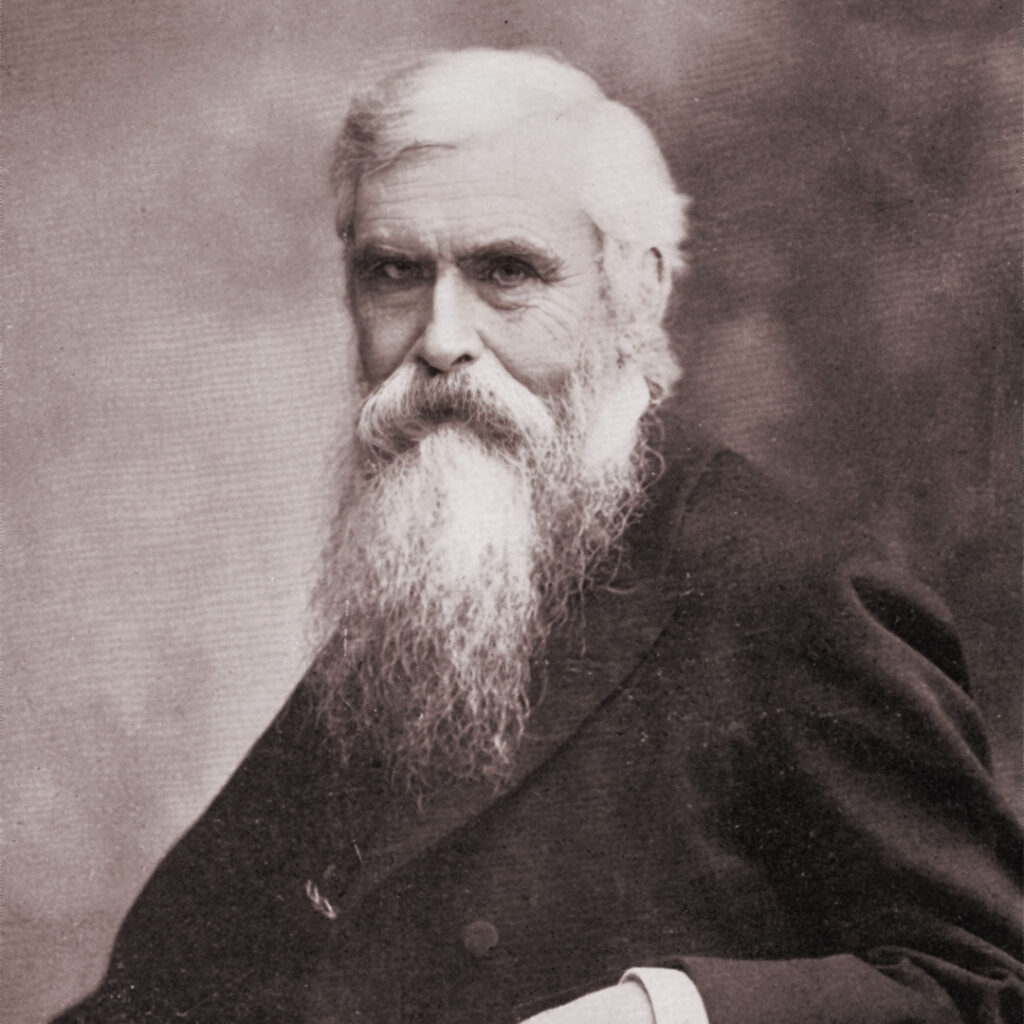
Kanaye Nagasawa, photographed in the United Kingdom after being secretly smuggled out of Japan as a teenager, when leaving the country was illegal under sakoku.
Thomas Blake Glover, a Scottish merchant and industrialist whose network helped smuggle Japanese students out of the country during sakoku.
Thomas Lake Harris, founder of the Brotherhood of the New Life and leader of the Fountain Grove community in Sonoma County, where Kanaye Nagasawa later became a winemaker.
Kanaye Nagasawa was not born into wine. He learned it patiently at Fountain Grove, first under a European-trained winemaker, then alone.
America and a New Life
From Scotland, he traveled to New York to join the communal society led by Thomas Lake Harris, known as the Brotherhood of the New Life. The group believed in spiritual discipline, communal labor, and moral reform.
When Japan reopened after the Meiji Restoration, most of the other boys returned home. They became diplomats, scholars, and ambassadors. Nagasawa did not. He stayed.
In 1875, at age 23, Nagasawa arrived in California with Harris. The Brotherhood established a utopian community in Sonoma County called Fountain Grove, initially a 600-acre estate. Over time, the community expanded to more than 2,000 acres of prime agricultural land. Harris brought in Dr. John Hyde to plant vineyards and teach winemaking. When Hyde left, Nagasawa took over. What followed reshaped California wine.
Wine King of California
Under his stewardship, Fountain Grove wines were exported to New York, England, Europe, and Japan. They won international medals and were widely marketed abroad. For many overseas consumers, California wine became known through Nagasawa’s bottles.
Local residents and the growing Japanese community began calling him the “Wine King of California.” Others referred to him as “Prince” or “Baron” Nagasawa, a nod to his samurai heritage. Some would later describe him as “the Robert Mondavi of his time.”
After journalist exposés damaged Harris’s reputation, Harris left Fountain Grove in 1891 and never returned. When he died in 1906, Nagasawa became leader of the Brotherhood of the New Life. By 1916, he was its last remaining resident. He stayed at Fountain Grove, hosting local officials, diplomats, and Japanese embassy representatives. He read constantly. He spoke impeccable English. He entertained lavishly — even during Prohibition.
Courtesy of Museum of Sonoma County
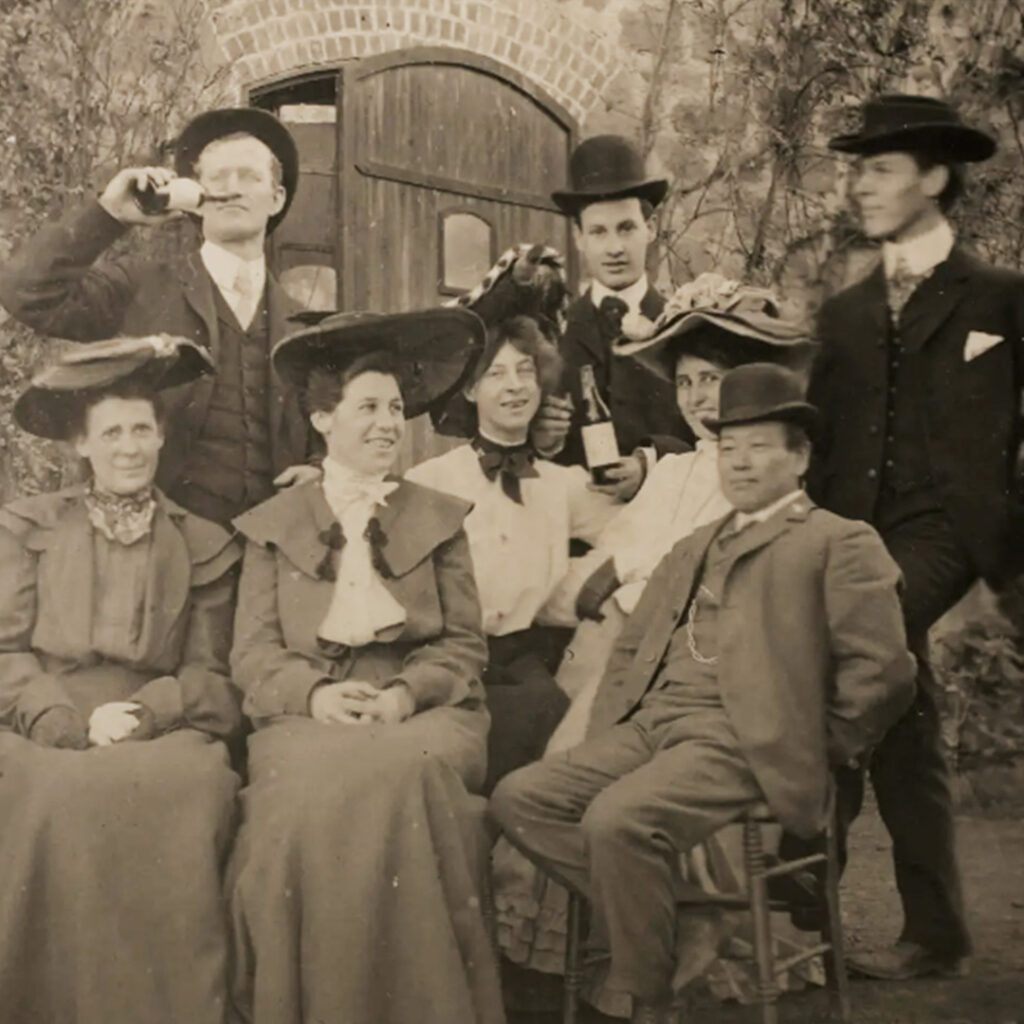
Outside his Fountain Grove cellar, c1910. Kanaye Nagasawa lived a life of refinement, hospitality, and success — one the American legal system wouldn’t protect.
Courtesy of Gaye LeBaron Digital Collection
Thomas Lake Harris and Kanaye Nagasawa at Fountain Grove. Harris, the original founder of the Brotherhood of the New Life, with Nagasawa, who took over.
Courtesy of Paradise Ridge Winery
Kanaye Nagasawa with his niece, grandnephew, and grandniece. Despite building one of California’s most valuable wine estates, Nagasawa was barred from passing it on.
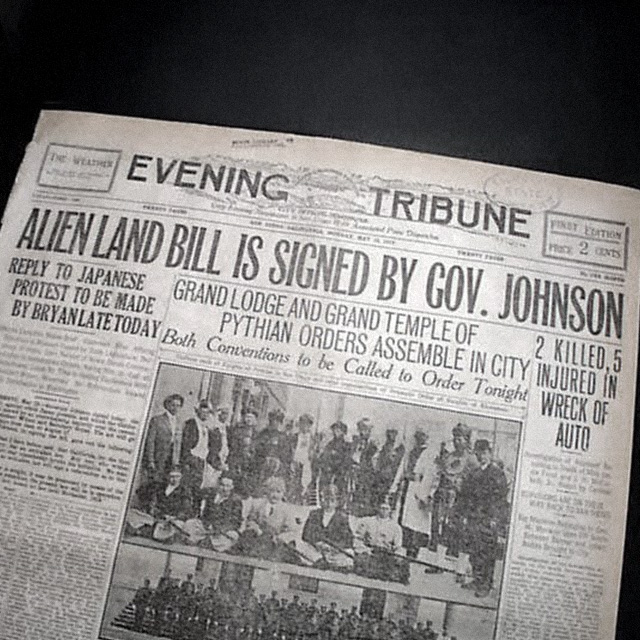
Headline announcing California’s Alien Land Law of 1913 — the first statewide law designed to keep Japanese immigrants from owning farmland.
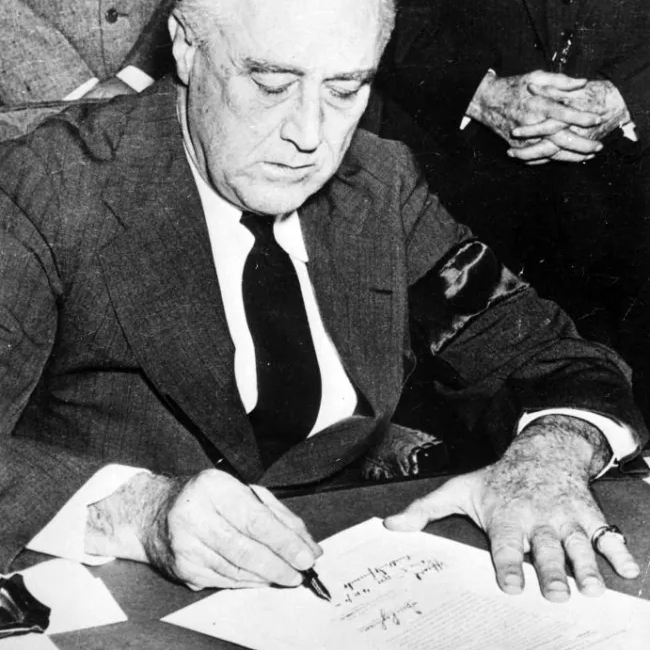
When FDR signed Executive Order 9066 in 1942, it triggered the incarceration and widespread seizure of homes, farms, and businesses of over 120,000 Japanese Americans.
Honored Abroad, Restricted at Home
Kanaye Nagasawa had built an empire.
At Fountain Grove, he was awarded the Order of the Rising Sun at the request of Emperor Taishō of Japan. But in the United States, his position was far more fragile.
The California Alien Land Law of 1913 barred “aliens ineligible for citizenship” — meaning Asian immigrants — from owning or transferring land. Nagasawa could not pass his estate to his Japanese relatives. Ownership was forced into the hands of a non-Japanese trustee.
He died in 1934, as anti-Japanese sentiment intensified. Eight years later, under Executive Order 9066, his descendants were incarcerated in American concentration camps. The Fountain Grove estate was seized. A legal challenge failed.
American Dream, Incomplete
The estate became a cattle ranch. Then a residential development. Only fragments of the original vineyards remain.
In 1988, Nagasawa’s descendants received $20,000 in reparations. It was nothing compared to what was taken.
The original Fountaingrove Ranch, more than 1,500 acres assembled and cultivated by Kanaye Nagasawa, now sits beneath one of Santa Rosa’s most valuable residential areas — land that would be worth hundreds of millions of dollars today.
Kanaye Nagasawa was allowed to live the American dream. The dream did not survive him.
Courtesy of Sonoma County Library
The Fountain Grove winery office, c1930s. The land and facilities Kanaye Nagasawa developed here would be worth hundreds of millions of dollars today.
Courtesy of Museum of Sonoma County
Kanaye Nagasawa at his Fountain Grove estate. He lived the American dream here. The law made sure it ended with him.