To him, there were no Korean or Japanese. Only Americans.
January 29, 1919: Young-Oak Kim, a Korean American officer who served in the 100th Infantry Battalion (which later became part of the 442nd Regimental Combat Team), was born in Los Angeles.
The enlisted men were overwhelmingly Nisei. But the leadership was more complex. There were white commanders like Lt. Col. Farrant Turner, Maj. James Lovell, and Maj. Jack Johnson. Then there was Young-Oak Kim, a Korean American officer whose presence quietly disrupted the racial categories of the time.
When Kim first volunteered for the U.S. Army, he was rejected. Not because of ability, but because of race.
Japanese Americans were being systematically excluded, stripped of rights, and incarcerated. Korean Americans, despite Korea’s occupation by Imperial Japan, were swept into the same category of suspicion. To the government, they all “looked the same.”
Courtesy of National Veterans Network
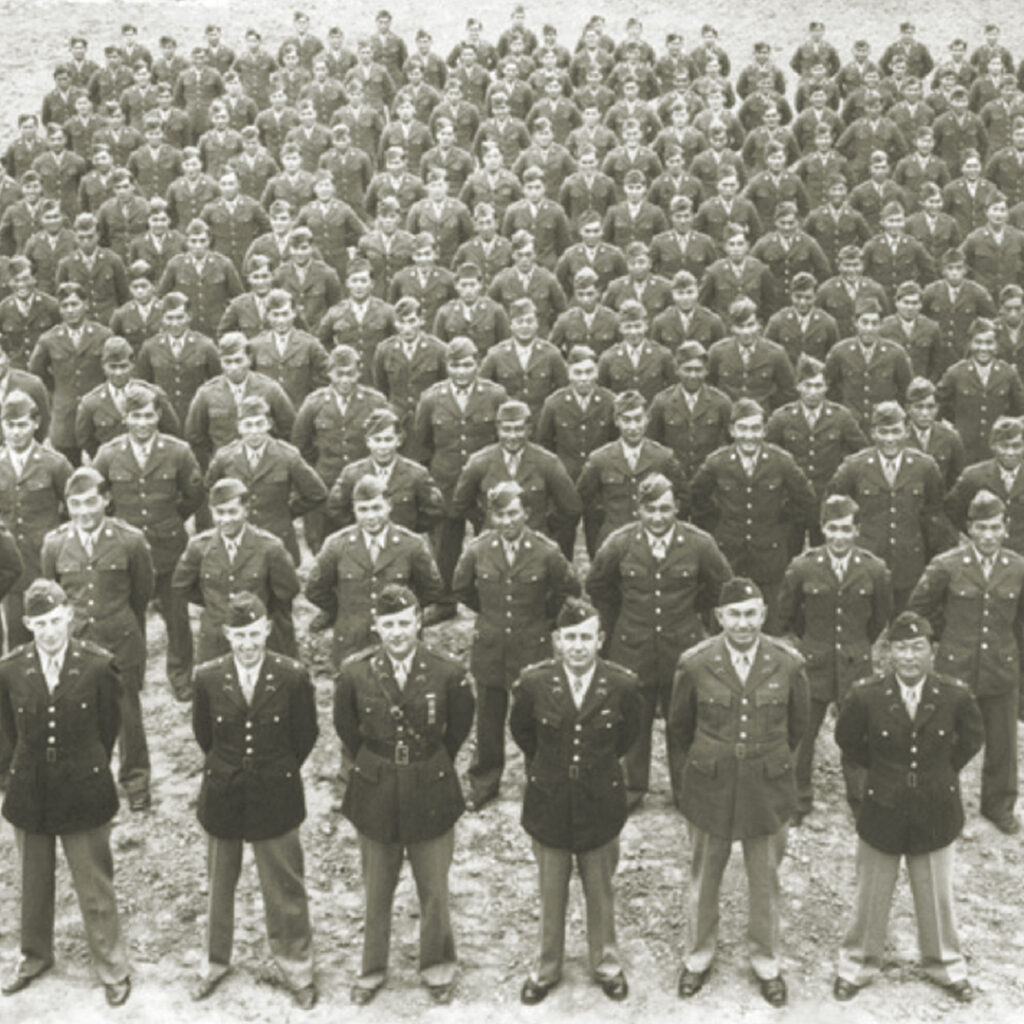
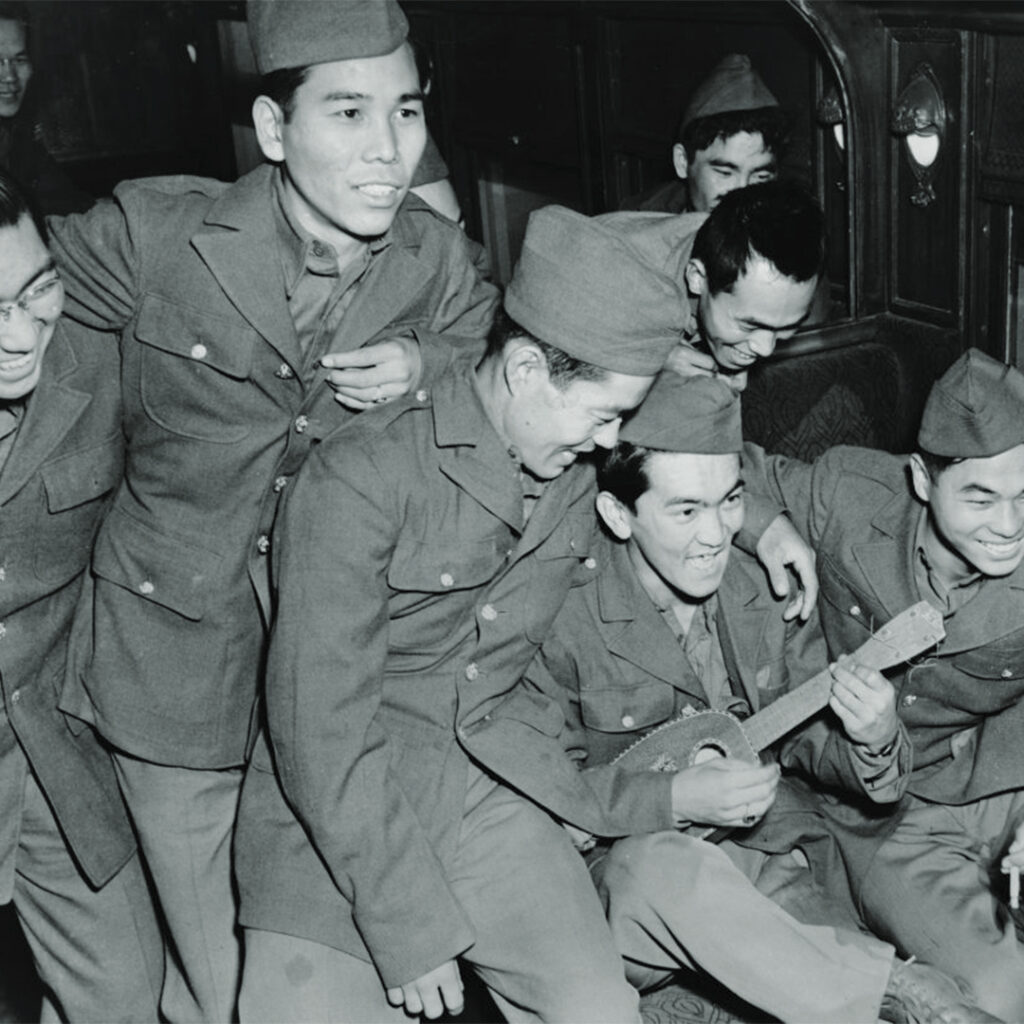
The men of the 100th Infantry Battalion. The majority were Nisei from Hawaiʻi, who would become the foundation of the most decorated unit in U.S. military history.
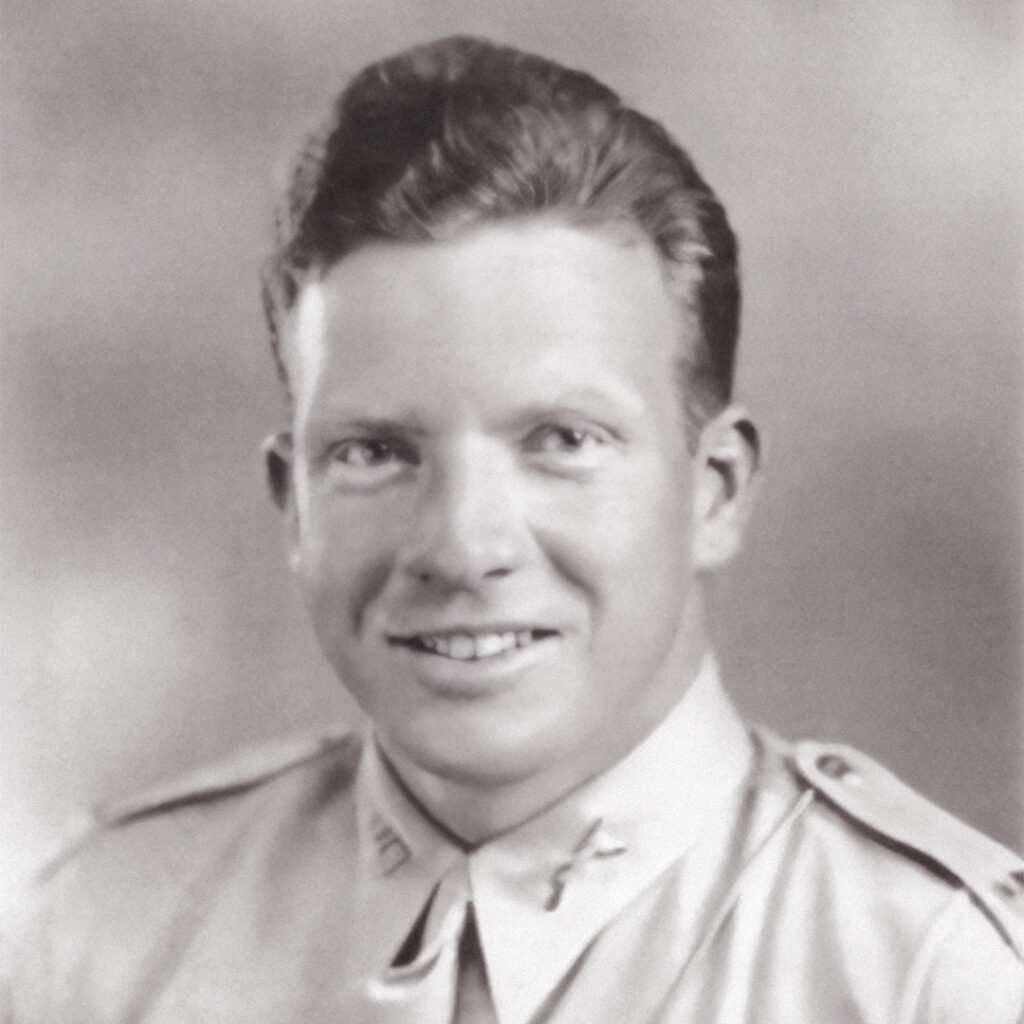
Major John “Jack” Johnson. He earned the trust of the 100th Infantry Battalion, and led them until the end.
Courtesy of Go For Broke National Education Center
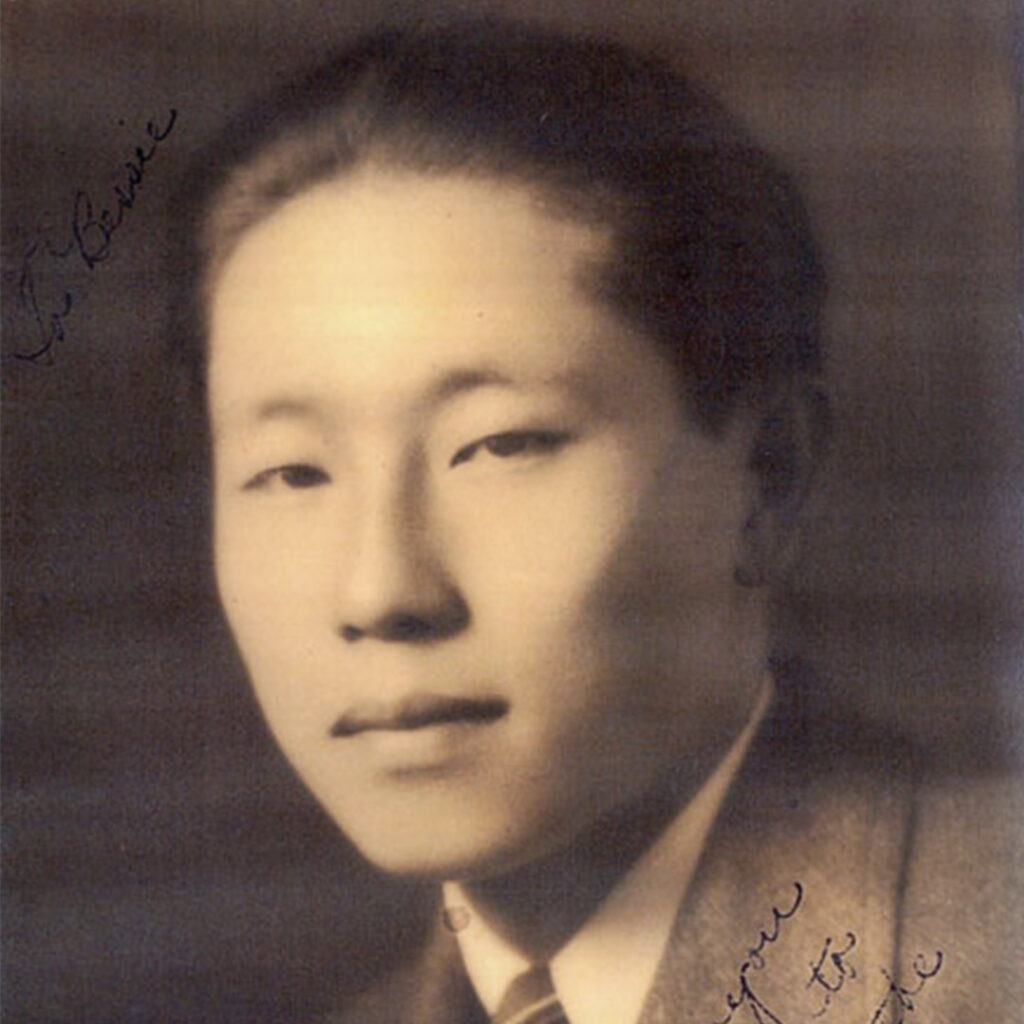
Young-Oak Kim as a high school student. He volunteered for the Army at the start of WWII — and was promptly turned away because he was Asian American.
Courtesy of University of California, Bancroft Library
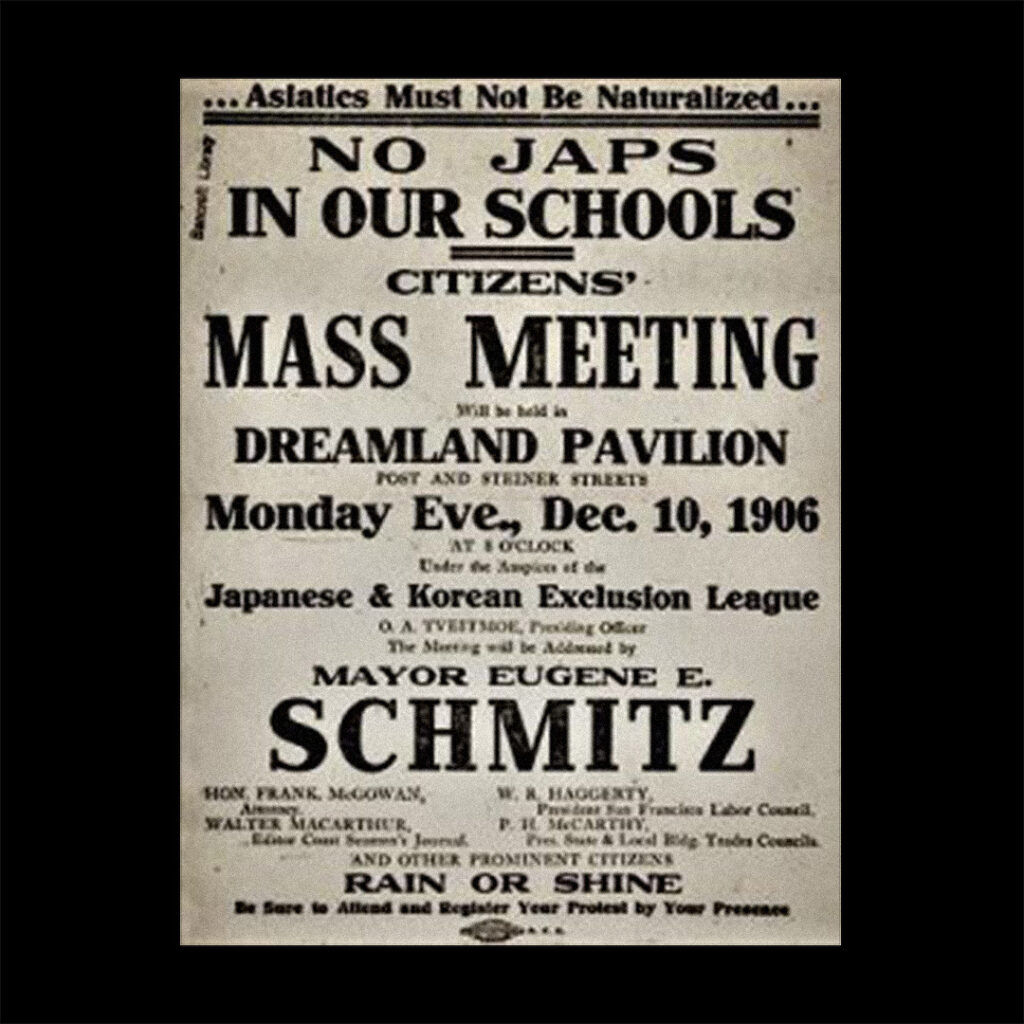
A 1906 poster from the Japanese & Korean Exclusion League. It wasn't the first time in U.S. history Japanese Americans and Korean Americans were bundled together.
All Look Same
When policy shifted and Japanese Americans were drafted to meet combat needs, Kim was swept in as well.
Discrimination followed him into uniform. An officer told him his “eyes were the wrong shape and his skin was the wrong color” for combat duty. He spent six months relegated to engineering work while others trained for battle.
Eventually, Kim was assigned to the 100th Infantry Battalion.
The battalion commander, aware of deep historical tensions between Koreans and Japanese — tensions intensified by Japan’s occupation of Korea — offered Kim a transfer. Kim refused.
“There [are] no Japanese nor Korean here,” he said. “We’re all Americans and we’re fighting for the same cause.”
Not The Smoothest Beginning
The first impressions went both ways, and neither side was impressed.
Kim thought the unit looked sloppy: “They all needed a haircut,” he later recalled. “Most of them didn’t have their shoes laced. Their shirts were out instead of tucked in.”
The Nisei soldiers from Hawaiʻi had their own reservations. Kim carried three strikes before he ever spoke: 1) He was a mainlander, 2) He was Korean, not Japanese, and 3) He had not earned his commission through a service academy.
They nicknamed him “GI Kim” — Government Issue Kim.
But respect, once earned, ran deep.
Courtesy of Library of Congress
Many of the men of the 100th Infantry Battalion came from Hawai‘i, where they were often described as more relaxed and easygoing than their mainland counterparts.
Courtesy of Go For Broke National Education Center
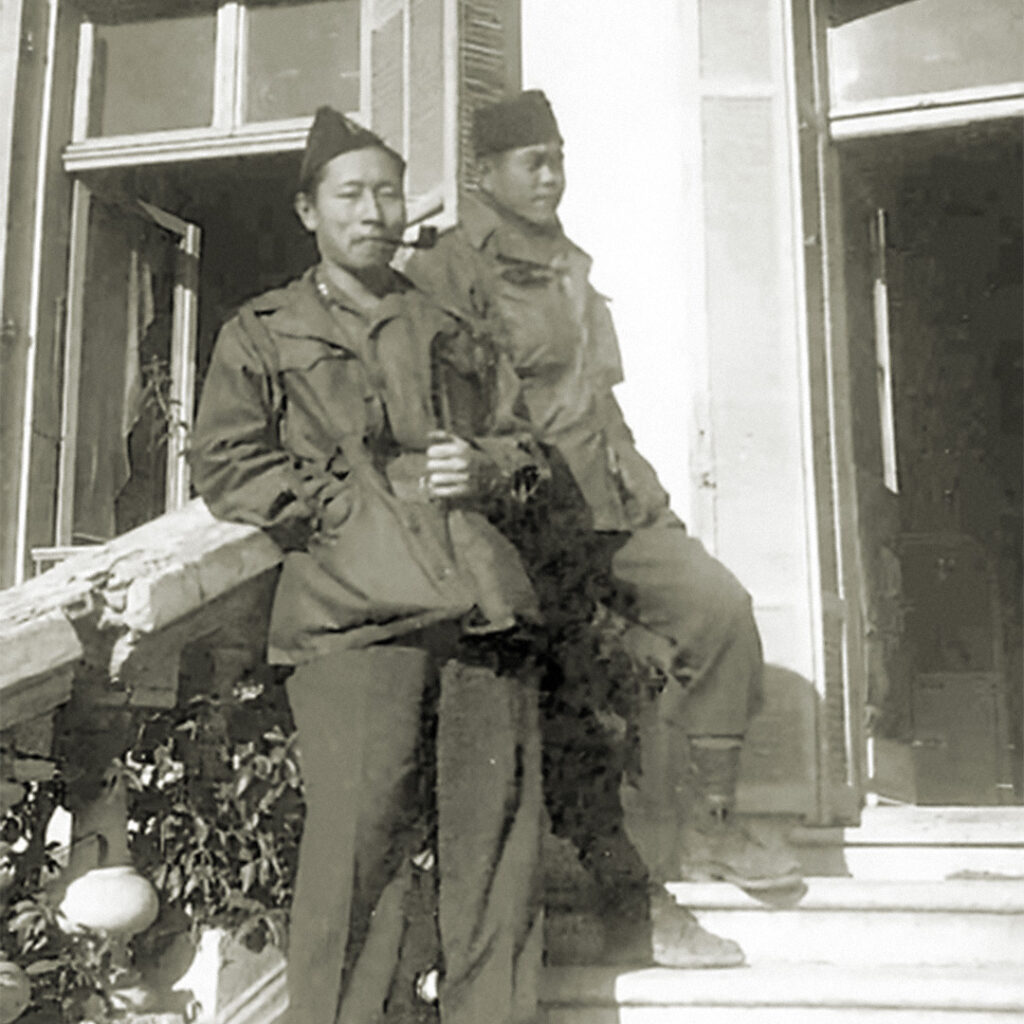
Young-Oak Kim stands with a fellow soldier in Italy during World War II. A Korean American officer serving alongside Japanese American troops in the 100th Infantry Battalion.
Courtesy of the Seattle Nisei Veterans Committee and the U.S. Army
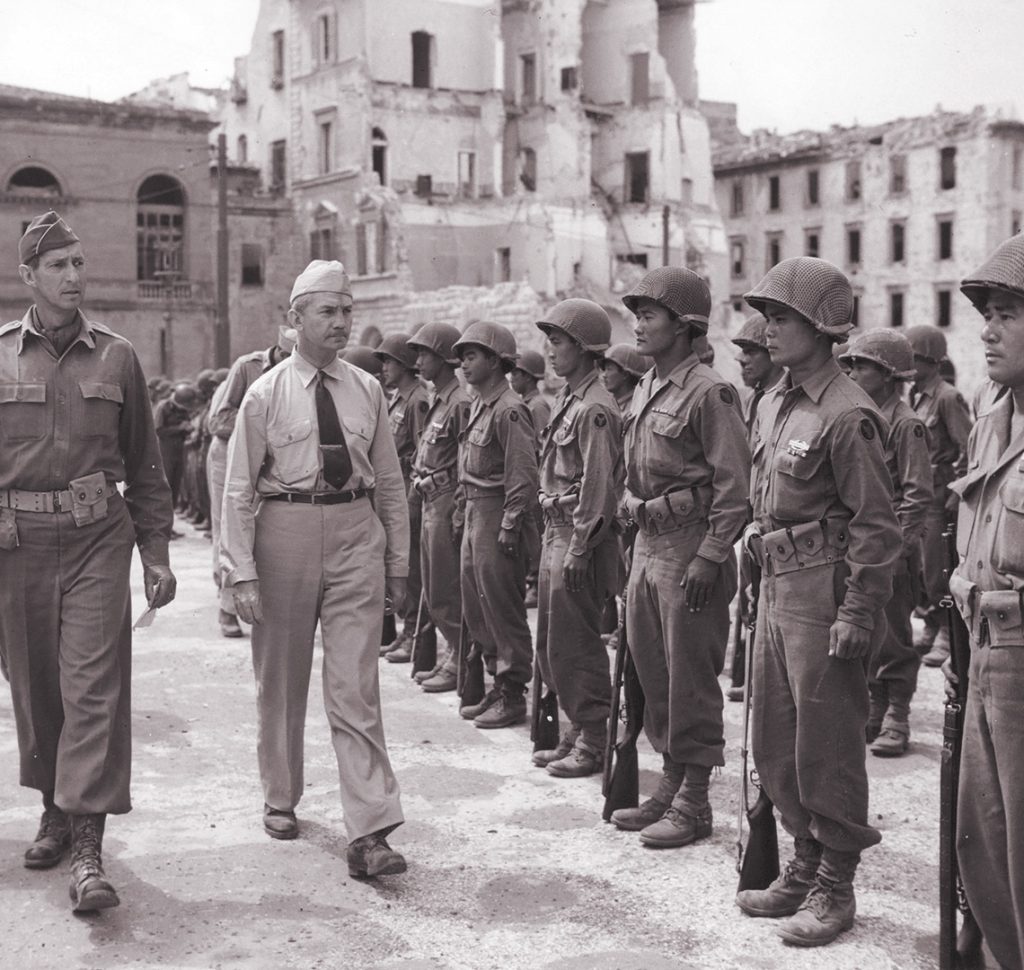
Lieutenant General Mark Clark and C.G. Fifth Army and Secretary of the Navy James Forrestal inspect troops from the 100th Infantry Battalion, Leghorn, Italy
Courtesy of University of Southern California Libraries
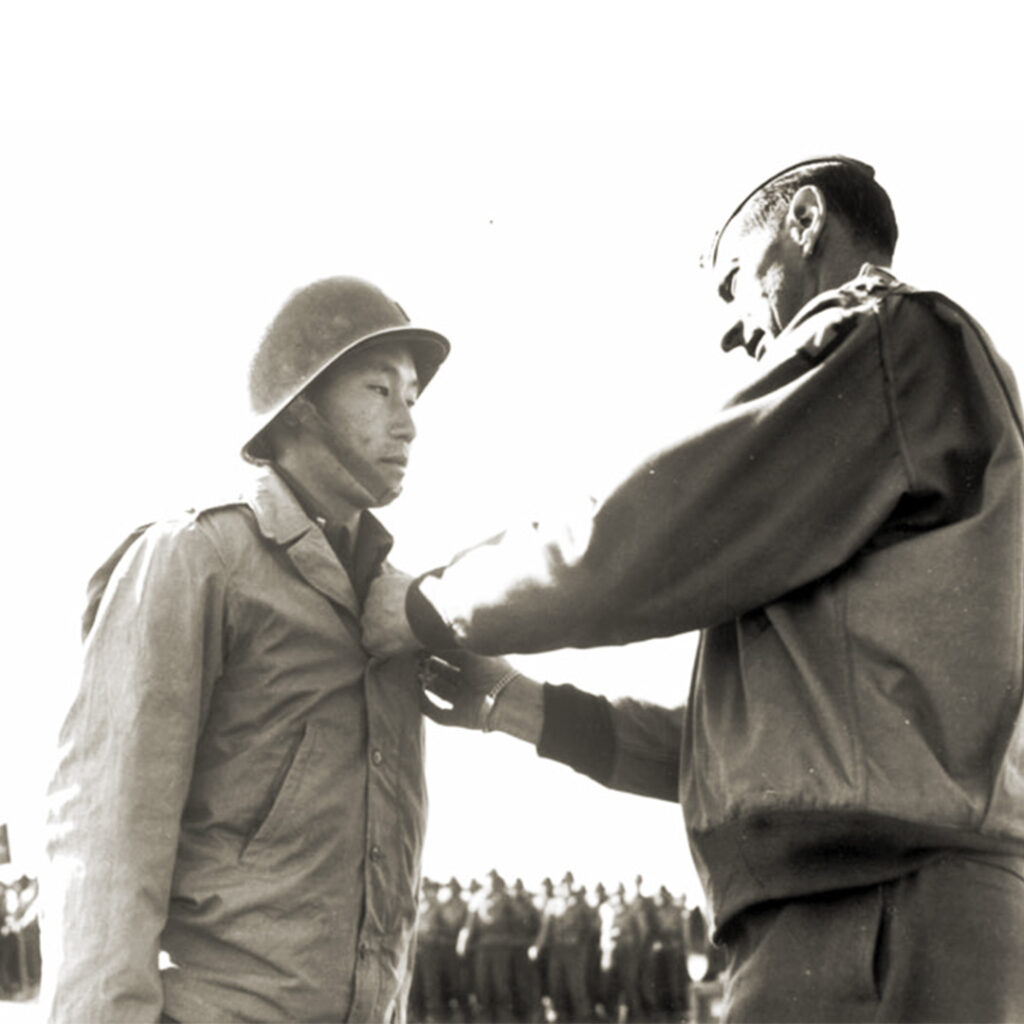
First Lt. Young-Oak Kim receives the Silver Star in Italy, April 1944. A Korean American officer leading Japanese American soldiers in one of WWII’s most storied units.
“The Crazy Korean”
Kim quickly understood the men’s frustration. They had trained endlessly, deployed to North Africa, and still were not trusted enough to fight. The boredom and resentment were real.
When the 100th was finally sent to Italy, everything changed.
Kim’s map-reading skills, tactical instincts, and willingness to take risks led to success in operations others considered impossible. Under fire, he was relentless.
The men gave him a new nickname: “The Crazy Korean.” It was not mockery. It was admiration.
Lt. Gen. Mark Clark later described Kim as an “able and hard-boiled” soldier. During the Salerno offensive, Kim was wounded near Santa Maria Oliveto. He received his first Silver Star and Purple Heart.
Promoted in Europe
Promoted to first lieutenant, Kim fought at Monte Cassino, one of the most brutal campaigns of the war.
On May 16, 1944, Kim volunteered for an intelligence mission behind enemy lines at Anzio. With PFC Irving Akahoshi, he captured German soldiers to extract critical information on tank positions.
The Allies broke the Gustav Line. Rome was liberated. Kim was awarded the Distinguished Service Cross, the Italian Bronze Medal of Military Valor in 1944, and the Italian War Cross in 1945.
When the 100th joined the 442nd RCT and moved to France, Kim served as battalion operations officer. He fought in the liberation of Bruyères and Biffontaine.
In late 1944, he was severely wounded and briefly reported dead. Germany surrendered before he fully recovered.
For months, Allied forces failed to break through. When the 100th Infantry Battalion was sent here, Monte Cassino was one of the deadliest battles of World War II.
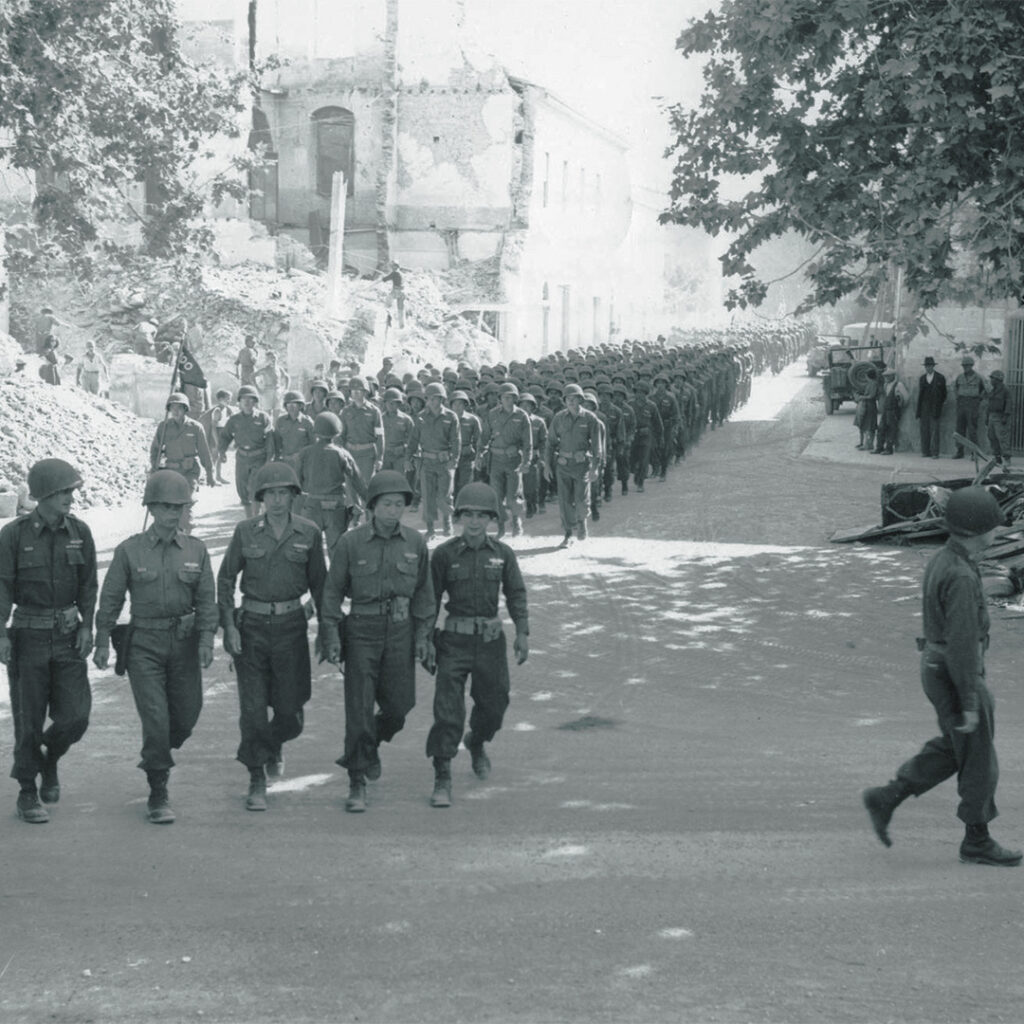
Members of the 100th Infantry Battalion entering Rome, July 27, 1944. Young-Oak Kim was among the officers with the unit during the liberation of the city.
Courtesy of Korea Defense Daily 25017
After WWII service with the 100th Infantry Battalion, Kim returned to the battlefield where he became the first minority officer to command a U.S. Army battalion.
From A Laundromat to Korea
After World War II, Kim left the Army and built a successful laundry business. He earned five times what he had made as an Army captain.
Then, in 1950, war broke out in Korea. Kim sold the business and reenlisted immediately: “As a Korean, the most direct way to help my father’s country even a little, and as a U.S. citizen, the most direct way to repay even a little the debt owed to Korea by the U.S. was to go to Korea, pick up a gun and fight.”
To do that, he had to hide the fact that he spoke Korean. Anyone who did was assigned to Army Security Agency. Kim wanted the front line.
It was his first time setting foot in Korea.
First Minority Battalion Commander
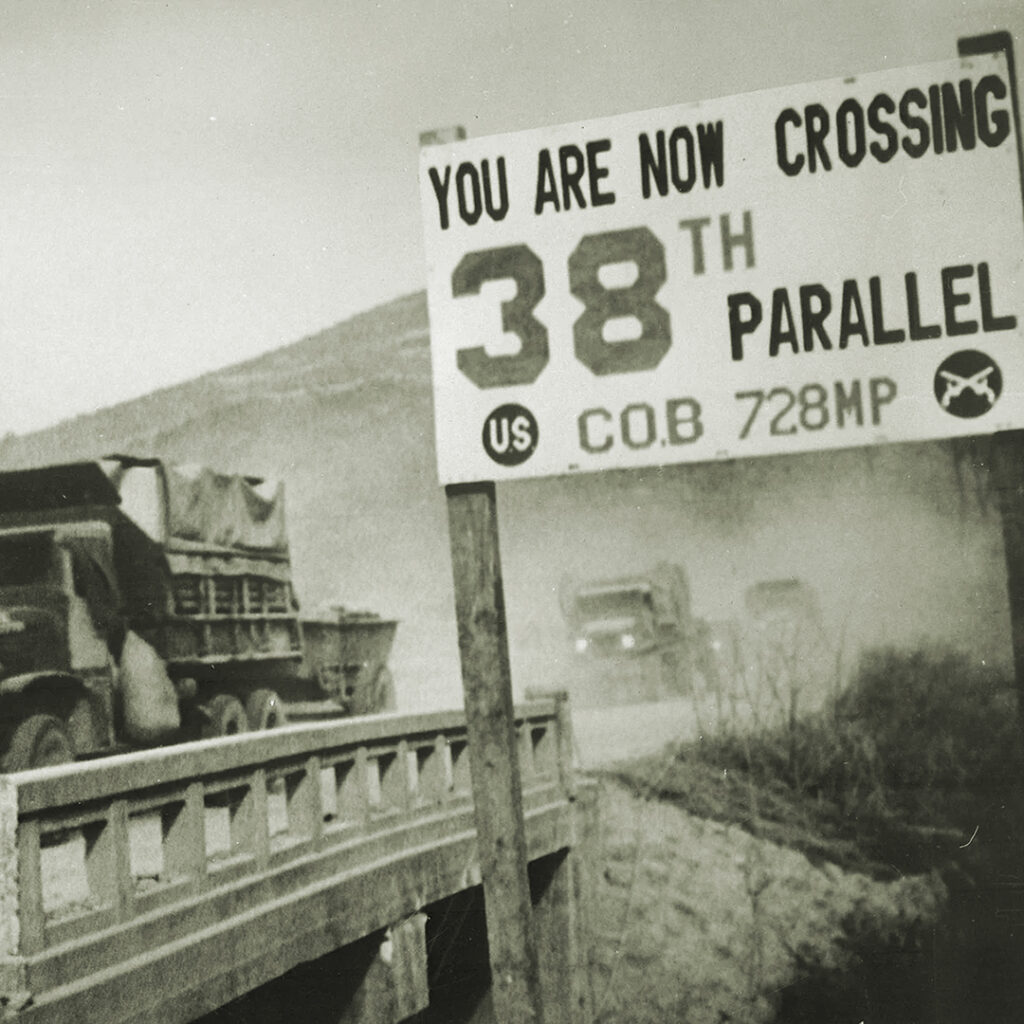
Assigned to the 31st Infantry Regiment, Kim helped halt Chinese advances and push enemy forces back above the 38th parallel. His unit was the first to cross it.
Then came disaster. Kim’s unit was mistakenly shelled by American artillery. The position was considered “too far north” to be friendly. Kim was critically wounded.
Doctors from Johns Hopkins University, stationed in Tokyo, saved his life.
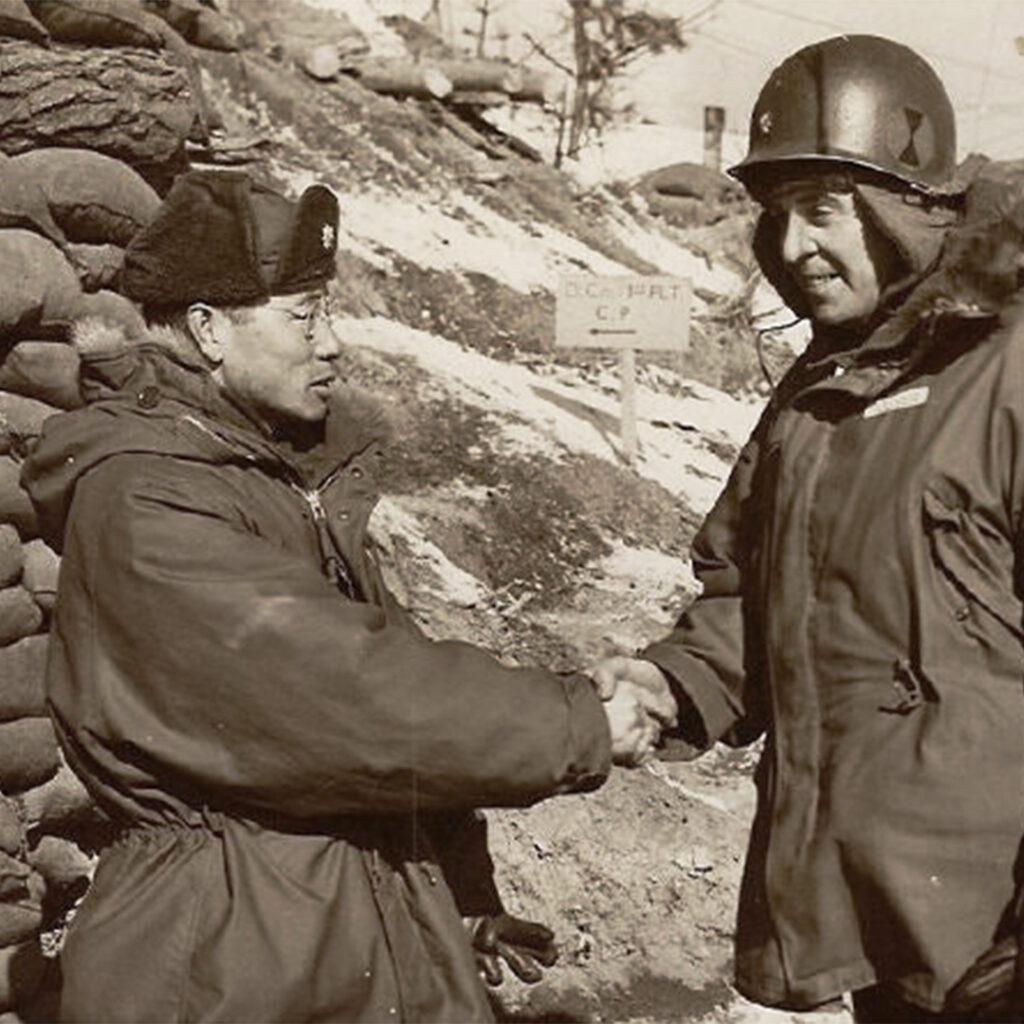
Two months later, he returned to Korea and was given command of the regiment’s 1st Battalion. He was promoted to major, becoming the first minority officer in U.S. history to command an Army battalion in combat.
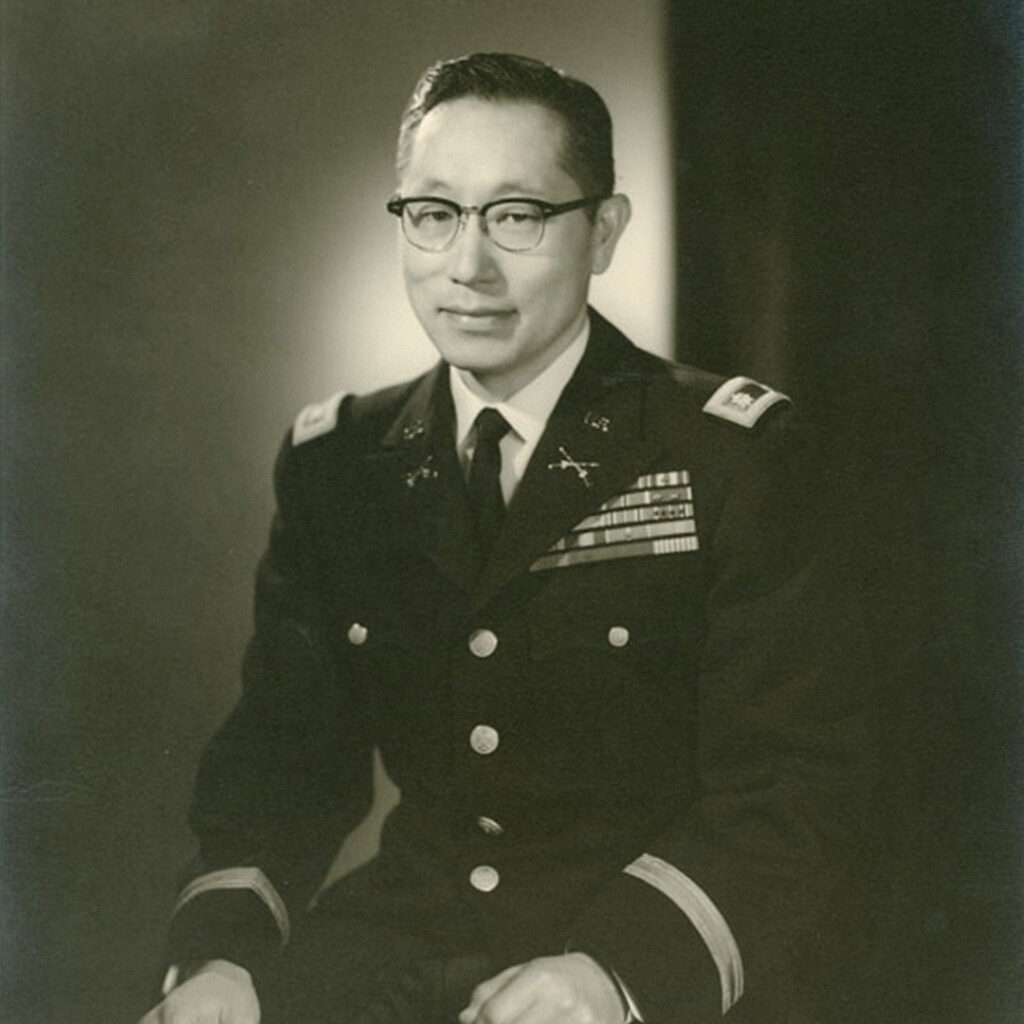
In the early 1960s, Kim returned again as a U.S. military advisor and was promoted to colonel.
National Archives and Records Administration (541822)
The 31st Infantry Regiment crossing the 38th parallel marked a decisive and controversial turning point in the Korean War, with global consequences.
Courtesy of Go For Broke National Education Center
Colonel Young-Oak Kim in 1961. By then, he had become one of the most respected Asian American officers in U.S. military history.
“Do It For All Asians”
Kim never framed his service as personal achievement.
“You’re going to do it for the Japanese Americans,” he told the men of the 100th. “But in the end you’re going to do it for all Asians, and that’s why I’m here. I look like you. No one can tell the difference.”
After retiring in 1972 with an 80% disability rating, Kim continued serving.
He became the first Asian American to sit on the United Way board, serving for a decade. In 1975, he helped found what is now the Koreatown Youth and Community Center.
He also co-founded institutions that continue to shape public memory: The Go For Broke Monument, The Go For Broke Educational Foundation, and The Japanese American National Museum.