It was a day to reflect on freedom, democracy, and mateship — everything they were denied.
January 26, 1942: For 98% of Australians of Japanese heritage who were incarcerated during WWII, Australia Day wasn’t a celebration. It was a symbol of exclusion.
From the 1870s through the early 1900s, Japanese immigrants arrived in Australia as laborers, particularly in the sugarcane fields of Queensland and the pearling industries along the northwestern coast. While most came under two-year contracts and returned home, some stayed, married, and started families.
By the 1920s and ‘30s, Japan had become one of Australia’s largest trading partners, and a new wave of highly educated Japanese employees of firms like Mitsui and Mitsubishi settled in Australia.
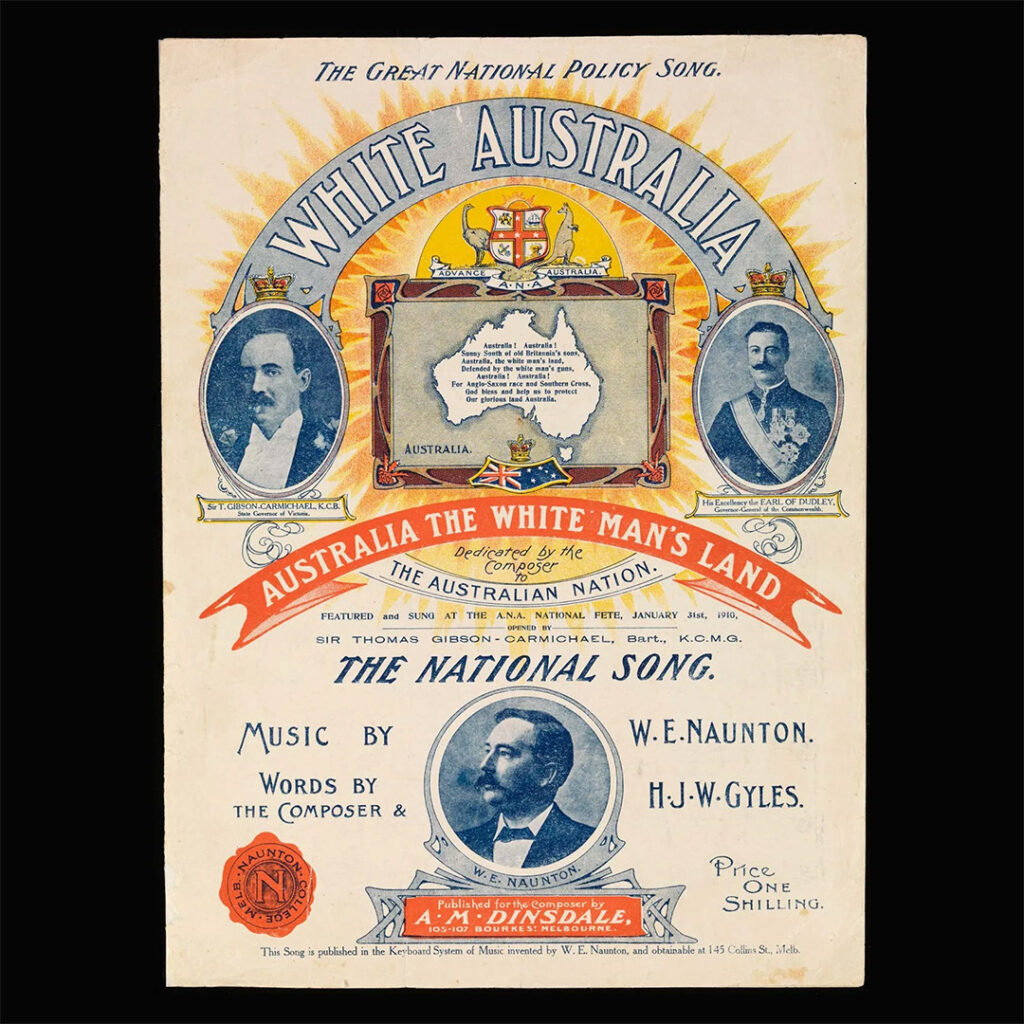
Similar to what happened in the U.S. and Canada, their success brought on fear and jealousy. The Japanese Australians lived under the shadow of the 1901 Immigration Restriction Act — known as the White Australia Policy — which sought to restrict Asian immigration and maintain a homogenous population.
Many wanted the Japanese gone.
Courtesy State Library of Queensland
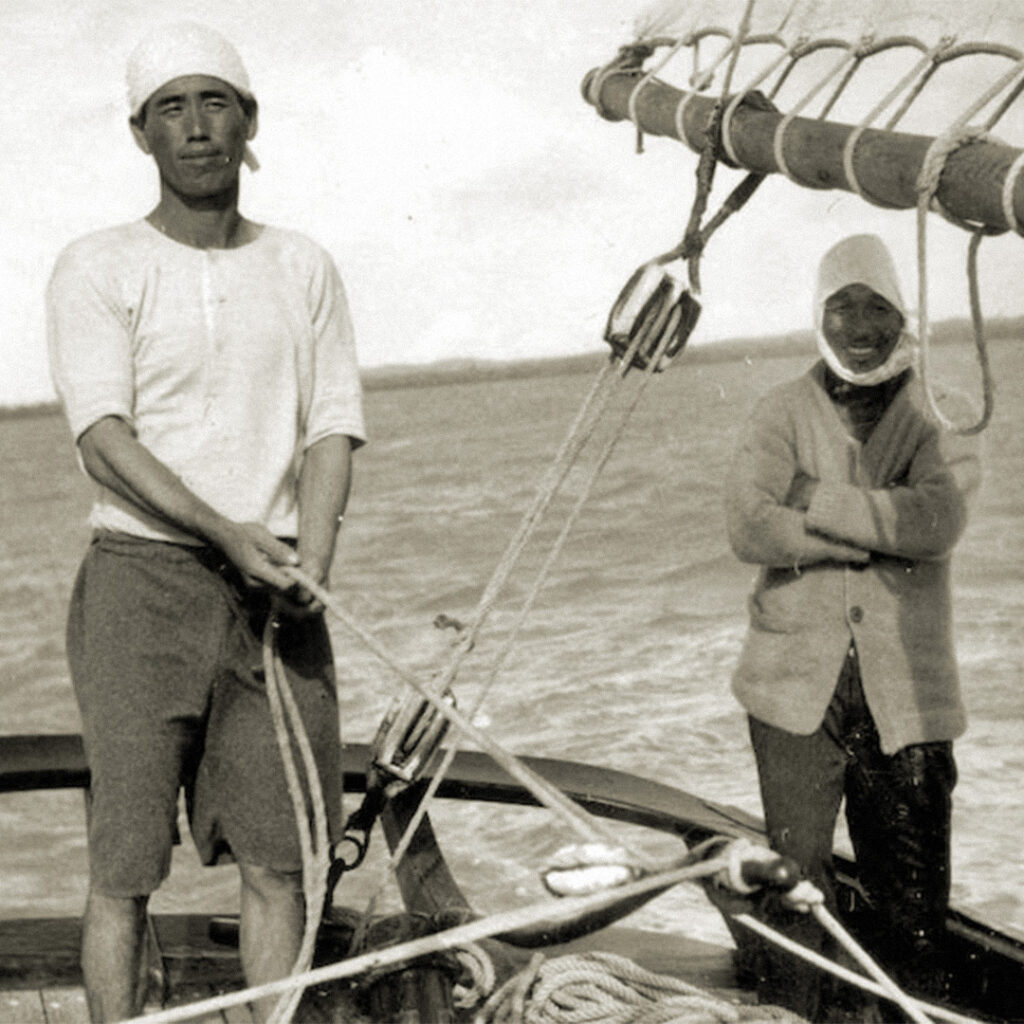
Japanese pearl divers off Thursday Island, 1936. Their labor powered Australia’s pearling industry and coastal trade, yet many would be labeled enemy aliens.
Courtesy State Library of Queensland
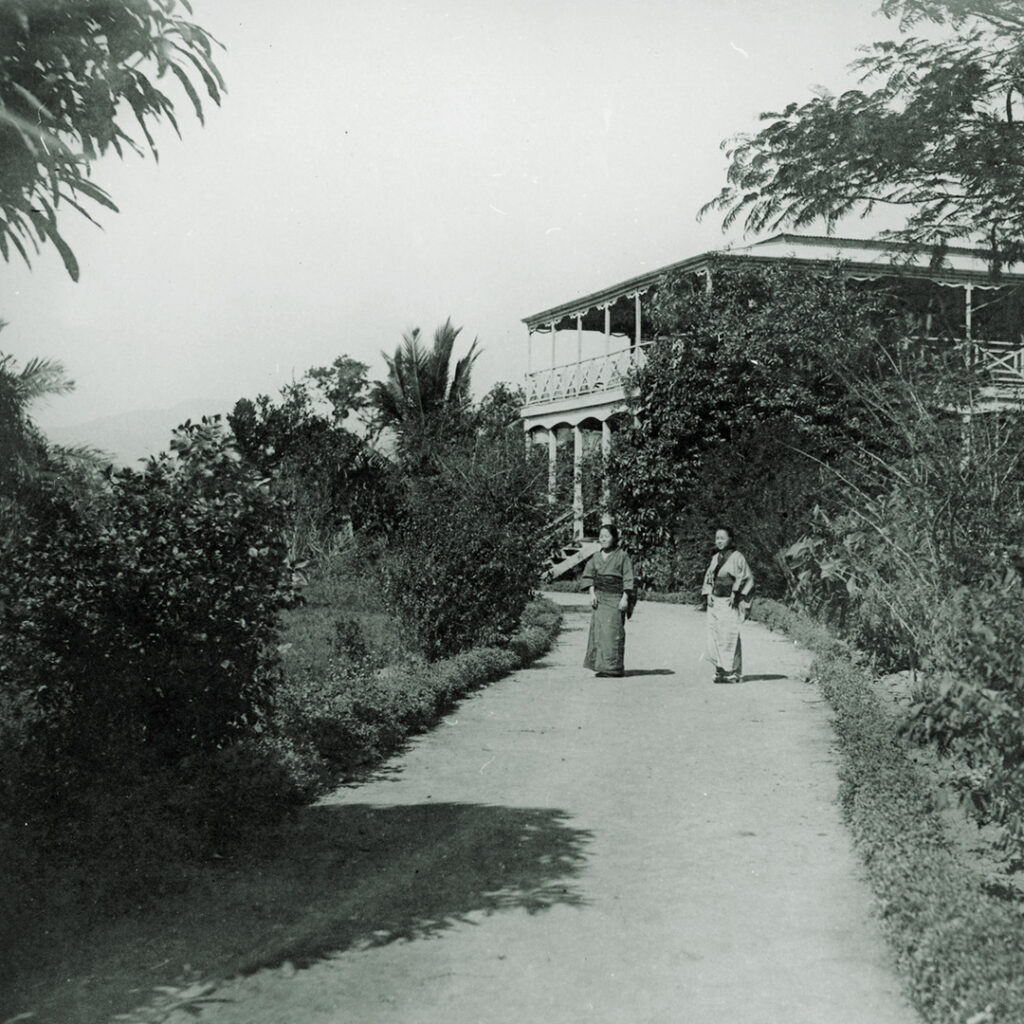
Two women at Hambledon Sugar Plantation. By the early 20th century, Japanese families had established deep roots in rural Australia.
“White Australia.” This 1910 sheet music openly celebrated the White Australia Policy, a government doctrine designed to exclude non-European people from the nation.
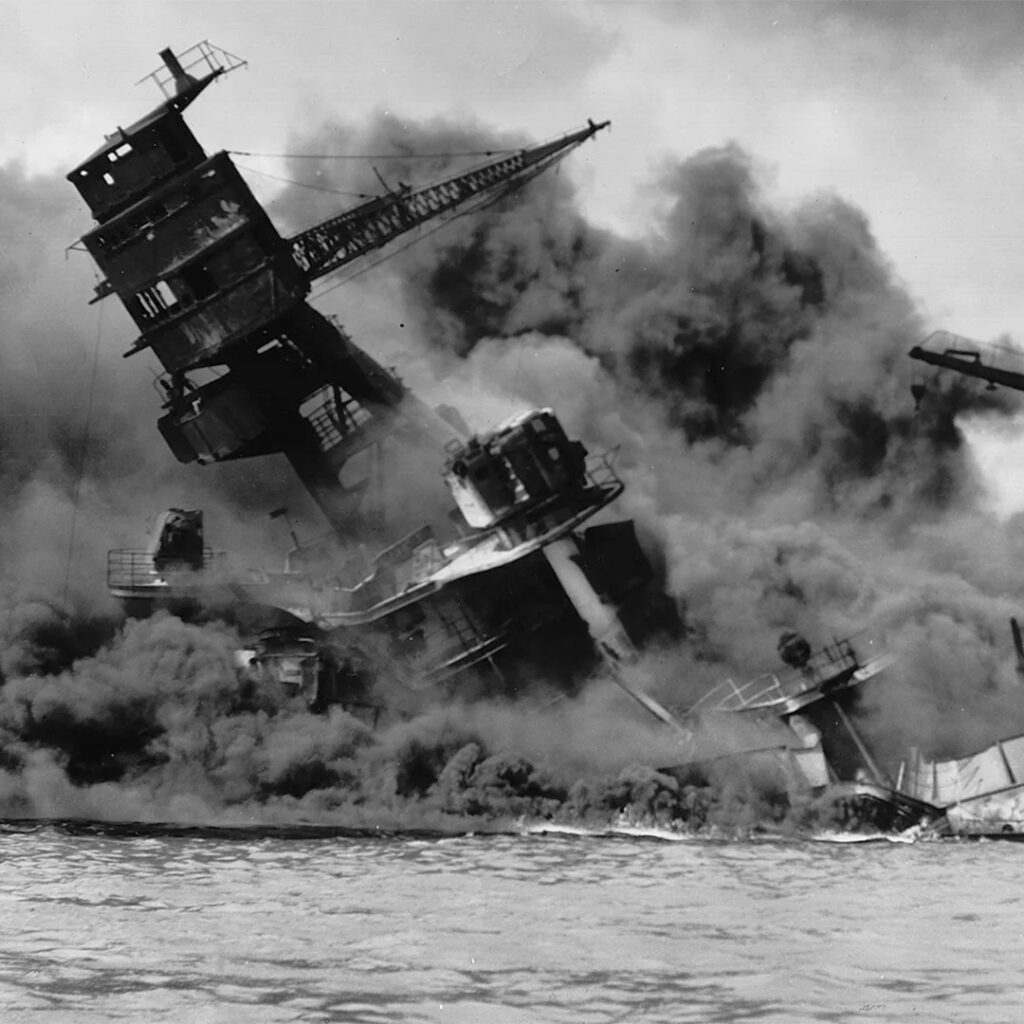
Pearl Harbor became the perfect excuse to remove Japanese Australians from the land — something authorities had been planning for months.
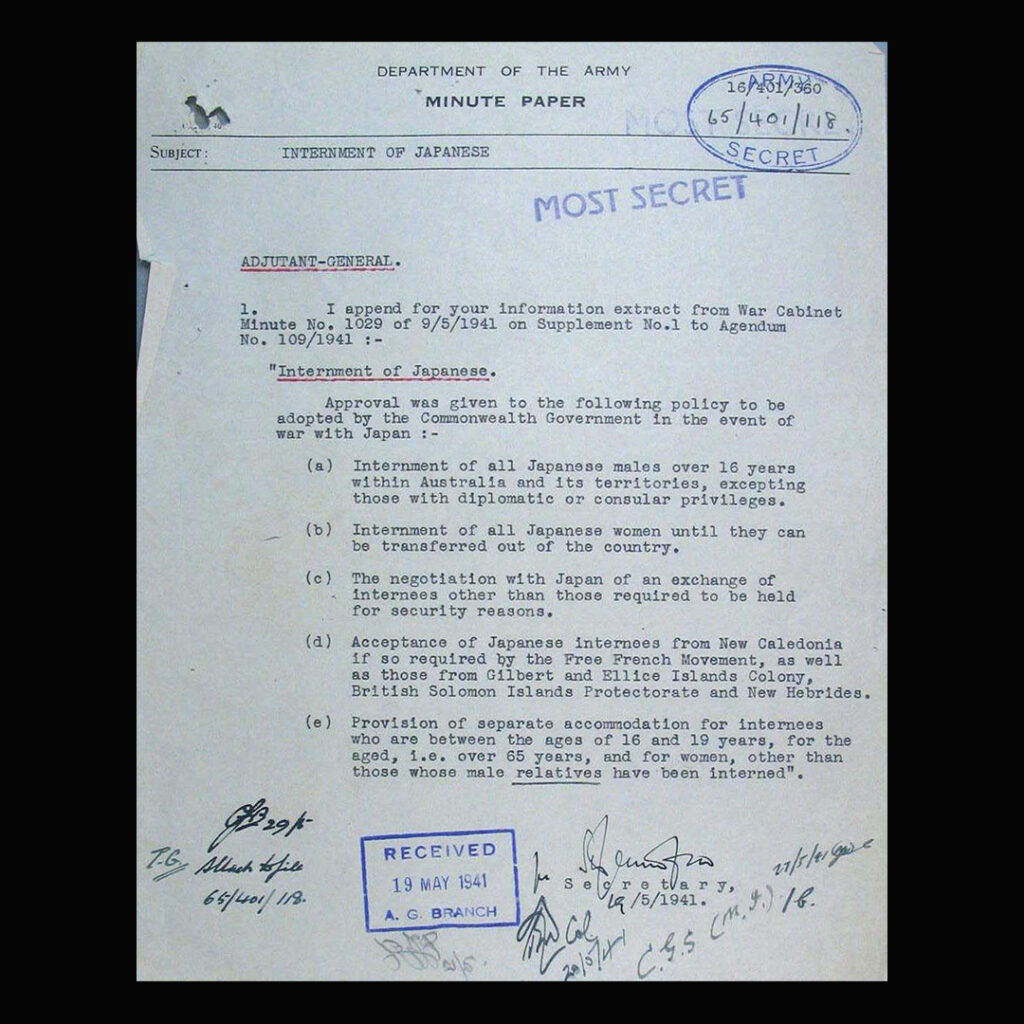
Pearl Harbor wasn’t the beginning. By May 9, 1941, plans to remove all Japanese had already been approved by Australia's Department of the Army.
Courtesy of SBS New Caledonia Archives
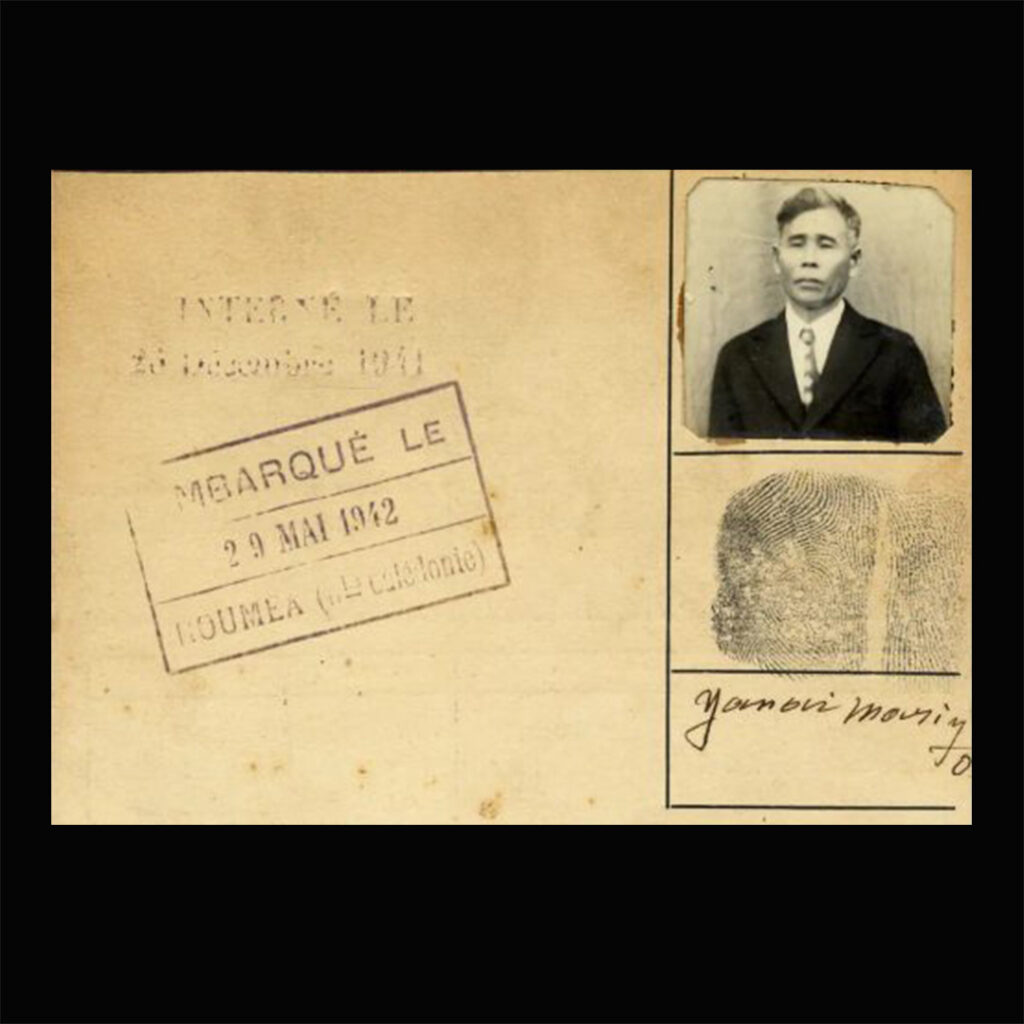
Australia’s incarceration system extended far beyond its shores. Marizō Yanai was taken from New Caledonia and locked away.
They Had It All Planned
After the bombing of Pearl Harbor and Australia’s declaration of war on Japan on December 8, 1941, everything changed overnight.
Police officers arrived without warning at homes of Japanese Australians to arrest them. The government had preemptively planned for this: internal memos from May 1941 show that Japanese Australians were always going to be rounded up if war broke out. Many insiders couldn’t wait.
Of the 1,141 Japanese residents in Australia at the time, nearly all were arrested and incarcerated. Roughly a third were divers in Broome, Darwin, and Thursday Island. The rest were long-term residents or the children of immigrants. Some of them were 3rd generation Australians.
By war’s end, over 4,300 people of Japanese ancestry had been imprisoned. Many were civilians forcibly brought from surrounding Allied territories like the Dutch East Indies and New Caledonia.
Why You Haven’t Heard of This
Australia’s Japanese incarceration remains largely forgotten.
One reason is the numbers. While the U.S. incarcerated over 120,000 civilians of Japanese descent and Canada over 22,000, Australia incarcerated just over 4,300 — and only about a quarter had actually lived in Australia before the war.
But the rate varied dramatically: 98% of Japanese in Australia were incarcerated. By contrast, only 32% of Germans and 31% of Italians faced the same. Even among those incarcerated, more than 20% were Australian-born British nationals (since Australia didn’t have its own citizenship until 1949), yet they were still treated as enemies.
The other reason this isn’t remembered is because there was no single area what had a large population in the thousands and tens of thousands, like Los Angeles, San Francisco, or Vancouver.
Nearly 100% of Japanese Australians were incarcerated during WWII, compared to 80% of Japanese Americans and 90% of Japanese Canadians.
Courtesy of Australian War Memorial
Germans and Italians were also incarcerated. But people with Japanese heritage were imprisoned at more than three times the rate.
Courtesy of Australian War Memorial
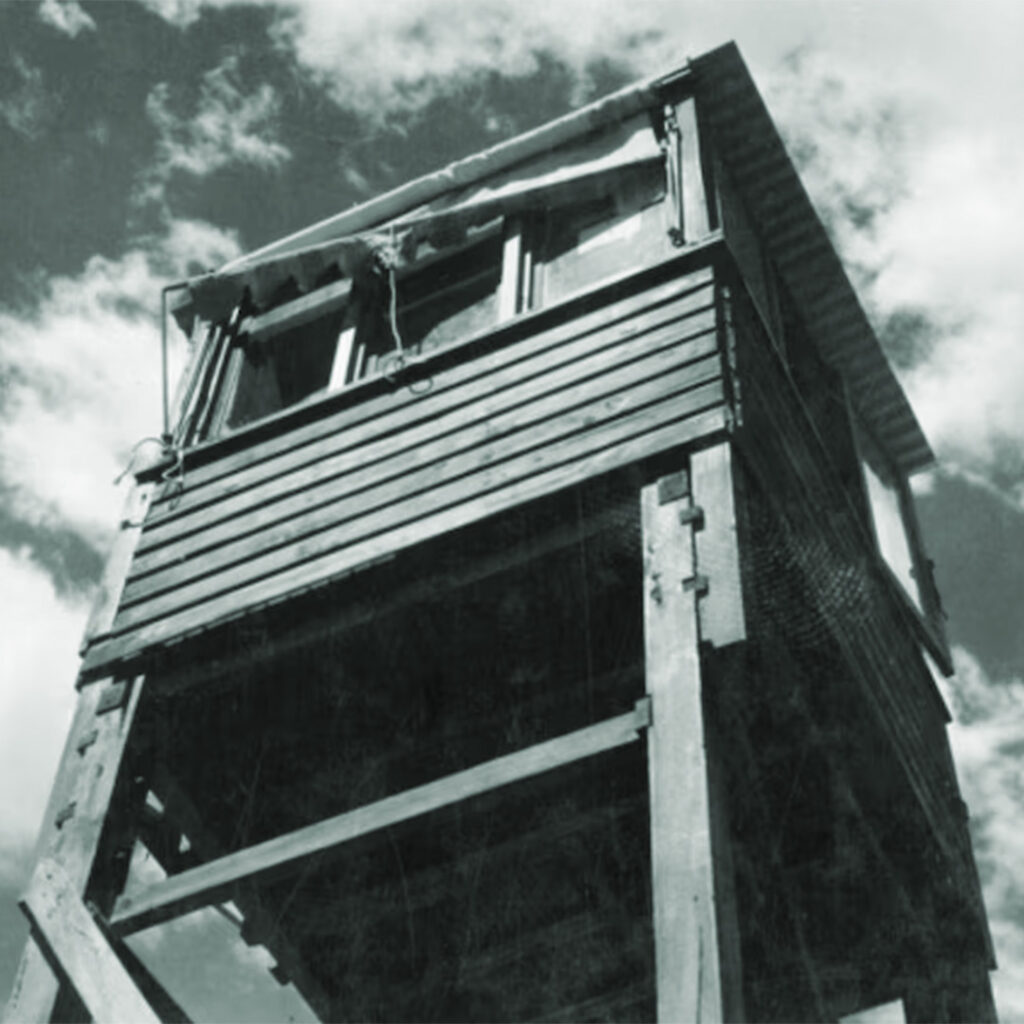
Guard tower at Hay Internment Camp, New South Wales. Built to watch over Japanese men detained as “enemy aliens,” many of whom had lived in Australia for decades.
Hedley Cullen, Courtesy of Australian War Memorial-122940
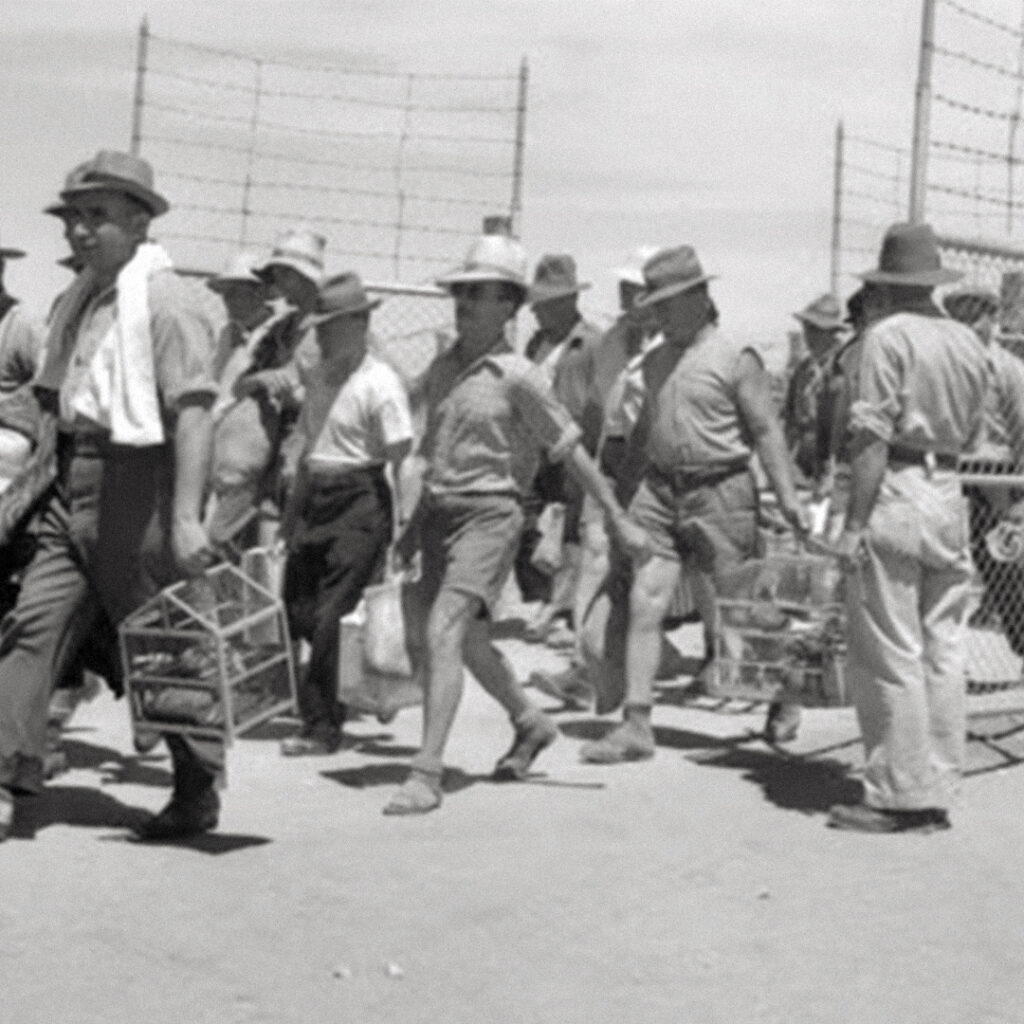
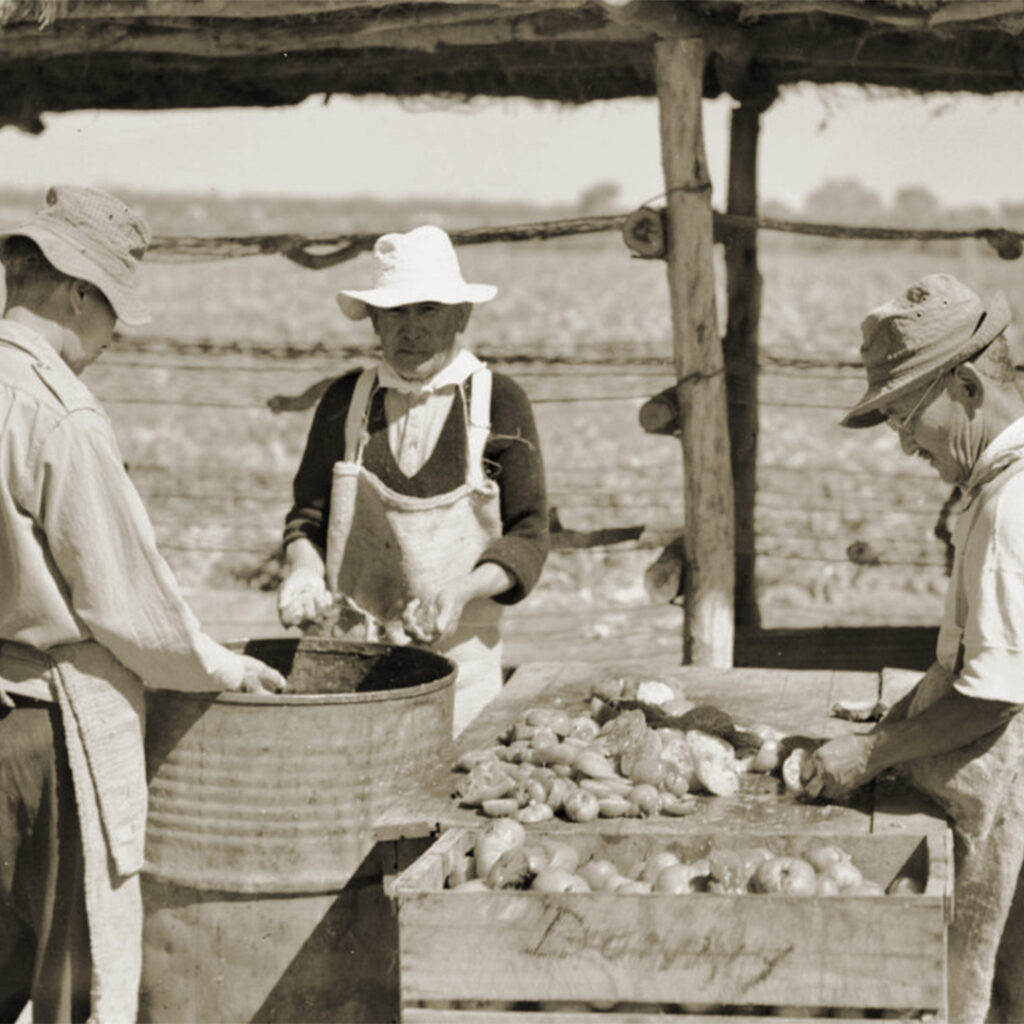
Tomato seed extraction at Loveday Internment Camp. Japanese incarcerees labored to maintain agricultural production while held indefinitely without charge.
Hedley Cullen, Courtesy of Australian War Memorial 122974
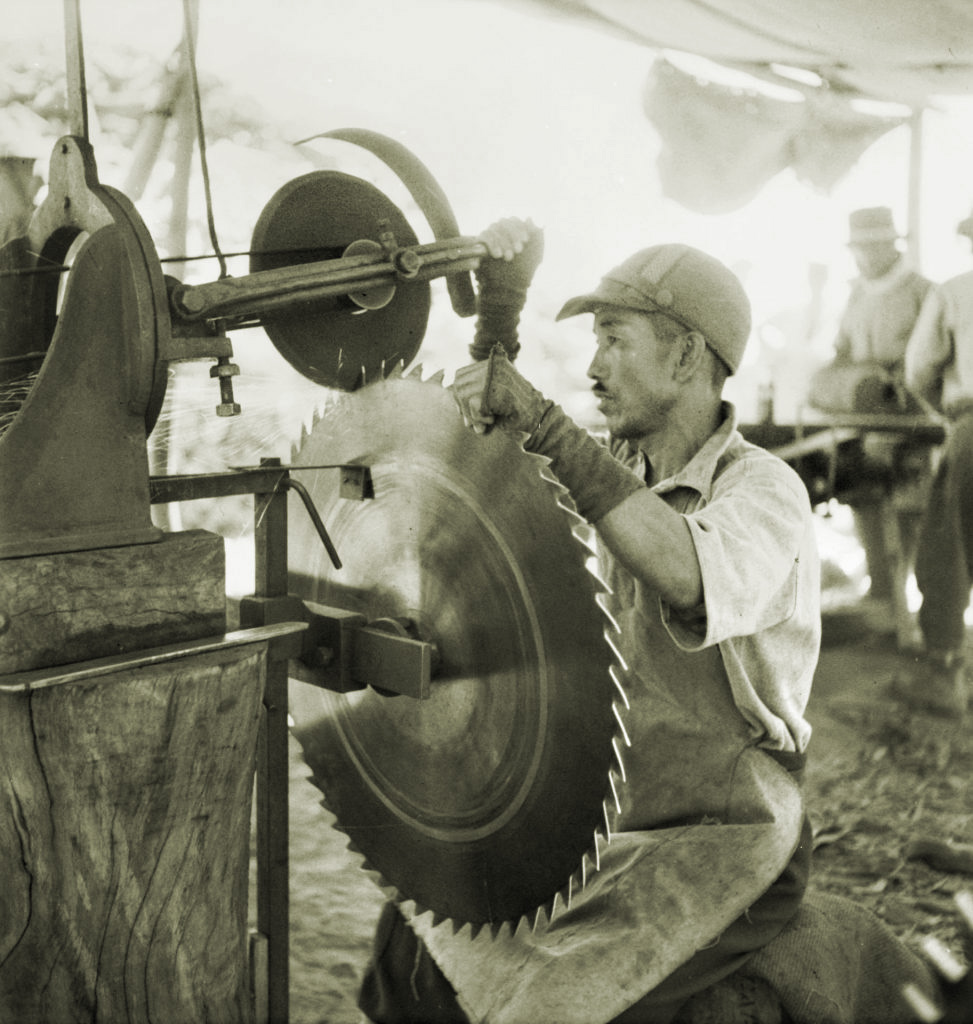
Japanese detainee sharpening a saw blade at Woolenook Camp, South Australia, February 3, 1944. Labor continued inside the camps, often under coercion or necessity.
Courtesy of Australian War Memorial
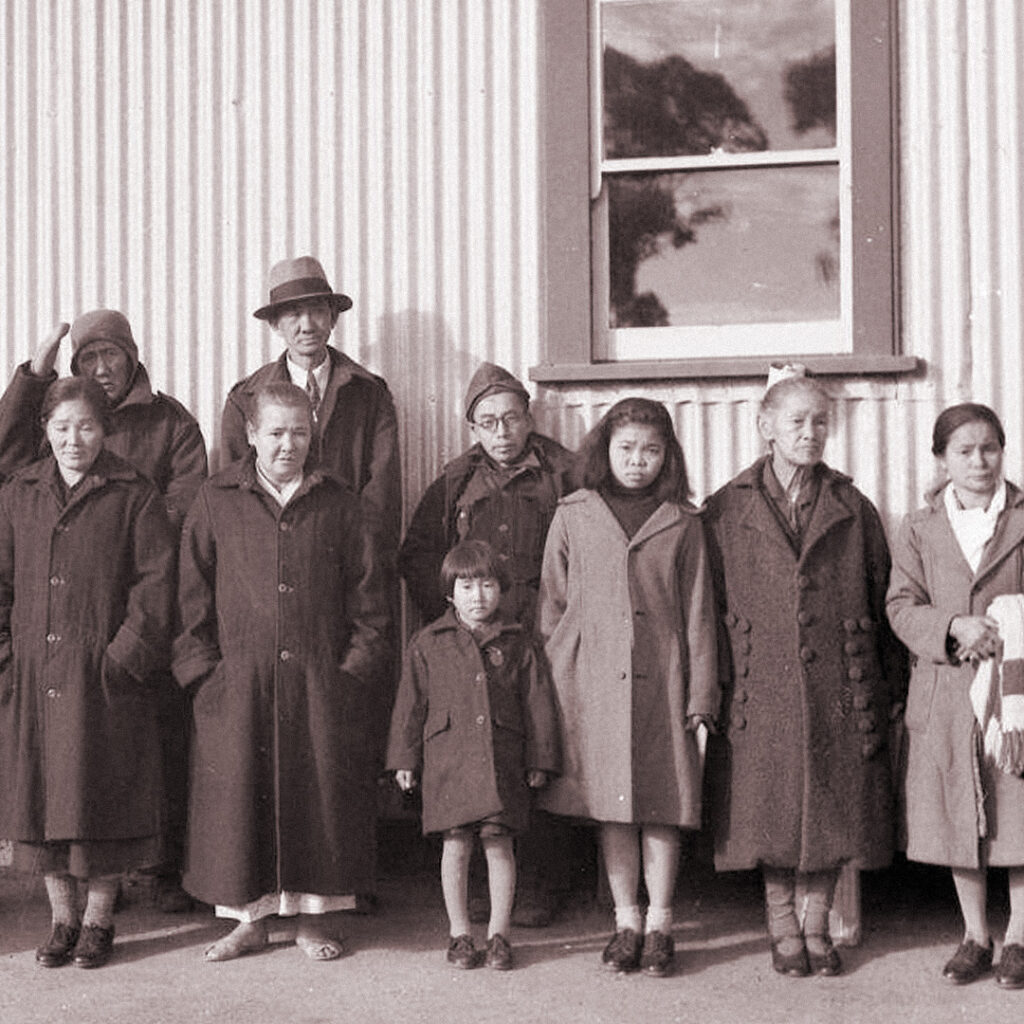
Japanese incarcerees waiting for dental inspection at Tatura Internment Camp, Victoria, 1943. Families were subjected to routine inspections while held without charge.
Inside the Camps
Japanese Australians were classified, separated, and sent to a network of internment camps. Single men were sent to Hay in New South Wales or Loveday in South Australia. Families, women and children were sent to Tatura in Victoria.
Families were separated. Appeals were allowed, but mostly denied. Some internees were held for up to six years.
Despite the Geneva Convention prohibiting forced labor, many internees “volunteered” for work out of boredom, pressure, or necessity. At Loveday, Japanese internees secretly grew poppies for morphine used by the Australian military.
But the damage went far beyond physical labor. Separation, hopelessness, and indefinite detention caused widespread trauma.
Cowra: When Despair Turned Deadly
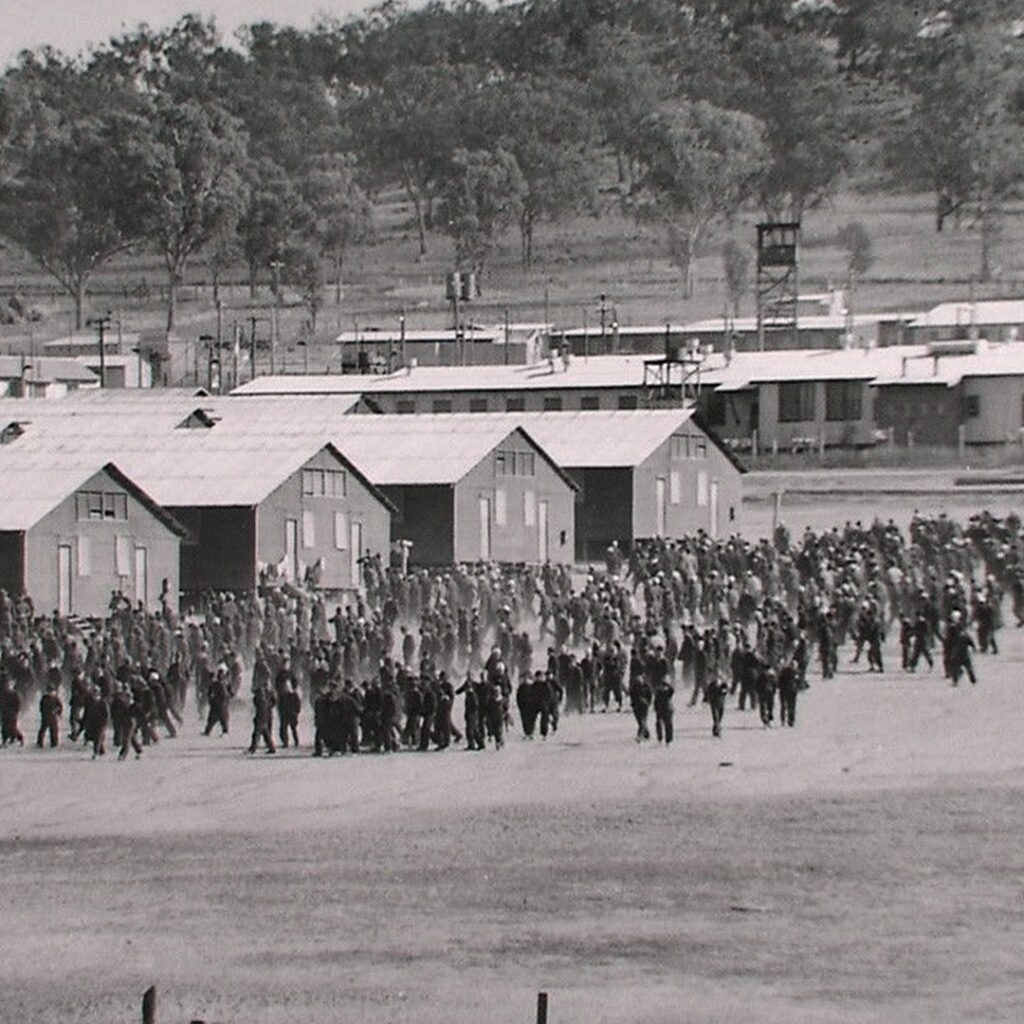
The distinction between prisoner of war and civilian internee was often blurred. Some civilians were sent to Cowra, a prisoner-of-war camp in New South Wales.
In August 1944, the consequences of Australia’s incarceration policy erupted there with devastating force.
More than 1,000 Japanese detainees — including civilians forcibly removed from their homes — participated in a mass breakout.
Armed with makeshift weapons and driven by desperation, the escape attempt ended in tragedy. At least 231 Japanese prisoners were killed, along with four Australian guards. It remains the largest prison breakout in Australian history.
Cowra Prisoner of War Camp, New South Wales. Although designed for POWs, civilians of Japanese descent were also confined here, blurring the line between.
Courtesy of Australian War Memorial 044172
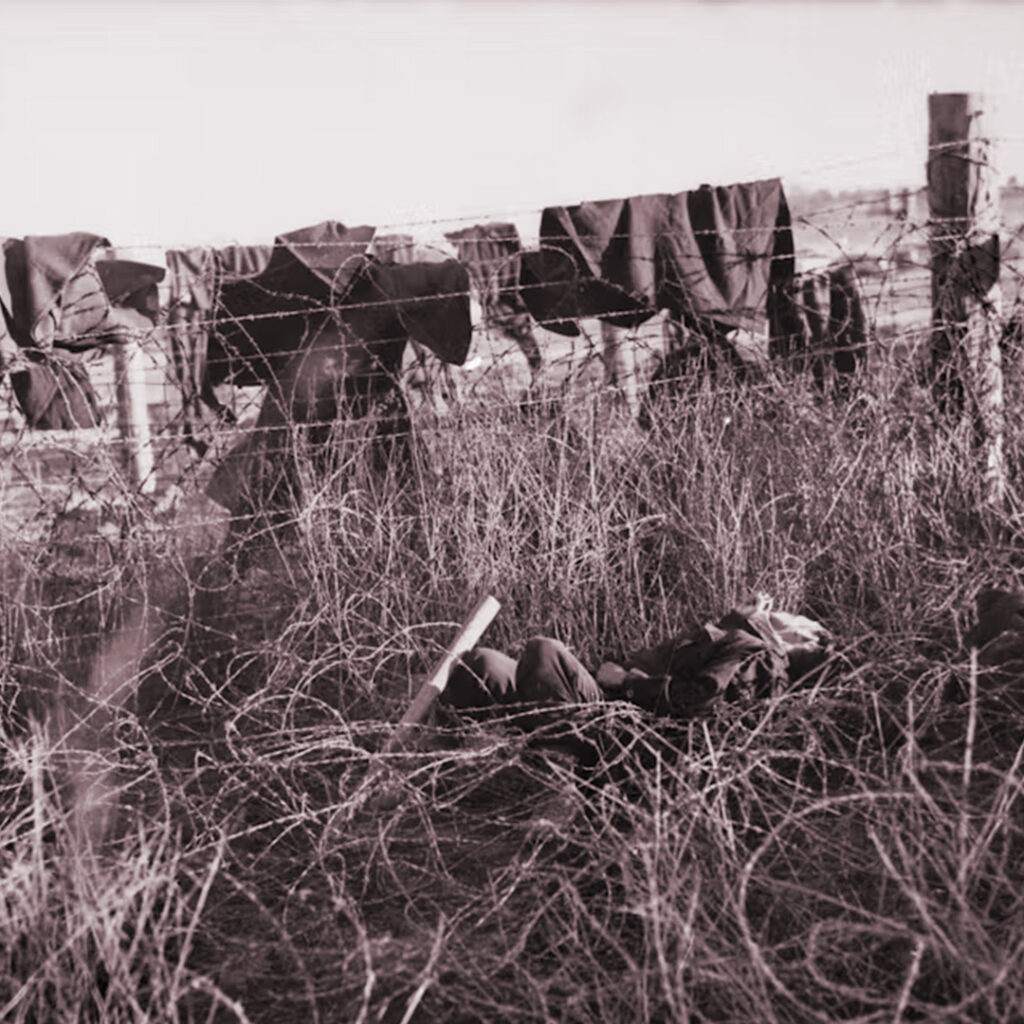
The morning after the Cowra breakout, August 1944. Blankets hung on barbed wire. The dead lay where they fell. It was in many ways, a disaster.
Courtesy of Australian War Memorial 073486
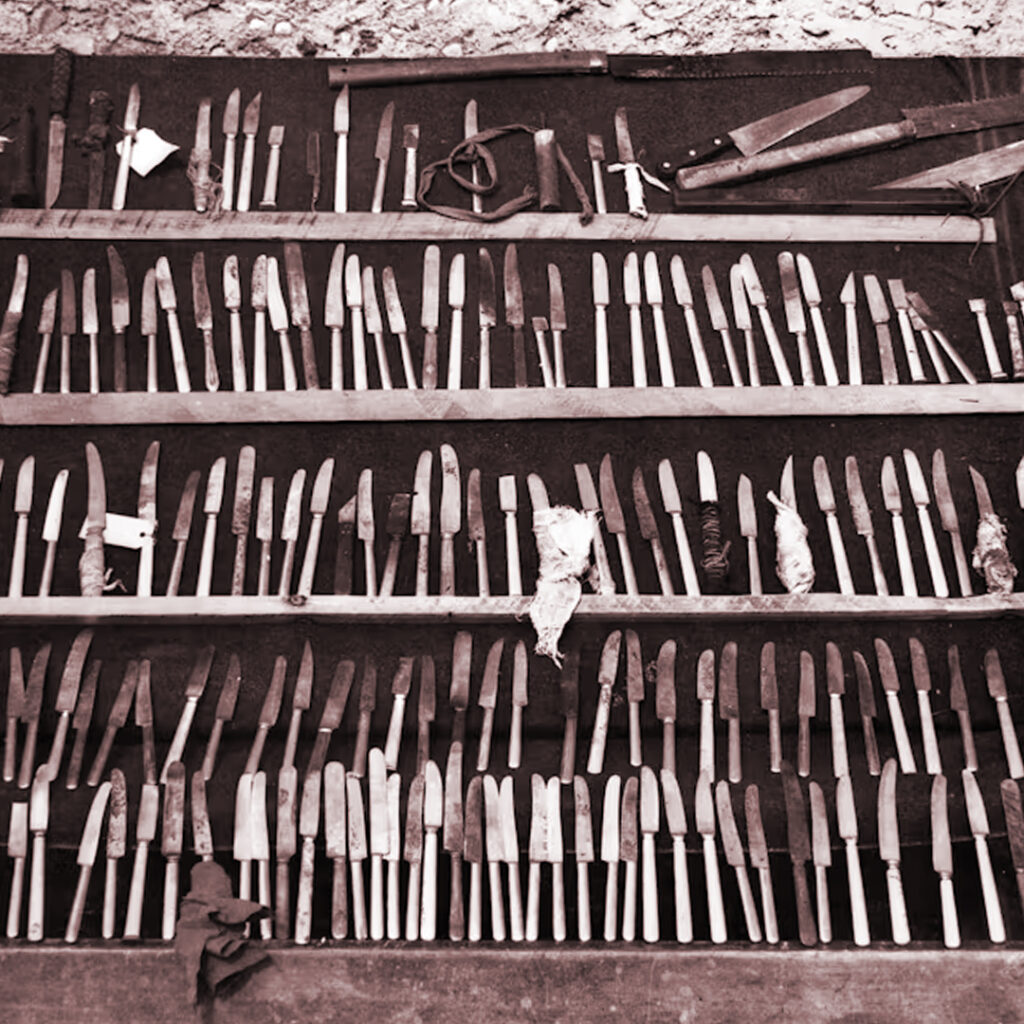
Knives recovered after the Cowra breakout, 1944. Most were camp tools or kitchen implements, repurposed by detainees who had no access to weapons.
Courtesy of Australian War Memorial 073487
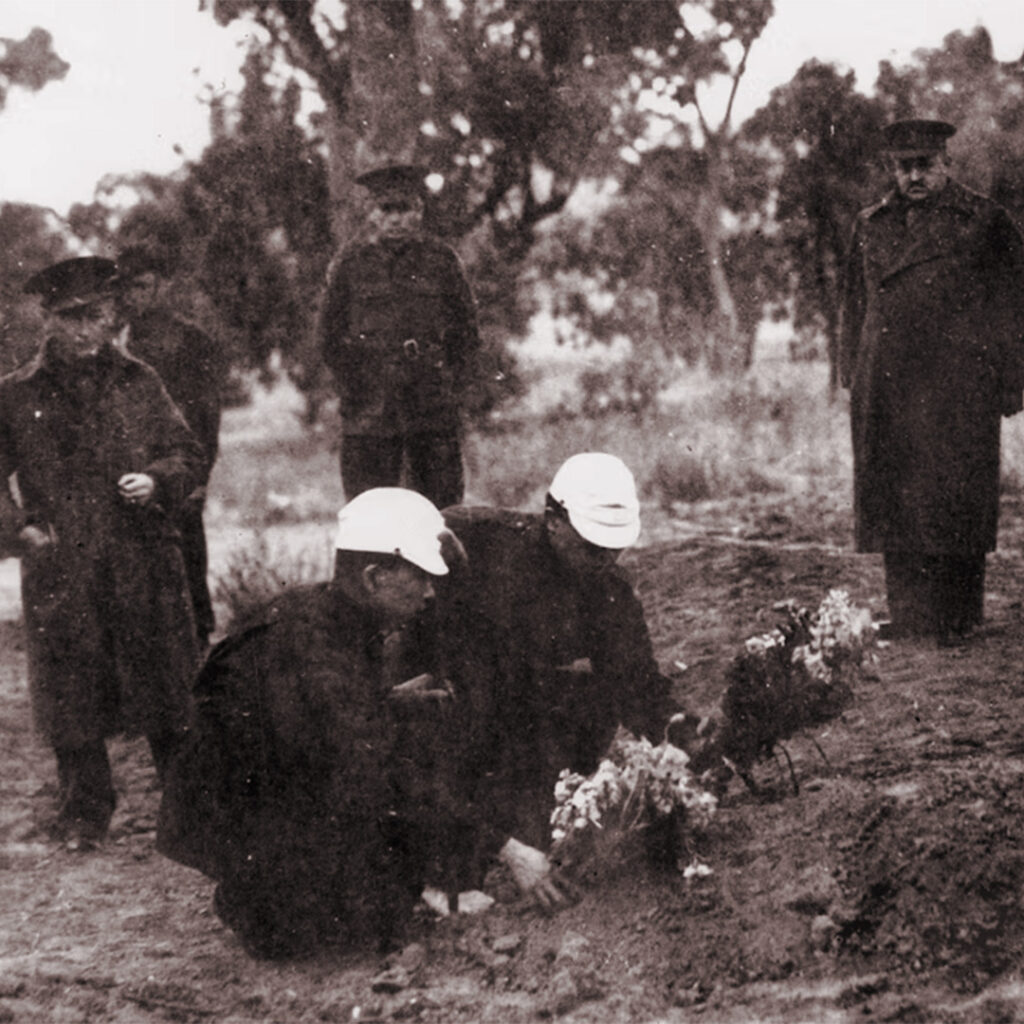
Burial of Japanese detainees killed during the Cowra breakout, August 1944. Most were buried far from home, without family present.
Courtesy of Australian War Memorial 125647
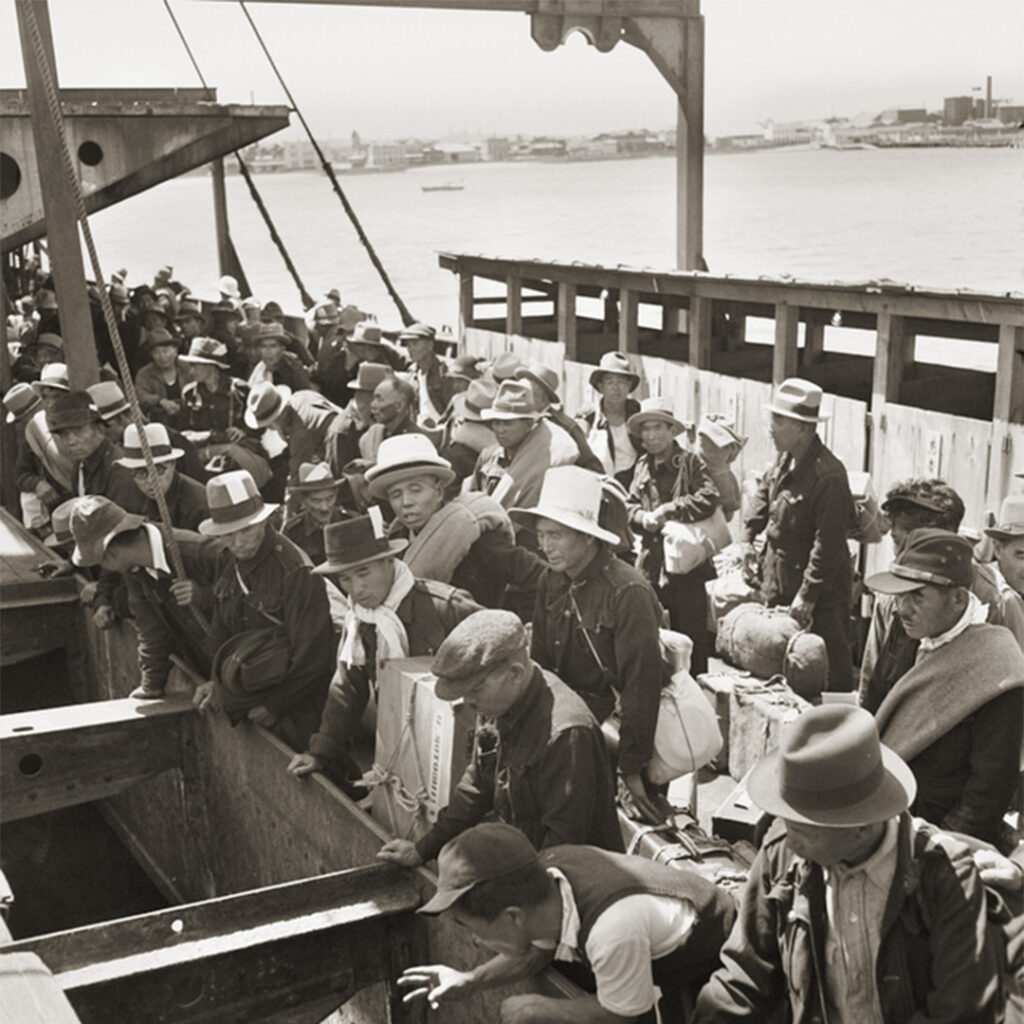
Japanese repatriation at Port Melbourne, February 1946. After years in camps, many were deported to Japan, including those born and raised in Australia.
Courtesy of Libraries & Archives
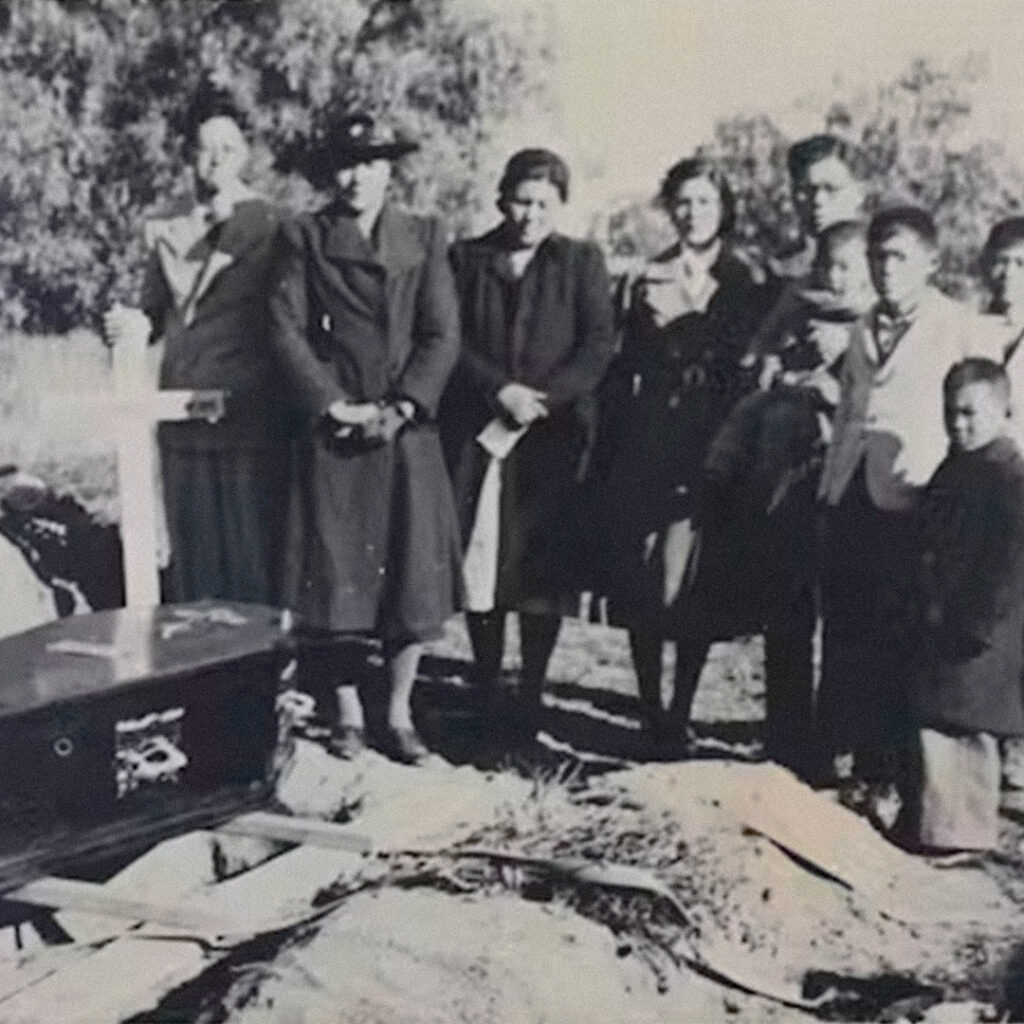
Funeral of Yasukichi Murakami at Tatura Camp, Victoria, June 1944. Some never made it out. Most never made it home.
Repatriate or Live With Hate
In 1946, most internees were forcibly repatriated to Japan — even those who had been born in Australia. Only those born in Australia or married to someone born in Australia or Britain were allowed to remain. Even then, their lives were marked by racism and suspicion.
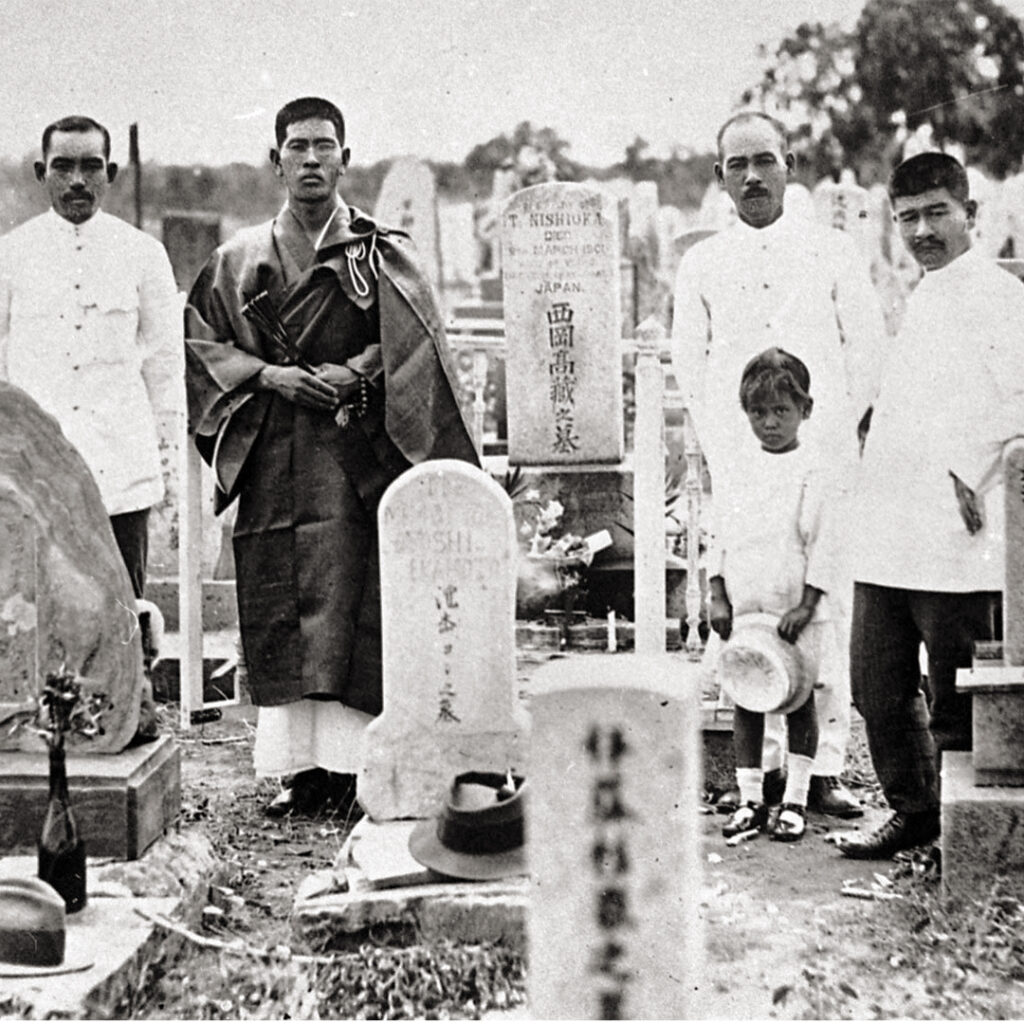
Broome, once home to a vibrant Japanese community of more than three hundred, had only nine Japanese residents left after the war. One returnee, Jimmy Chi, came home to find his house and restaurant burned to the ground.
Australia successfully rid themselves of almost the entire Japanese and Japanese Australian population from their pool. Something they planned from months ahead of the war.
No Acknowledgment. No Apology.
The Japanese community in Australia dwindled to less than a third of what it was compared to before and after the war.
Unlike the United States and Canada, the Australian government has never formally apologized for the wartime incarceration or deportation of its Japanese residents. There have been no official investigations, no reparations, and no national acknowledgment of this chapter in the country’s history.
For those whose lives were shattered, and for generations who never heard this story, Australia Day remains not a symbol of unity — but a painful reminder. For many survivors and descendants, it’s still not a day of celebration.
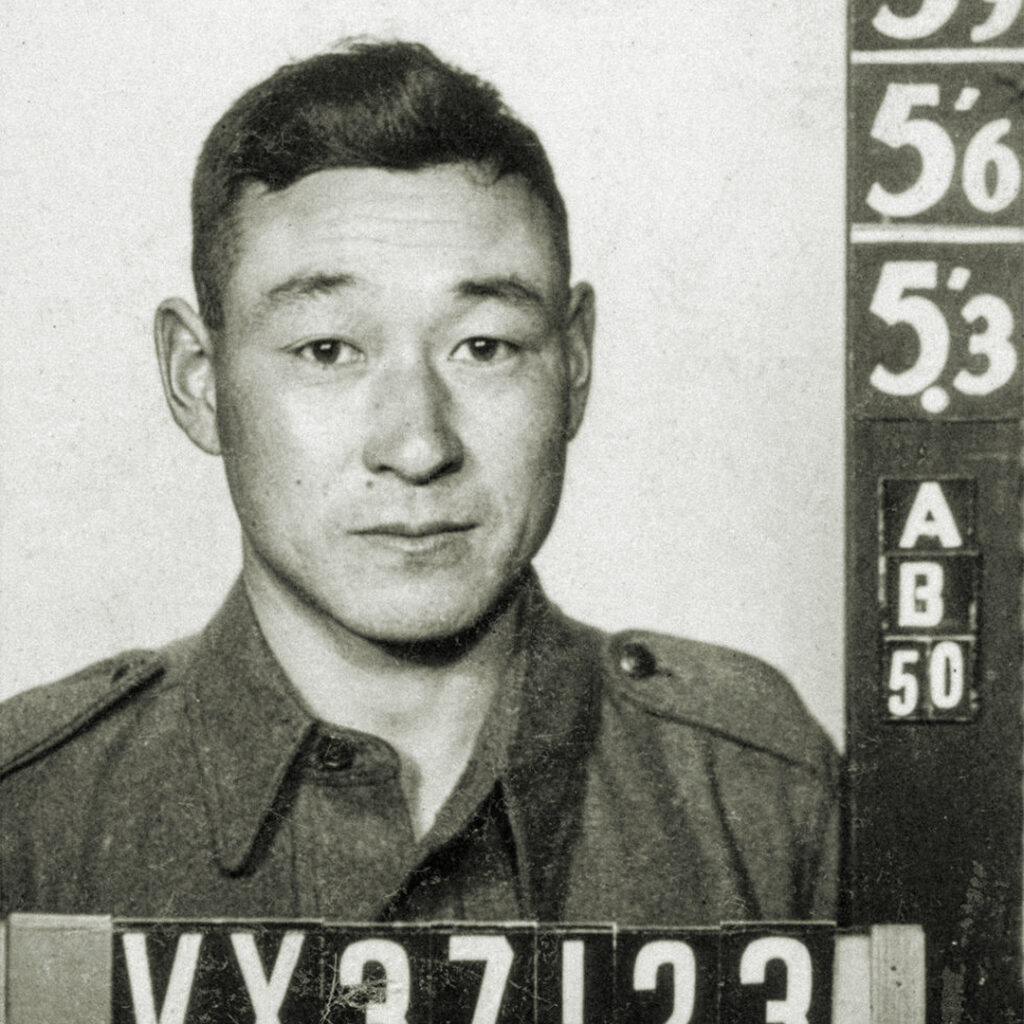
Some men, like Mario Takasuka, fought for Australia during WWII. How many did the same may never be known because they had to hide their heritage to serve.
Courtesy of Broome Historical Society
Broome Cemetery, Western Australia. After the war, Broome, a once-thriving Japanese community was reduced to just nine people.