January 9, 1885: The California Supreme Court ruled that denying Mamie Tape admission to public school violated the Fourteenth Amendment.
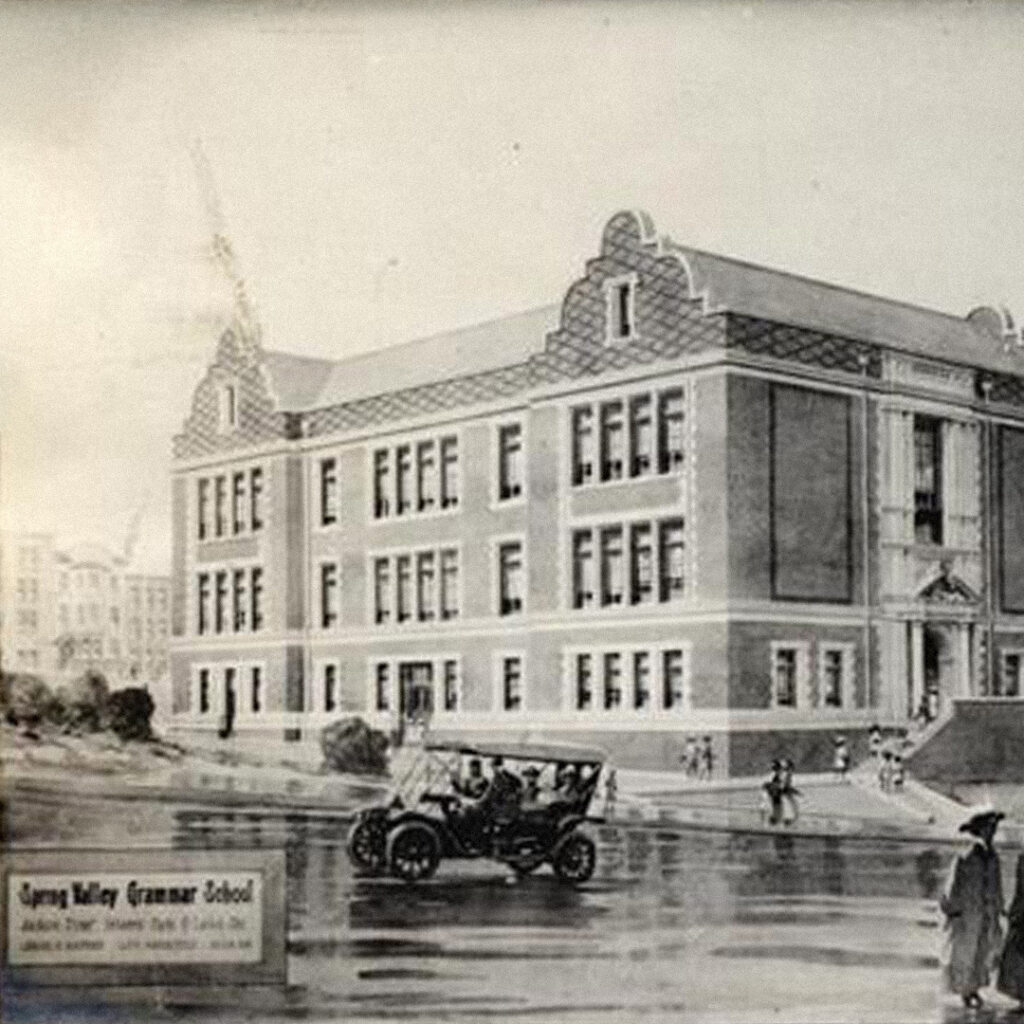
In 1884, Mamie Tape was turned away from the Spring Valley School in San Francisco. The reason was not capacity. It was not geography. It was not conduct. It was ancestry.
Mamie had been born in the United States. Her parents paid taxes. The school was public. But Chinese children were not welcome. Her parents refused to accept that answer.
The case that followed, Tape v. Hurley (1885), reached the California Supreme Court. It found that excluding Mamie from public school solely because she was Chinese violated the Equal Protection Clause of the Fourteenth Amendment.
The ruling was clear. Public education could not be denied on the basis of race. It was a rare moment in nineteenth-century America when the law aligned with justice. It did not last.
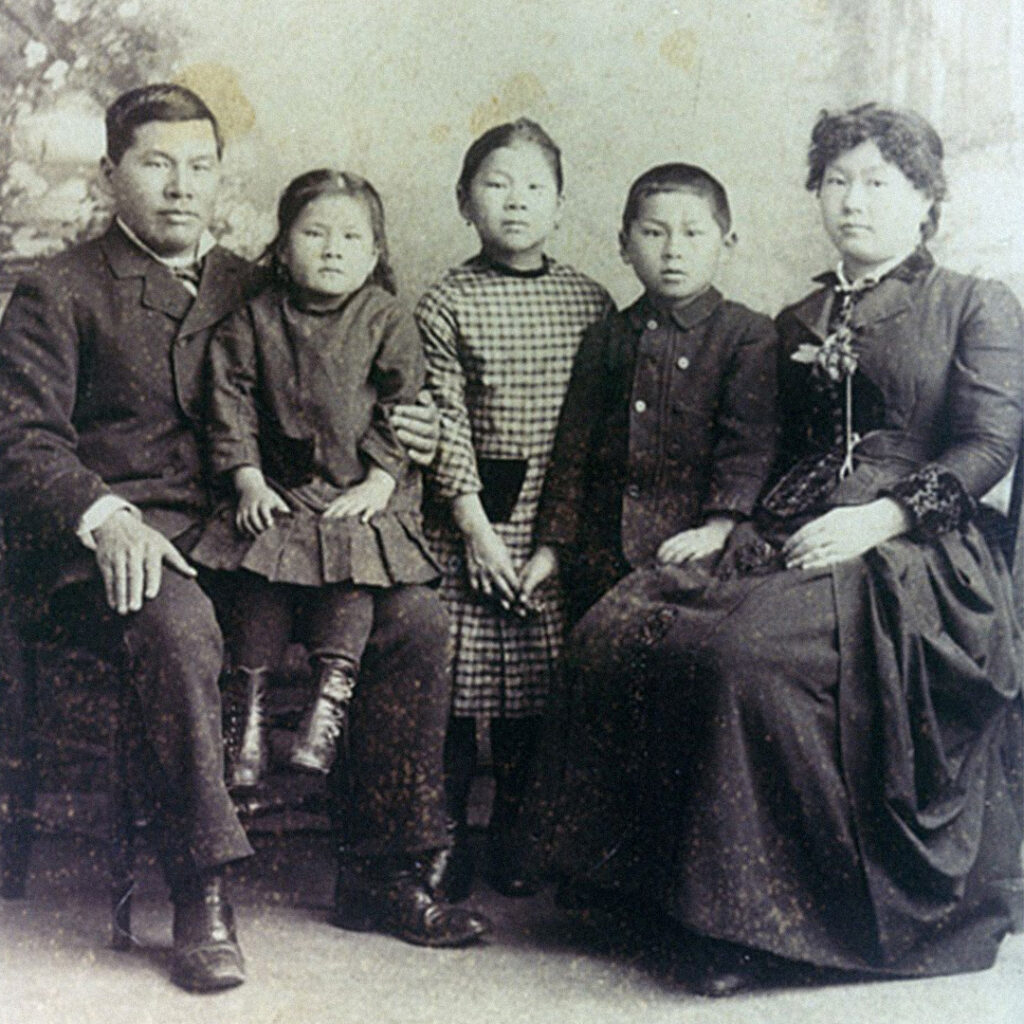
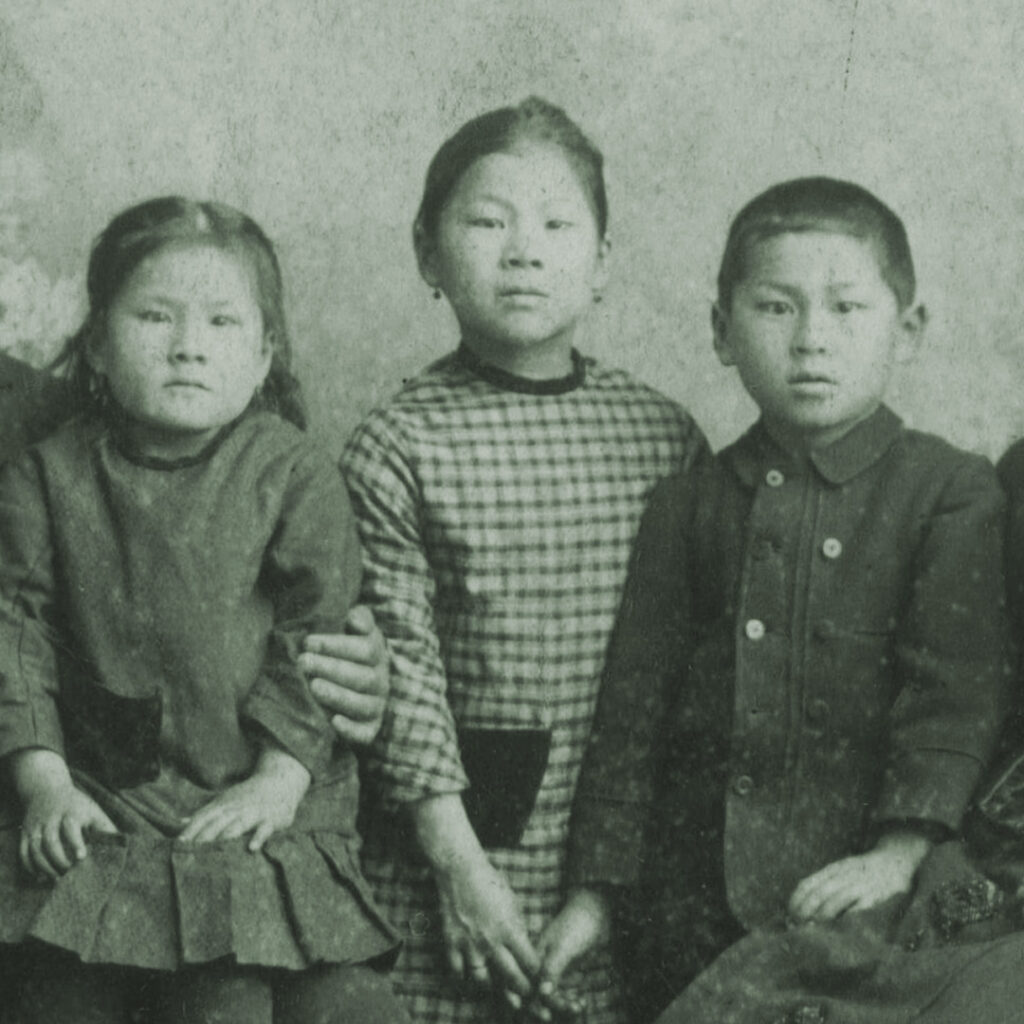
Mamie Tape (center) stands with her parents and siblings in San Francisco, shortly before her exclusion from public school led to Tape v. Hurley (1885).
Spring Valley Grammar School, San Francisco. Located at 1451 Jackson Street, this was the public school Mamie Tape was denied admission to in 1884.
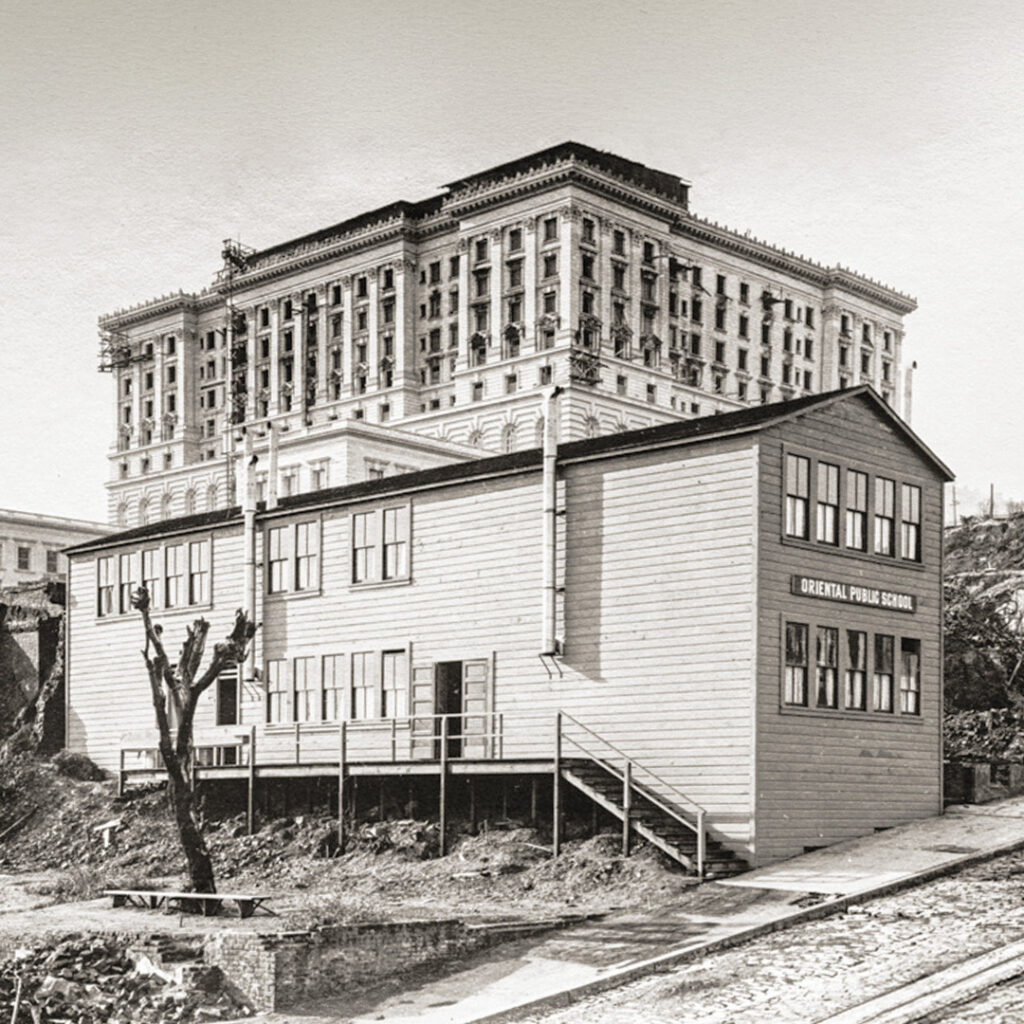
Chinese Primary School, San Francisco. Established after Tape v. Hurley (1885), this segregated school was created to keep Chinese children out of white public schools.
Credit Marilyn Blaisdell Collection
The city later renamed the existing “Chinese Primary School” to “Oriental Public School,” lumping Japanese and Korean children in with Chinese students.
California’s Resistance to Acceptance
Rather than admit Chinese children into existing public schools, San Francisco did something else: It created a separate one.
The city established a segregated Chinese Primary School, later renamed the “Oriental School,” where Chinese, Japanese, and Korean children could be assigned together. Equality was affirmed in court and denied in practice.
The ruling in Tape v. Hurley did not lead to desegregation. It led to bureaucracy, and this was not new.
In 1859, San Francisco opened a publicly funded Chinese School in Chinatown, barring Chinese students from all other public schools. In 1870, the law was amended to quietly remove the requirement that Chinese children be educated at all. One year later, funding for the Chinese School was cut. The school closed.
Built on Exclusion
Families were left to figure it out on their own. Some sent their children to church schools. Others hired private tutors. Many had no options at all.
The refusal to educate Chinese children did not exist in isolation.
Chinese immigration to California began during the Gold Rush of the 1840s. As Chinese labor became essential to mining, agriculture, and railroads, hostility followed. Chinese workers were excluded from white-dominated unions and blamed for economic instability. Violence escalated into riots, expulsions, and lynchings.
The Page Act of 1875 effectively barred Chinese women from entering the United States. In 1882, the Chinese Exclusion Act banned immigration from China and barred naturalization. Both major political parties supported it.
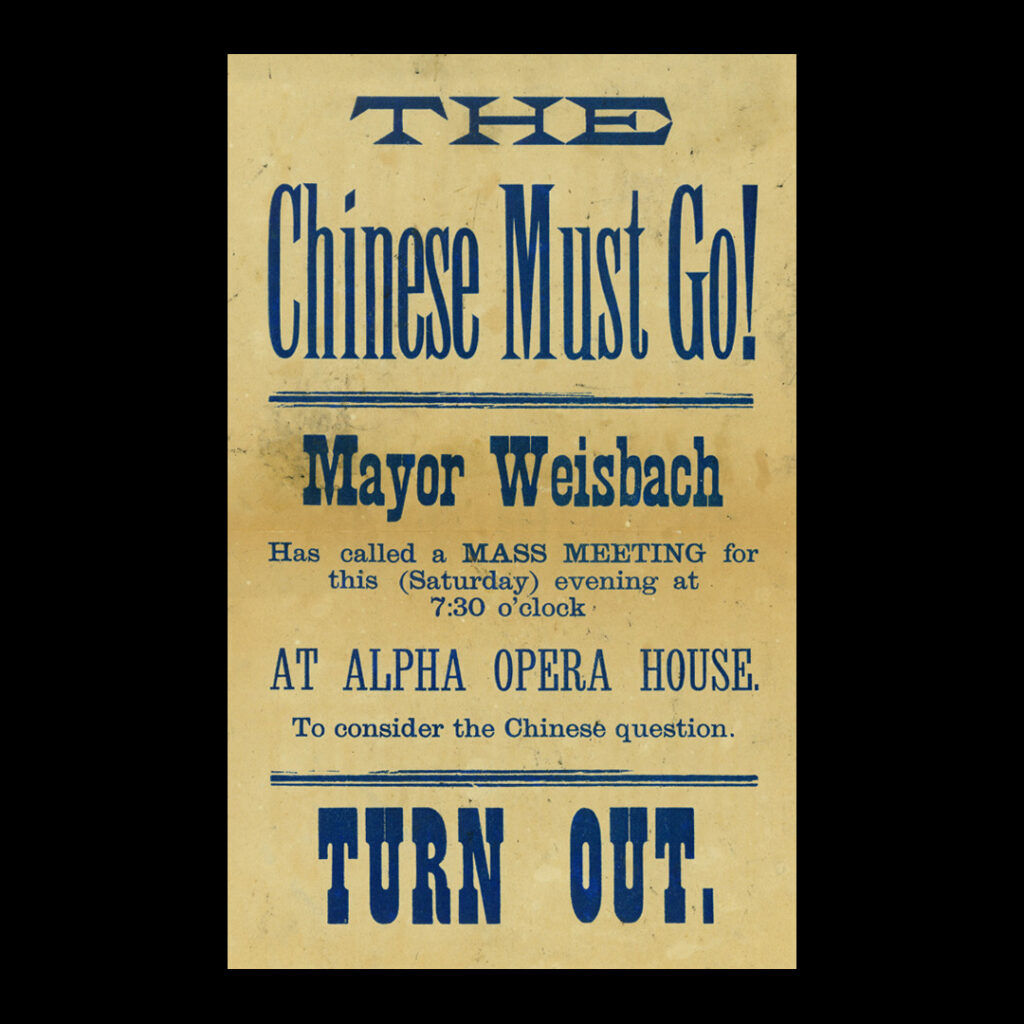
Public calls for exclusion and removal were common in California at the same time courts were ruling that Chinese Americans were entitled to equal protection under the law.
Credit Royal BC Museum
An anti-Chinese poster announcing the passage of the Chinese Exclusion Act, May 6, 1882
Courtesy of Alisa J. Kim
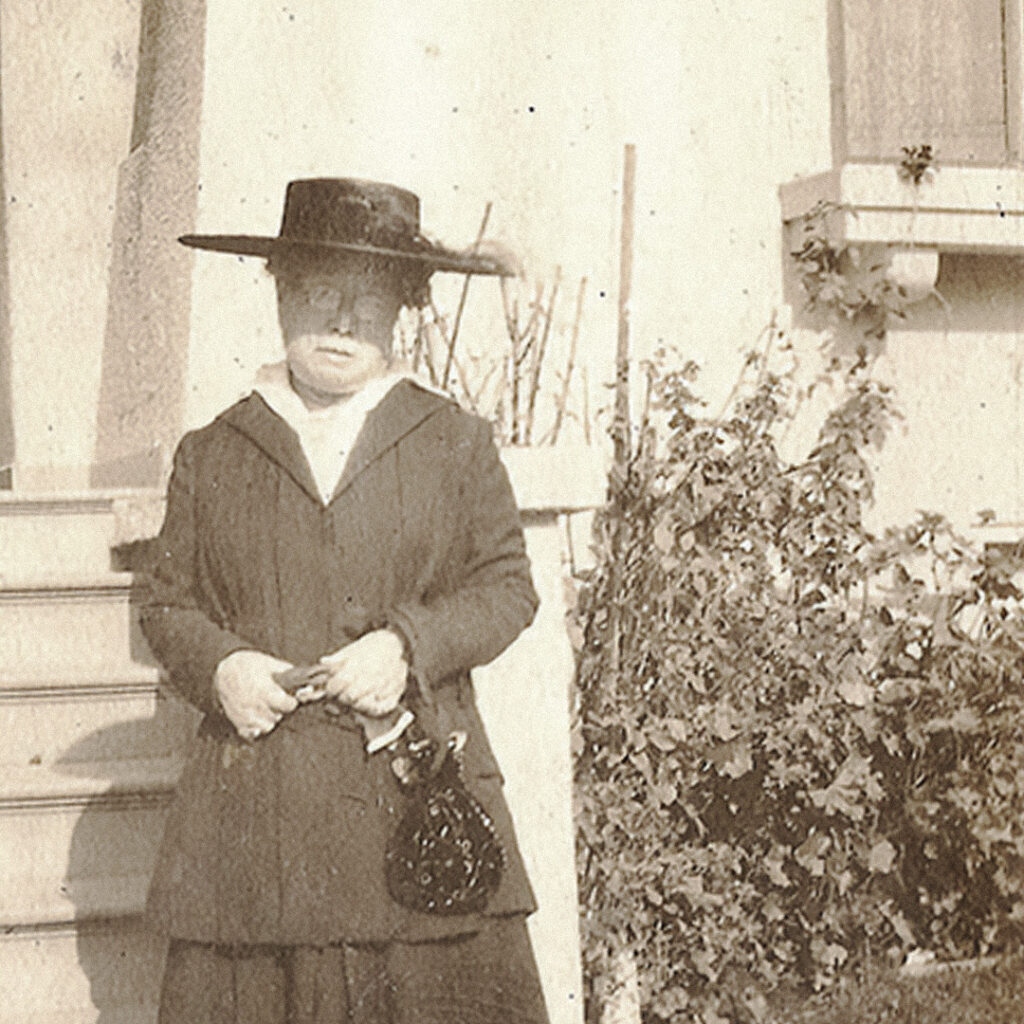
Mary Tape taught herself enough English to challenge the state. When the courts ruled in her daughter’s favor and segregation followed, she put the injustice in writing.
Mary Tape’s Letter
By 1885, Chinese people were legally present in the United States but structurally unwelcome. Mamie Tape’s exclusion was not an exception. It was policy.
After San Francisco created the segregated school, Mamie’s mother, Mary Tape, wrote a letter that still resonates today. She asked why her American-born child was being treated as a foreigner in her own neighborhood school.
The law had spoken. The state had ignored it.
The Chinese Exclusion laws would not be repealed until 1943, and even then only symbolically. A quota of 105 immigrants per year replaced outright bans. True immigration reform would not come until 1965.
Trying To Open The Door
Mamie Tape lived her life knowing that her family was right, and that the system refused to listen.
Tape v. Hurley is often cited as a civil rights victory. It was, but it was also a warning. The distance between equality under the law and equality in practice has always been where injustice lives.
For Mamie Tape, that distance began at a schoolhouse door.
Mamie Tape (center) and her siblings, c1884–85. Her case exposed the distance between American ideals and practice.