2614F spent the rest of her life making sure people remembered why she was 2614F.
January 6, 1923: Sue Kunitomi Embrey, Japanese American activist, writer, educator, prisoner 2614F, and driving force behind Manzanar National Historic Site, was born in Los Angeles, CA.
Born Sueko Kunitomi, she was the sixth of eight children of Japanese immigrant parents. When Sue was fourteen, her father was killed in a truck accident. Her mother, Komika, spent years piecing together savings until she was finally able to open a small grocery store.
At nineteen, Sue was working in that store when her family was forcibly removed from their home, forced to sell their business at a loss, and sent to Manzanar — one of ten American concentration camps used to incarcerate Japanese Americans. Like more than 120,000 others, she was imprisoned without charge, trial, or evidence of wrongdoing.
Her brother Hideo volunteered to arrive early at Manzanar to help construct the camp. He later said he did it so the place his family would be forced to live might be as humane as possible.
Inside the camp, her name was no longer Sue. It was 2614F. That number stayed with her.
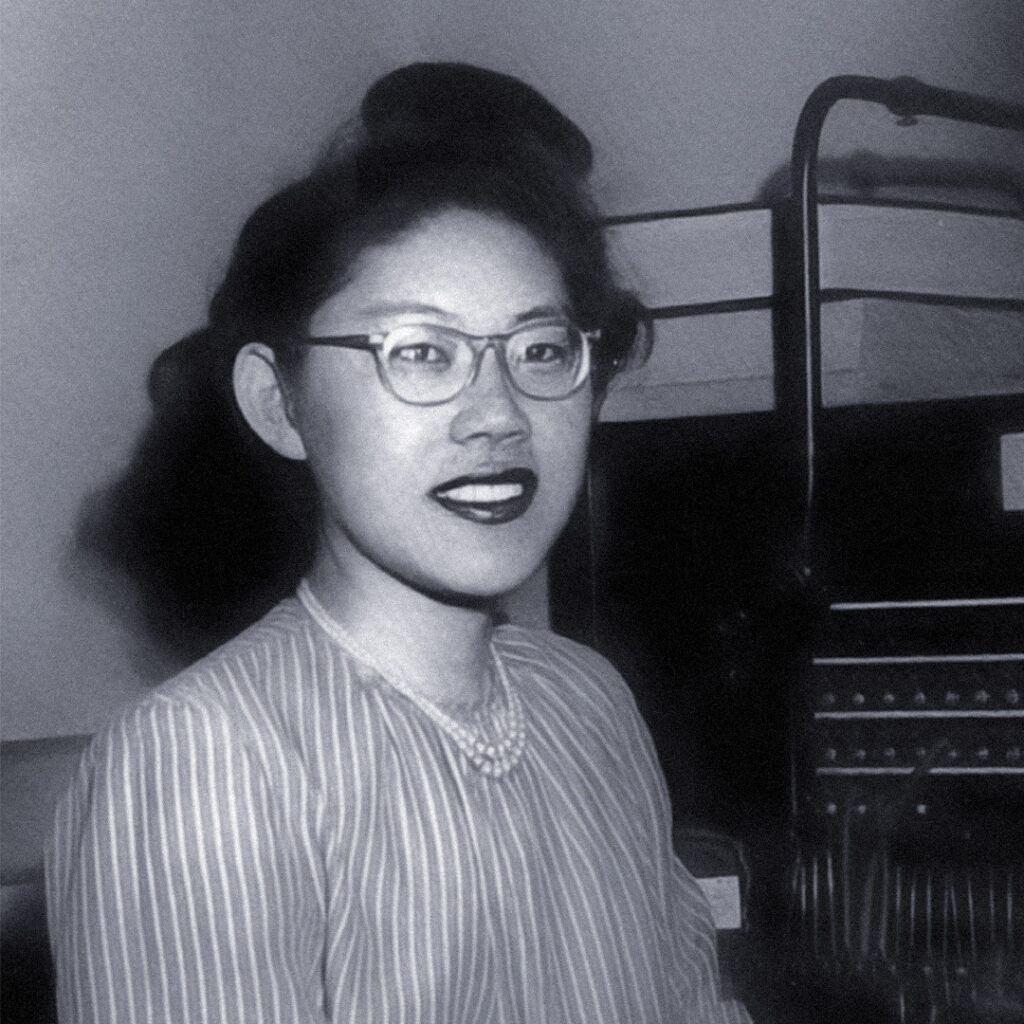
Sue Kunitomi Embrey, whose lived experience of incarceration at Manzanar would shape a lifetime dedicated to historical preservation and justice.
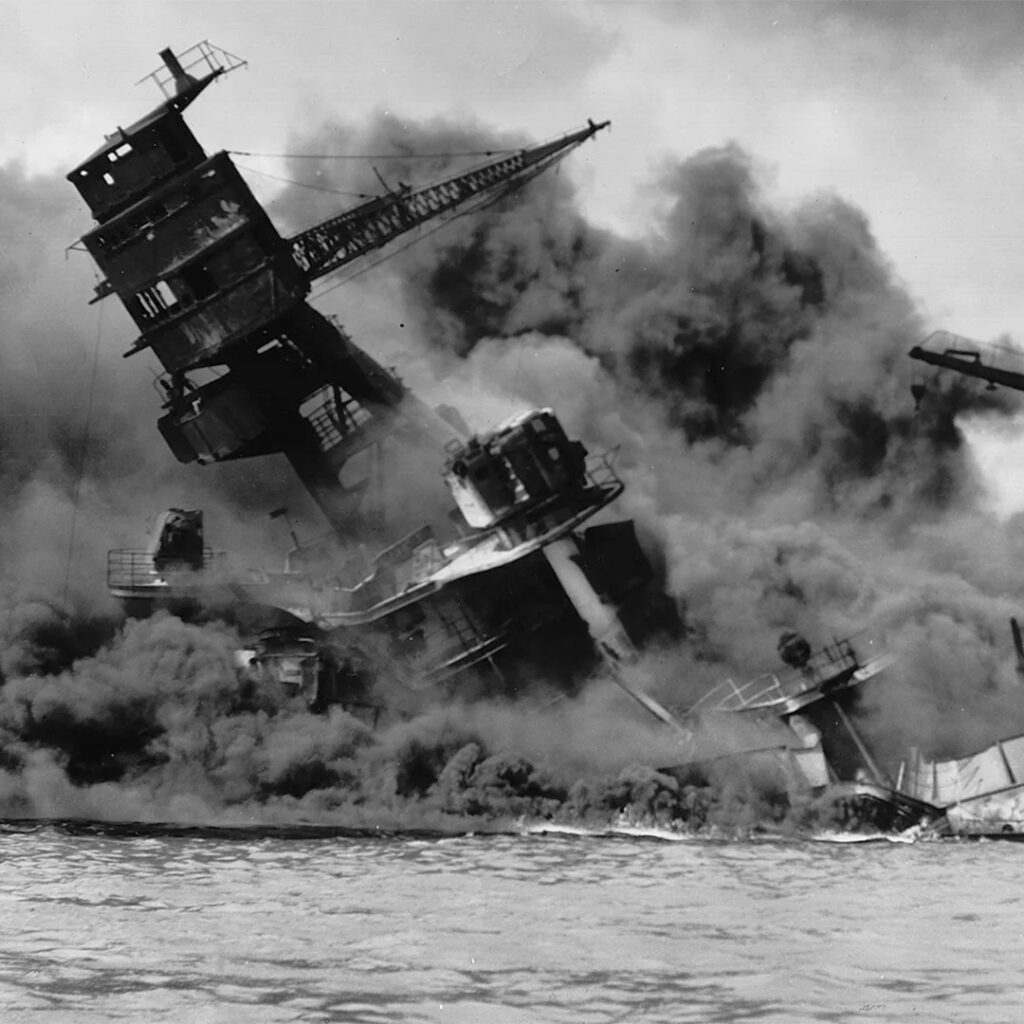
After Pearl Harbor, anti-Japanese groups gained enormous political power. What followed wasn’t just fear, but a coordinated push to remove an entire community.
The first group of Japanese-Americans arrive at the Manzanar War Relocation Center, one of ten major incarceration camps during WWII, 1942
Manzanar also had a camouflage net factory. Facing similar problems as the one in Santa Anita, the factory was short-lived. Photo by Dorothea Lange
Staff of the Manzanar Free Press at work, July 2, 1942, photo by Dorothea Lange
A recruitment poster for Women’s Army Auxiliary Corps. “This is my war too.” Many women couldn’t wait for permission. They forced the Army to take them seriously.
Farewell to Manzanar
At Manzanar, Sue first worked in the camouflage net factory, then became a reporter for the Manzanar Free Press. She wrote a regular column titled Purely Personal and eventually became the paper’s managing editor.
In 1943, Sue was granted clearance to leave the camp and relocated alone to Madison, Wisconsin. She was denied admission to the University of Wisconsin after being told that having a Japanese American student on campus would endanger a wartime research project. She instead found work at a mail-order company.
In 1944, she moved again, joining her two older brothers in Chicago. Sue returned to Los Angeles in 1948 to care for her mother. She briefly worked for the Los Angeles County Department of Education before transferring to the Health Department.
Becoming Embrey and Becoming Active
She joined the Democratic Club and the Nisei Progressives, where she met Garland Embrey. They married in 1950, at a time when interracial marriages were still widely opposed. While raising two children, Sue attended California State University, Los Angeles part-time, earning a bachelor’s degree in English in 1969 and a master’s degree in education from the University of Southern California in 1972. She later taught in the Los Angeles Unified School District.
Embrey became deeply involved in labor, civil rights, and education advocacy, pushing for the inclusion of Japanese American incarceration history in school curricula and working with organizations such as United Teachers of Los Angeles, the Asian Pacific American Labor Alliance, the United Farm Workers, and UCLA’s Labor Center. During Mayor Tom Bradley’s administration, she served for ten years on the Los Angeles City Status of Women Commission and represented the U.S. as a delegate to national and international women’s conferences.
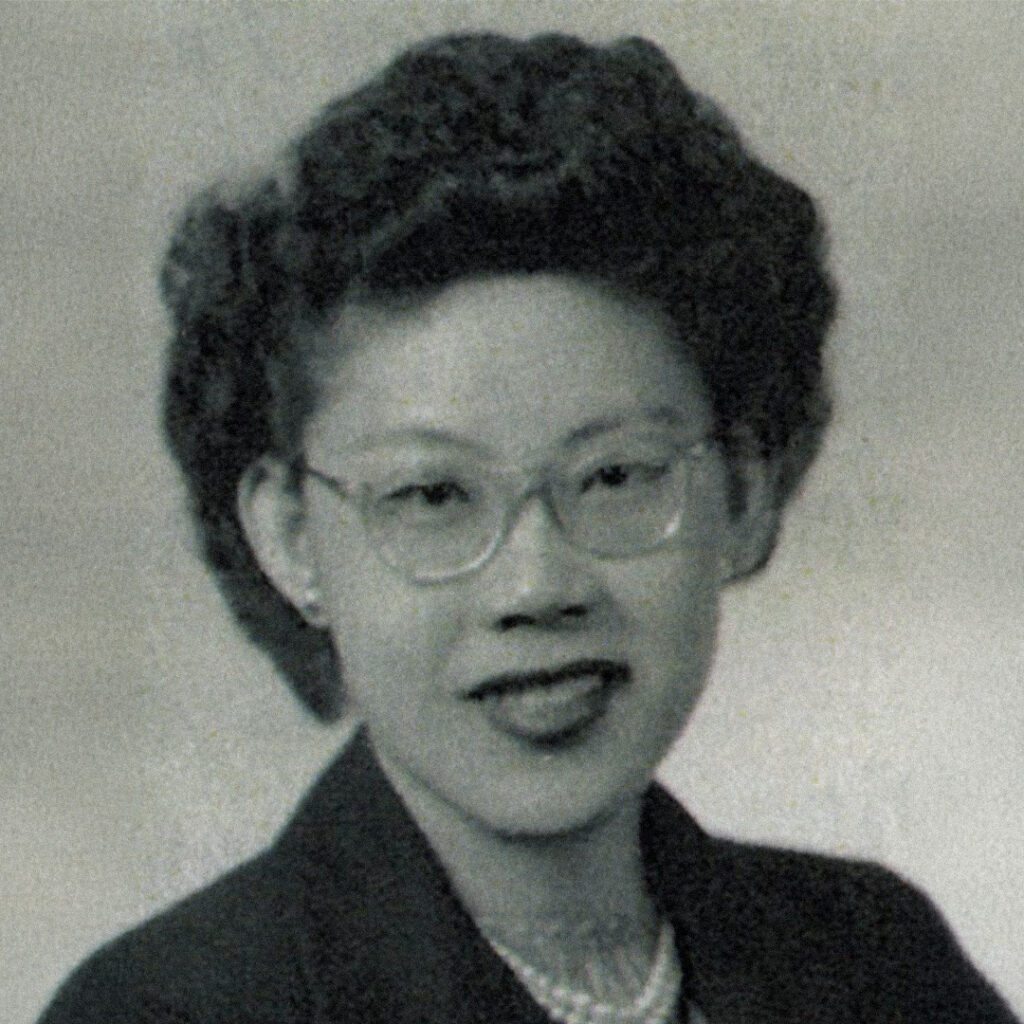
Sue Kunitomi Embrey, who became a leading advocate for civil rights and the preservation of Manzanar’s history, with the support of her husband, Garland.
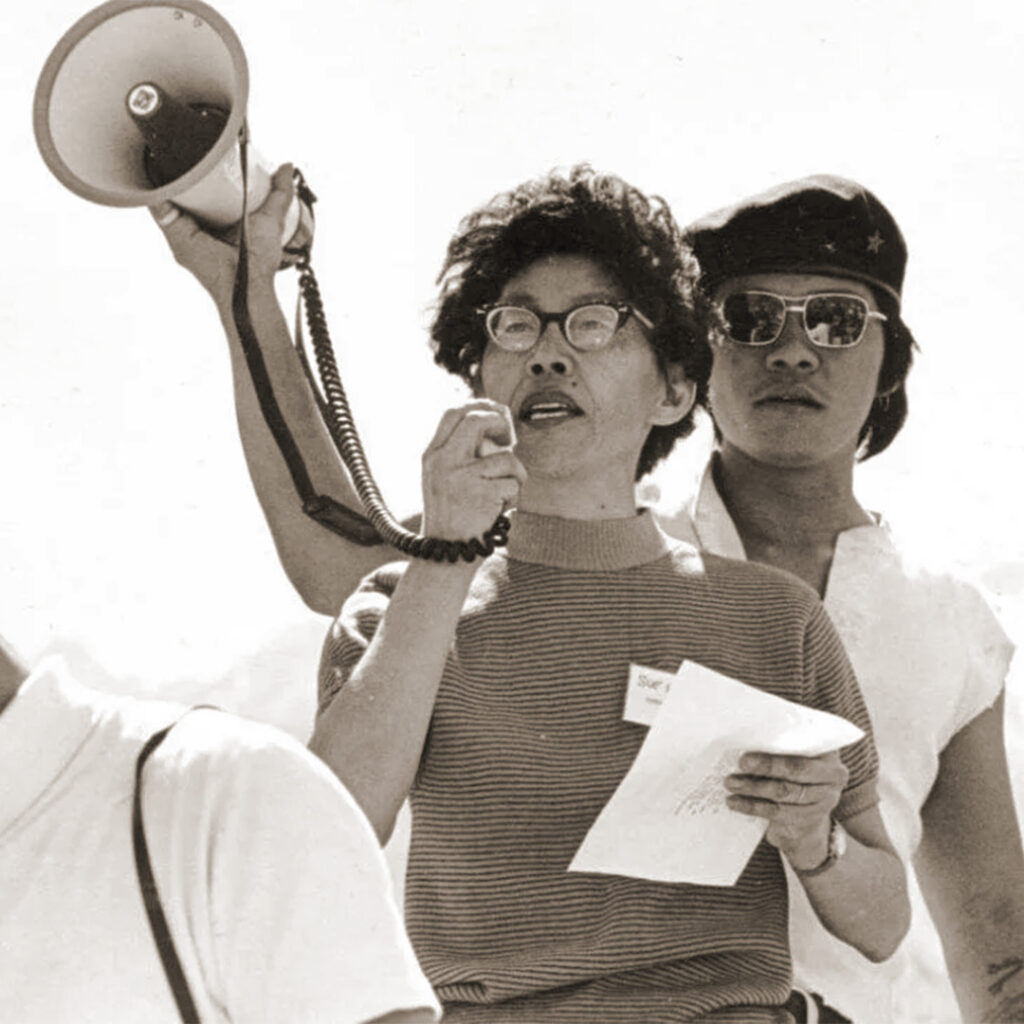
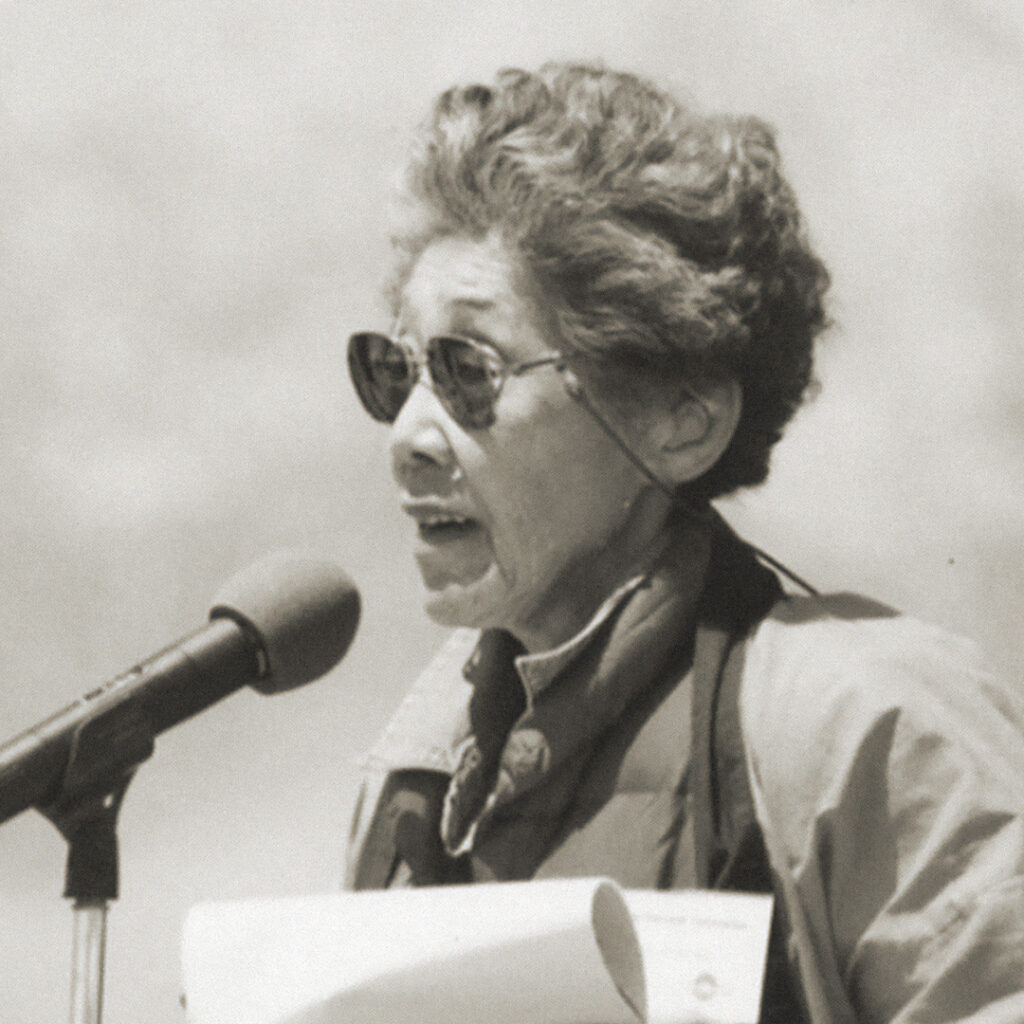
Sue Kunitomi Embrey speaking at the Manzanar Pilgrimage, recounting her own experience of incarceration.
Return to Manzanar
In 1969, Embrey attended the first Manzanar Pilgrimage and spoke publicly about her incarceration for the first time.
The following year, she co-founded the Manzanar Committee with Warren Furutani.
She would later chair the committee, organizing the annual pilgrimage for thirty-six years. Under her leadership, Manzanar was designated a California Historical Landmark in 1972 and a National Historic Site in 1992. She worked closely with the National Park Service to develop the site’s interpretation and preservation.
Embrey served as the inaugural chair of the Manzanar National Historic Site Advisory Commission, authorized by Congress.
She also documented incarceration history in print, authoring The Lost Years, 1942–46 (1972) and co-authoring Manzanar Martyr: An Interview with Harry Y. Ueno (1986).
2614F’s Legacy
Sue Embrey believed people needed to remember what incarceration had done, and what it could do again: “I think Manzanar should stand as a symbol of something that happened in America; had happened before and could happen again. It takes people who are aware of the past to make sure that it doesn’t get repeated in the future.”
Because she refused to let 2614F be buried as a number, Manzanar is today the most intact and comprehensively interpreted American incarceration camp from World War II. Its preservation helped inspire similar efforts at other sites across the country.
Sue Kunitomi Embrey died on May 15, 2006, in Los Angeles, from kidney failure. She was eighty-three.
She made sure people didn’t forget her mother lost her grocery store. She made sure people didn’t forget her brother helped build the camp where they were imprisoned. And she made sure she was never just 2614F — and that no one forgot what that number meant.
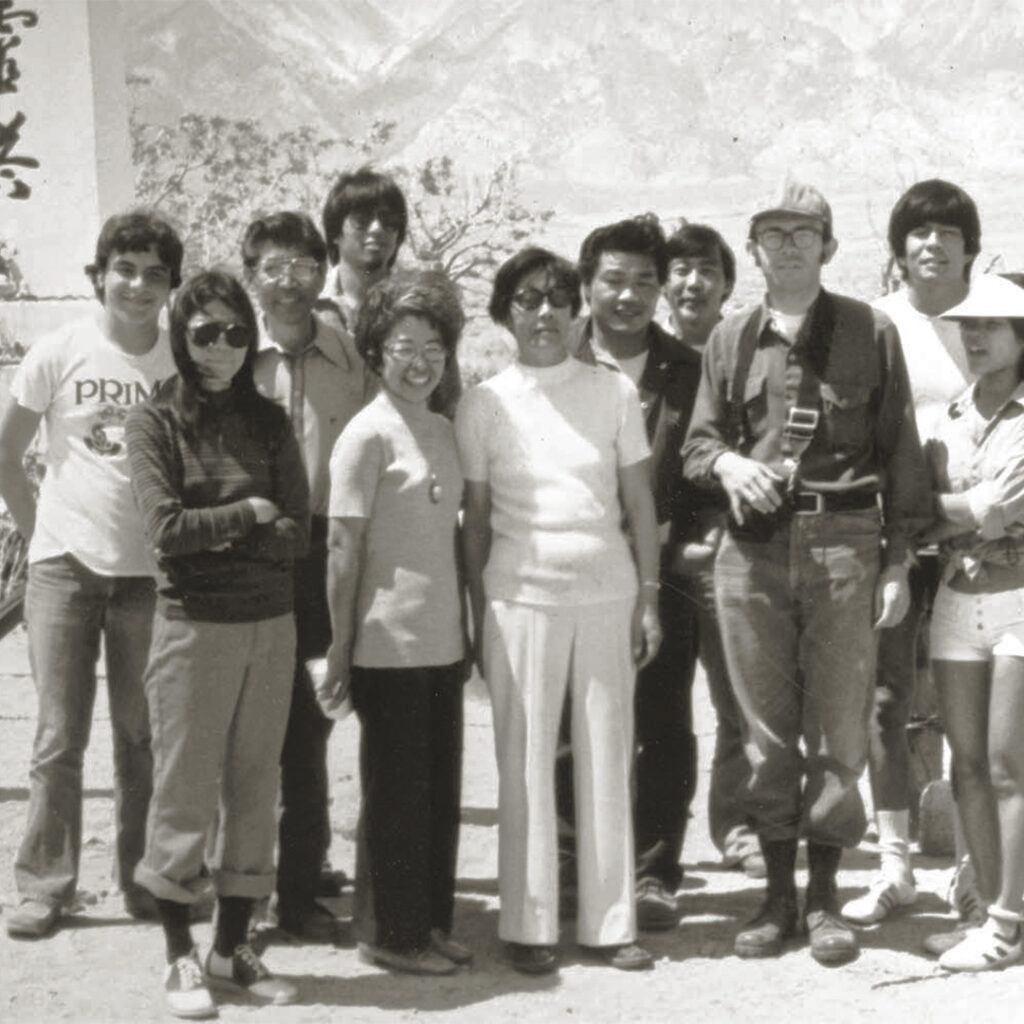
A growing community gathers at the Manzanar Pilgrimage in the 1970s, as remembrance became action.
Sue Kunitomi Embrey continued to return to Manzanar to speak and bear witness. She dedicated much of her life to preserving the site and its history.