September 29, 1943: Sergeant Shigeo Joe Takata became the first Nisei soldier to be killed in action during WWII.
Born in 1919 in Hawaii to Japanese immigrant parents, Shigeo Joe Takata was part of a generation of Nisei (second-generation Japanese Americans) who grew up navigating two worlds. But wherever he went, Takata stood out. He was respected for his talent, admired for his work ethic, and loved for his leadership.
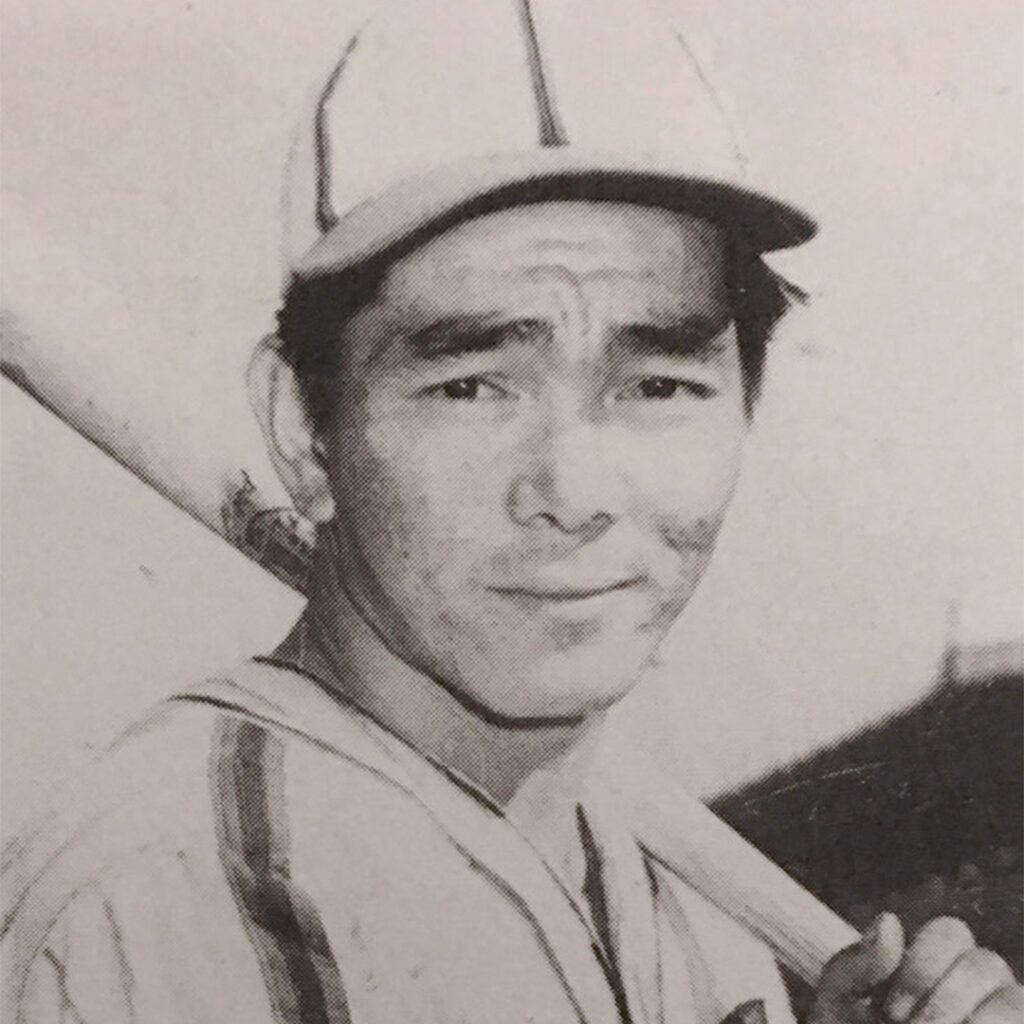
At Honolulu’s McKinley High School, Takata starred on the baseball team, helping lead them to a championship. After graduating, he continued playing with distinction in the Hawaii Baseball League for teams like the Azuma and Asahi clubs.
He was inducted into the U.S. Army on November 15, 1941, just three weeks before the attack on Pearl Harbor. After the bombing, Japanese American soldiers like Takata faced increased scrutiny, suspicion, and even expulsion from the military. But Takata was among those who stayed. He served faithfully across multiple trainings and theaters of war: first in the Hawaiian Islands, then the continental U.S., then Algeria in North Africa, and finally Italy.
Before the war, Takata helped lead McKinley High School to a baseball championship and later starred in Hawaii’s amateur leagues. He was a natural leader, on and off the field.
Sgt. Shigeo Joe Takata was inducted into the U.S. Army in Honolulu on November 15, 1941. Just three weeks later, Japan would attack Pearl Harbor and everything changed.
Bayonet training at Camp McCoy, Wisconsin. For the Nisei soldiers of the 100th Infantry Battalion, this wasn’t just about combat — it was about proving they belonged.
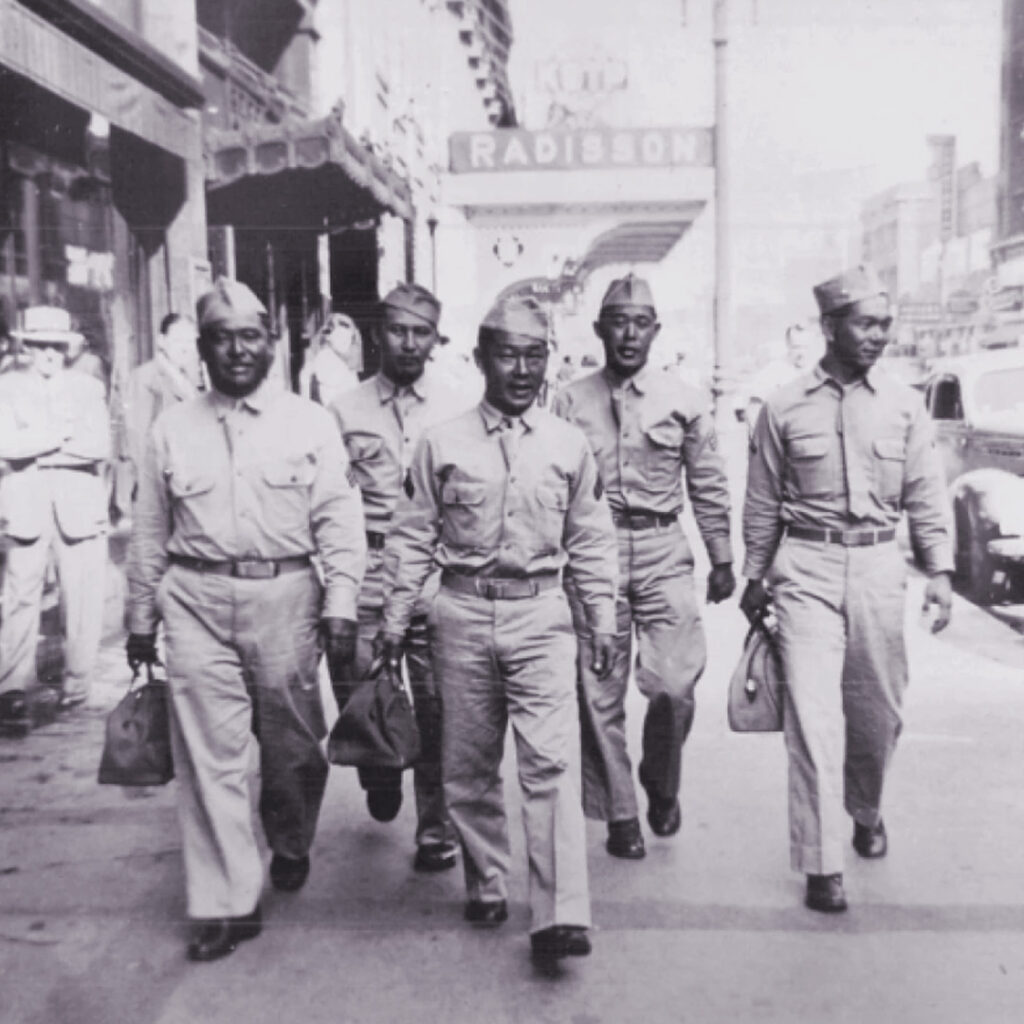
Sgt. Joe Takata (far right) and fellow 100th Infantry Battalion soldiers in Minneapolis, 1943. They wore the U.S. uniform proudly — even when others stared with suspicion.
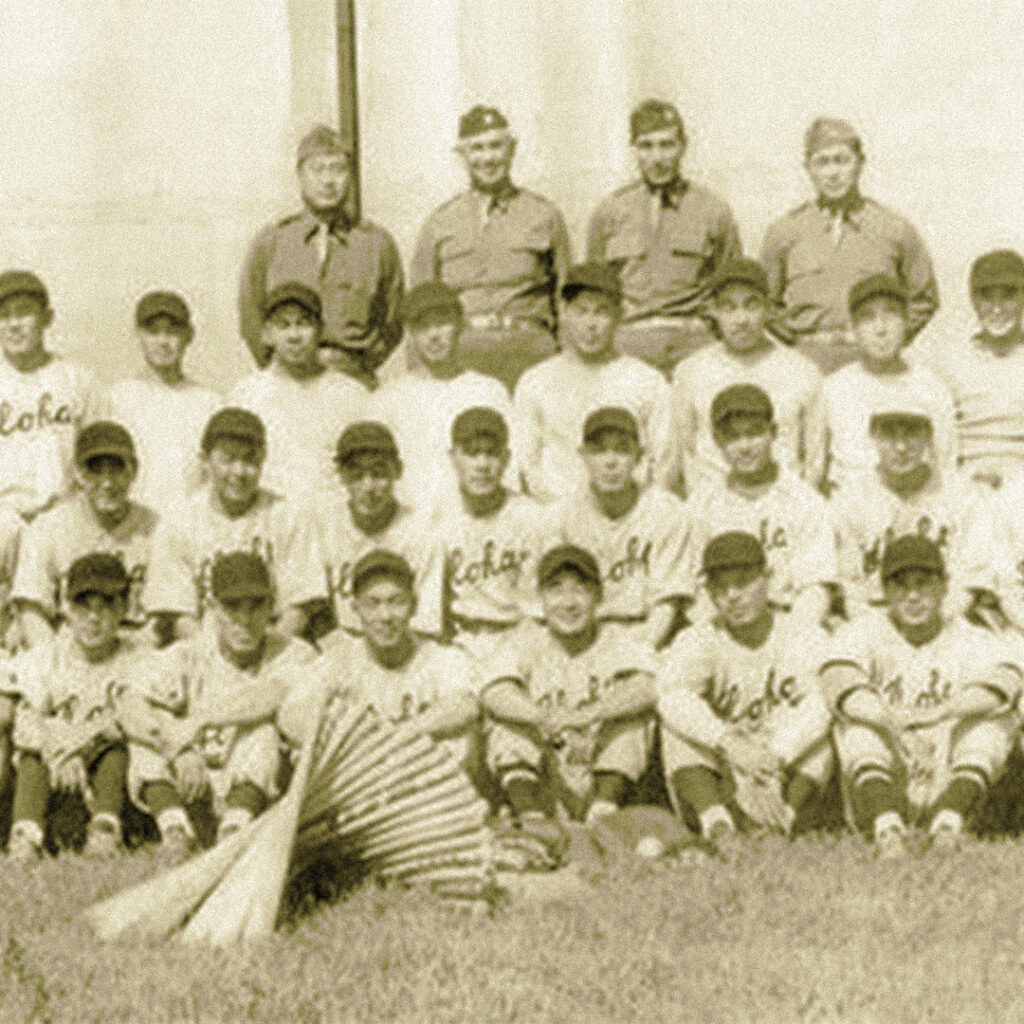
The Aloha Team of the 100th Infantry Battalion Baseball, 1943. These “little guys from Hawaii” stunned crowds with their skill — and made plays like pros.
Heart, Skill, and Hustle
Even in military uniform, baseball remained a part of his life. After getting assigned to Company B of the 100th Infantry Battalion, Takata played on the Aloha team, made up of fellow Nisei soldiers, during training at Camp McCoy and Camp Shelby. They competed against MPs and local squads, and some of them even played in North Africa before the battalion was deployed to the frontlines.
One of Takata’s teammates, Takashi Ted Hirayama later recalled about the time they played against a minor league baseball team in Wisconsin, “I still remember the announcer saying that it would take a major league team to make a play like that, and these little guys from Hawaii just did it. They play like pros.”
No matter the setting — field, camp, or battlefield — Takata was always all-in. He played hard, trained hard, and fought hard. He was known for his quiet intensity, his kindness, and his ability to inspire others by example.
Leader in Life and in Death
On September 29, 1943, in southern Italy, Sgt. Takata was struck by enemy shell fire. But even in his final minutes, he led with purpose.
Though mortally wounded, he stayed conscious just long enough to identify enemy machine gun positions and urge his fellow soldiers to “carry on.”
Two weeks before deploying to basic training, he had married Florence Sakamoto, a young woman from Honolulu. The news of his death devastated both her and the Takata family back home.
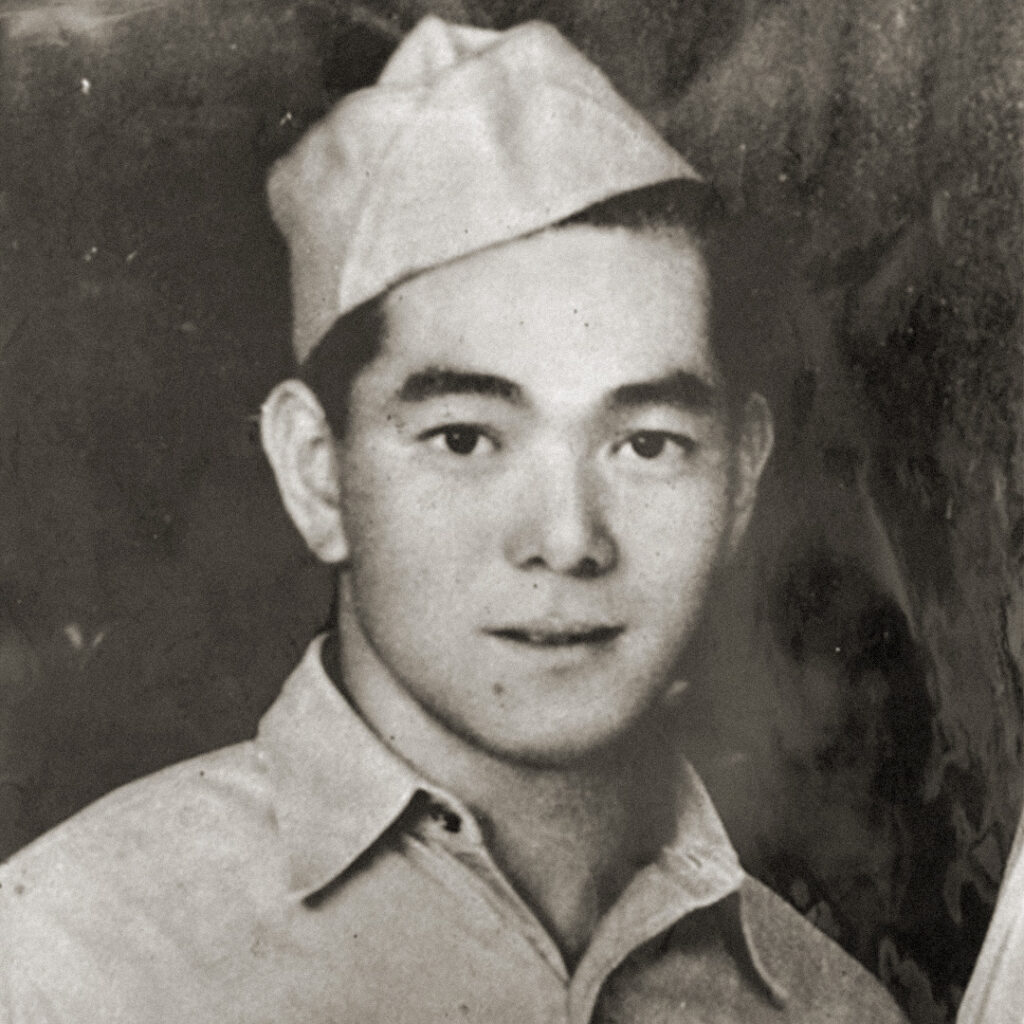
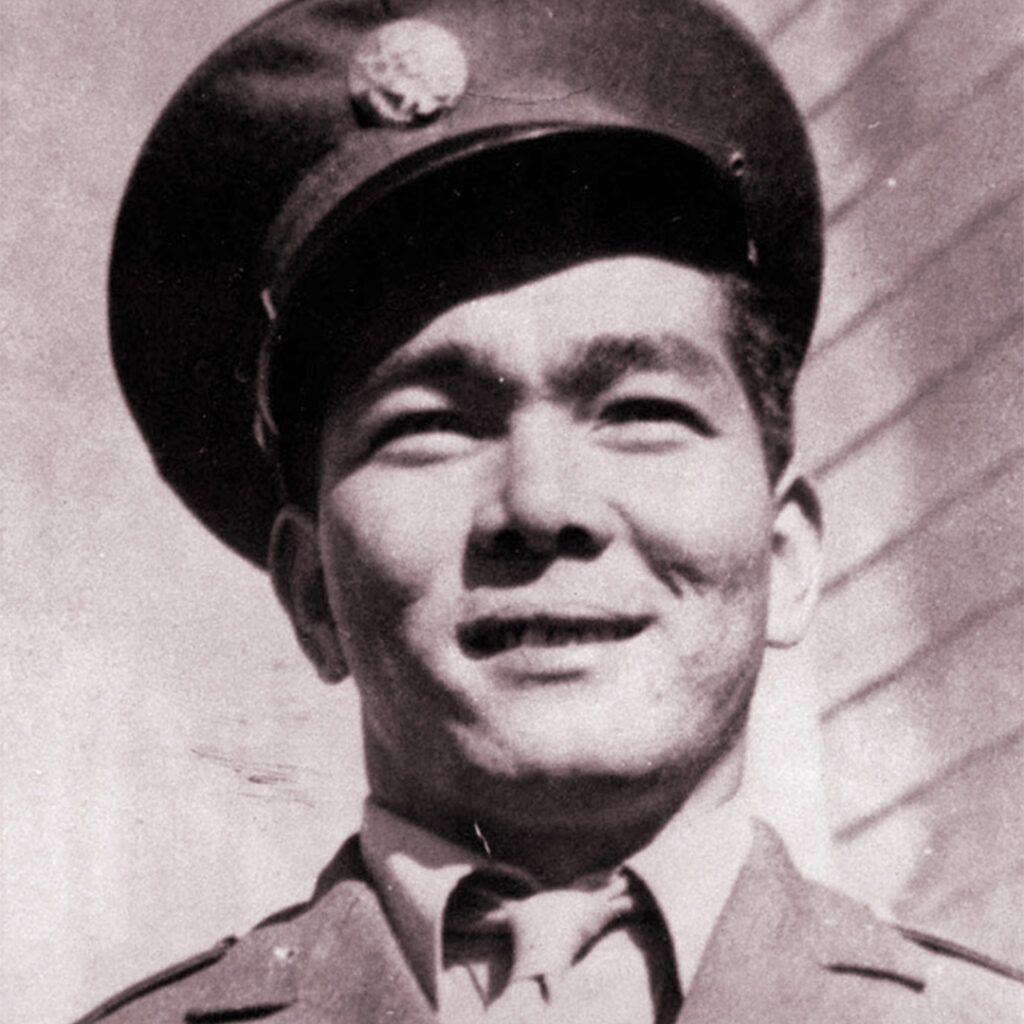
Sgt. Shigeo Joe Takata in uniform. He died in Italy on September 29, 1943 — but not before guiding his unit with his final breath.
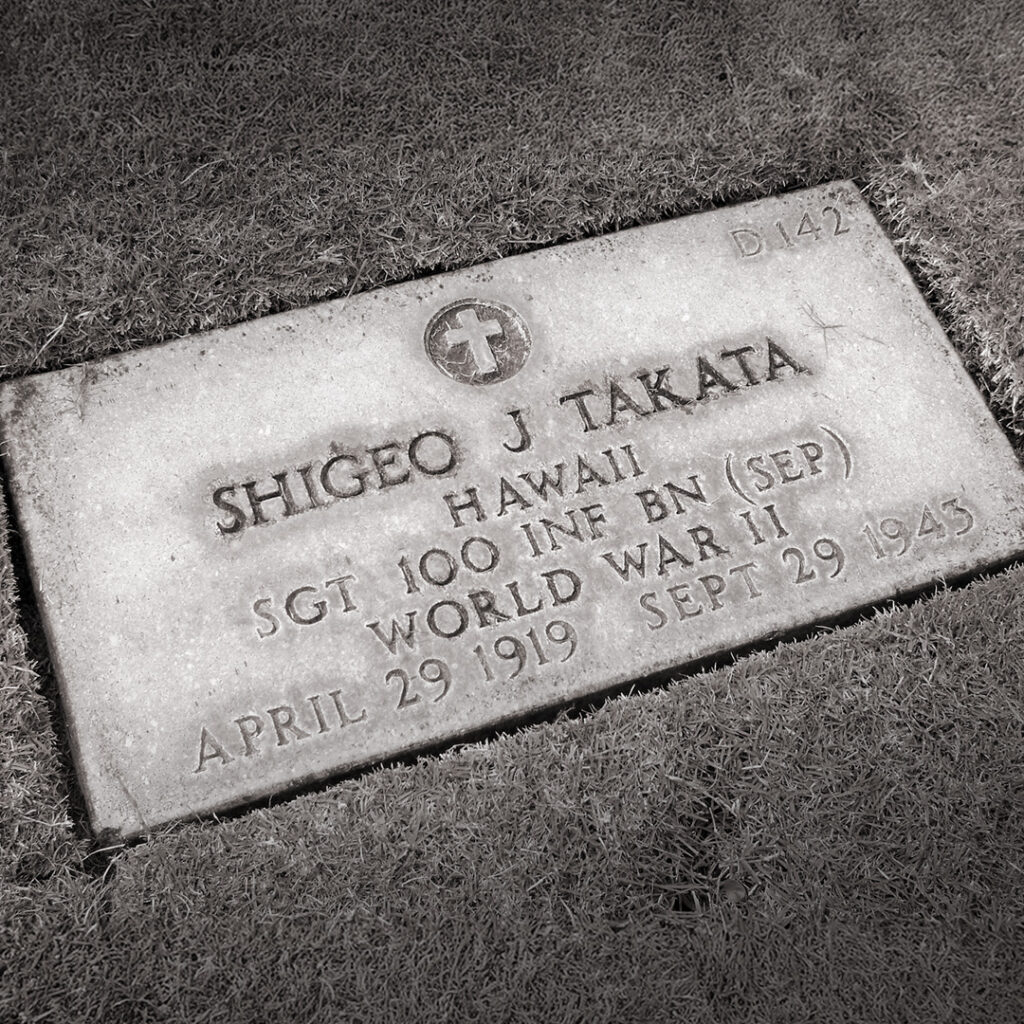
At the National Memorial Cemetery of the Pacific in Honolulu, a headstone honors Sgt. Shigeo Joe Takata, the first Nisei soldier to fall in combat.
The First of Too Many Sacrifices
Takata was the first Nisei soldier to fall, but not even close to being the last. Over 700 more would die in Europe fighting for a country that had incarcerated their families and questioned their loyalty.
Their service was a powerful contradiction, young men who proved their patriotism through sacrifice, even as they were treated as enemies at home. Their motto was simple: “Remember Pearl Harbor.” Sgt. Takata lived that ethos to the end.
He was posthumously awarded the Distinguished Service Cross, along with the Purple Heart, the Combat Infantryman Badge, and several campaign and victory medals.

oorah…