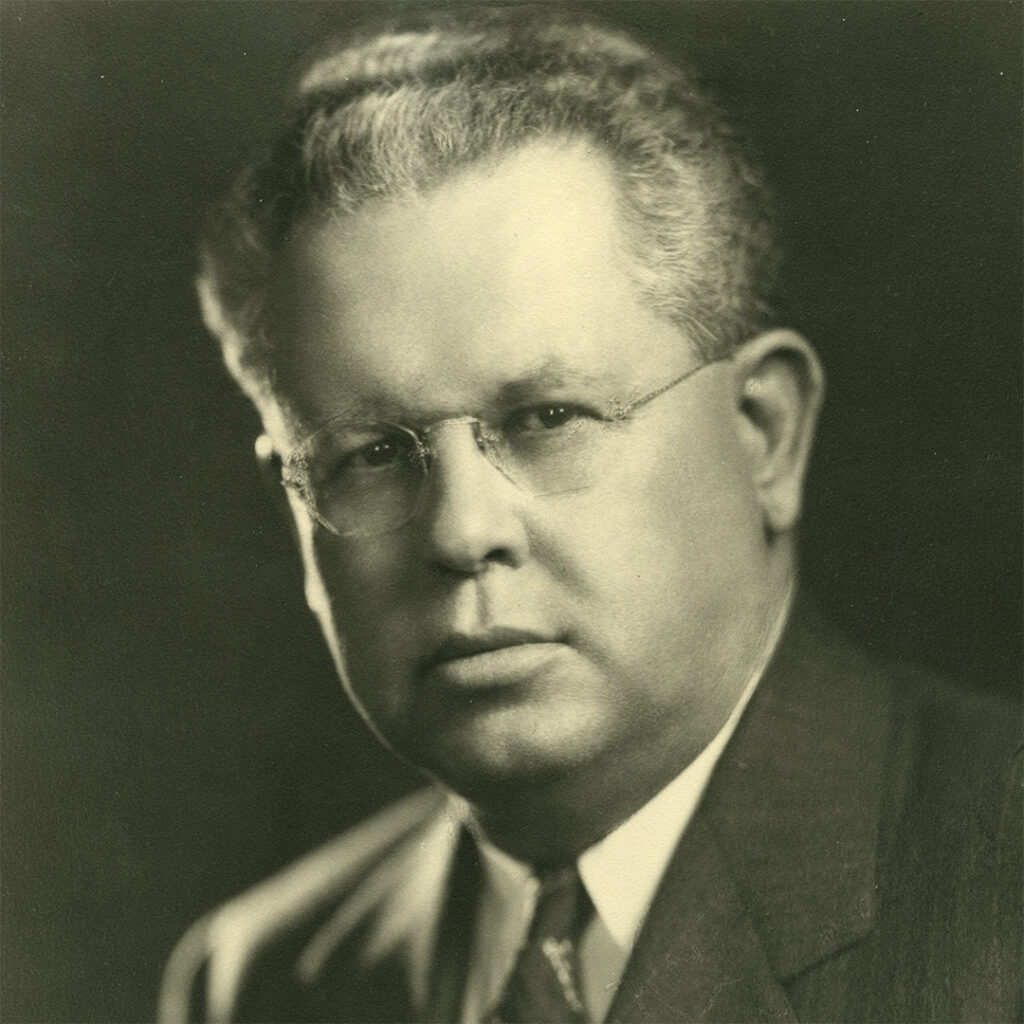
September 22, 1950: Ralph Lawrence Carr, former Governor of Colorado and one of the only American politicians to publicly defend Japanese Americans during World War II, died at age 62.
While much of the country gave in to fear and prejudice, Governor Carr stood up.
When President Franklin D. Roosevelt signed Executive Order 9066, over 120,000 Japanese Americans were forcibly removed from their homes and imprisoned in government-run camps. Most politicians at the time either supported the policy or remained silent.
But not Ralph Carr.
Carr wasn’t some fringe figure. He’d won the governorship in 1938, then won reelection in 1940 by a wide margin after erasing a state budget deficit and reorganizing Colorado’s government. He was popular, effective, and by most measures headed for a long political career.
He condemned the incarceration of Japanese Americans in no uncertain terms. He called it unconstitutional. He called it racism. And he paid the political price for it.
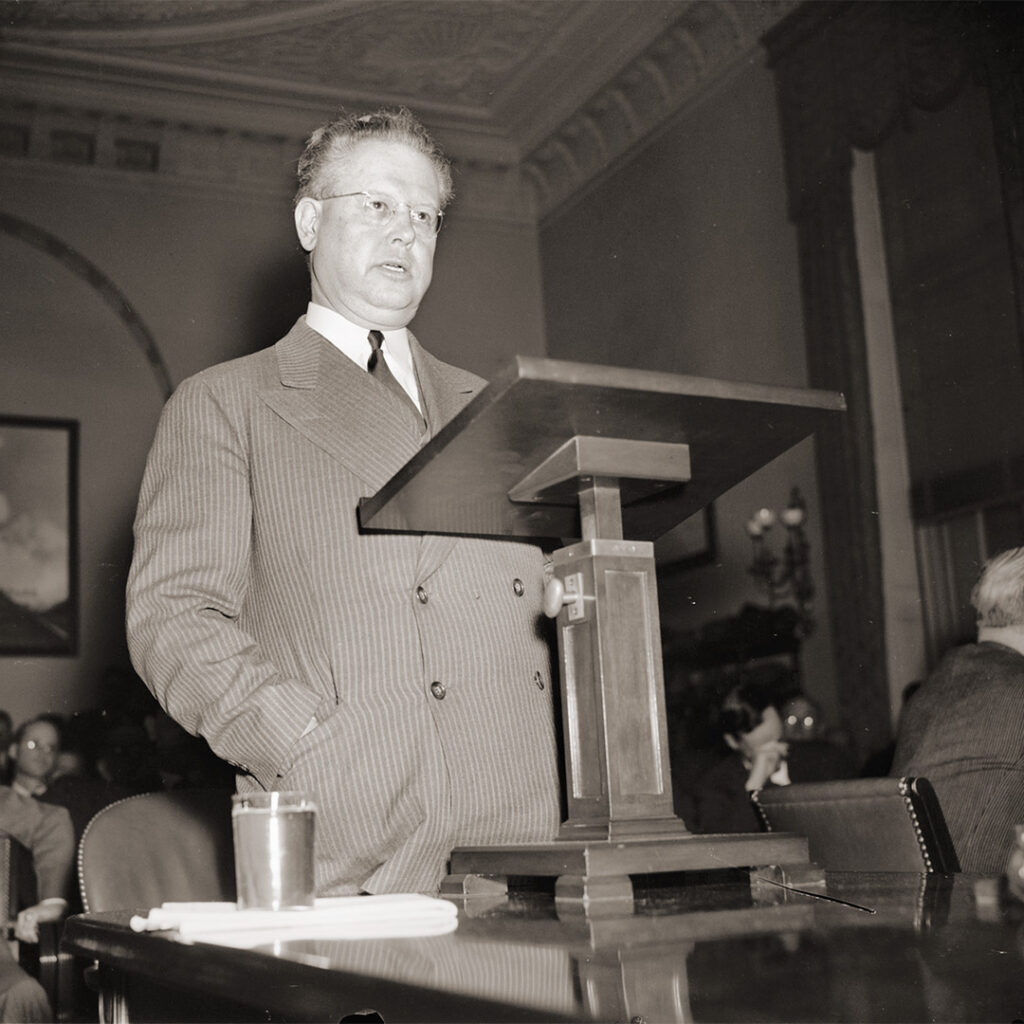
Governor Ralph Lawrence Carr publicly condemned the incarceration of Japanese Americans — and paid the political price.
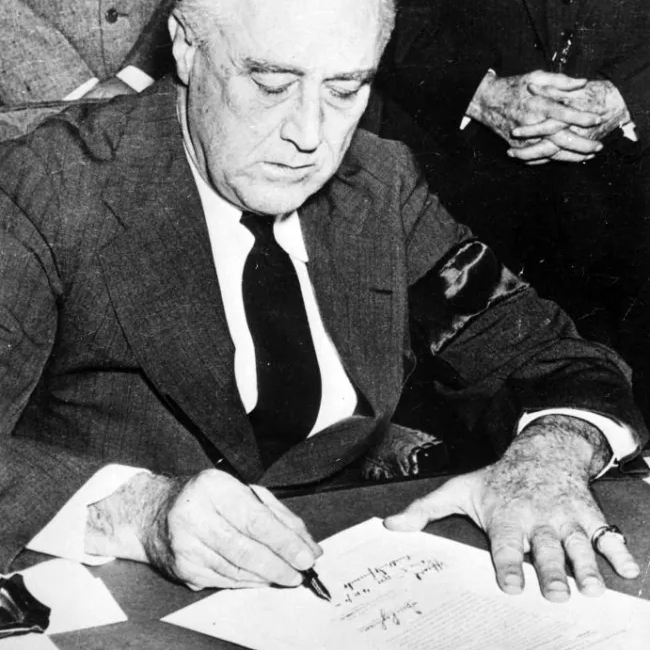
February 19, 1942 — Franklin Roosevelt signs Executive Order 9066, setting in motion the mass incarceration of over 120,000 Japanese Americans during WWII
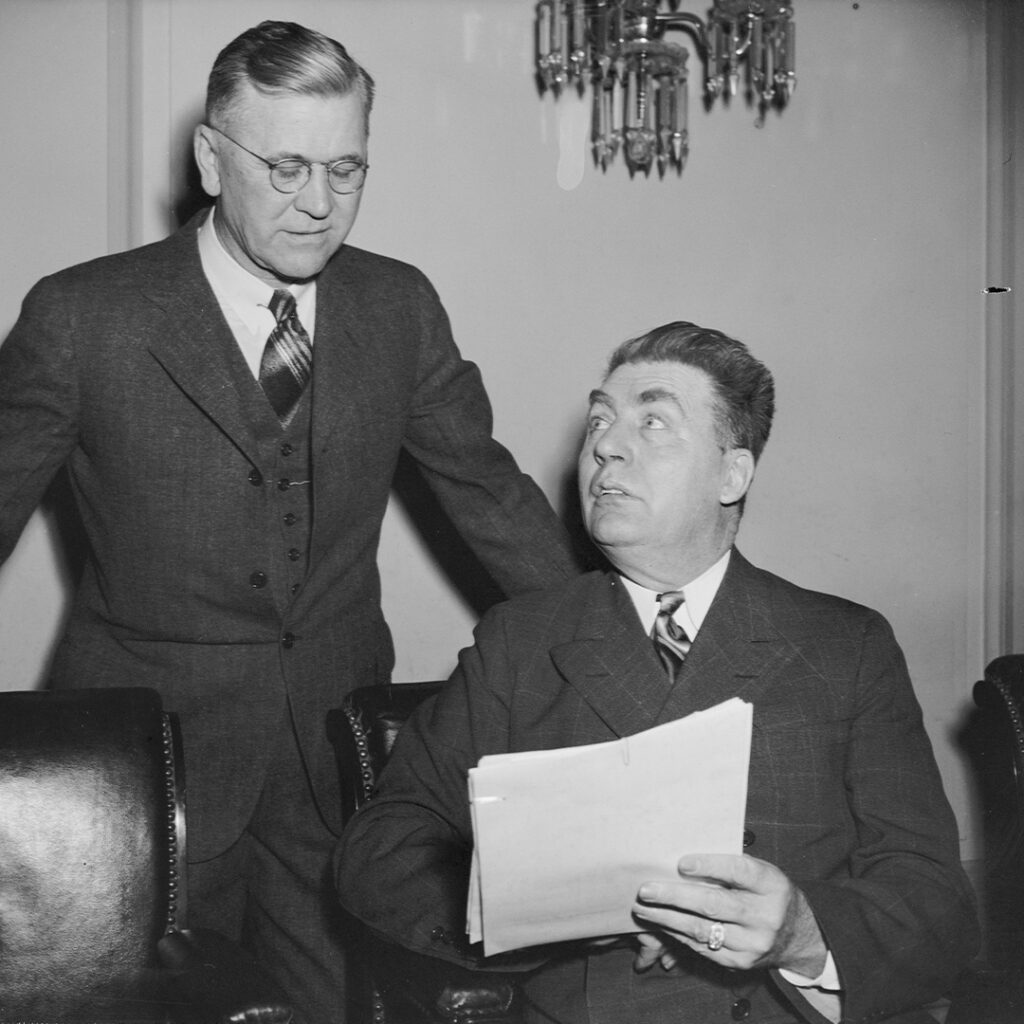
Carr’s 1942 opponent, Edwin Johnson (seated), had advocated using the National Guard to keep Japanese Americans out of Colorado and narrowly won the Senate seat.
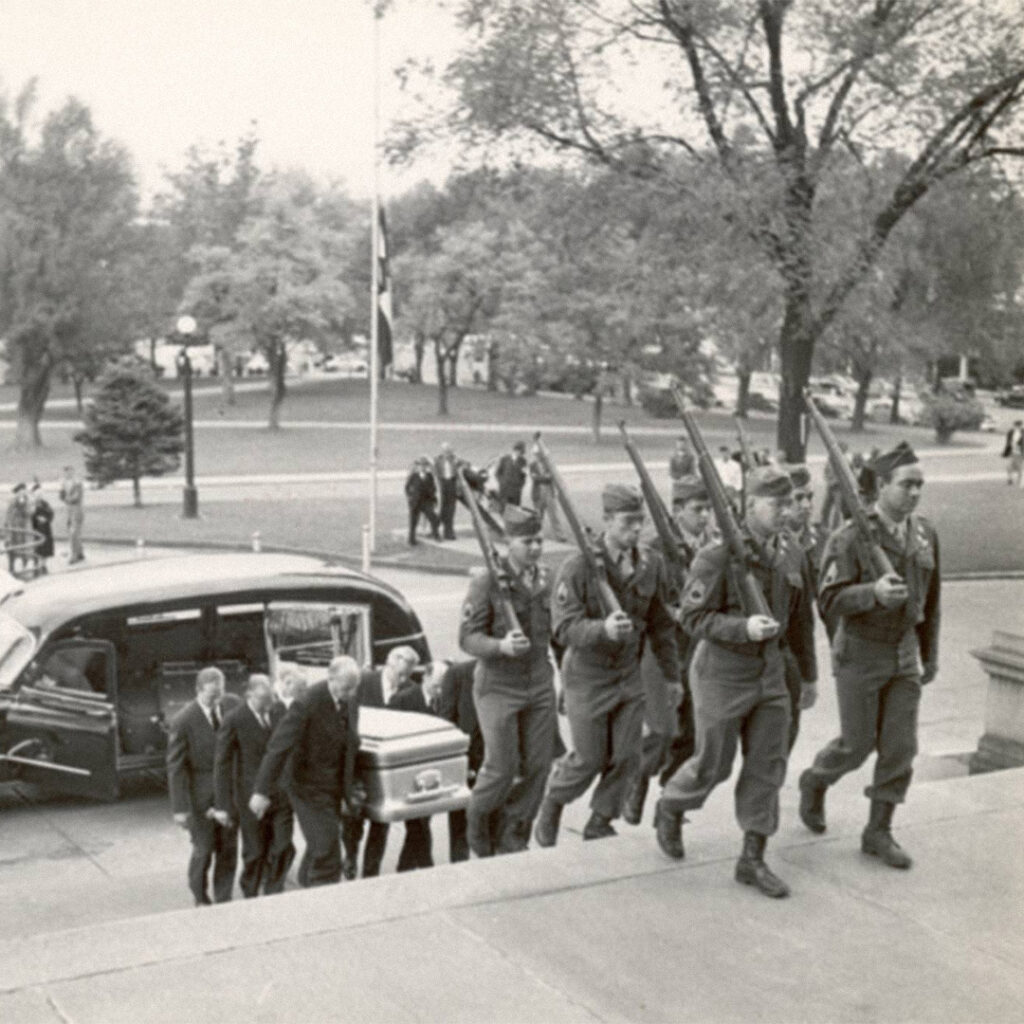
Carr had just won the Republican nomination for governor again in 1950. But one month before the election, he died from complications related to diabetes.
“If you harm them, you must first harm me.”
Carr believed that American citizens, including those of Japanese ancestry, were owed the full rights guaranteed by the Constitution. As governor, he publicly welcomed Japanese Americans into Colorado, even as other states shut their doors and fueled hate. He offered protection, dignity, and humanity at a time when so few others would.
His actions sparked fierce backlash. Political opponents accused him of siding with “the enemy” for personal gain. Some even claimed he was doing it to gain Japanese American votes, a baseless attack considering how few eligible Japanese American voters were in Colorado at the time.
Carr lost the 1942 U.S. Senate race. In 1950, he tried again for governor but passed away from diabetes complications just a month before the election. He was 62.
Principles Ahead of His Time
Ralph Carr’s defense of Japanese Americans was not just political bravery. It was moral clarity. He spoke out not because it was easy, but because it was right.
He also had a deep connection to other marginalized communities. Fluent in Spanish, Carr built strong relationships with the Hispanic residents of Colorado’s San Luis Valley, offering legal help and public support when few others in power would.
His vision of America was inclusive. He saw strength in diversity and dignity in all people. And history would prove him right.
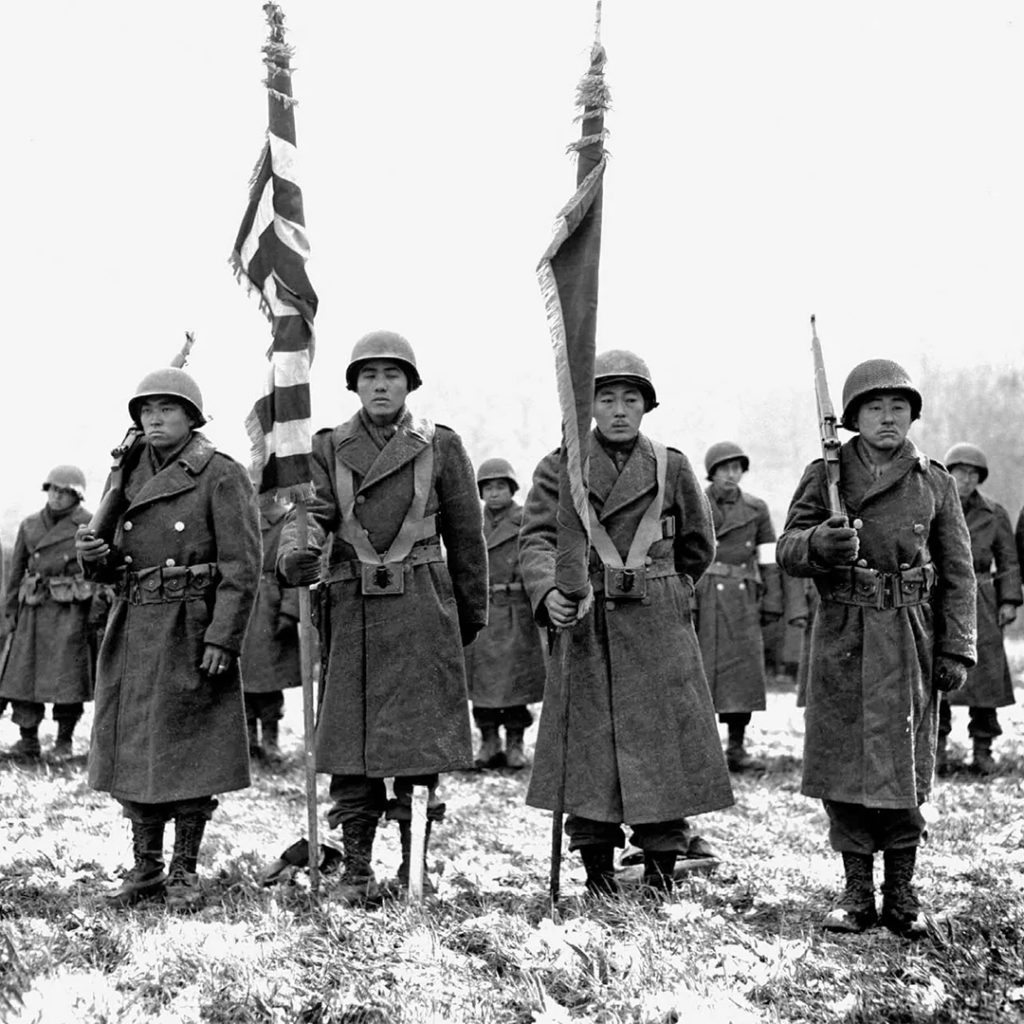
Despite the wartime paranoia, not a single case of Japanese espionage was ever uncovered on U.S. soil. Japanese Americans remained loyal, and many, including the soldiers of the 100th Infantry Battalion and the 442nd Regimental Combat Team, went on to fight and die for the very country that had imprisoned their families.
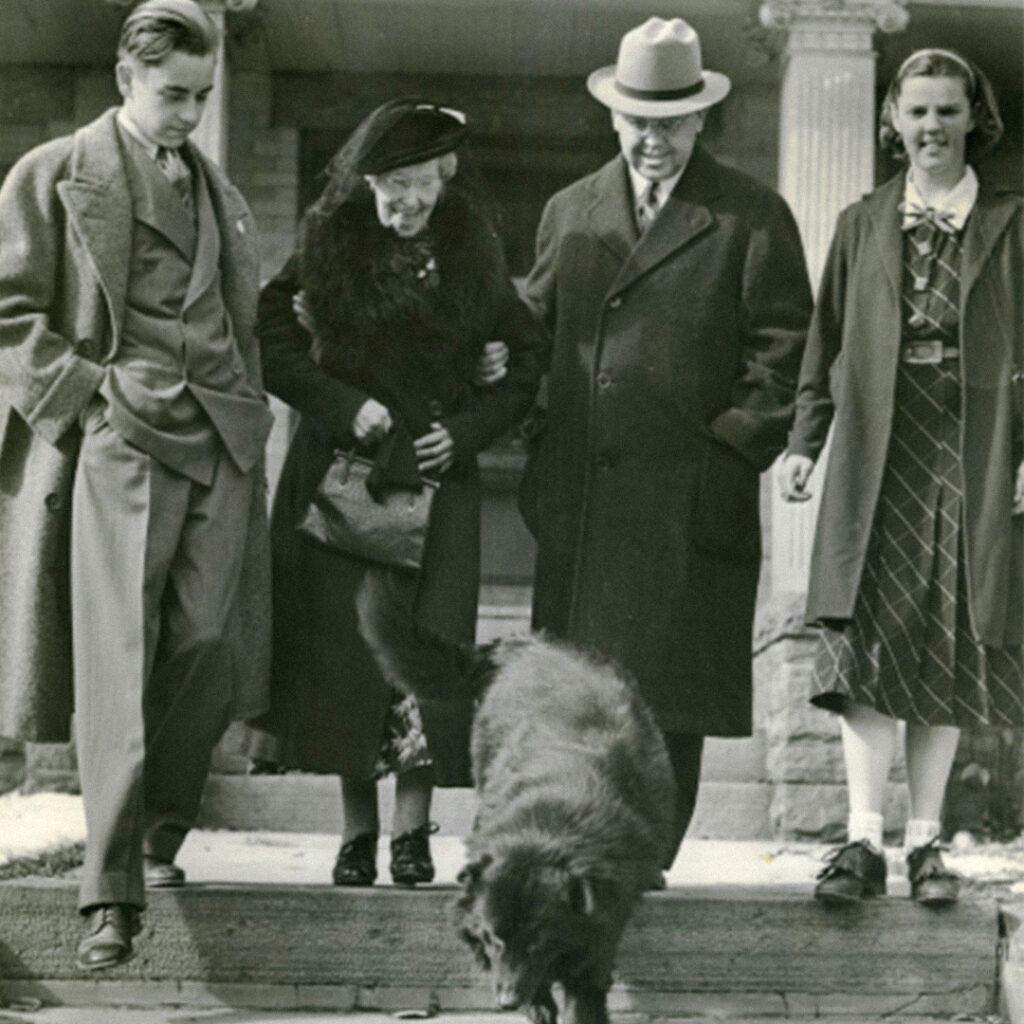
Ralph Carr and his wife Gretchen adopted two children, Robert and Cynthia, raising them in a home built on compassion, principle, and quiet courage.
While many of their families remained imprisoned, soldiers of the 442nd Regimental Combat Team became some of the most decorated in U.S. military history.
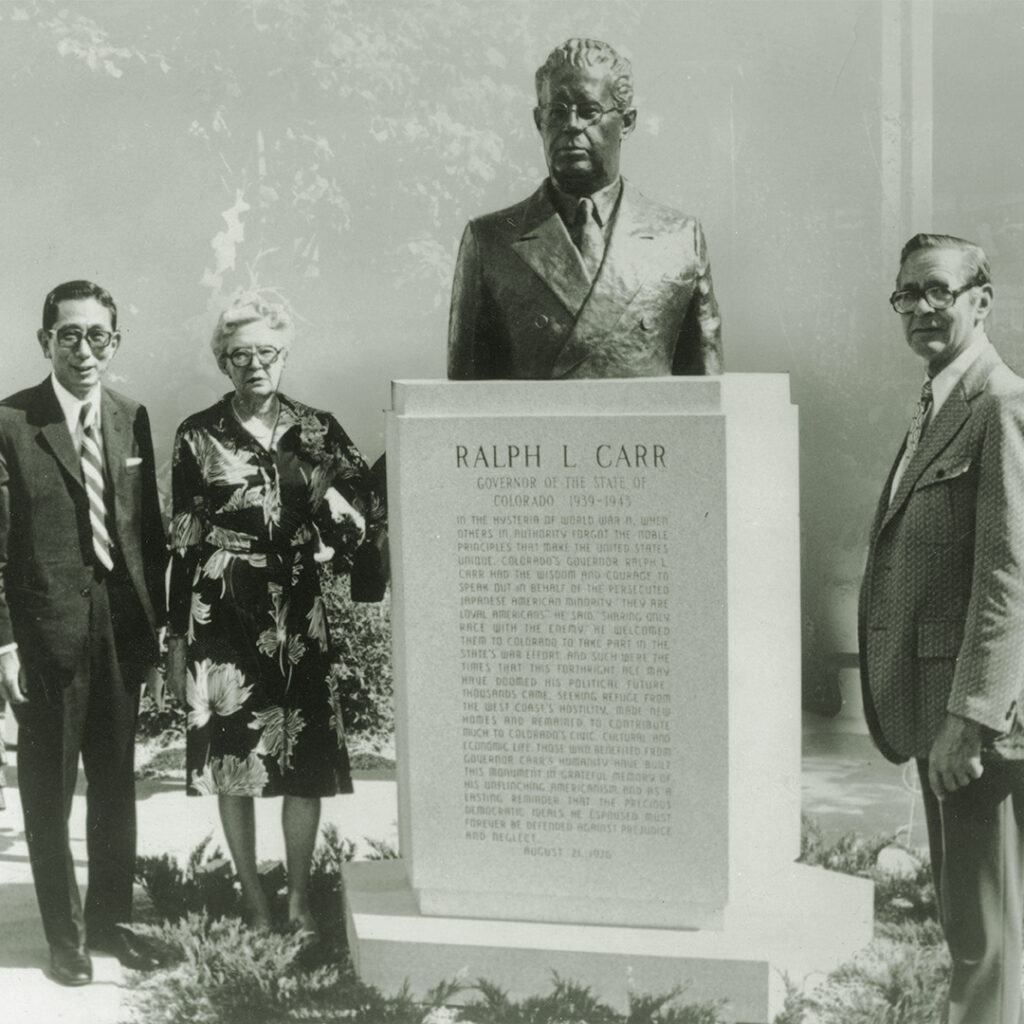
In 1976, Japanese American survivors and supporters gathered to unveil this memorial to Governor Ralph Carr — a rare American politician who stood up for them during WWII.
Ralph Carr spoke out against the incarceration of Japanese Americans when others stayed silent. He lost the election, but never lost his principles.
A Legacy of Courage
Now more than ever, it’s important to remember Ralph Carr.
In a political landscape where leaders often shift positions to fit the moment, Carr stood firm. He didn’t chase popularity. He didn’t wait for the polls. He followed his conscience, and refused to budge.
A statue of him now stands in Denver’s Sakura Square. A major judicial center and highway bear his name. And in Japanese American communities across the country, his memory still means something. Not just for what he said. But for what he sacrificed.
Enjoyed this story?
Buy us a coffee and help us continue uncovering overlooked history.