September 11 meant something else for thousands of Americans in 1942.
September 11, 1942: The first Japanese American inmates arrived at the Topaz War Relocation Center in Central Utah.
It was called the Central Utah Relocation Center. Or Abraham Relocation Center. But the name was too long — and so it became Topaz, named after the mountain nine miles away.
But nothing about Topaz was polished.
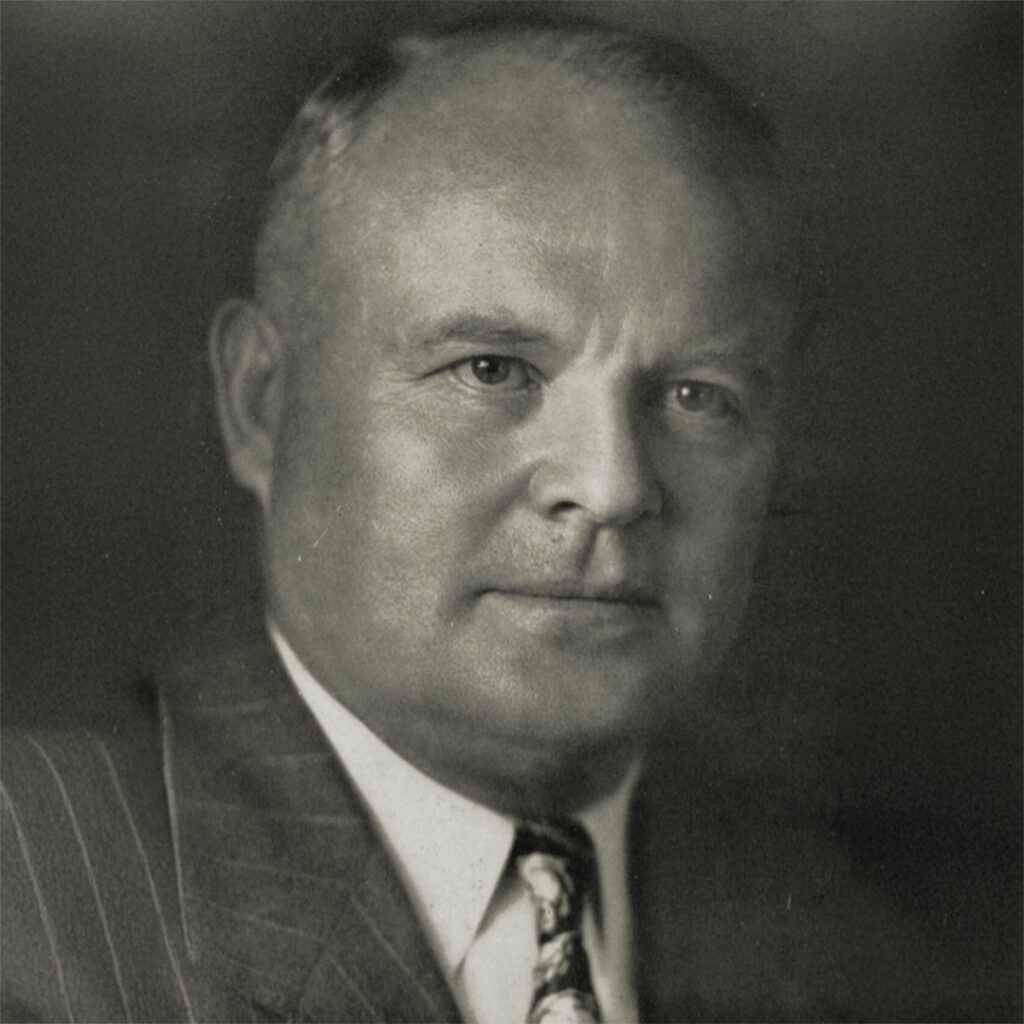
Utah’s governor, Herbert B. Maw, actively opposed the relocation of Japanese Americans into his state. “If they are dangerous in California, they will be dangerous in Utah,” he stated. But eventually, Maw gave in.
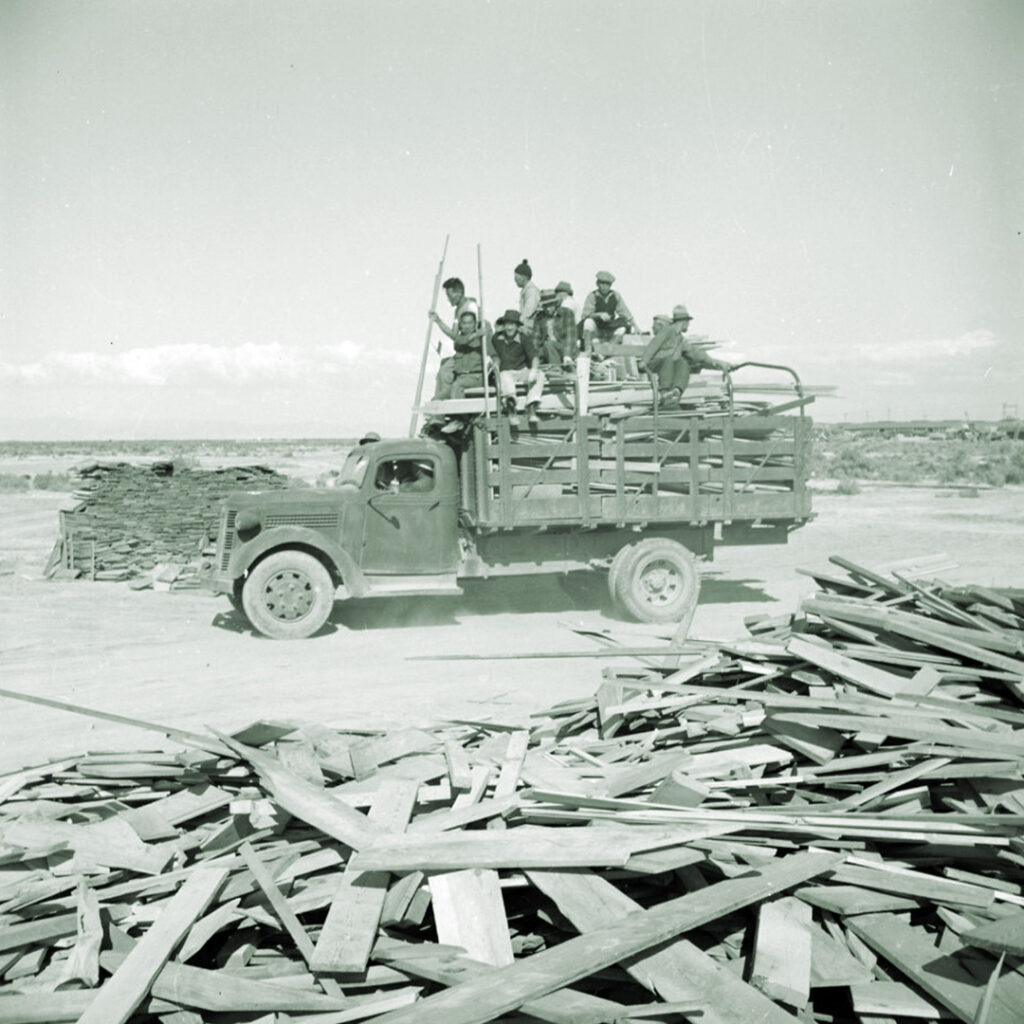
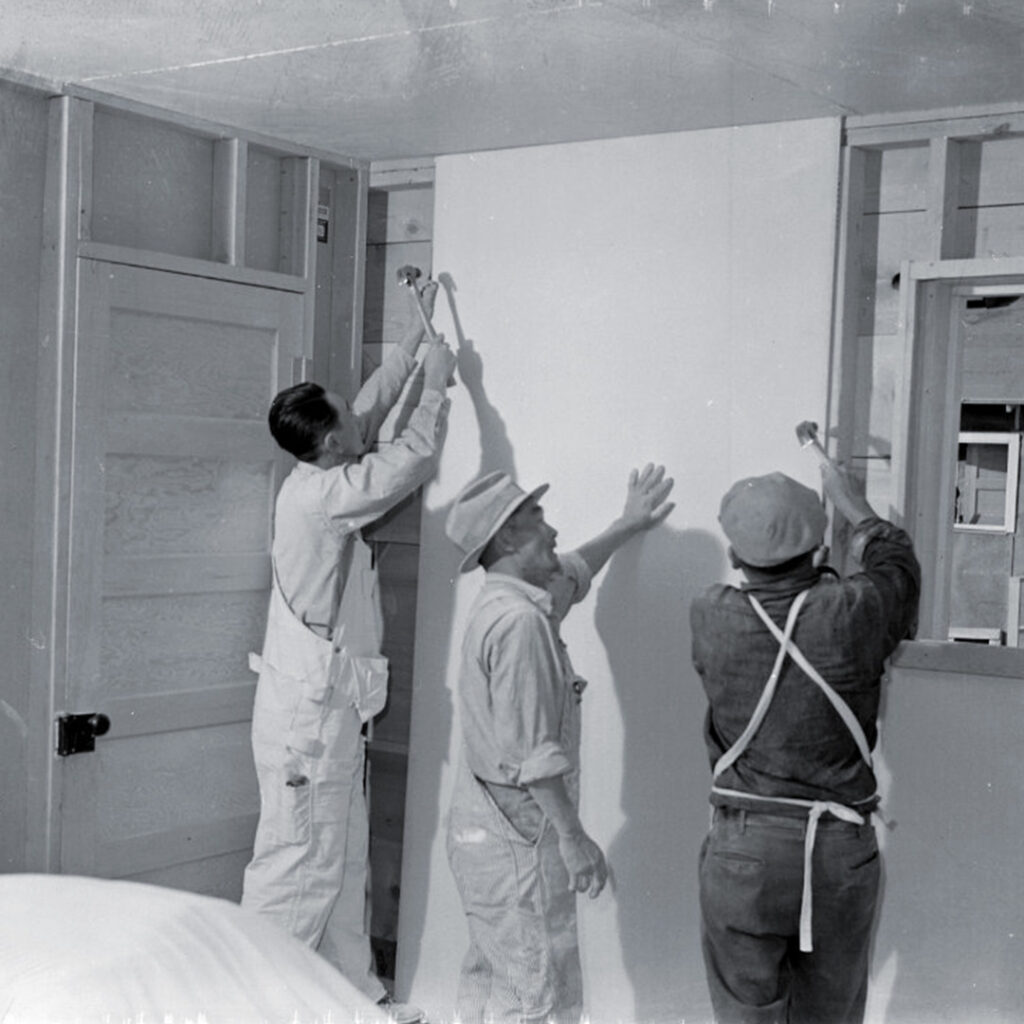
When the first inmates arrived from the Tanforan racetrack in California on September 11, 1942, the camp wasn’t even finished. There was no furniture. No proper sanitation. And in some cases, no assigned rooms at all. Incarcerees had to scavenge leftover construction wood to build their own tables, beds, and shelves.
The main entrance sign at Topaz War Relocation Center in Central Utah, which was built and opened hastily on September 11, 1942.
Governor Maw asked, if they are dangerous in California, why wouldn’t they be dangerous in Utah? The better question might have been: Were they dangerous at all?
Volunteer workers at Topaz gathering scrap wood from construction sites. With no furniture provided, incarcerated Japanese Americans had to build their own furniture.,
Volunteer carpenters work on the unfinished interior of a barrack at the Topaz War Relocation Center. Some inmates initially didn't even have a place to sleep.
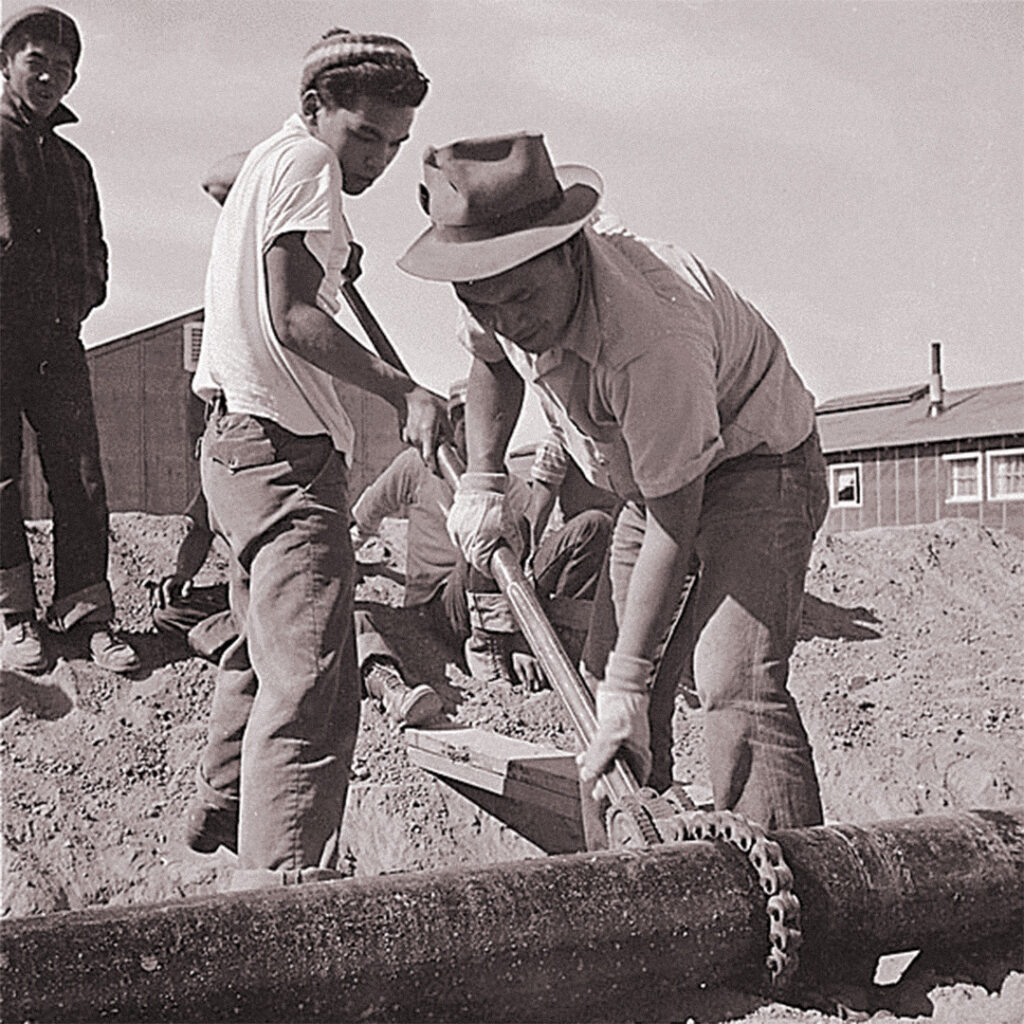
Workers connect sections of the water main at Topaz. The camp’s drinking water was notoriously salty and barely potable — adding yet another hardship to daily life.
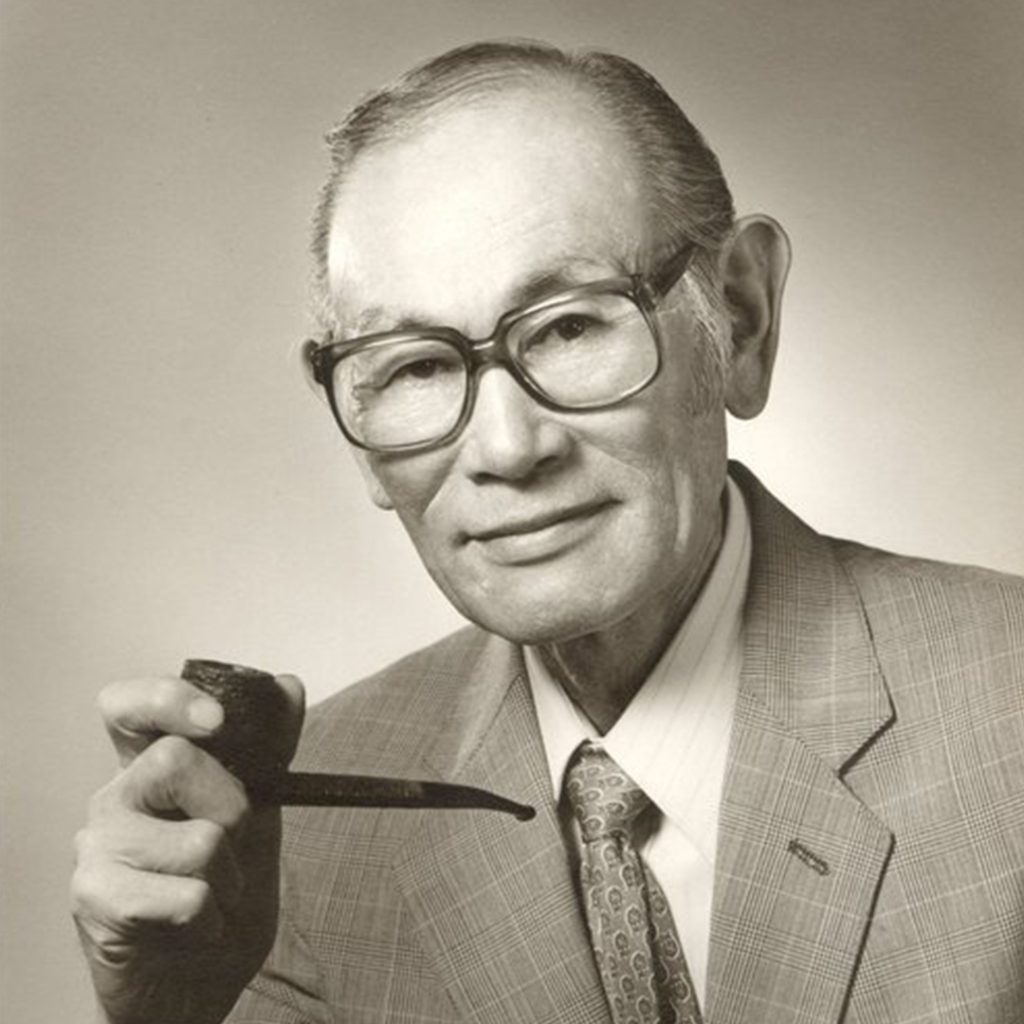
Fred Korematsu refused to be silenced. When the government tried to incarcerate him during WWII, he said no — and took his fight all the way to the U.S. Supreme Court.
Mitsuye Endo, a loyal U.S. citizen, fired from the state of California without a cause. Her courage helped bring the camps down.
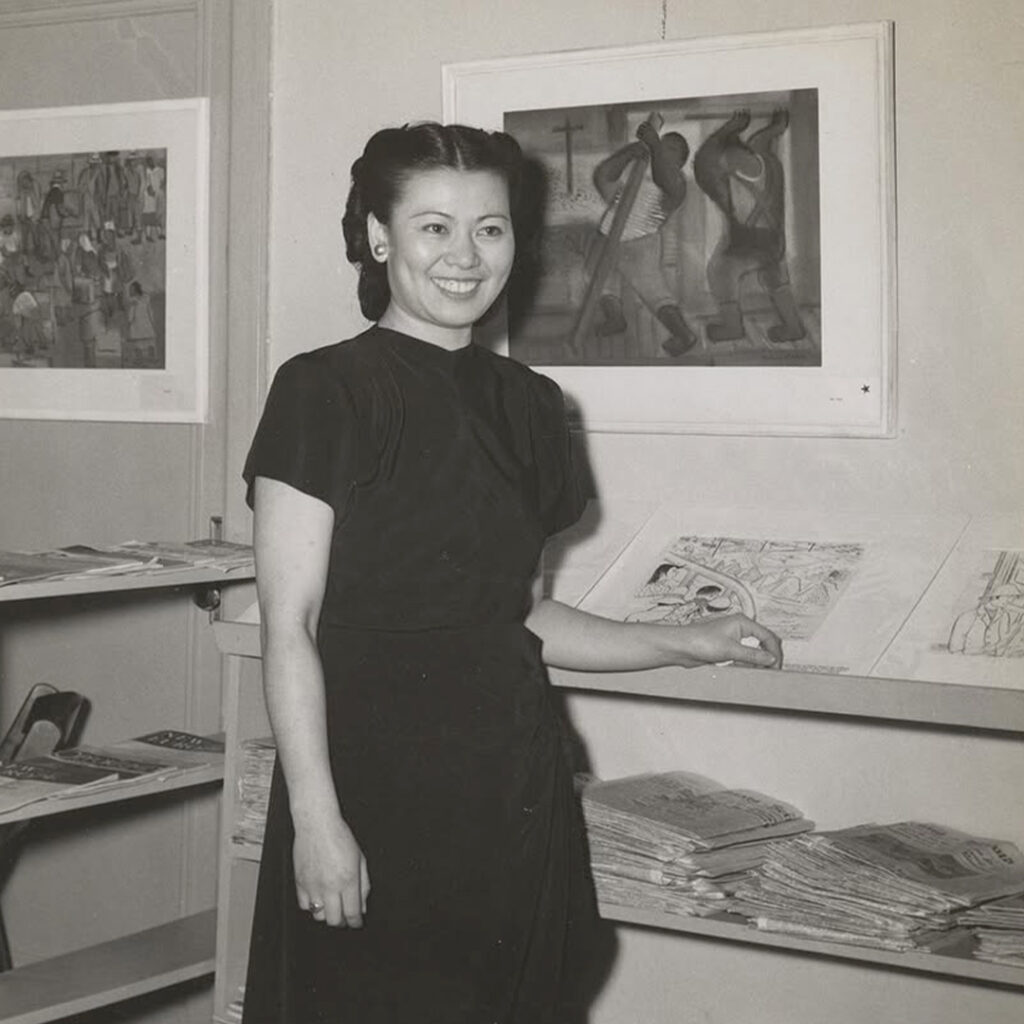
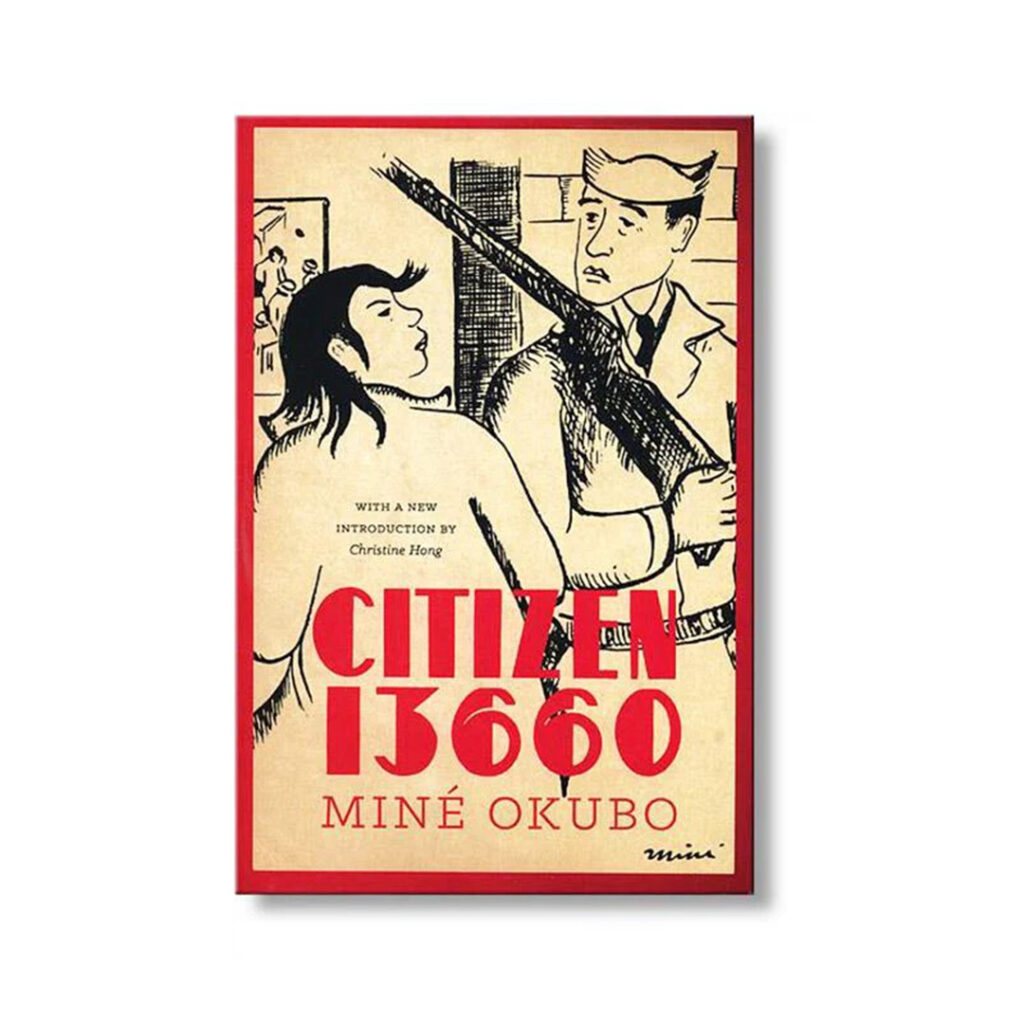
Miné Okubo documented her incarceration with hundreds of sketches published in “Citizen 13660,” a personal accounts of life in the camps.
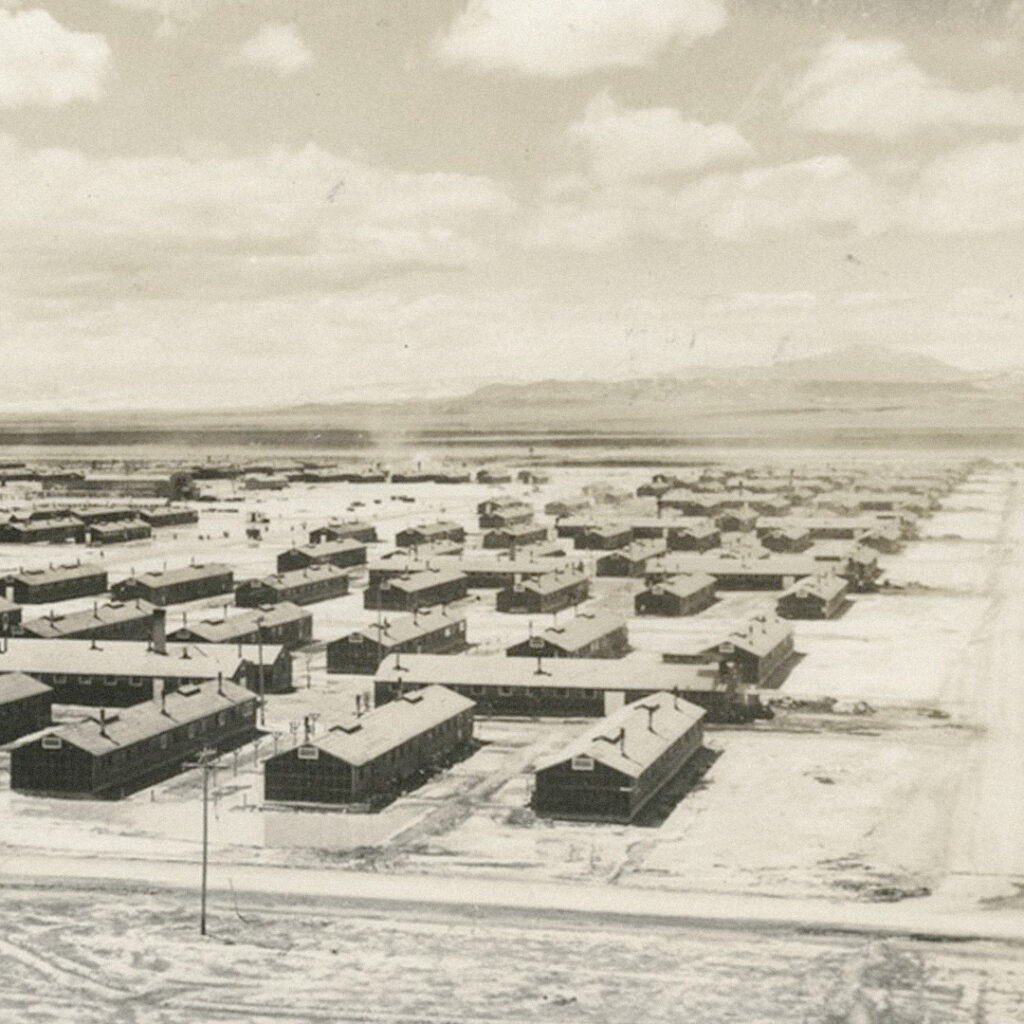
More than 9,000 Japanese Americans, mostly from San Francisco, would be incarcerated here during WWII, behind barbed wire in a barren, inhospitable corner of Utah.
Despite the grim conditions, Topaz became home to an astonishing number of artists and civil rights activists. Fred Korematsu and Mitsuye Endo were two of the most important names in the legal fight against incarceration. Richard Aoki was an early member of the Black Panther Party. Yuji Ichioka was known to have coined the term Asian American and became a leading figure in its movement.
Artists Chiura Obata, Miné Okubo, and George Hibi, used art as a form of resistance and documentation. Illustrator/animator Willie Ito is still using his skills as a way to tell the story of incarceration through a children’s book story, Hello Maggie!
Jack Soo (born Goro Suzuki) — who would go on to fame as an actor and singer.
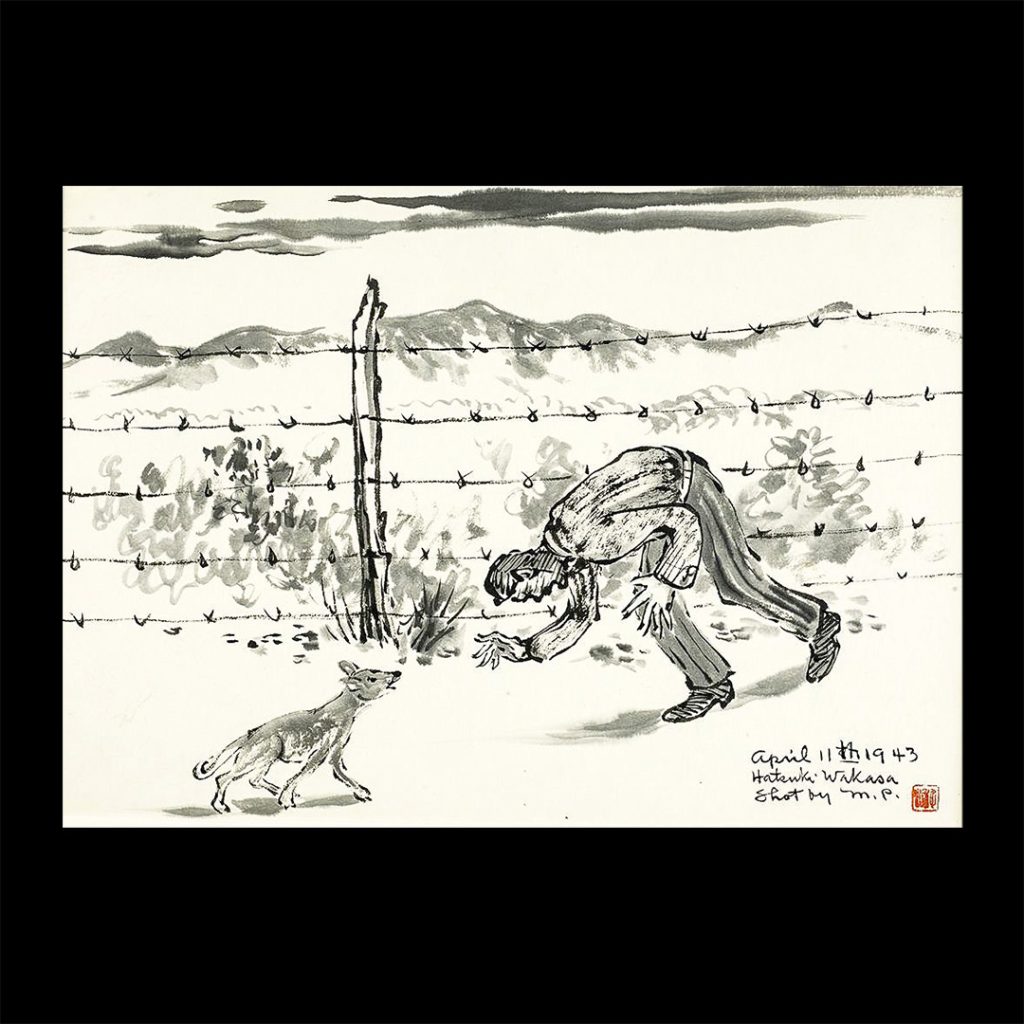
Topaz was also the site of one of the most tragic — and quietly buried — events in Japanese American incarceration: the murder of James Hatsuaki Wakasa, a man who was shot and killed by a guard near the fence while walking his dog. Too little too late, but after his death, the military decided that officers who had been at war in the Pacific would not be assigned to guard duty at Topaz.
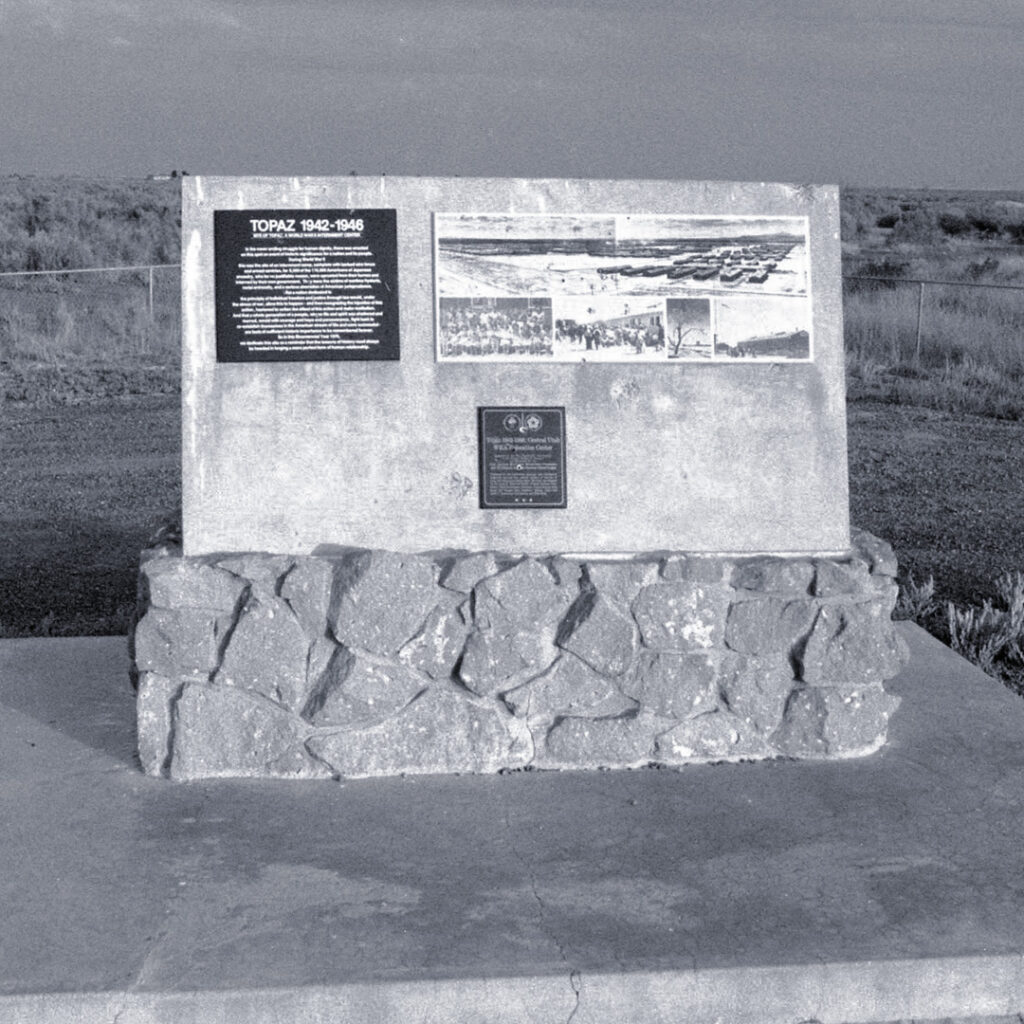
The camp was finally shut down on October 31, 1945. But not much was left behind. The land was sold. The buildings were auctioned off. Even the water pipes were ripped out and resold. In 1976, the Japanese American Citizens League placed a single stone marker on the corner of the central site — the only visible sign that 8,000 people once lived behind fences there.
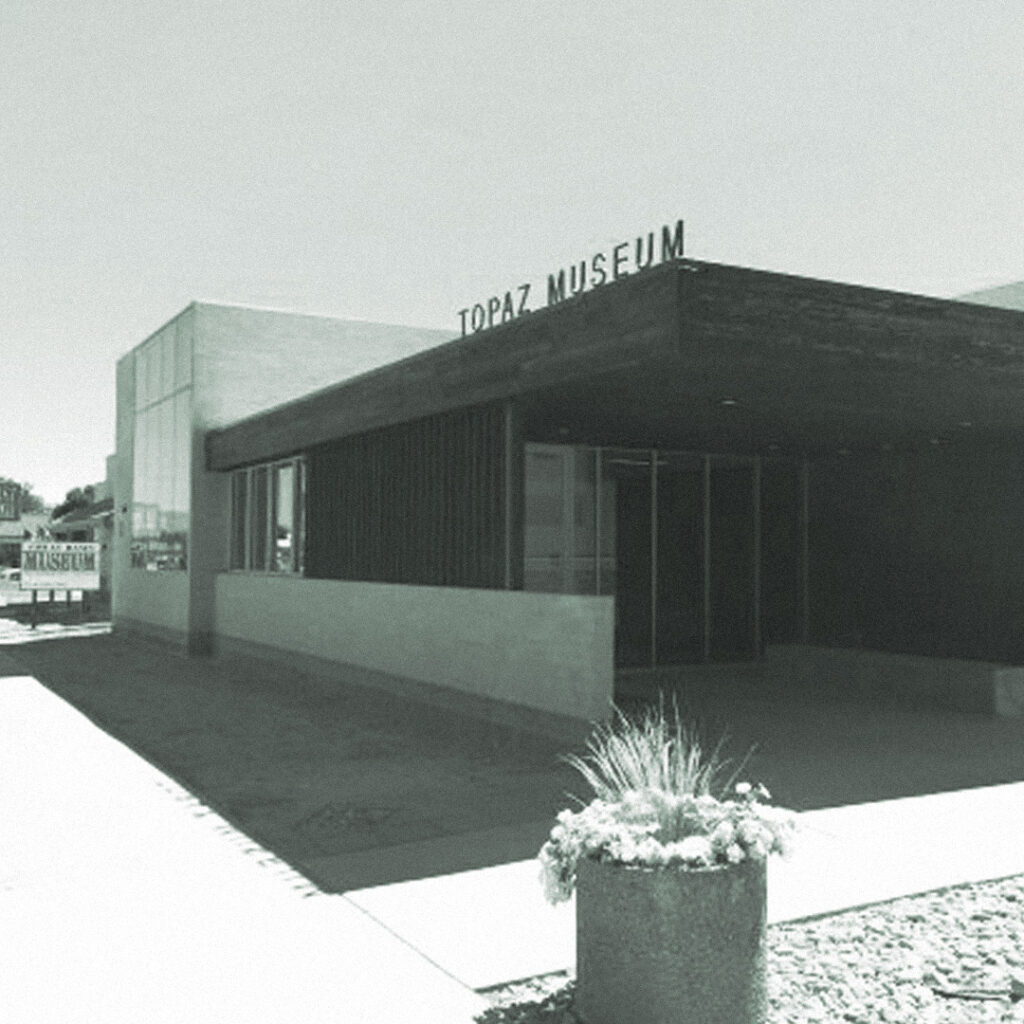
But in 2015, the Topaz Museum in Delta, Utah, formally opened. By 2017, the Topaz Museum and Board had purchased 634 of the 640 acres of the original internment site.
Today, September 11 obviously means something else. But that doesn’t mean this one should be forgotten, either.
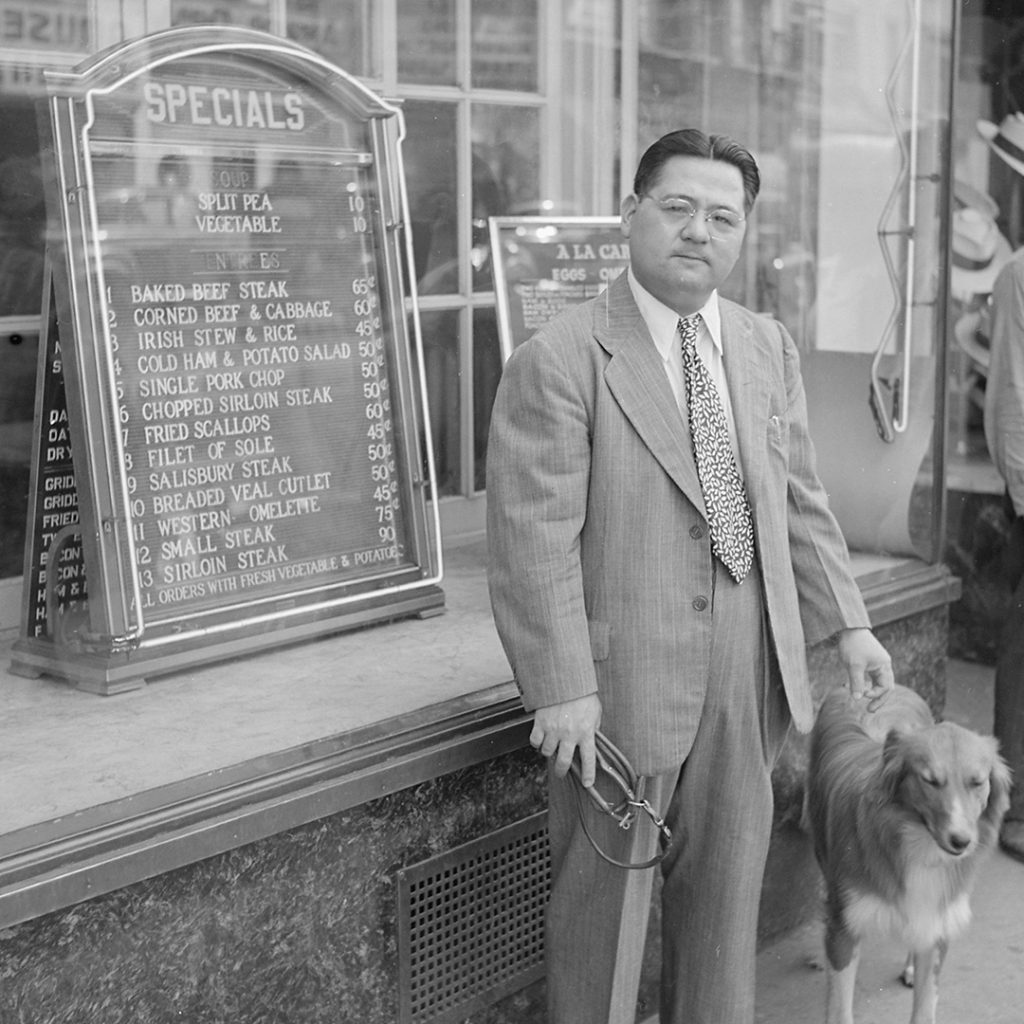
James Wakasa, an accomplished chef before WWII, wasn’t trying to escape — just walking his dog. But he was shot by a guard who claimed he was “too close” to the fence.
Decades after the camp was shut down and dismantled, a stone monument was placed at the former Topaz site by the JACL — a reminder that more than 9,000 people were once imprisoned here.
An aerial view of the Topaz War Relocation Center. Located in Utah’s remote desert, the camp was made up of more than 600 barracks, surrounded by barbed wire and guard towers.
“April 11, 1943. James Hatsuaki Wakasa Shot by M.P.” by Chiura Obata, credit Smithsonian
Published in 1946, “Citizen 13660” by Miné Okubo was the first graphic memoir about Japanese American incarceration.
The Topaz Museum in Delta, Utah, opened in 2015 after decades of community effort. It preserves the stories, art, and history of Topaz War Relocation Center.