They were forced to come to the United States, then got punished for not being American.
August 28, 1996: Mochizuki v. United States, a class action lawsuit, was filed on behalf of Japanese Latin Americans during WWII.
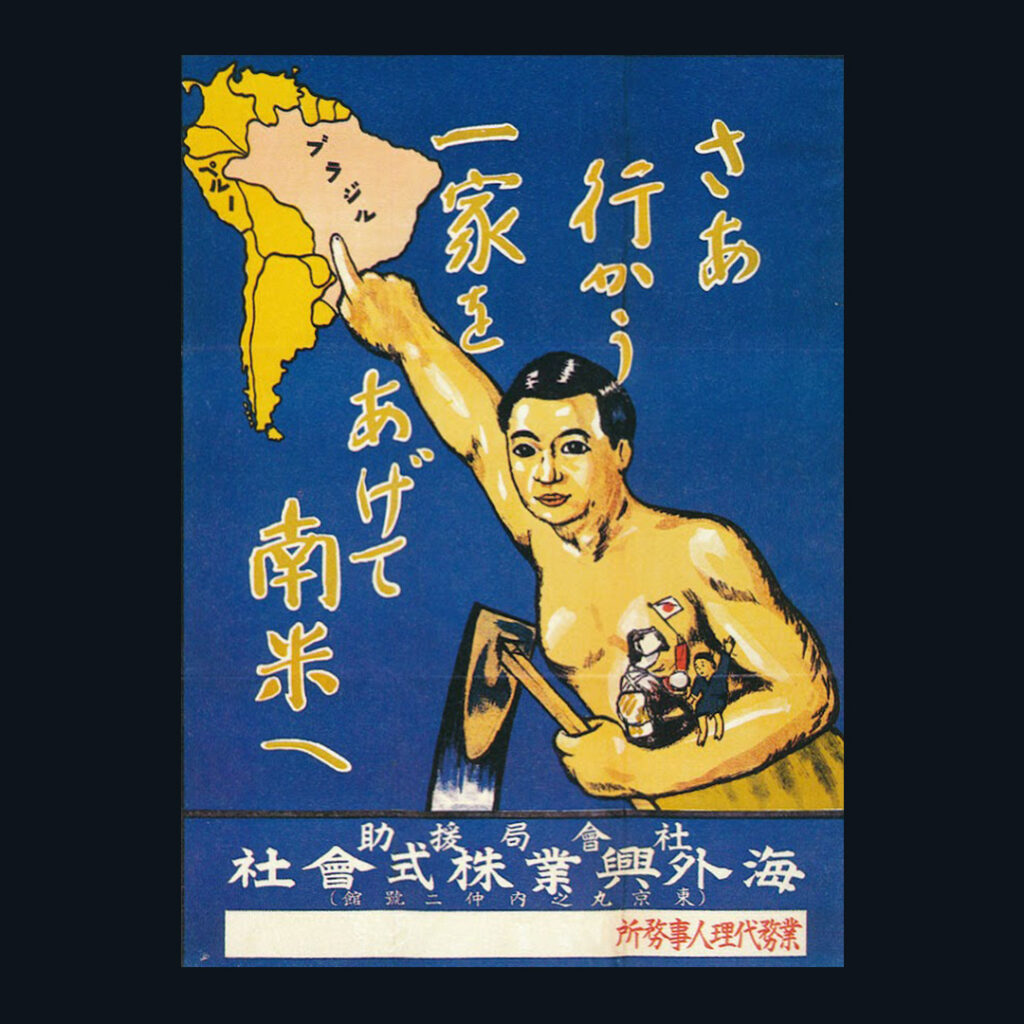
At the turn of the 20th century, thousands of Japanese people were encouraged to migrate to Latin America — especially Brazil and Peru — to fill labor shortages. Posters in Japan promoted emigration as a chance to start anew, farming fertile lands and building prosperous futures.
Many succeeded. Like in the United States, Japanese immigrants built thriving businesses and transformed agriculture. But also like in the United States, their success drew jealousy. Many locals viewed them as outsiders who were prospering too quickly in economies they believed “belonged” to them.
This resentment would later fuel policies that made Japanese Latin Americans expendable.
“Let's go to South America with the whole family,” reads this Japanese migration poster, encouraging Japanese people to move to Brazil or Peru.
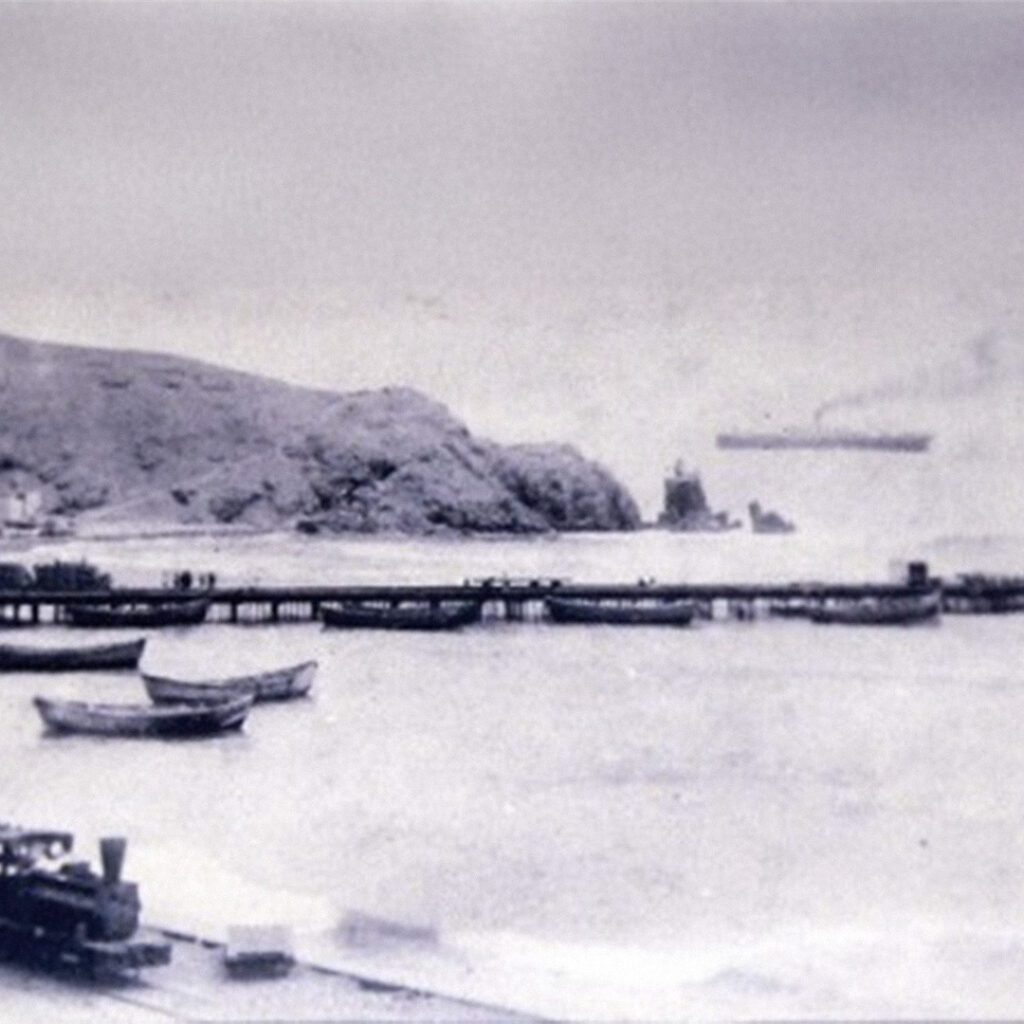
The Sakura Maru arriving in Peru, 1899, carrying the first 790 Japanese immigrants — the beginning of large-scale Japanese migration to Latin America.
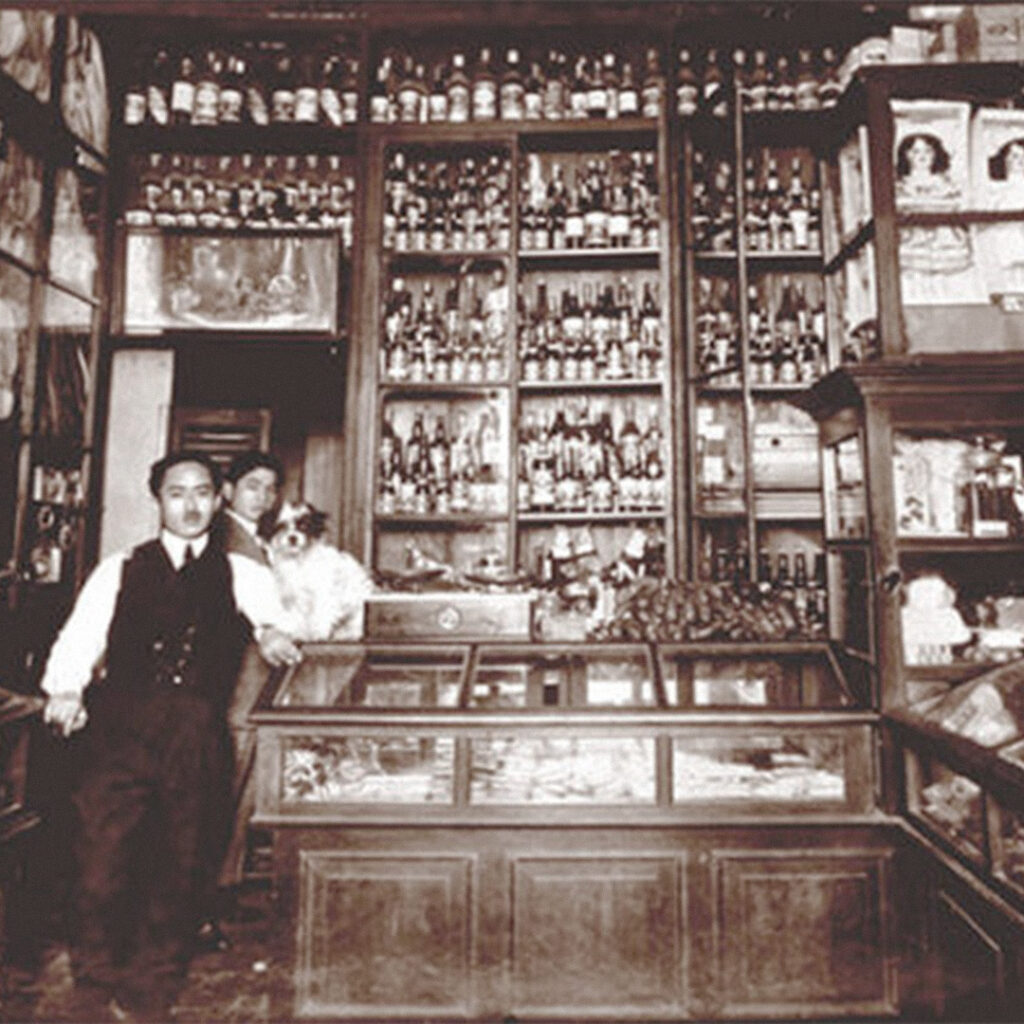
Japanese-owned liquor store in Lima, Peru. By the 1930s, Japanese immigrants had built thriving small businesses that reshaped local economies — and resentment.
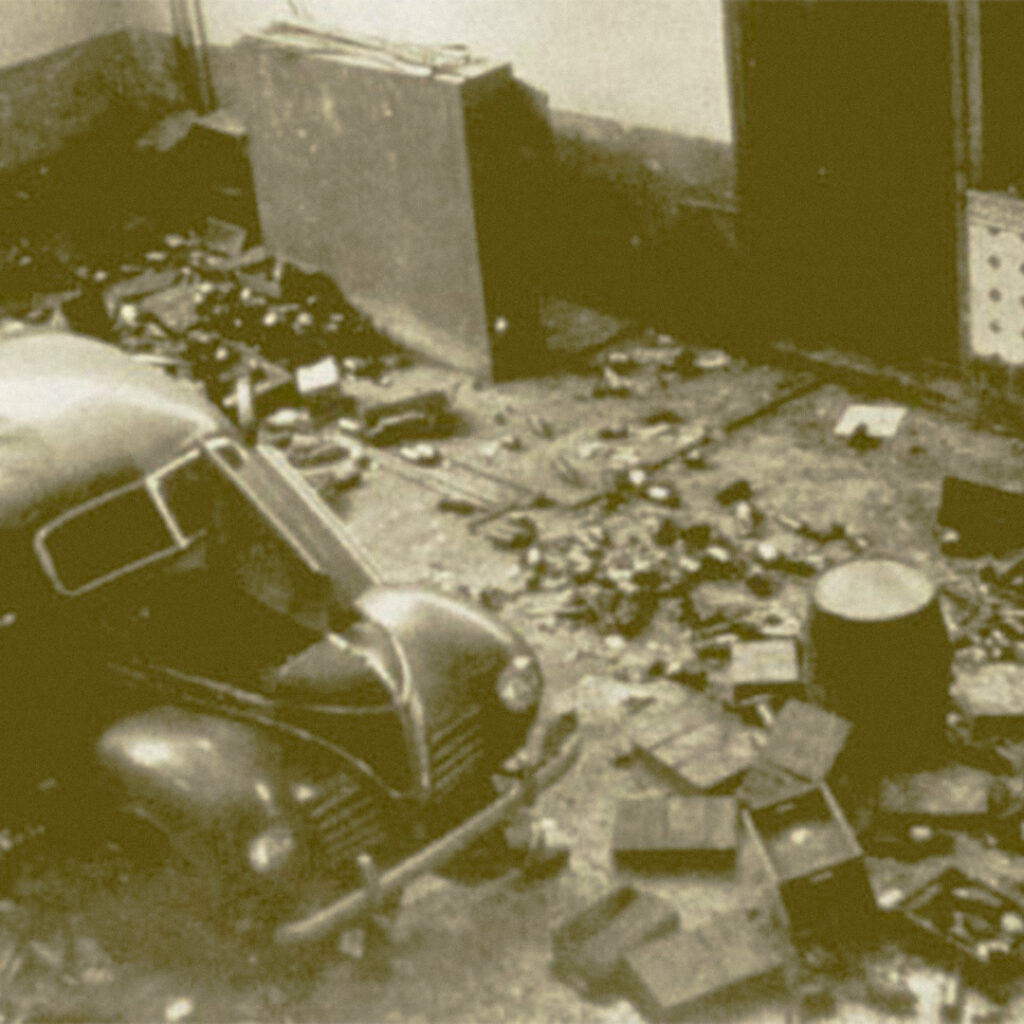
In May 1940, mobs in Lima rioted against Japanese Peruvians, looting and destroying shops. The violence exposed how fragile their place in society was.
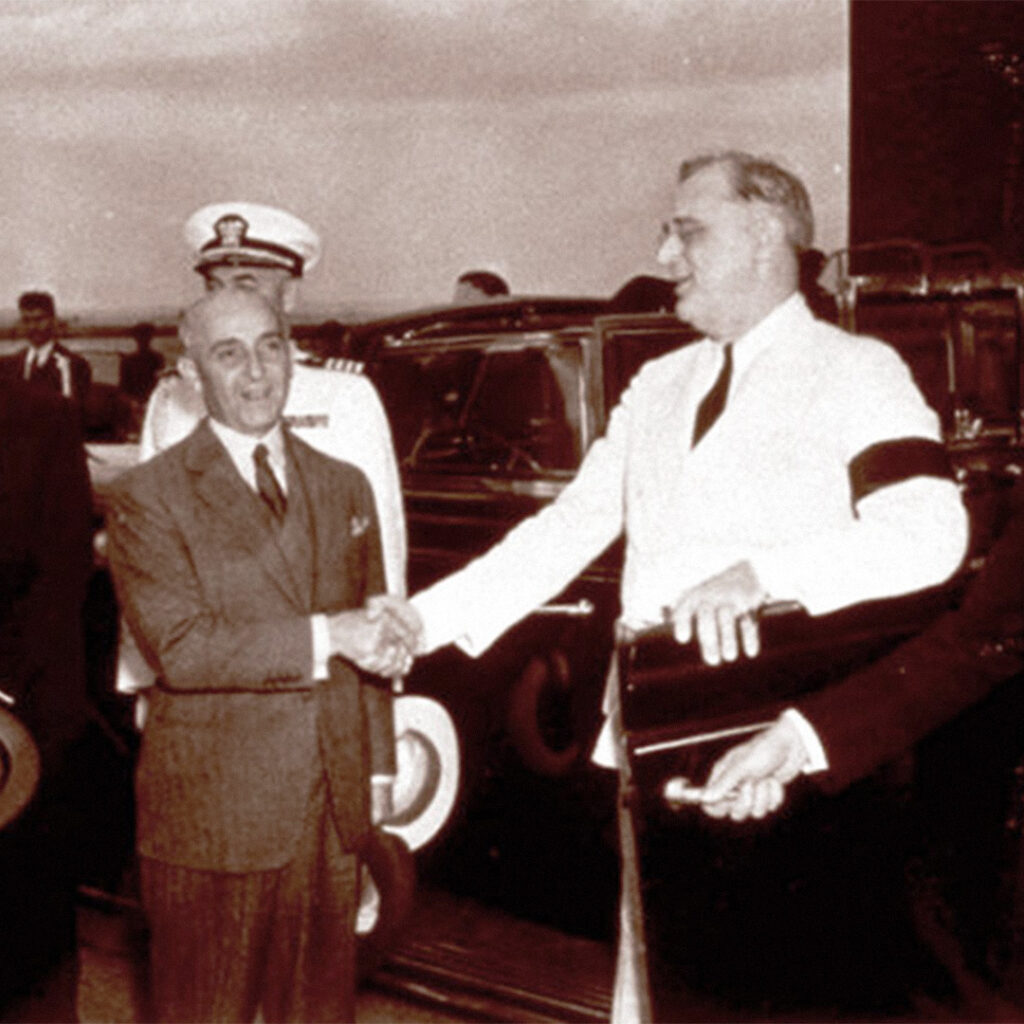
Peruvian President Manuel Prado meeting U.S. President Franklin D. Roosevelt in Washington DC, 1942. Prado was eager to improve their relationship by “helping.”
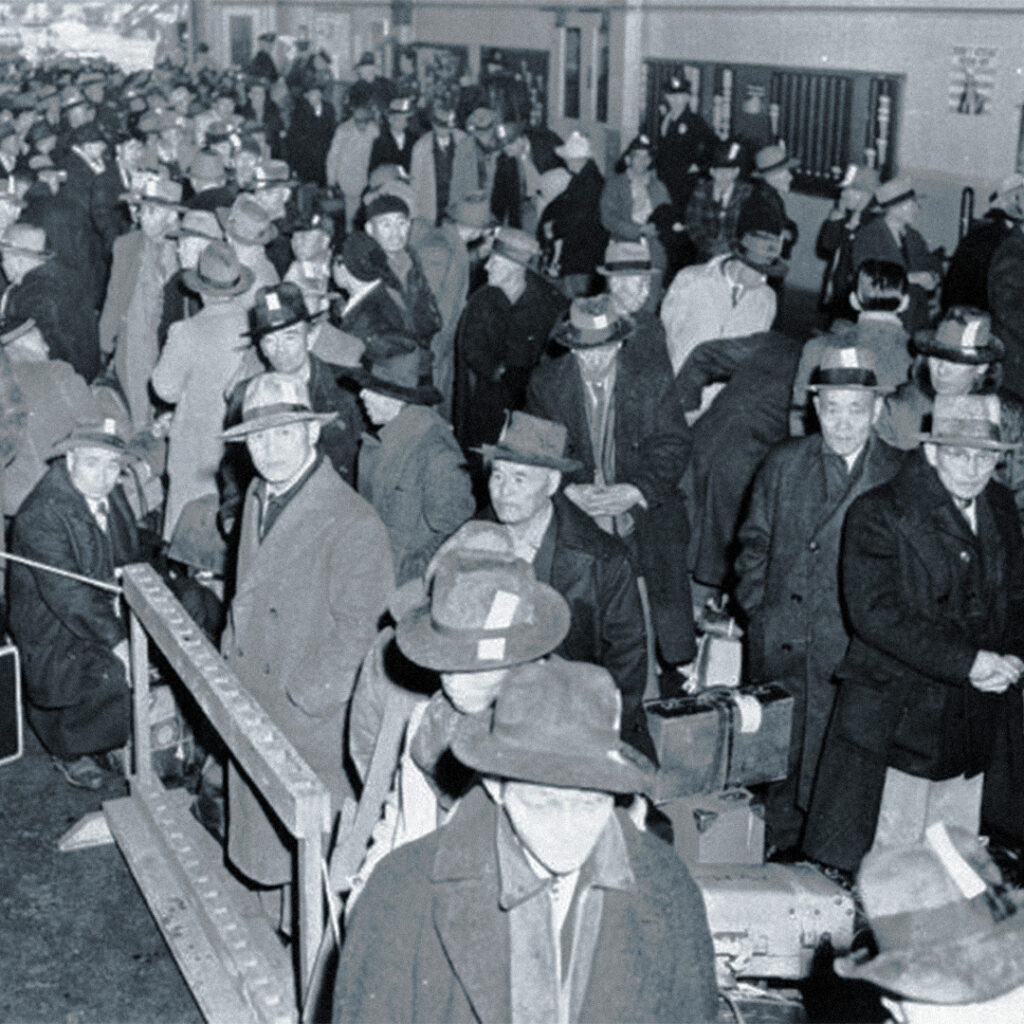
Japanese Latin Americans boarding trains under armed guard in Panama, 1943, en route to U.S. camps as prisoners for potential exchanges with Japan.
When WWII broke out, the United States pressured Latin American governments to hand over Japanese residents. More than 2,200 men, women, and children — mostly from Peru, but also substantial numbers from Panama, Bolivia, Colombia, Costa Rica, Cuba, Ecuador, El Salvador, Mexico, Nicaragua, and Venezuela — were forcibly removed from their homes and shipped to U.S. camps.
They weren’t suspected of crimes. They weren’t given trials. They were taken as bargaining chips for prisoner exchanges with Japan.
And it wasn’t random. Authorities often targeted the more affluent families — the landowners, the businesspeople, the ones who had “made it.” Their prosperity had already stirred resentment, and the war gave governments cover to strip them of property and power.
After the war, things got worse. The U.S. classified them as “illegal aliens” — even though they had been dragged across borders against their will — and threatened them with deportation.
But their home countries no longer wanted them back. In Peru and elsewhere, governments seized Japanese-owned businesses and farms, or refused to re-admit the people they had expelled — except for a few who still held valid citizenship. Unlike in Hawaii or Brazil, where large Japanese communities made mass removal impractical, in Peru the smaller population was easier to target — and discard.
The result was devastating: many became stateless, stripped of any citizenship, with nowhere in the world to legally belong. For many, survival in the U.S. was nearly impossible. Few spoke English. Some spoke only Spanish. Suddenly they were outsiders not just legally, but linguistically and culturally, in a land they had never chosen.
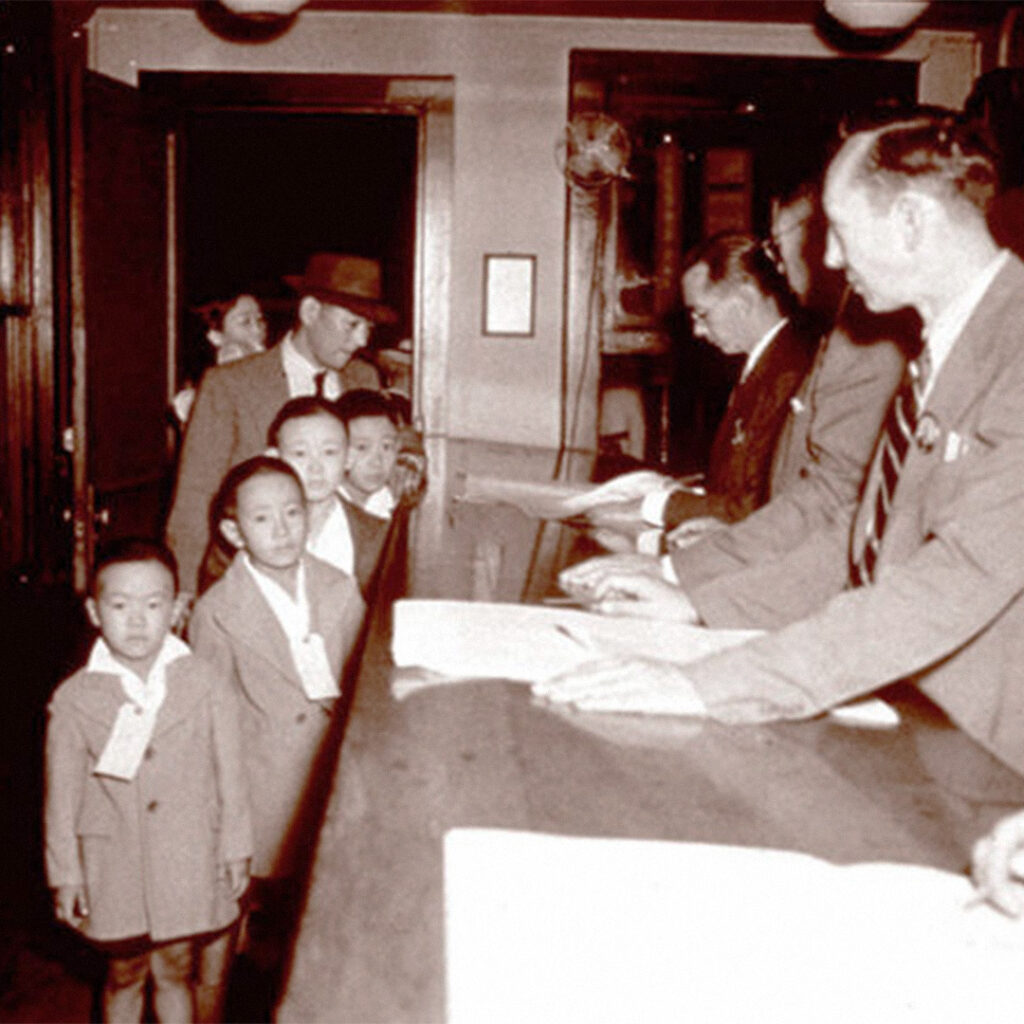
Japanese Peruvian children tagged and processed for deportation to Japan during WWII.
Many had never even been to Japan, nor spoke the language.
Japanese repatriates boarding ships to Japan after WWII, November 24, 1945. Many were being exiled to a country they had never even seen.
The Shibayama family at Seabrook Farms, NJ — one of many Japanese Peruvian families made stateless during WWII, but survived by working as laborers after the war.
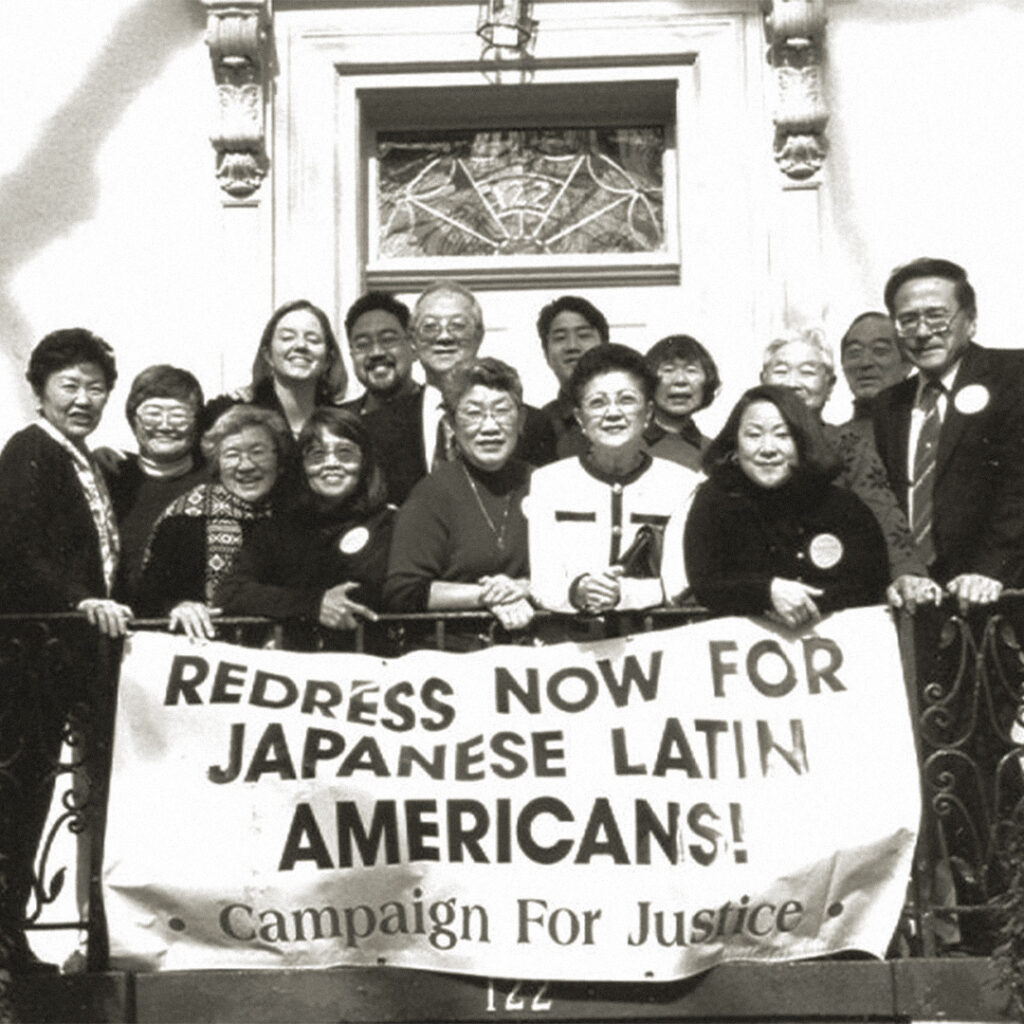
Survivors and advocates rally for redress for Japanese Latin Americans, whose WWII ordeal left many stateless and excluded from the 1988 Civil Liberties Act.
A few hundred Japanese Peruvians did manage to stay. Attorneys with the American Civil Liberties Union, Wayne M. Collins and A. L. Wirin, helped 364 secure “parole” at Seabrook Farms, a truck farming plant in New Jersey. They worked as undocumented immigrants until immigration law changed in 1952.
When Congress passed the Civil Liberties Act of 1988 to apologize and provide reparations to Japanese Americans, Japanese Latin Americans were excluded. The U.S. shifted the blame, saying other countries bore responsibility for their hardships.
On August 28, 1996, survivors filed Mochizuki v. United States.
The resulting settlement brought only partial justice: most survivors received a formal apology and a $5,000 payment. Only a small number of survivors — those who learned about and applied during a limited window — were able to receive the full $20,000 originally granted to Japanese American incarcerees.
In 2007, a group of U.S. Representatives introduced the “Commission on Wartime Relocation and Internment of Latin Americans of Japanese Descent Act,” but the bill never passed.
The story of Japanese Latin Americans remains one of the least acknowledged chapters of WWII. They were uprooted from their homes, kidnapped across borders, stripped of citizenship, made stateless, silenced by language barriers, and punished for being of Japanese descent.
Their story is a reminder that injustice does not stop at national borders — and that even in wartime, prejudice finds ways to redraw maps of who belongs, and who does not.
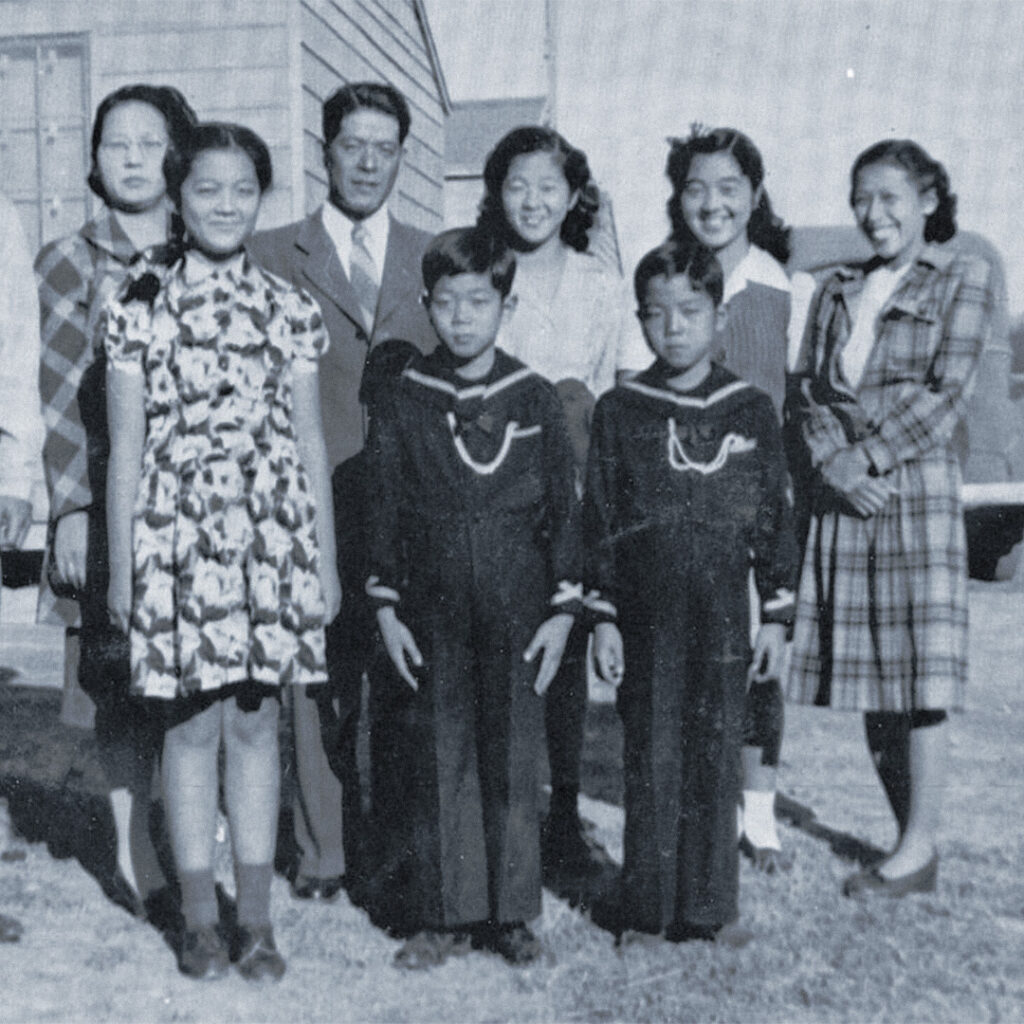
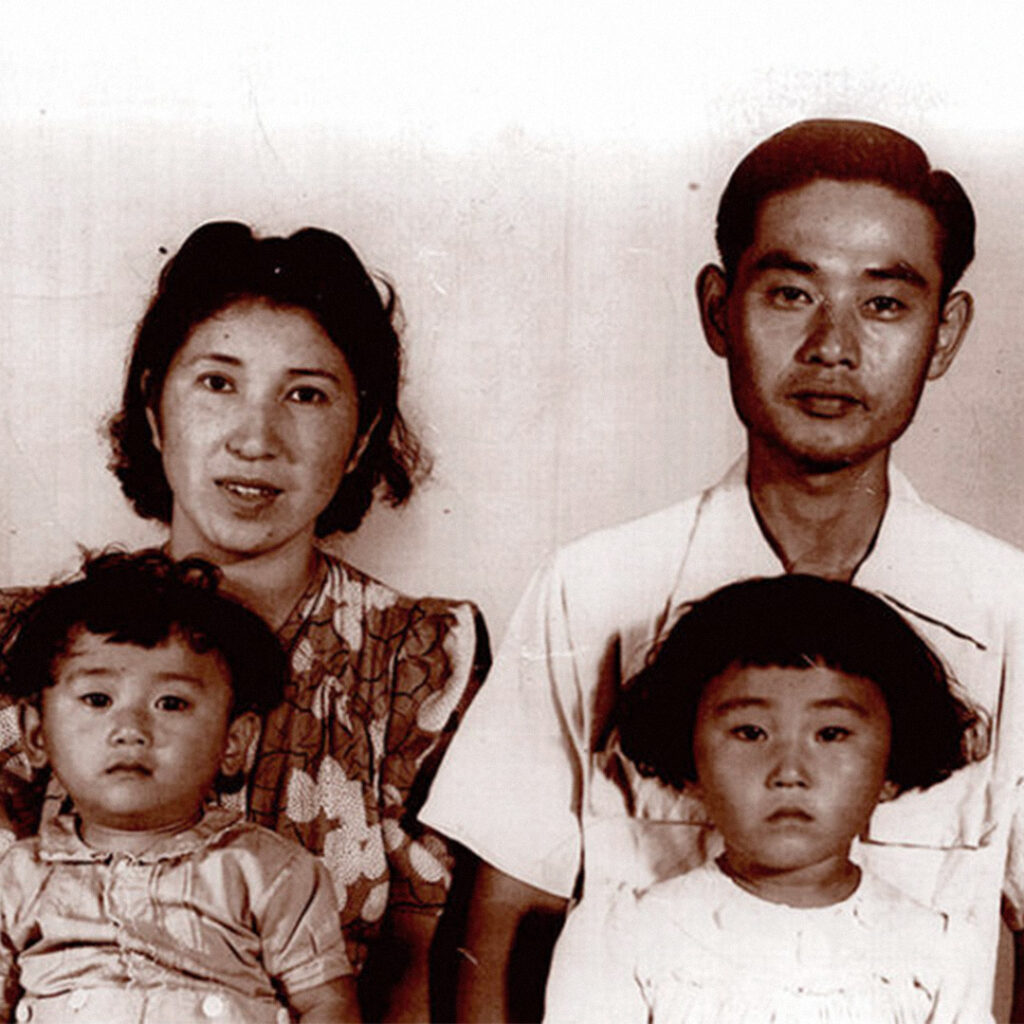
Families like the Murono family (pictured) had been uprooted from Latin America, forcibly brought to the U.S., and confined in camps despite having committed no crime.
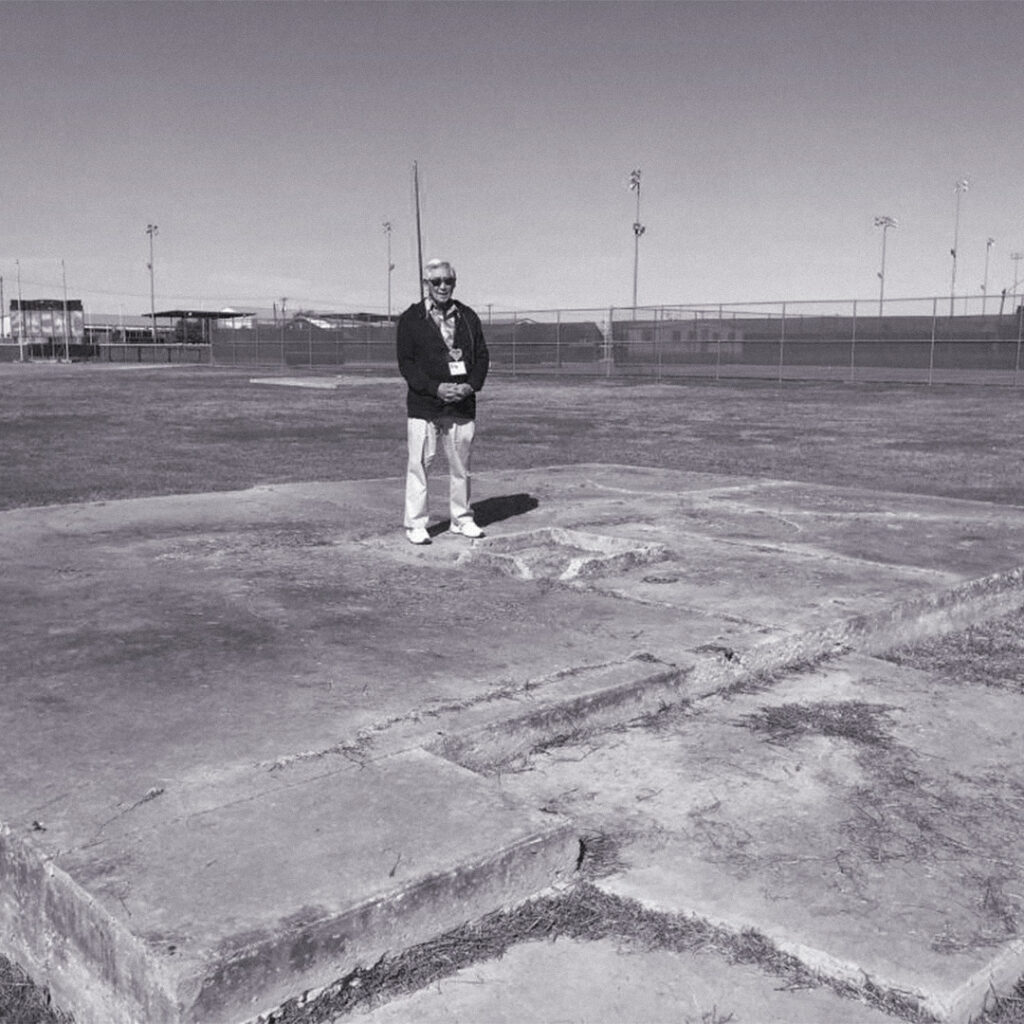
Eloy Moaki stands on the remains of Crystal City, Texas — where he was incarcerated as a Japanese Latin American during WWII.