The government hired her to take pretty pictures. But her lens couldn’t lie.
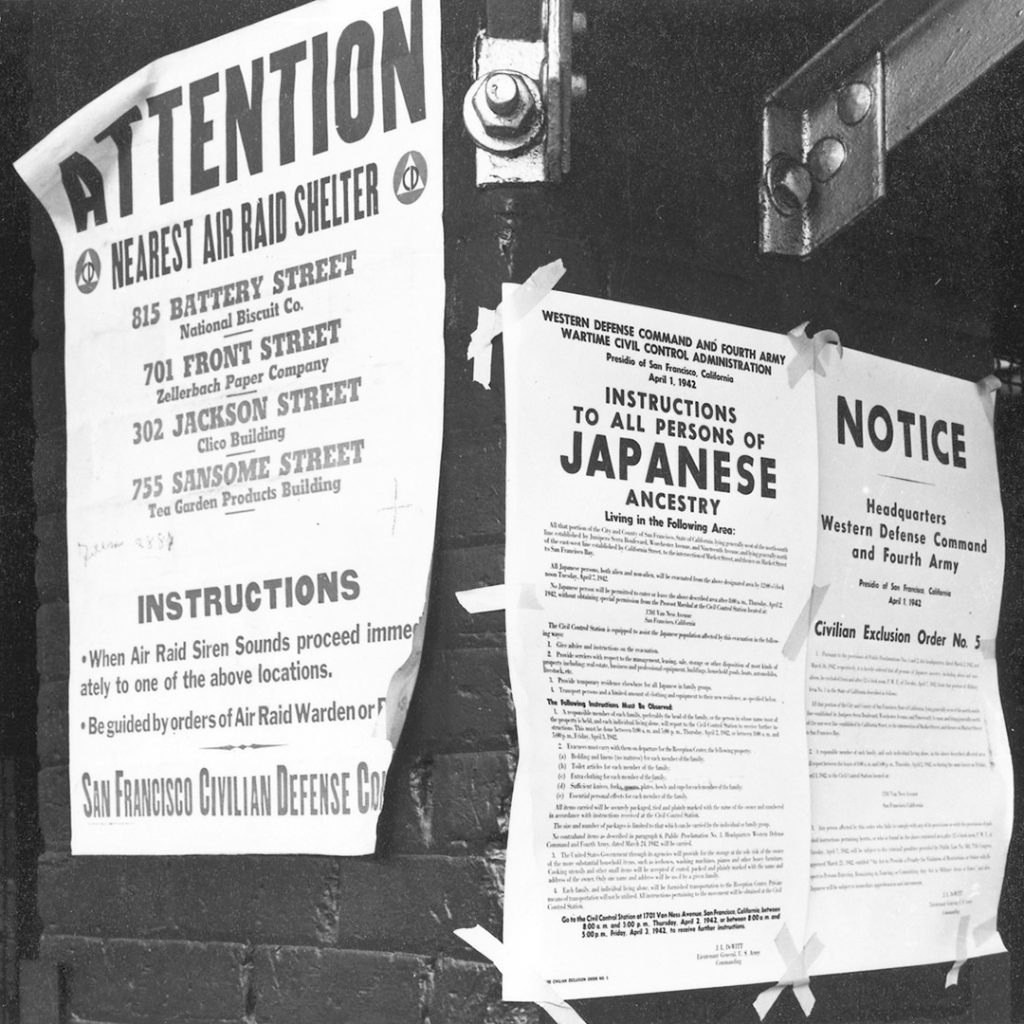
April 7, 1942: Dorothea Lange documents the inhumanity of Civilian Exclusion Order No.5
The War Relocation Authority (WRA) hired her to make it look “propaganda-friendly.”
When the U.S. government began removing Japanese Americans from their homes in 1942, they brought in Dorothea Lange — one of the most respected documentary photographers in the country — to show the process. The job was clear: photograph the evacuation in a way the public could understand… and accept. Like, happy people.
But what they got was something they hadn’t expected: truth.
Dorothea Lange with Zeiss Juwell camera
The iconic “Migrant Mother” by Dorothea Lange, 1936
"I am an American," photo by Dorothea Lange, Oakland, CA, 1942
Civilian Exclusion Order No.5, photo by Dorothea Lange, 1942
Residents of Japanese ancestry appear for registration prior to evacuation, photo by Dorothea Lange, April 25, 1942
A girl guarding her family's belonging, photo by Dorothea Lange, 1942
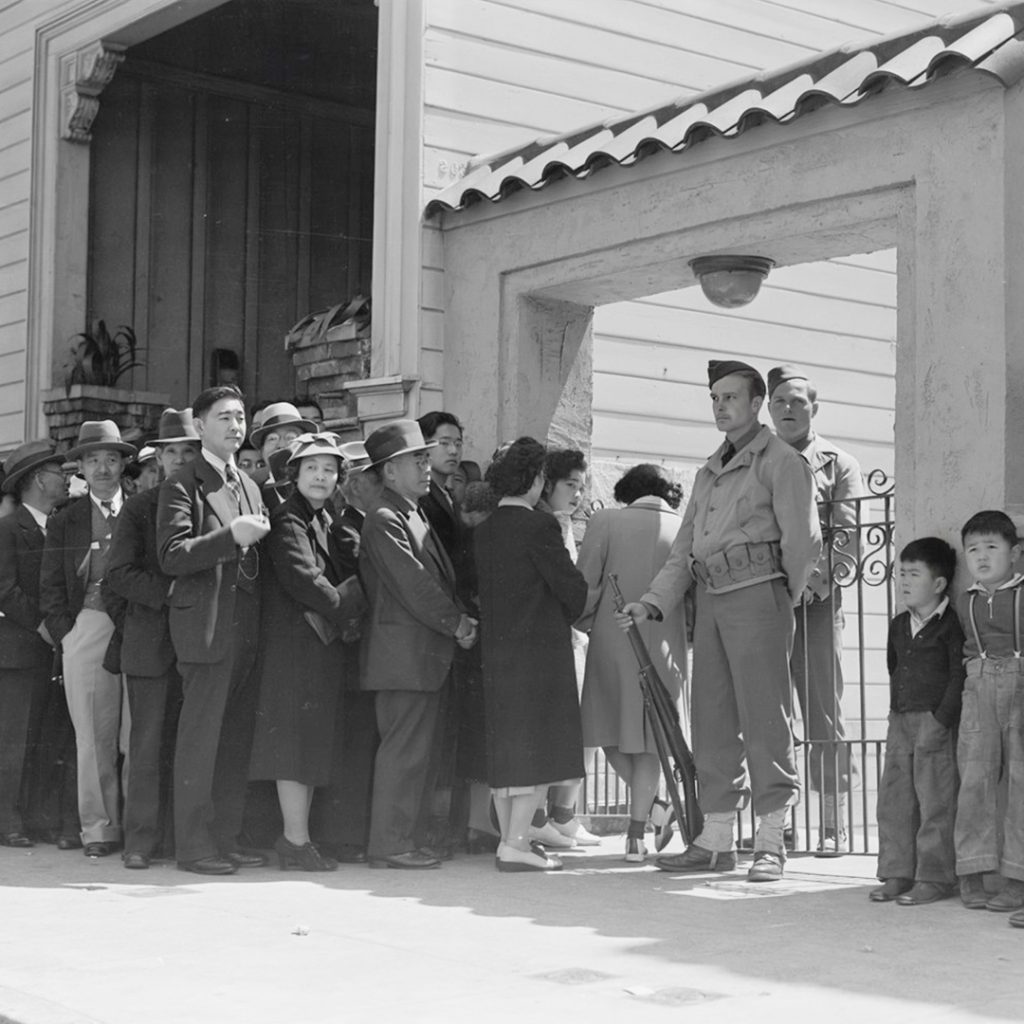
Lange photographed what the government tried to frame as calm and cooperative — families waiting in line, children with numbered ID tags, parents with packed suitcases. But through her camera, every image radiated quiet heartbreak.
She captured faces full of uncertainty. Businesses closing under pressure. Dignity under surveillance.
On April 7, 1942, under Civilian Exclusion Order No. 5, Japanese Americans in San Francisco’s Japantown were ordered to report for removal. It was the last day of their six days’ notice. No trials. No hearings. Just a posted notice and a government deadline.
Lange was there with her camera — watching a neighborhood disappear in real time.
She was working for the War Relocation Authority, but she didn’t play along with the euphemisms. She didn’t call it “evacuation.” She showed it for what it was: forced removal based on ancestry.
The government didn’t like what they saw in her work. Much of it was censored. Suppressed. Buried in archives for decades.
It didn’t support the narrative. But the images survived. Because the lens doesn’t lie — it reveals.
San Francisco’s Japantown, April 1942, photo by Dorothea Lange. Japanese Americans waited in line — not because of anything they had done, but because of who they were.
A young evacuee looks out the bus window, April 29, 1942, photo by Dorothea Lange
A tenant farmer after settlement of affairs waiting for evacuation, 1942, photo by Dorothea Lange
Horse stalls without any window where families stayed at San Bruno, CA, 1942, photo by Dorothea Lange
Dust storm at Manzanar, CA, 1942, photo by Dorothea Lange
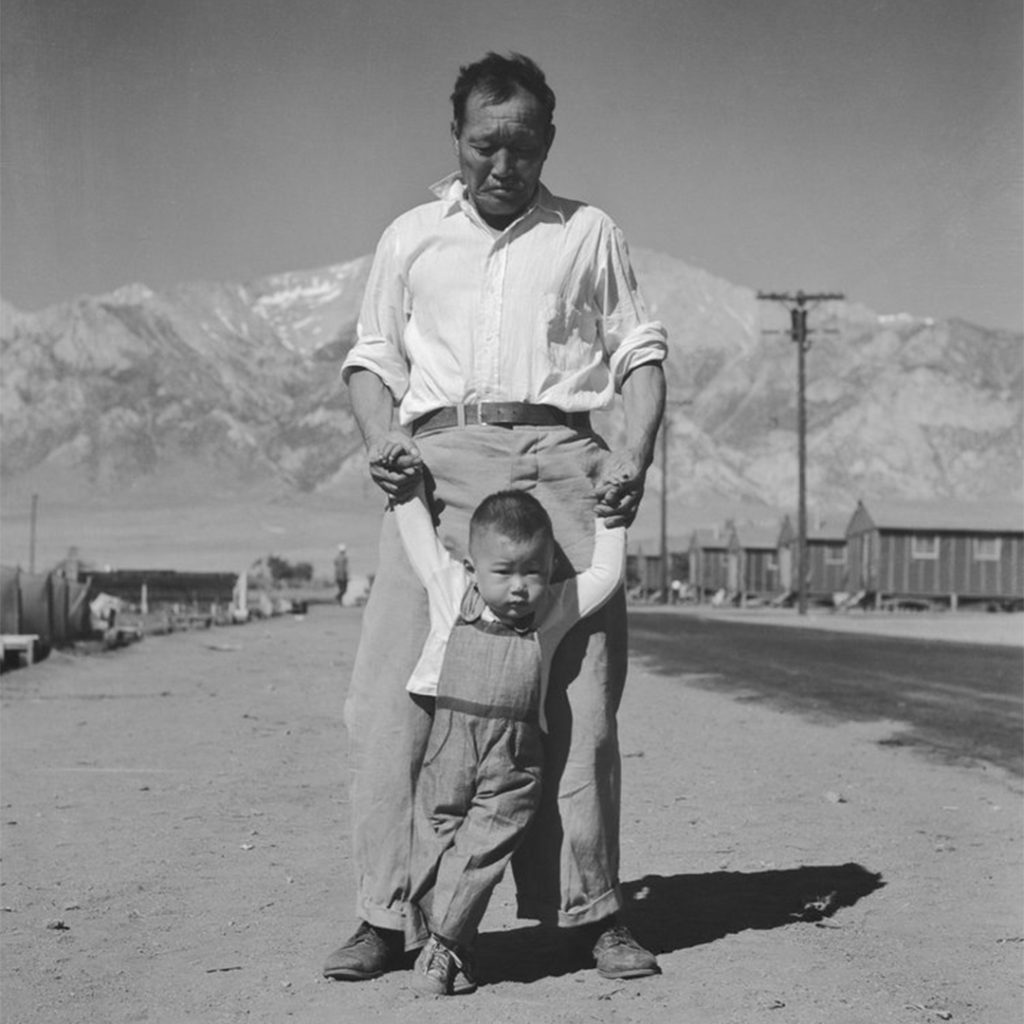
Grandfather teaching grandson to walk, Manzanar, CA, 1942, photo by Dorothea Lange. The pain, and shame, lingered for generations.
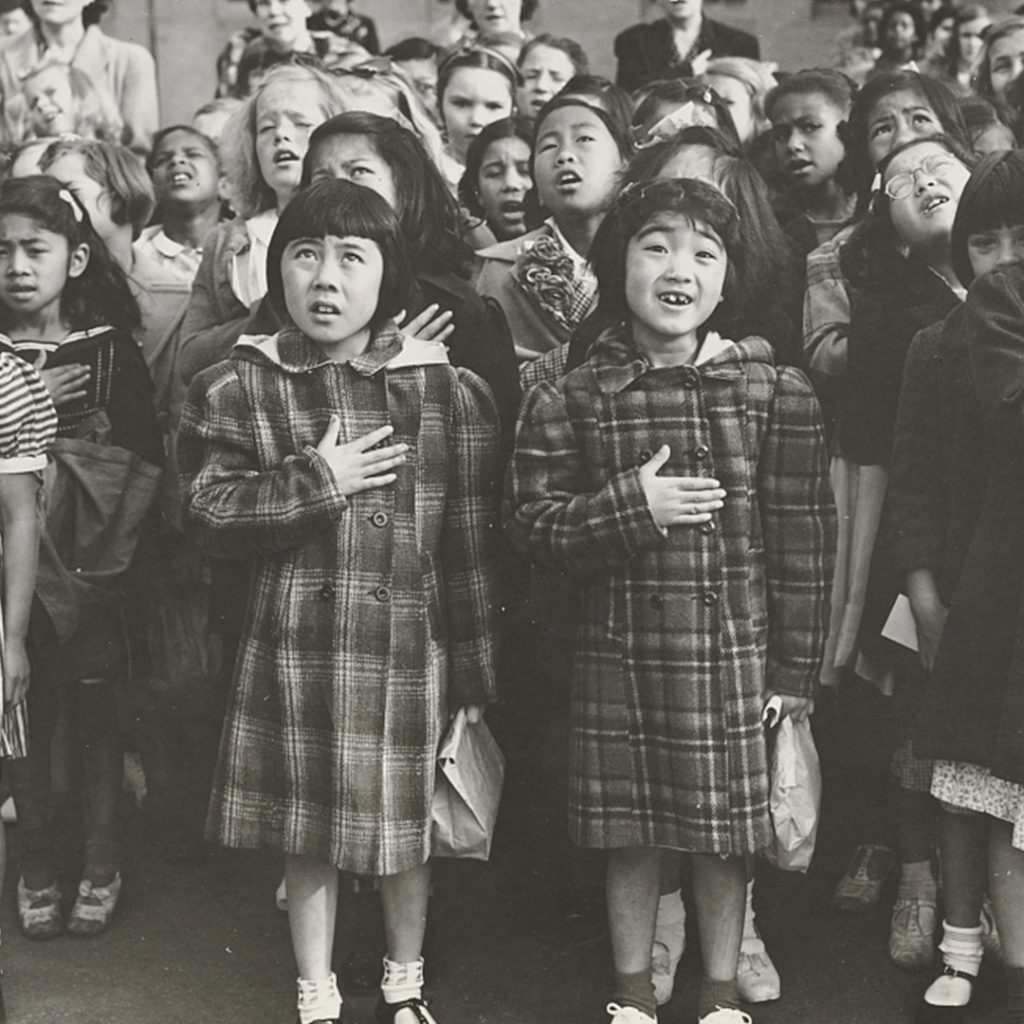
Children of the Weill public school in a flag pledge ceremony, San Francisco, CA, 1942, photo by Dorothea Lange. Too many were incarcerated, despite their loyalty.
They said it was about security. Her photos said otherwise.
What Dorothea Lange documented wasn’t just a process. It was a wound — one administered calmly, on a street corner, under the flag.