She overcame all kinds of pain: Arthritis. Poverty. Incarceration.
January 17, 1915: Mary Tsuruko Dakuzaku Tsukamoto, American educator, cultural historian, and civil rights activist, was born in San Francisco, CA.
Mary Tsukamoto was in her late twenties when she was incarcerated. She later spoke openly about the anger and disbelief of being imprisoned by her own government.
That painful experience shaped her life’s work. The humiliation of incarceration became the fuel for a lifetime of teaching, community leadership, and civil rights advocacy.
Encouraged by Isabel Jackson, the principal of her daughter’s school, Tsukamoto decided to pursue teaching — a dream she once thought of giving up, growing up without enough money for school, and enduring painful arthritis that made everyday tasks difficult.
Courtesy of California State University, Sacramento Library
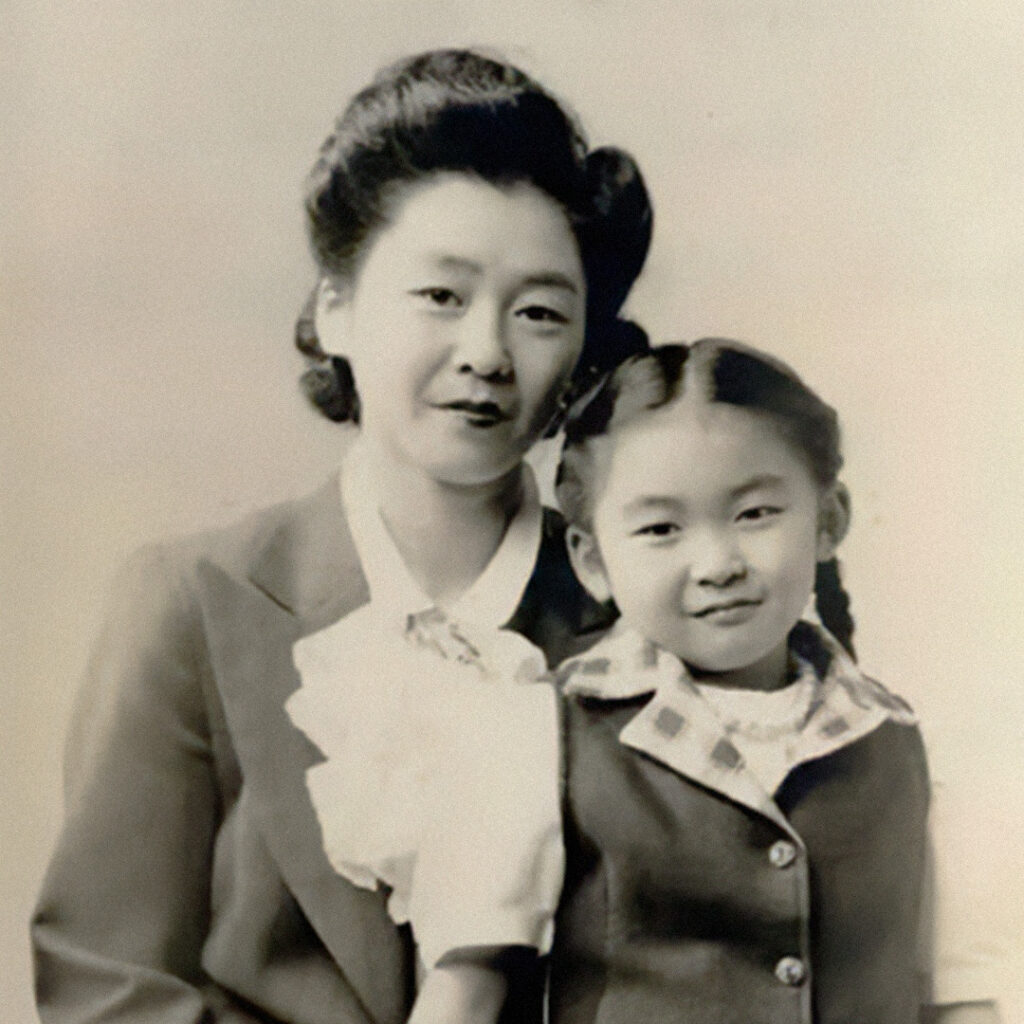
Mary and her daughter Marielle Tsukamoto at Jerome Relocation Center, October 1944. She raised her daughter behind barbed wire. Jerome, Arkansas, October 1944.
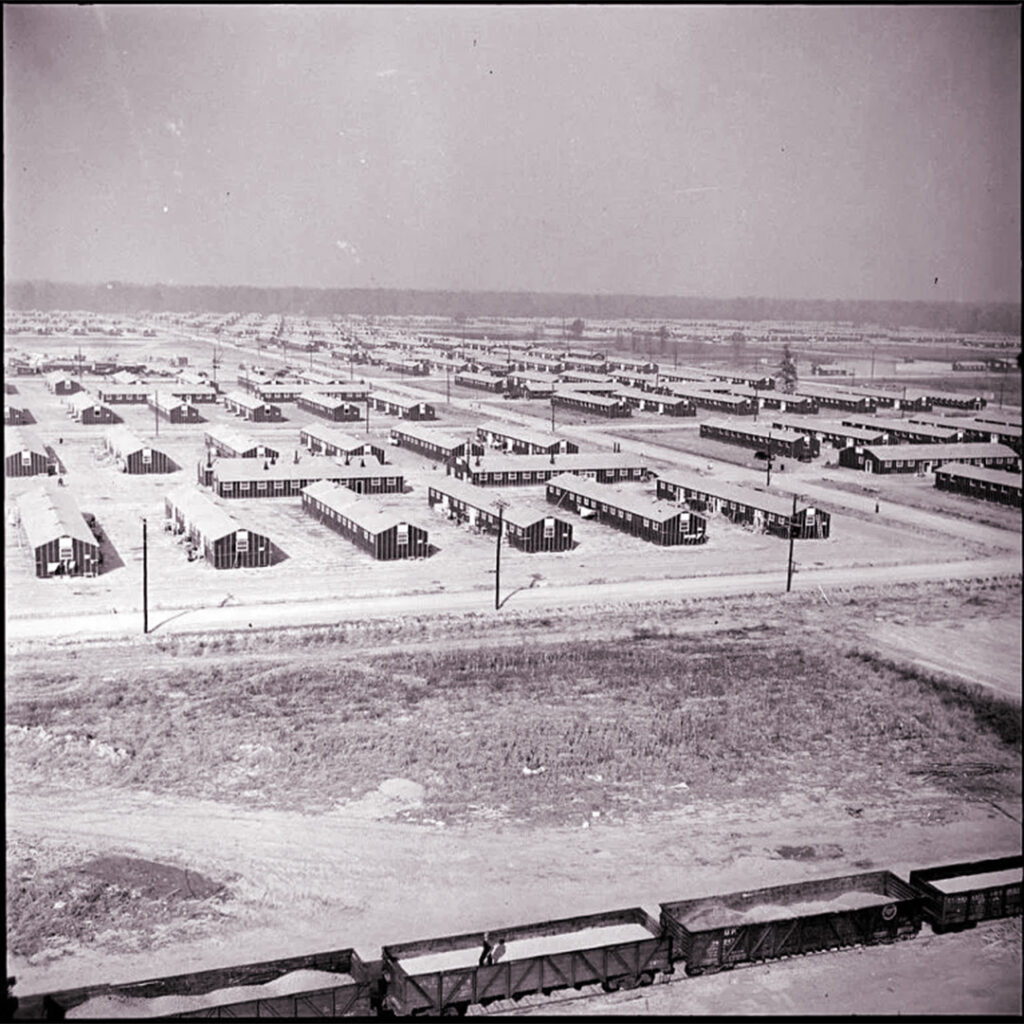
From above, it may have looked like order. On the ground, it felt like imprisonment. Jerome was split into 50 blocks, ringed by barbed wire and guarded by seven watchtowers.
Courtesy of California State University, Sacramento Library
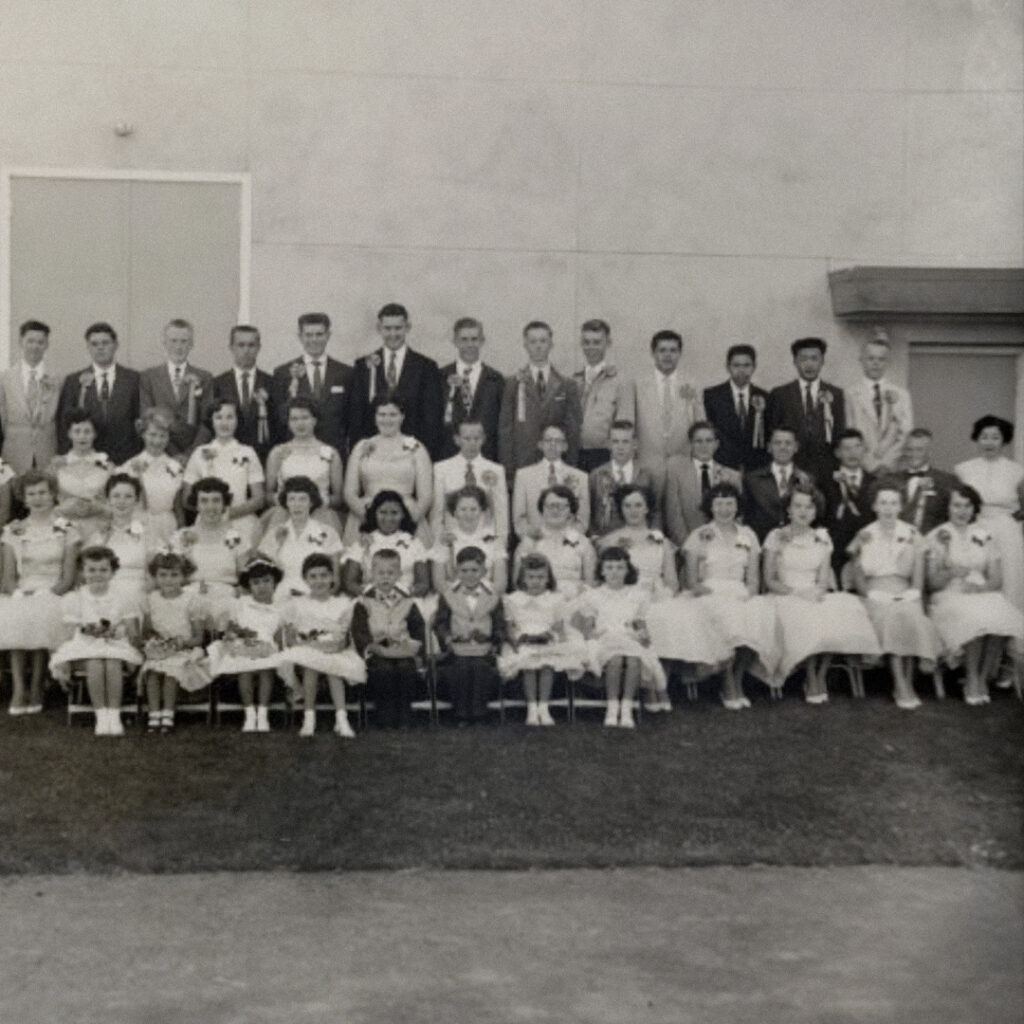
Graduating students at Florin Elementary School, 1949, the same year Mary Tsukamoto joined the district as one of California’s first certificated Japanese American teachers.
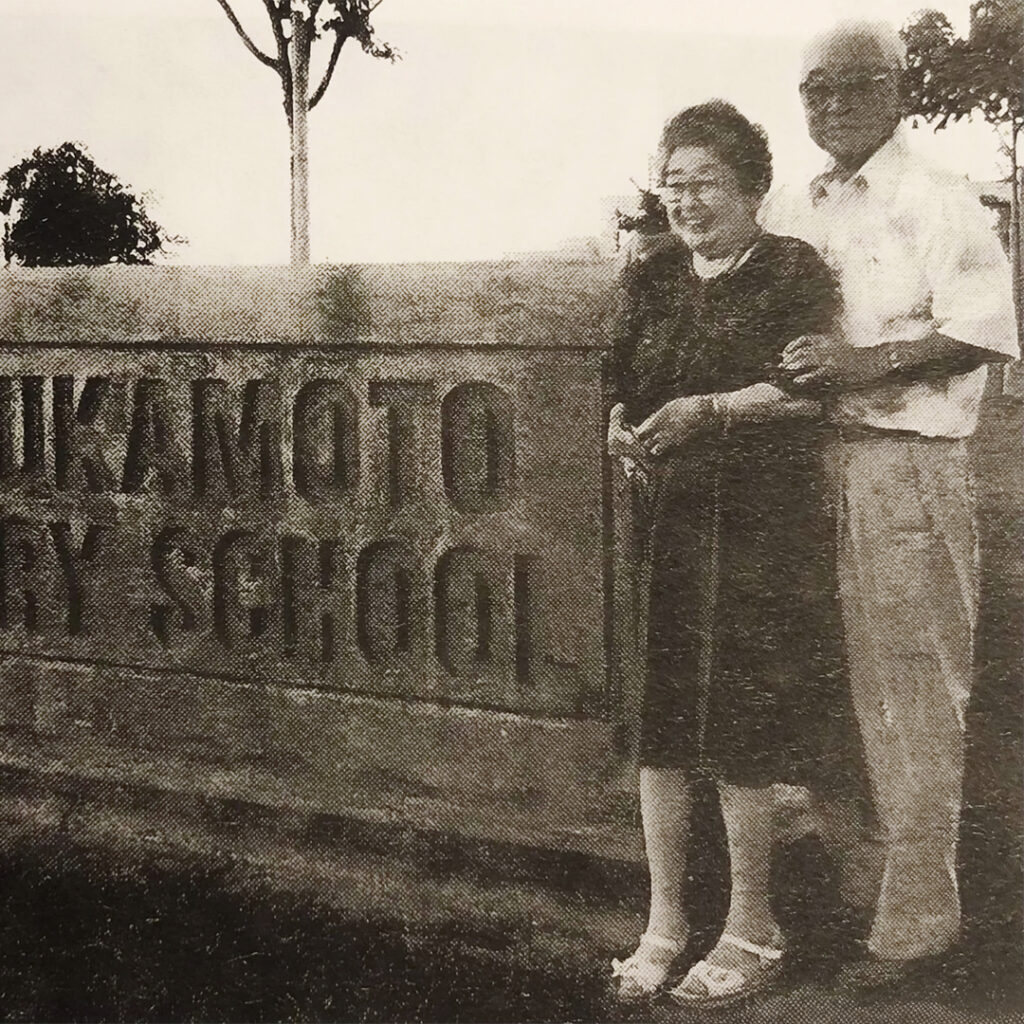
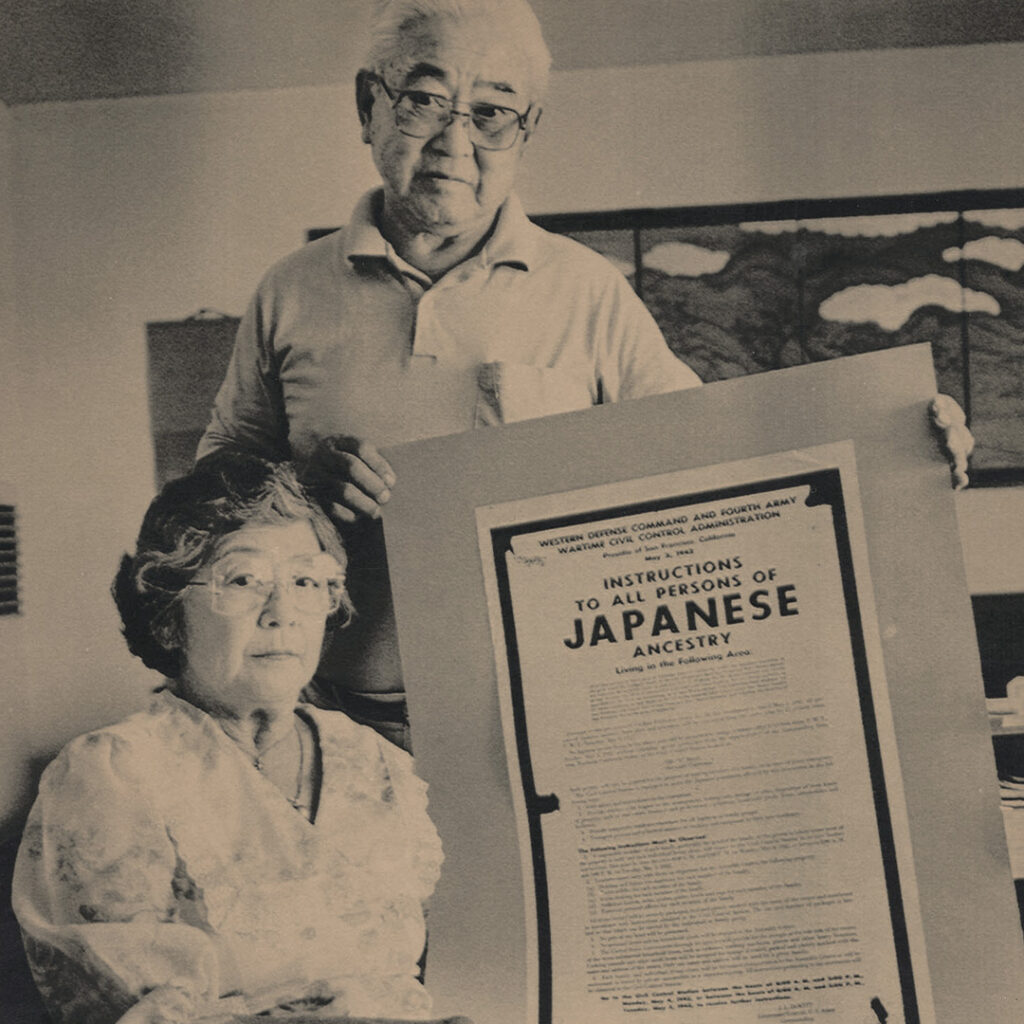
Mary and Al Tsukamoto at the opening of Mary Tsukamoto Elementary School in South Sacramento, 1992.
Teaching What America Tried to Forget
In 1949, she became one of the first certificated Japanese American teachers in California, joining Florin Elementary School in the Elk Grove School District as a third-grade teacher. She taught in the district for 26 years.
Tsukamoto went on to develop one of the earliest comprehensive curricula on Japanese American incarceration for California public schools. Her work remains part of fifth-grade history instruction today. In 1983, she launched the Time of Remembrance program, bringing Elk Grove students into direct contact with former incarcerees.
In 1992, the Elk Grove Unified School District honored her legacy by naming Mary Tsukamoto Elementary School after her — a lasting tribute to her work as an educator and civil rights advocate. She taught history not as abstraction, but as lived experience, showing how laws, fear, and silence combined to strip citizens of their rights.
She was a key figure in the grassroots movement that led to the Civil Liberties Act of 1988, which formally acknowledged the injustice of incarceration and issued an apology and redress.
Tsukamoto lived by the conviction that “never again” should citizens lose their fundamental rights.
In 1994, she helped establish the Japanese American Archival Collection at California State University, Sacramento Library, contributing an initial donation of photographs, documents, and artifacts. The collection has since grown to more than 4,000 items from over 200 donors.
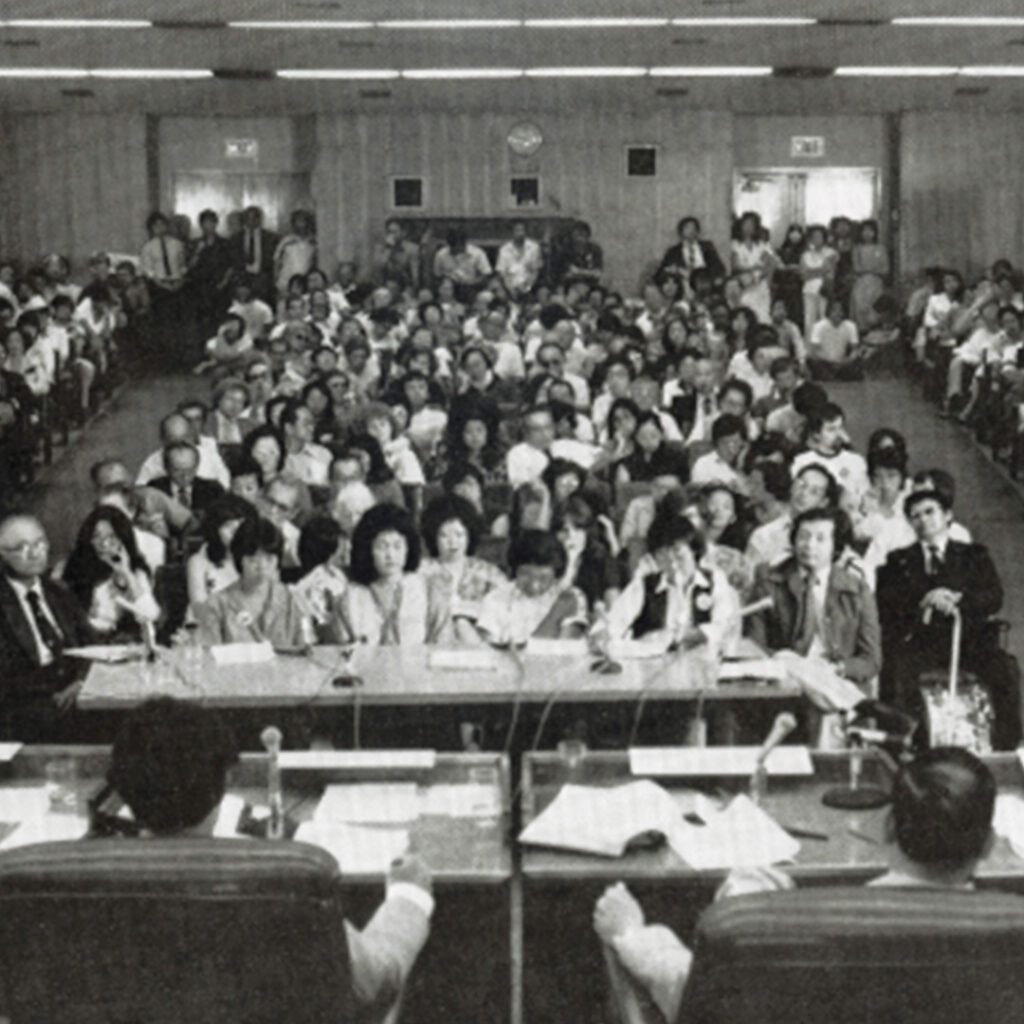
Hundreds packed into the federal building for the first day of the CWRIC Hearings. Many Japanese Americans were speaking publicly for the first time about their incarceration during WWII.
Surrounded by survivors and advocates, President Reagan signs the Civil Liberties Act — an apology 46 years in the making.
AP Photo
Even after she was incarcerated at Jerome, Mary Tsukamoto believed in the power of education. Years later, she became a key voice in the redress movement.
Courtesy of Densho, The Kinoshita Collection
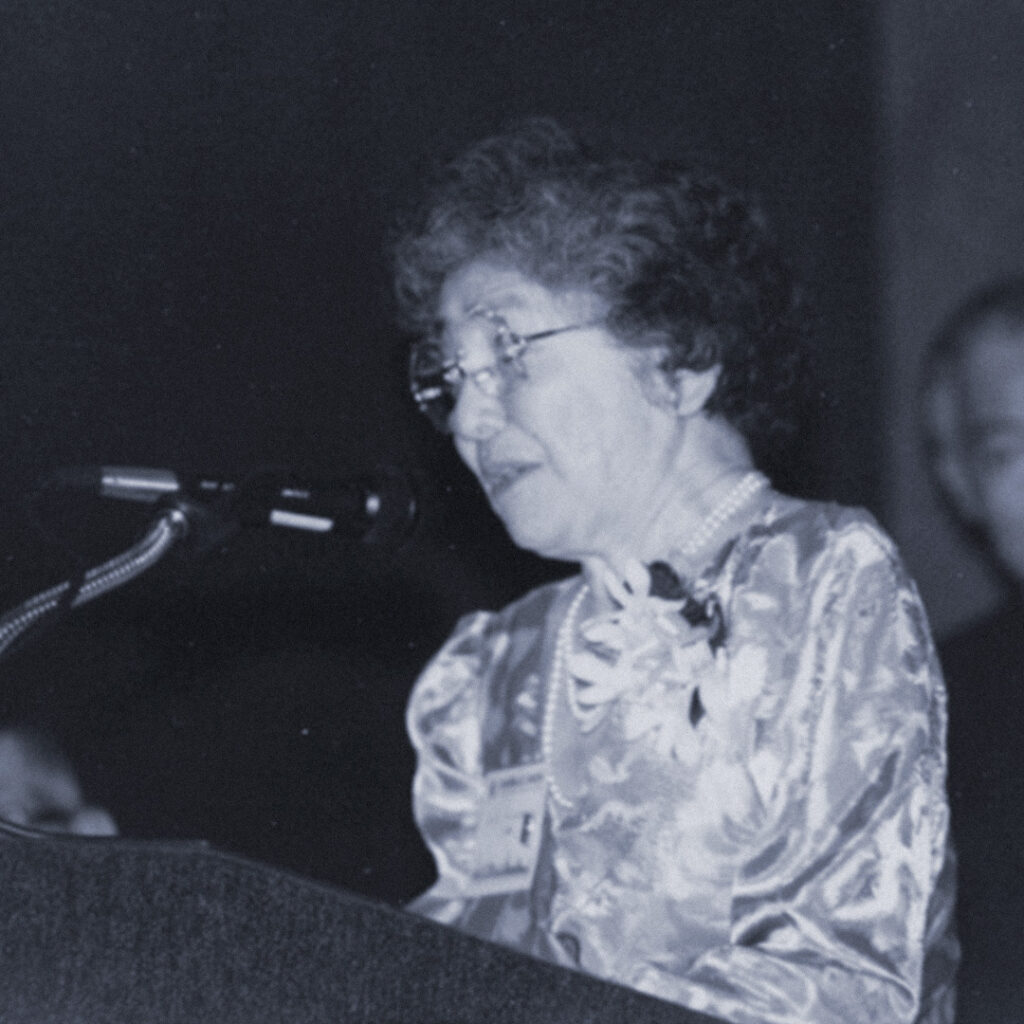
By 1986, Mary Tsukamoto was no longer just teaching history. She was shaping how it would be remembered. JACL National Convention Kickoff Dinner, Los Angeles.
Pain and Resilience
Mary Tsukamoto’s life shows how people can overcome challenges. Challenges like physical issues slowing you down. Challenges like growing up without enough money to go to school. Challenges like being denied your rights.
Sometimes, anger — when channeled with purpose — becomes fuel. Mary once said in an interview, “…we need to be angry enough to do something about it so that it will never happen again.”
Mary’s daughter, Marielle Tsukamoto, later taught for 25 years and continues this work through internment education and service on the board of the National Women’s History Project.
What a Good Neighbor Can Do
When Japanese Americans were forcibly removed during World War II, most families lost homes, businesses, farms, and savings built over generations.
Mary Tsukamoto’s family did not. That wasn’t because of policy. Or fairness. Or luck. It was because one white farmer chose to do the right thing.
Bob Emmett Fletcher quit his job and personally took over the Tsukamoto family farm while they were incarcerated — first in Fresno, then later in Jerome, Arkansas. He paid the bills, kept the land productive, and refused to sell, even as others across California liquidated Japanese American–owned farms.
When the Tsukamotos returned to Florin, their farm was still there. Bob didn’t just preserve a farm. He preserved a future.
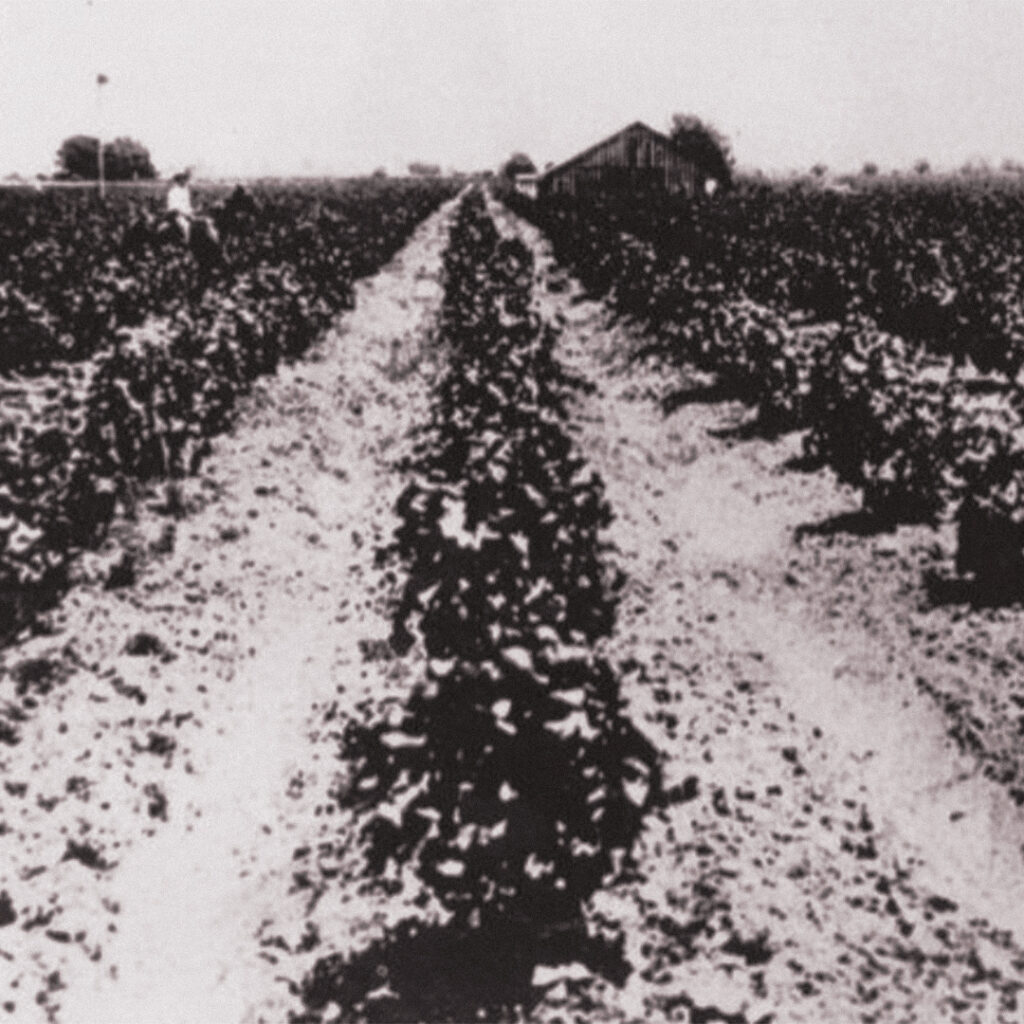
Bob Fletcher protected the Tsukamoto family farm, and two others, while Japanese Americans were behind barbed wire. He did it because it was the right thing to do.
Courtesy of California State University, Sacramento Library
This vineyard in Florin belonged to the Kuzu Tsukamoto family, one of the farms protected by Bob Fletcher during WWII.
Mary Tsukamoto once said that Bob Fletcher was “the best friend of Japanese farmers.” The Tsukamotos remained close with Bob and his family for decades.


The Tsukamotos were a very large part of the Japanese community in Florin. They were very active in Sensai sports, baseball and basketball.