When you survived incarceration, a murder attempt, and the war in Europe, you weren’t afraid of Disney.
August 15, 1998: Disney announced it had secured an option to buy 52.5 acres of the Fujishige family's 58-acre strawberry farm in Anaheim.
For decades, that land belonged to the Fujishige family. And no matter how big Disney was, they couldn’t convince them to sell.
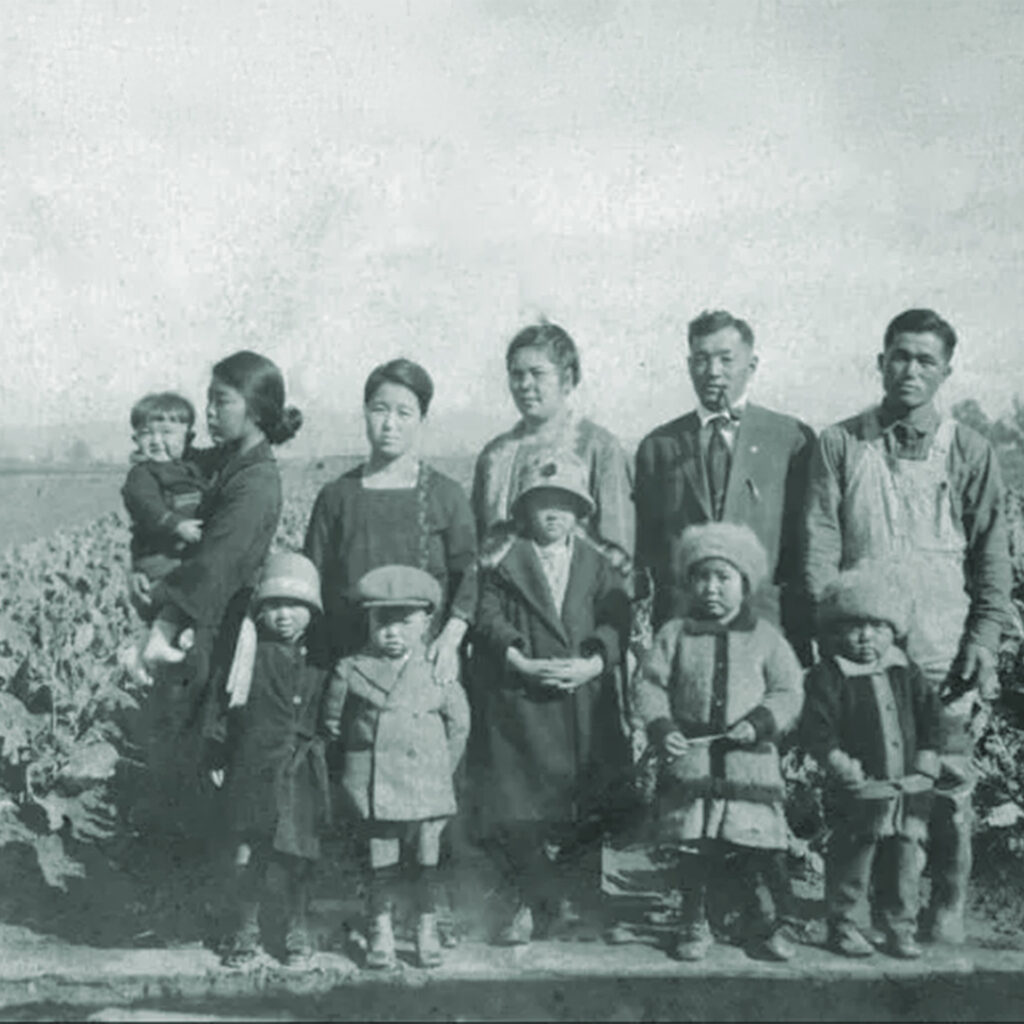
The story began long before Disneyland even existed. Their Issei father had purchased farmland in California before the war, working the soil with the skill and dedication he had brought from Japan. Farming wasn’t just a way to make a living. It was a source of pride, and a legacy to be passed down.
When World War II broke out, most Japanese Americans on the West Coast were forced from their homes and imprisoned in remote camps. The Fujishige family made a difficult decision to leave California for Utah, avoiding incarceration under Executive Order 9066 but uprooting their lives all the same.
The Fujishige family in the fields, c1926. Their Issei father had already bought farmland in California, building a legacy of hard work and pride in the soil.
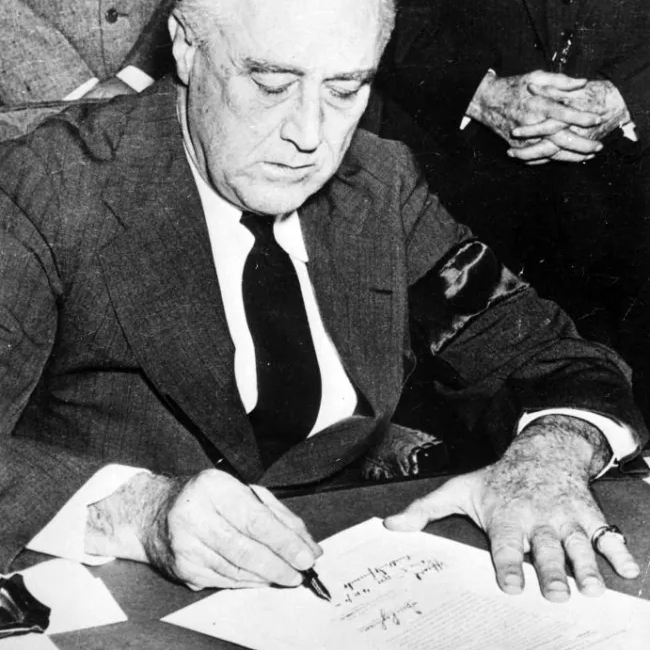
February 19, 1942 — Franklin Roosevelt signs Executive Order 9066, setting in motion the mass incarceration of over 120,000 Japanese Americans during WWII
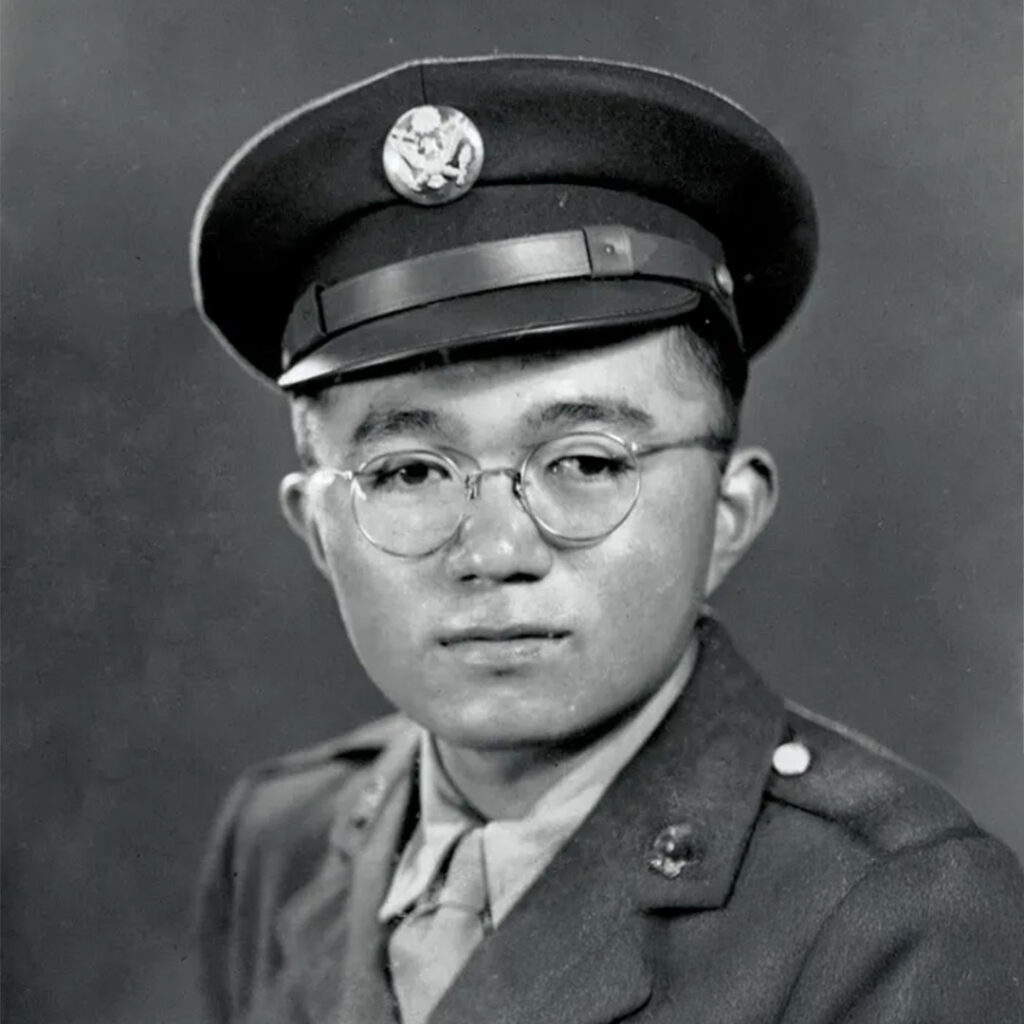
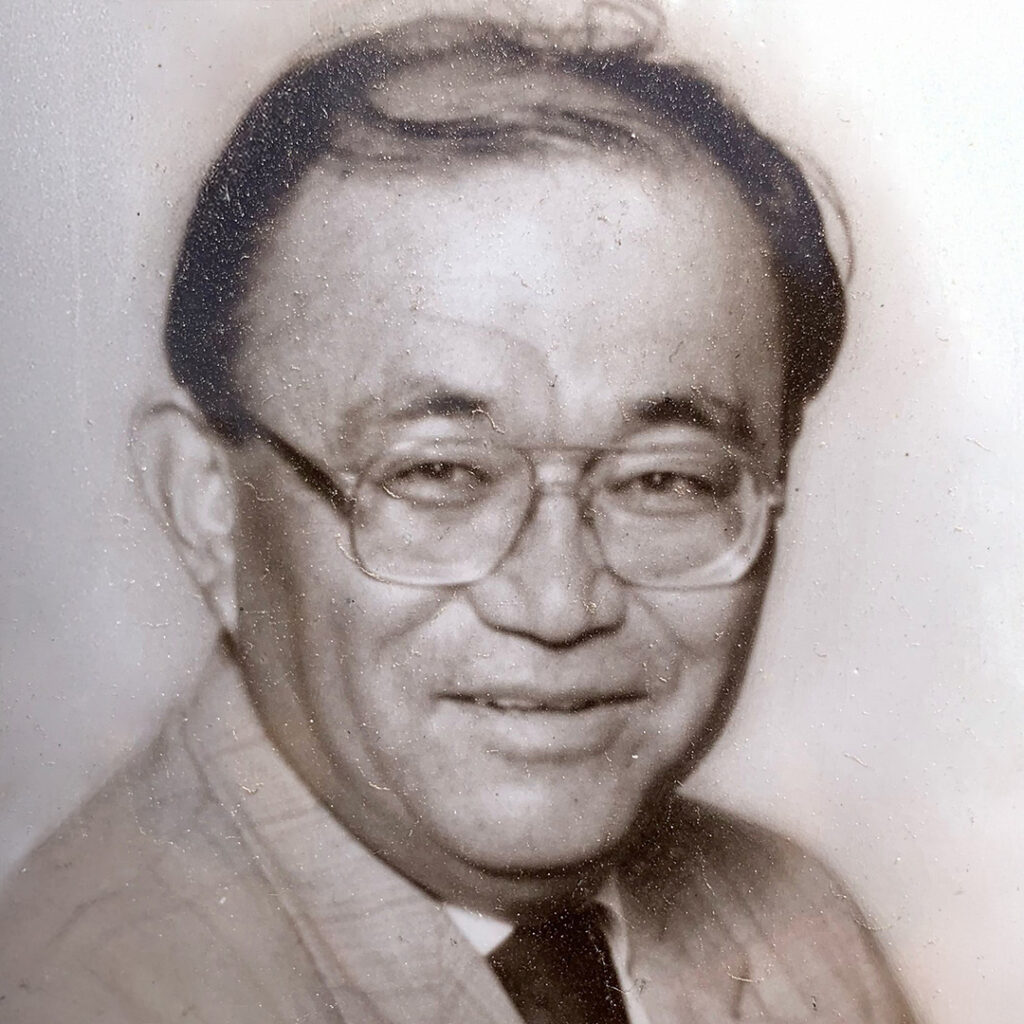
Hiroshi Fujishige, U.S. Army — Drafted in 1945, he survived a murder attempt by a vengeful dentist before serving in Europe with the 442nd Regimental Combat Team.
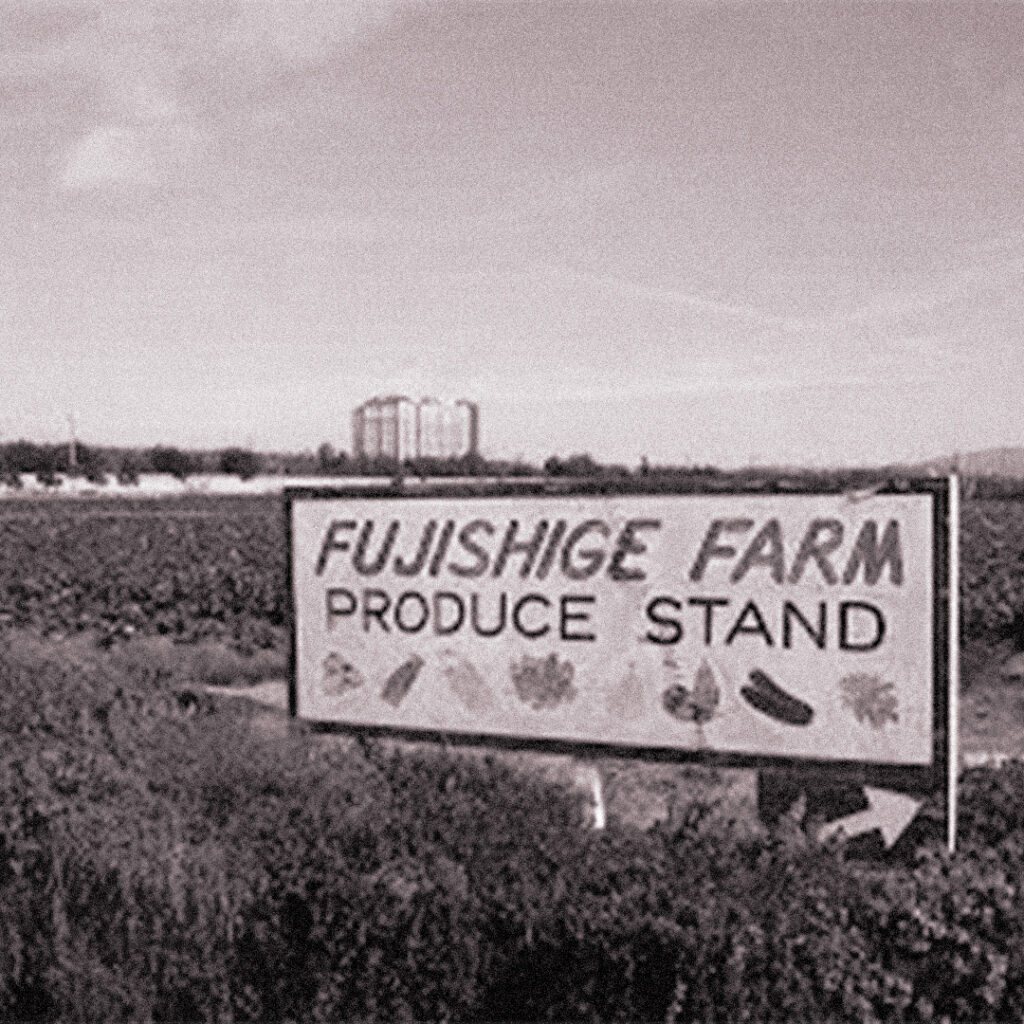
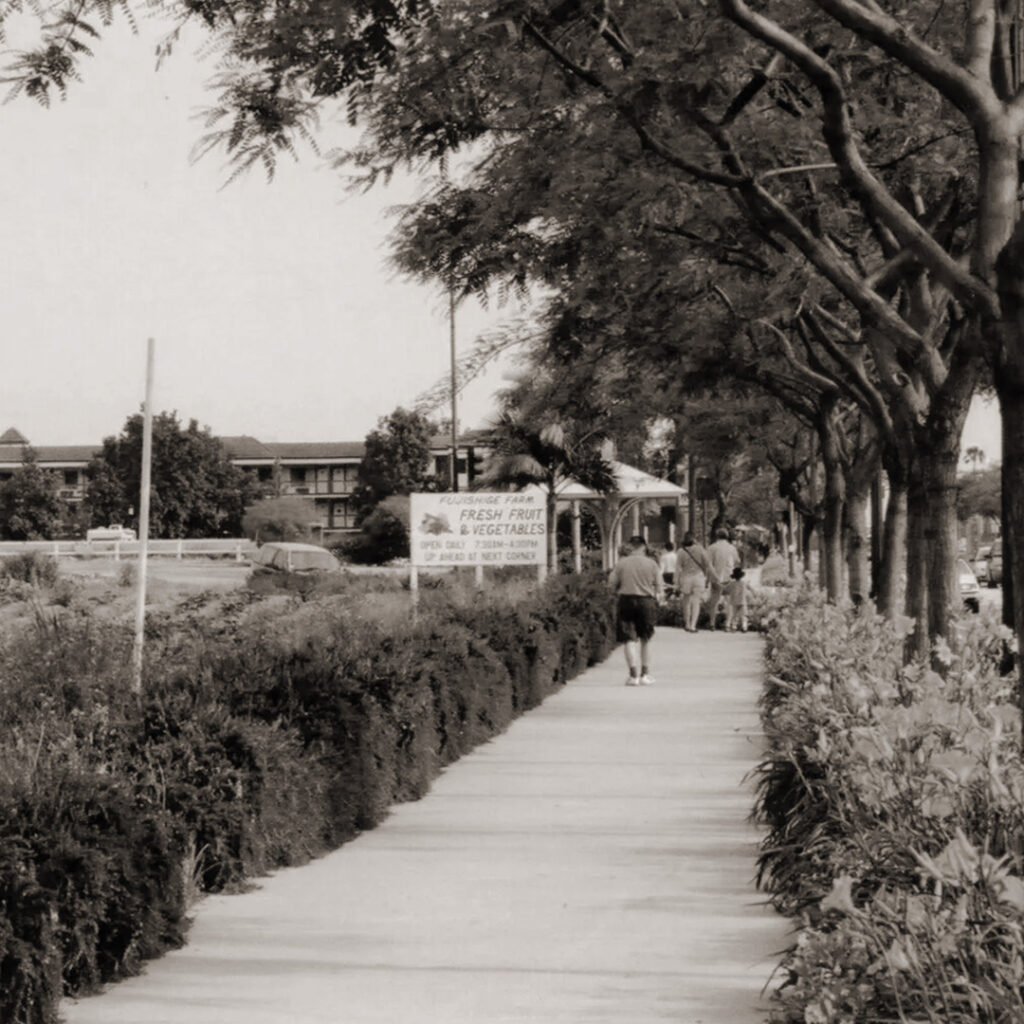
The Fujishige Farm produce stand in Anaheim — a family-run strawberry farm that stood its ground for decades against offers from developers, including Disney.
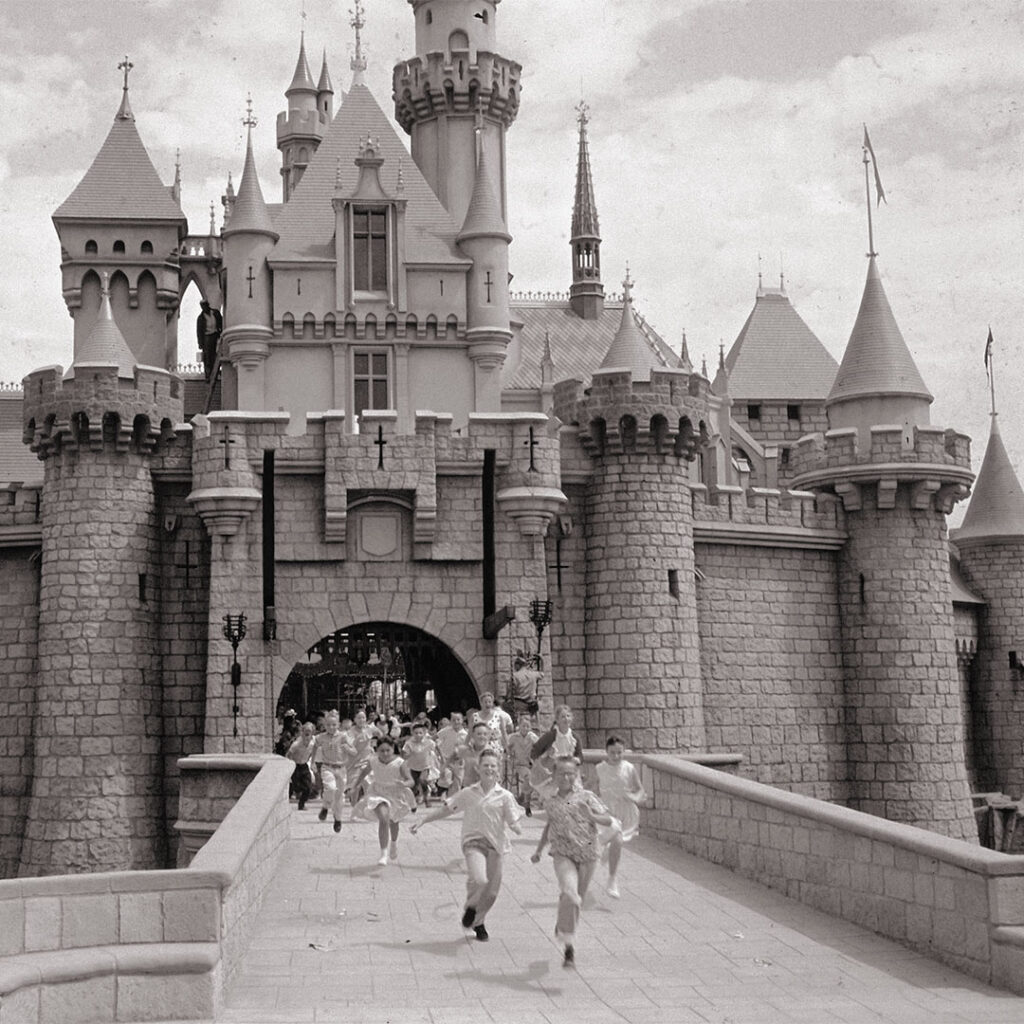
When Disneyland opened in 1955, the Fujishige family’s strawberry fields had already been sitting right next door for a year.
A Murder Attempt
In 1945, Hiroshi Fujishige was drafted into the U.S. Army from Utah. But before he ever saw combat, a shocking act of violence nearly ended his life. While stationed stateside, Hiroshi went to a dentist for routine care. The dentist, holding a personal grudge because his brother had been killed fighting in the Pacific, poisoned Hiroshi in an act of revenge. Hiroshi barely survived.
After recovering, he was sent to Europe as the war was winding down. When he returned home, he and his brother Masao bought farmland in Anaheim — adding to the legacy their father had started.
Just a year later, Disneyland opened right next door.
Offers They Could Refuse
From then on, offers to buy the Fujishige farm never stopped. Developers, speculators, and Disney itself wanted the land. But Hiroshi and Masao refused.
The land meant more to them than money. It was their livelihood, their independence, and their family’s story.
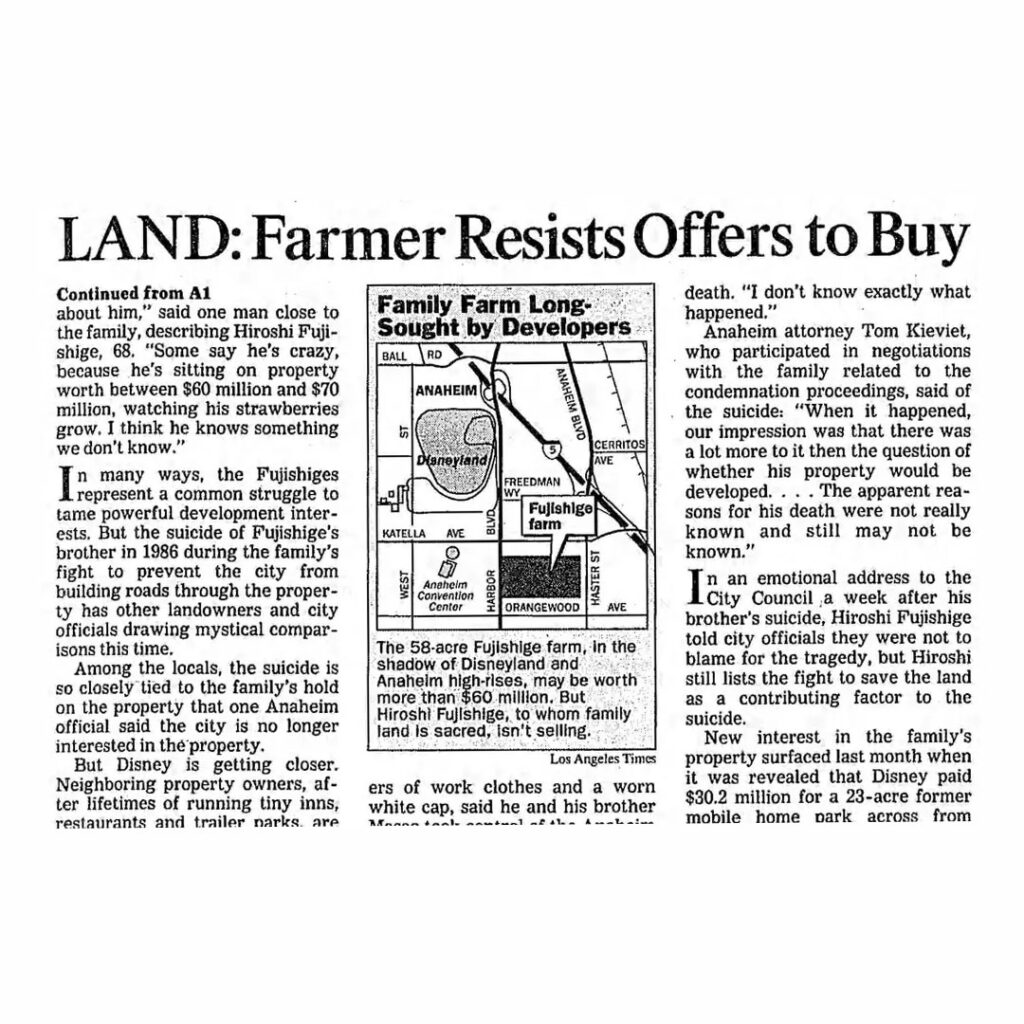
But the pressure to sell eventually took its toll. In 1986, after years of tension over the property, Masao, who was also suffering from health issues, took his own life. But it seemed Hiroshi only became more determined to keep the farm, turning down offer after offer.
Masao Fujishige — already battling health issues stemming from a stroke — tragically took his own life in 1986 during the family’s fight to keep their land.
By 1991, Hiroshi Fujishige’s farm was worth more than $60 million — but he wouldn’t sell. But the fight to keep their 58 acres took a devastating toll.
Each day from 7 a.m. to 5 p.m., the Fujishige Farm Stand sold fresh produce — peanuts compared to the generational wealth that a deal with Disney could bring.
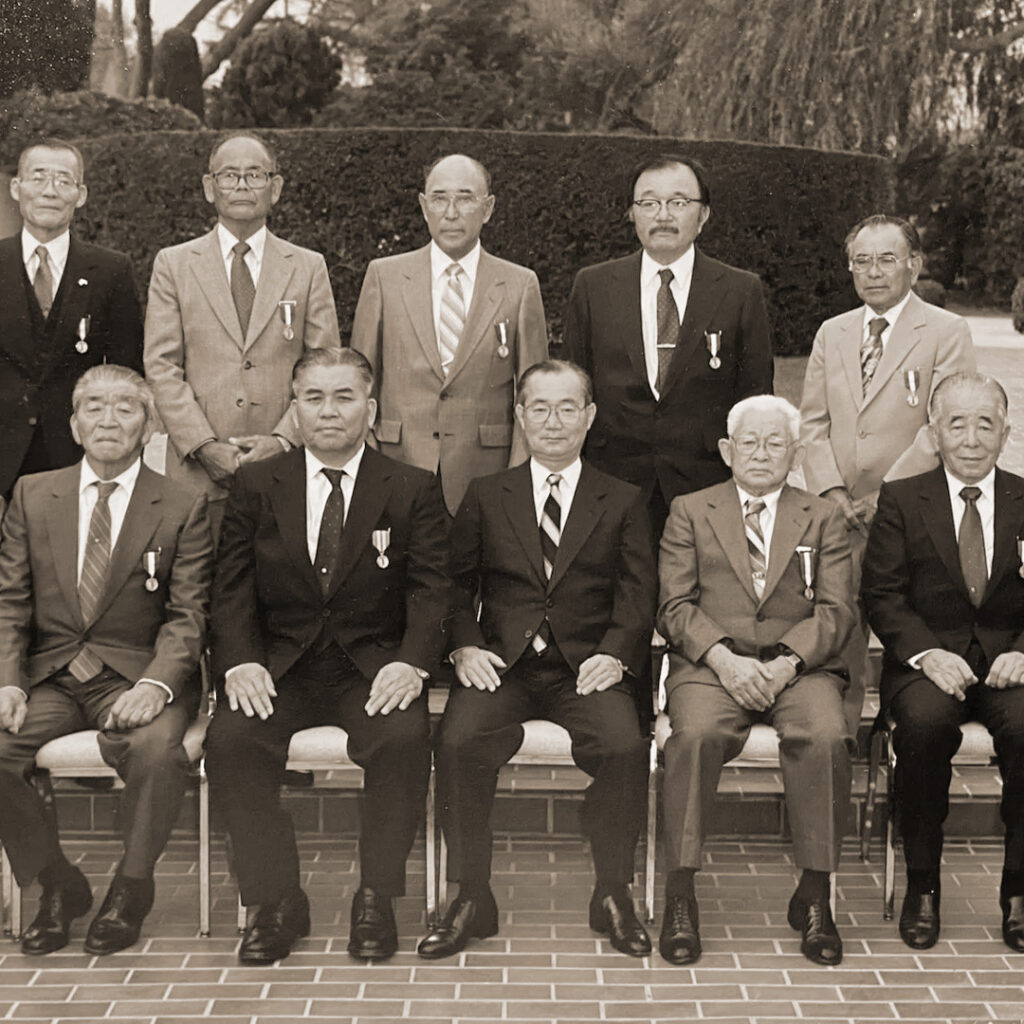
Hiroshi Fujishige (seated, 2nd from right) honored among fellow Japanese American farmers at the Japanese Consulate for their commitment to agriculture and community.
What’s More Important
By the late 1990s, with the Fujishige elders gone and perhaps with no one able to run the farm, the family finally sold a large section of the land to Disney — 52.5 acres of their original 58. On August 15, 1998, Disney announced the deal.
For the Fujishiges, the fight wasn’t about money.
Former Anaheim City Council member Irv Pickler, for one, marveled at how Hiroshi Fujishige’s “integrity” was “more important than money.”
My mother Yoshiko & her Yokoi family knew the Fujishige Family! I visited their strawberry farm several times & met ‘Mas’ & before it was sold. Their house & fields were surrounded by hotels & Disney & a major road dead-ended at their field. I’m sorry to learn that he died by suicide…RIP.
From our understanding, the last 3.4-acre piece sat undeveloped until December 2013, when Anaheim’s Planning Commission considered a proposal for a 215-room Hilton Homewood Suites hotel there. That hotel is open today.
I talked to my 101-year-old mother about the Fujishige family. She said since the Yokoi & Fujishige families didn’t have any relatives in American, they considered them as ‘family’. My grandfather met the Fujishige’s when he traveled to Japan to study in America in the early 1900’s. He stayed with the Fujishige family while living in California. So when my grandfather returned to America with his bride, Tetsu, my grandmother, in 1924, they renewed their friendships. My mother knew all the 6 Fujishige ‘kids’ & can still remember all their names. She has a photo of the Yokoi & Fujishige kids at Brighton(?) Beach in LA when all the kids were between 10-1.
When I was asking questions about this family, she really cheered up & told me lots of stories & why the Yokois & Fujishige’s considered them their ‘extended’ family in America.
My mother Yoshiko & her Yokoi family knew the Fujishige Family! I visited their strawberry farm several times & met ‘Mas’ & before it was sold. Their house & fields were surrounded by hotels & Disney & a major road dead-ended at their field. I’m sorry to learn that he died by suicide…RIP.
What happened to the 5 acres The Fujishige family kept.
From our understanding, the last 3.4-acre piece sat undeveloped until December 2013, when Anaheim’s Planning Commission considered a proposal for a 215-room Hilton Homewood Suites hotel there. That hotel is open today.
I talked to my 101-year-old mother about the Fujishige family. She said since the Yokoi & Fujishige families didn’t have any relatives in American, they considered them as ‘family’. My grandfather met the Fujishige’s when he traveled to Japan to study in America in the early 1900’s. He stayed with the Fujishige family while living in California. So when my grandfather returned to America with his bride, Tetsu, my grandmother, in 1924, they renewed their friendships. My mother knew all the 6 Fujishige ‘kids’ & can still remember all their names. She has a photo of the Yokoi & Fujishige kids at Brighton(?) Beach in LA when all the kids were between 10-1.
When I was asking questions about this family, she really cheered up & told me lots of stories & why the Yokois & Fujishige’s considered them their ‘extended’ family in America.
Thank you so much for sharing your family history. It’s wonderful to see real-life connections here.